
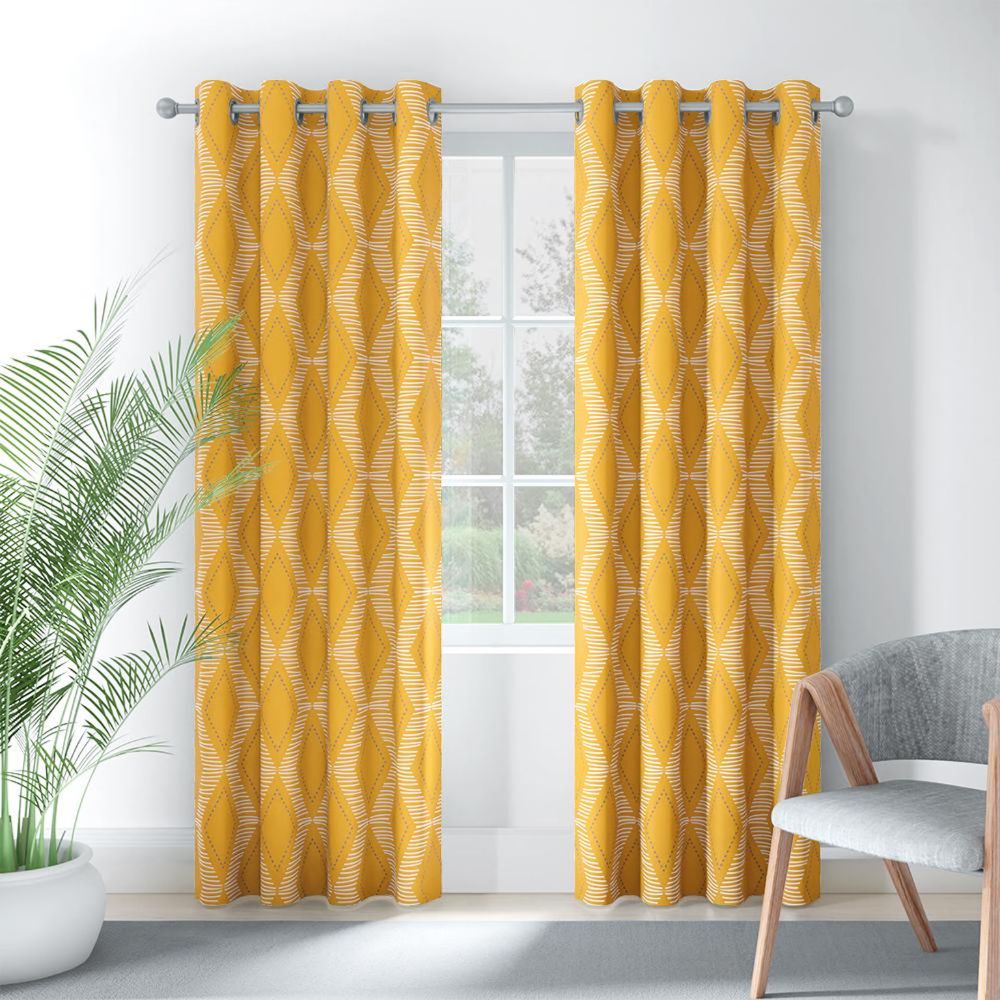

When it comes to elevating your home’s ambience, choosing between sheer vs blackout curtains is more important than most people realize. Curtains do much more than just cover a window they influence how your space feels, functions, and even how you sleep. The right curtain type can transform a room by providing the perfect balance of natural light, privacy, and style.
Sheer curtains are ideal if you love bright, airy interiors. Their lightweight fabric softens sunlight, creating a warm and inviting glow throughout the day. They’re perfect for living rooms, dining spaces, and areas where you want to maintain a sense of openness. Sheers also add subtle elegance to any décor theme, from minimalistic to contemporary, making them a versatile choice for homeowners who want light control without blocking views.
On the other side, blackout curtains are designed for those who prioritize function and comfort. Crafted to block up to 100% of external light, they are perfect for bedrooms, nurseries, and media rooms where darkness is essential. The best blackout curtains also help reduce outside noise and regulate indoor temperature, enhancing sleep quality and energy efficiency. If you live in a bustling neighborhood or work night shifts, blackout curtains can significantly improve your sleep experience by creating a calm, distraction-free environment.
Understanding your lifestyle and needs is the key to choosing the right option. If you want soft lighting and a breezy vibe, go for sheers. But if privacy, restful sleep, and total light control matter more, blackout curtains are the smarter pick. For some homes, combining both—a sheer layer for the day and blackout drapes for night offers the ideal balance of beauty and practicality.
What Are Sheer Curtains?
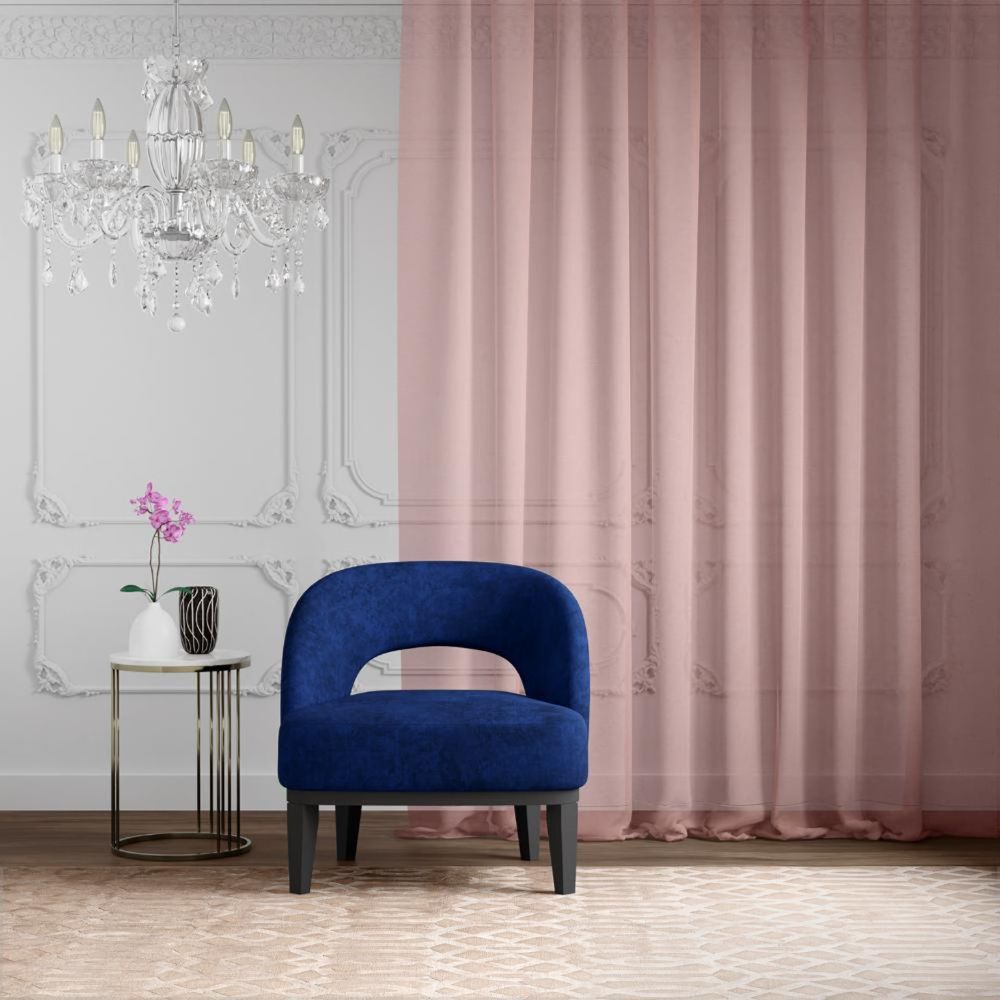
If you’ve ever wondered what are sheer curtains, they are lightweight window coverings made from thin, translucent fabrics that gently filter natural light while maintaining a soft, elegant look. Unlike heavier drapes, sheer curtains offer a delicate balance between privacy and brightness, making them a popular choice for living rooms, dining areas, and spaces where you want to create a calm, airy ambience.
Sheer curtains are typically crafted from materials like voile, organza, chiffon, and linen blends. Voile is one of the most widely used options, known for its fine weave and smooth texture, which gives a clean and sophisticated appearance. Organza, on the other hand, has a slightly crisp and shimmery finish, perfect for adding a touch of luxury to modern interiors. Linen blends provide a more natural, textured look ideal for homeowners who love earthy, minimalistic décor. These fabrics allow sunlight to pass through effortlessly, creating a warm glow and enhancing the overall aesthetic of the room.
Beyond their visual appeal, sheer curtains serve an important functional purpose. They help diffuse harsh sunlight, prevent glare, and protect your furniture from UV damage, all while maintaining an open and breathable environment. Their lightweight nature also makes them incredibly easy to layer with blackout or heavier drapes, allowing you to achieve both style and versatility in your window décor.
The charm of sheer curtains lies in their simplicity. They instantly soften any space, giving it a cozy yet stylish touch without overwhelming the room’s design. Whether you prefer a modern, minimalistic theme or something more classic, sheer curtains naturally blend in while elevating the overall look. With their light filtering ability and timeless elegance, sheer curtains remain a top choice for homeowners looking to create bright, beautiful, and balanced interior spaces.
Key Differences Between Sheer and Blackout Curtains
Light Control
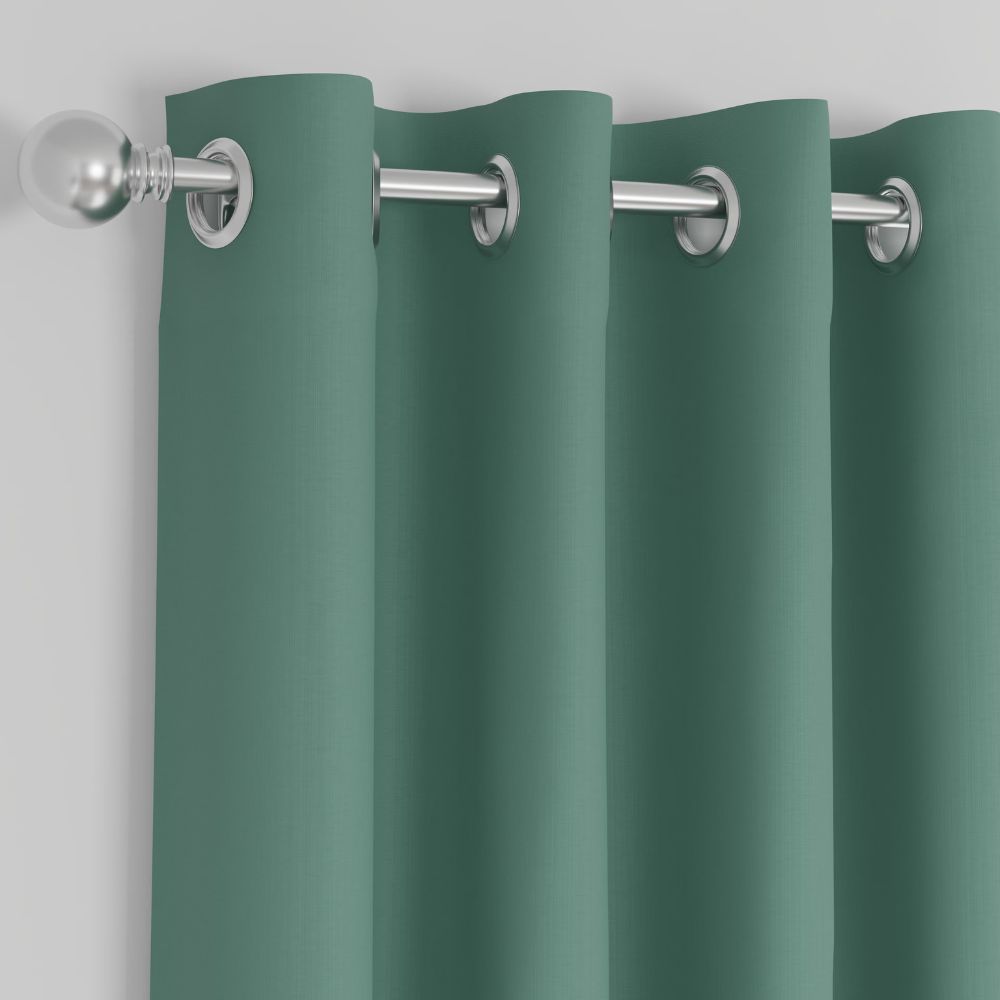
One of the biggest differences between sheer and blackout curtains is how they handle natural light. Sheer curtains for bedroom or living spaces allow soft, diffused sunlight to enter, creating an airy and bright atmosphere. Their translucent fabric gently filters light rather than blocking it, making them ideal for spaces where you want illumination without harsh glare. Blackout curtains, on the other hand, are designed for maximum light-blocking performance. Made with thick, densely woven materials or triple-weave fabric, they can block up to 100% of external light. This makes blackout curtains perfect for bedrooms, nurseries, night-shift workers, and media rooms where total darkness is essential for better sleep or screen visibility.
Privacy Levels
Sheer curtains offer minimal privacy during the day and almost none at night. They are best used in combination with blinds or layered with heavier drapes when privacy is a priority. In contrast, blackout curtains provide full privacy both day and night. Their opaque material ensures complete coverage, preventing anyone from seeing inside, even with indoor lights turned on.
Aesthetic Appeal
Sheers are known for their elegance and softness. Their light, breezy fabric enhances minimal, modern, or cozy décor themes effortlessly. They add movement, brightness, and visual openness to any room. Blackout curtains lean more toward functionality but are available in a wide range of colours, textures, and patterns to match contemporary interiors. While sheers focus on beauty and lightness, blackout curtains prioritize structure, depth, and bold visual impact.
Maintenance & Durability
When it comes to maintenance, sheer curtains require gentle washing due to their delicate fabrics such as voile, linen blends, or organza. They may wear out faster if frequently exposed to sunlight or handled roughly. Blackout curtains are generally more durable, thanks to their thicker materials. They resist fading, offer better longevity, and often require simple spot cleaning or occasional machine washing. However, they may be slightly more expensive than sheers due to their functionality and premium fabric construction.
Overall, the choice depends on your lifestyle needs brightness and elegance with sheers, or complete privacy and darkness with blackout curtains.
Sheer vs Blackout Curtains: Pros and Cons
Understanding the differences between sheer vs blackout curtains can help you make the right choice for your home’s lighting, privacy, and overall aesthetic. Here’s a simple breakdown of the pros and cons of each option to guide your decision:
Pros of Sheer Curtains
- Allow gentle, natural light to enter the room
- Create an airy, soft, and elegant look
- Ideal for living rooms, dining areas, and open spaces
- Easy to layer with blackout drapes or blinds
- Available in a wide range of fabrics like voile, chiffon, and linen blends
Cons of Sheer Curtains
- Offer minimal privacy, especially at night
- Do not block sunlight completely
- Can fade or wear out faster due to delicate fabrics
- Not suitable for rooms where darkness is essential
Pros of Blackout Curtains
- Block up to 99–100% of external light
- Improve sleep quality by creating a dark environment
- Provide complete privacy day and night
- Offer thermal insulation and help regulate room temperature
- Reduce outside noise due to their thick fabric
Cons of Blackout Curtains
- Can make a room feel darker and heavier
- Limited natural light during daytime unless tied back
- Usually more expensive than sheer curtains
- Bulkier to wash and maintain
How to Choose the Right Curtain for Your Home
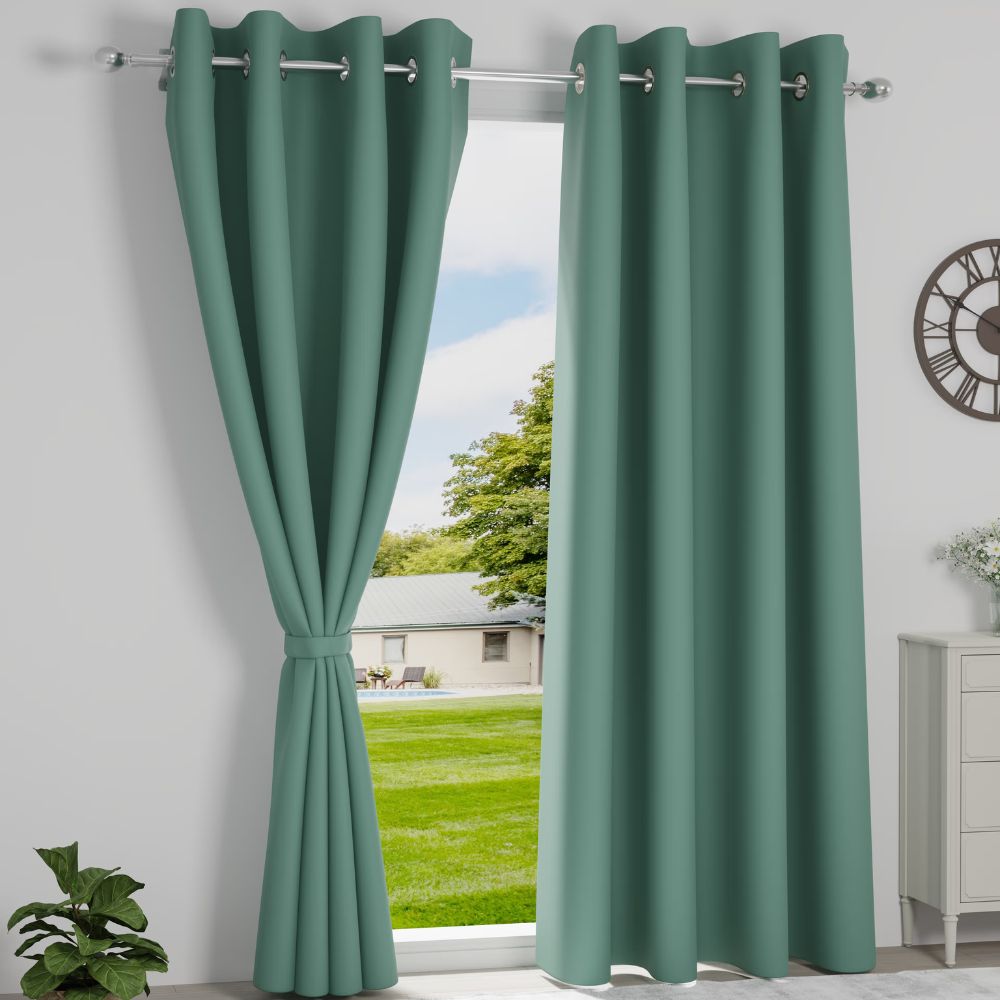
Choosing the perfect curtains can instantly elevate your interiors, but the right pick depends on several factors including the room’s purpose, window size, décor style, and your daily lifestyle needs. When selecting curtains for living room, think about how much natural light you want to welcome. Living spaces usually benefit from soft, filtered sunlight, making sheer or semi-sheer curtains ideal for creating a bright, open atmosphere. If your living room faces a busy street or receives harsh afternoon sun, pairing sheers with heavier drapes can give you better control over light and privacy.
For bedrooms, nurseries, or media rooms, the best blackout curtains are your go-to choice. These curtains are designed to block out light completely, promoting better sleep and reducing glare on screens. They are particularly beneficial for shift workers, light-sensitive sleepers, or anyone who prefers a peaceful, dim environment.
Window size also plays a major role. Floor-to-ceiling curtains make small rooms appear taller, while layered curtains help balance wide or oversized windows. Match the curtain style with your décor theme—minimalist interiors pair well with neutral tones and clean lines, while traditional or luxurious homes may benefit from textured fabrics and deeper shades.
Your lifestyle should also guide your choice. If you frequently open and close your curtains, opt for durable fabrics that require low maintenance. Homes with pets or children may benefit from easy-to-clean materials.
In the end, selecting the right curtains is about blending functionality with style ensuring your home feels comfortable, beautiful, and personalized to your needs.
FAQ
Are sheer curtains good for privacy?
Sheer curtains provide limited privacy during the day by blurring outside visibility, but they offer almost no privacy at night when indoor lights are on. For better coverage, they are often layered with blackout curtains or blinds.
Do blackout curtains make a room look dark all the time?
Blackout curtains block most or all external light only when completely drawn. During the day, you can simply tie them back or leave them partially open to allow natural light in. They don’t make a room dark permanently only when needed.
Which curtains are best for the living room sheer or blackout?
For most homes, sheer curtains work best in the living room because they provide soft natural light and add an airy aesthetic. However, if your living room faces harsh sunlight or requires more privacy, layering blackout curtains over sheers offers the perfect balance.
Are sheer curtains good for ventilation?
Yes, sheer curtains are lightweight and breathable, allowing air to flow freely through open windows. This makes them ideal for spaces where you want both ventilation and gentle light filtering.
Can sheer curtains be used outdoors?
Yes, sheer curtains can be used outdoors, especially in patios, balconies, and pergolas. However, it’s important to choose outdoor-friendly sheer fabrics that are UV-resistant and weatherproof to ensure durability.


No Comments