
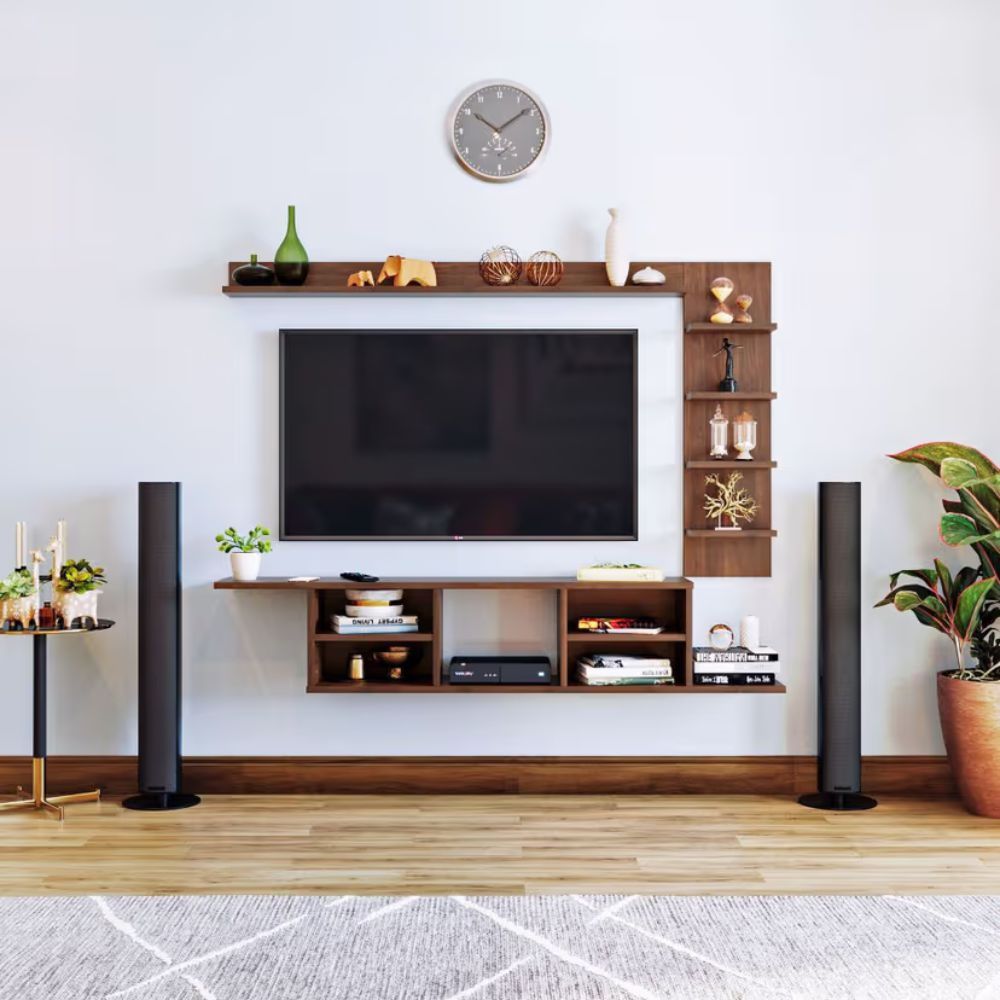

Choosing the perfect TV unit can completely transform your living room’s look and functionality. When comparing wall mounted vs floor standing tv units, it’s important to understand how each option impacts your space, storage, and overall décor. Both styles offer unique benefits, and the right choice depends on your room size, lifestyle, and design preferences.
Wall-mounted units, including the popular floating tv stand, are ideal for modern homes that prioritise minimalism and space efficiency. By lifting the unit off the floor, they create a clean, clutter-free appearance while making the room feel larger and more open. These designs are especially useful for compact apartments where maximising floor space is essential. With concealed wiring and sleek finishes, floating units add a contemporary touch to any living area.
On the other hand, floor-standing TV units provide stability, generous storage, and easy installation. They often include multiple drawers, cabinets, and shelves to accommodate media devices, décor, and everyday essentials. For families who require additional storage or prefer a traditional setup, floor-standing designs can be both practical and stylish.
Understanding the differences between wall mounted vs floor standing tv units will help you evaluate factors such as durability, storage needs, installation requirements, and visual impact. In this guide, we’ll break down the pros, cons, and key buying considerations to help you confidently choose the perfect TV unit for your home.
What Is a Wall-Mounted TV Unit?
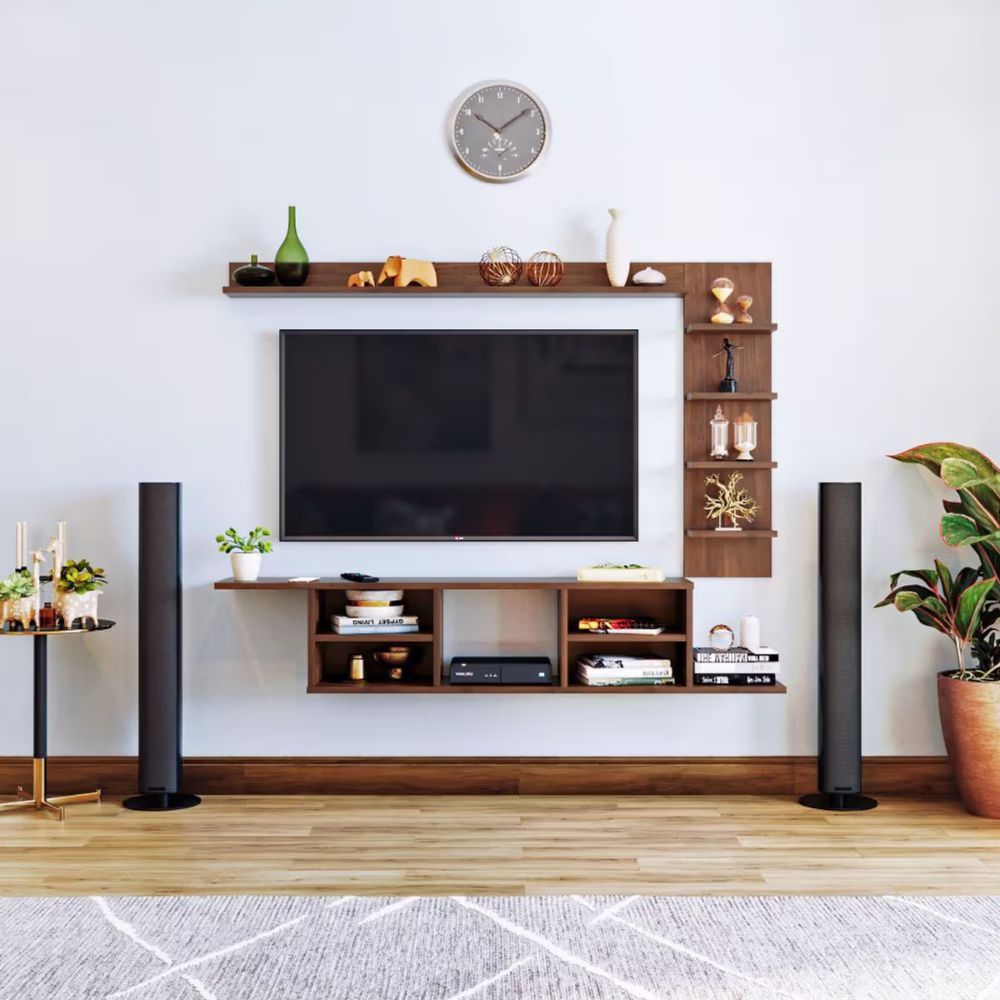
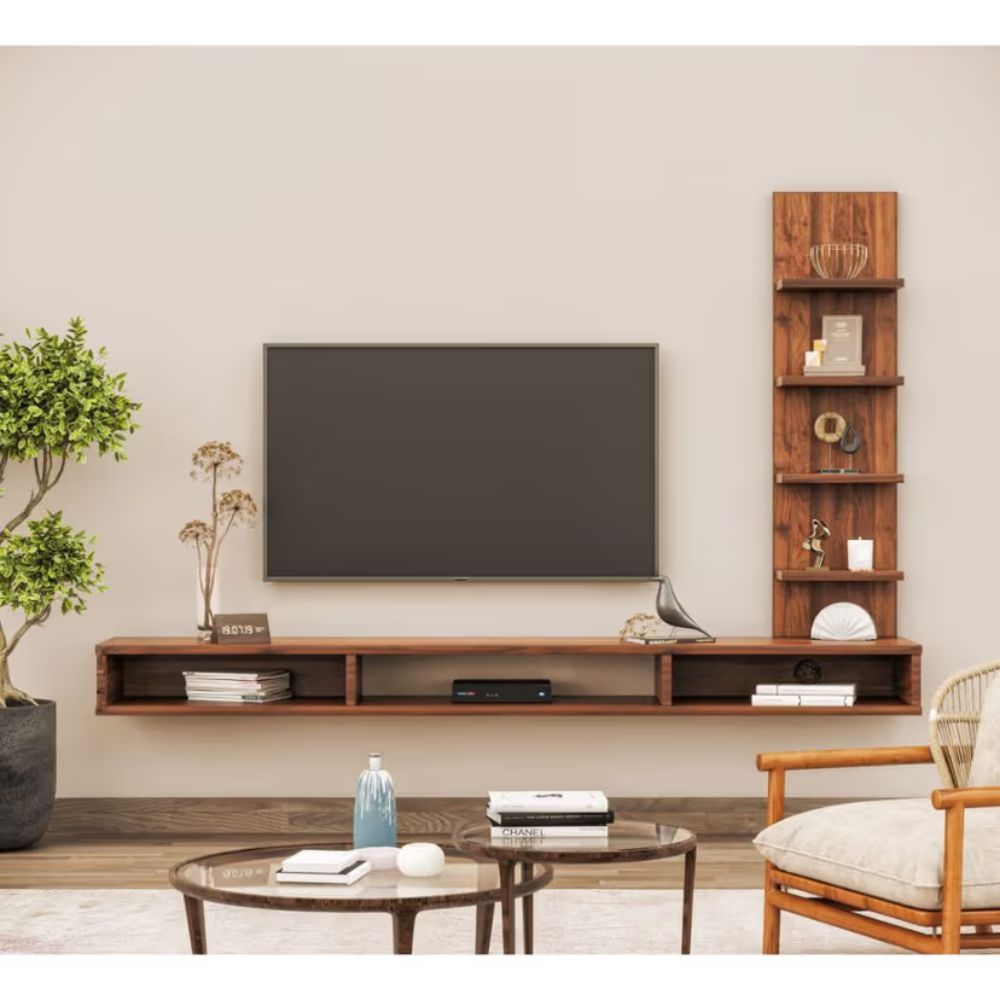
A wall mounted tv unit is a modern entertainment solution designed to be fixed directly onto the wall, creating a sleek and space-saving setup. Unlike traditional floor-based cabinets, this type of unit is elevated above the ground, offering a clean and uncluttered appearance. It typically includes shelves, cabinets, or panels that support the television and organise media accessories in a streamlined manner.
A wall mounted tv stand is securely attached using strong brackets, anchors, and mounting hardware that ensure stability and safety. These units are designed to bear the weight of the television and additional components such as set-top boxes, gaming consoles, or sound systems. Professional installation is often recommended to ensure proper alignment and secure fitting, especially for larger screens.
Some designs also function as tv stands with mount, integrating a built-in TV mounting bracket within the unit itself. This eliminates the need for separate wall mounts and creates a cohesive, all-in-one entertainment system. Many models feature concealed cable management systems, helping maintain a tidy and organised look.
Visually, a wall mounted tv unit enhances contemporary interiors with its minimalist and floating design. It works exceptionally well in modern living rooms, studio apartments, bedrooms, and even office spaces where maximising floor area is important. These units complement décor styles such as minimalist, Scandinavian, contemporary, and industrial themes.
By combining practicality with visual appeal, wall-mounted TV units provide a stylish solution for homeowners seeking a modern, space-efficient entertainment setup.
What Is a Floor-Standing TV Unit?
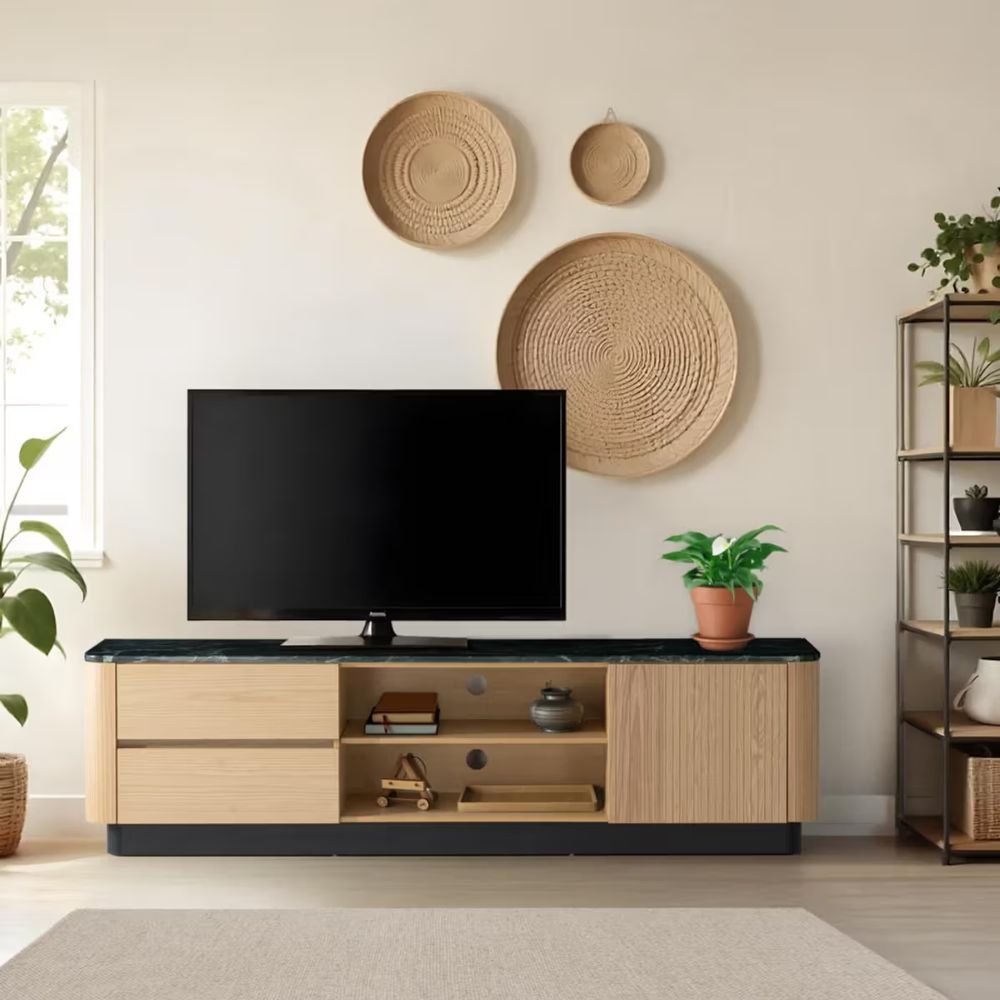
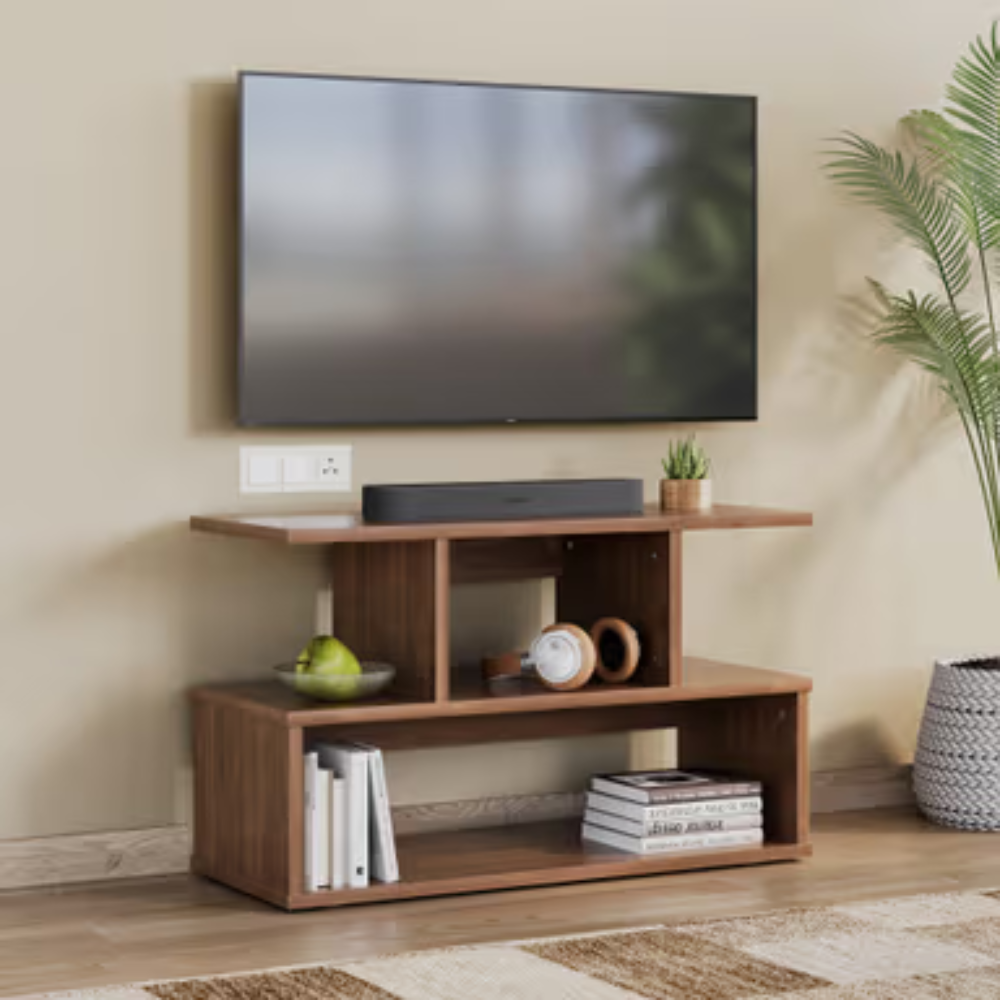
A floor standing tv unit is a freestanding entertainment cabinet designed to rest directly on the floor, offering both stability and ample storage. Unlike wall-mounted options, this type of unit does not require drilling or wall support, making it easier to install and reposition when needed. Its grounded structure provides a sturdy base for televisions of various sizes, along with space for additional media accessories.
A floor mount tv stand typically features a wide top surface to hold the TV, combined with built-in shelves, drawers, and closed cabinets. These storage compartments help organise set-top boxes, gaming consoles, speakers, books, and decorative items while keeping the living area clutter-free. Many designs also include cable management cut-outs at the back for a neat and organised setup.
One of the key advantages of a floor standing tv unit is flexibility in placement. It can be positioned against a wall, in a corner, or even used as a divider in larger living rooms. Since it doesn’t rely on wall strength, it’s suitable for rented homes or spaces where wall mounting isn’t practical.
Floor-standing units are available in a variety of materials, including solid wood, engineered wood, MDF, metal frames, and glass accents. Style options range from traditional wooden cabinets to sleek modern and industrial designs. With their versatility, generous storage, and classic appeal, floor-standing TV units remain a popular choice for many homes.
Wall-Mounted vs Floor-Standing – Detailed Comparison
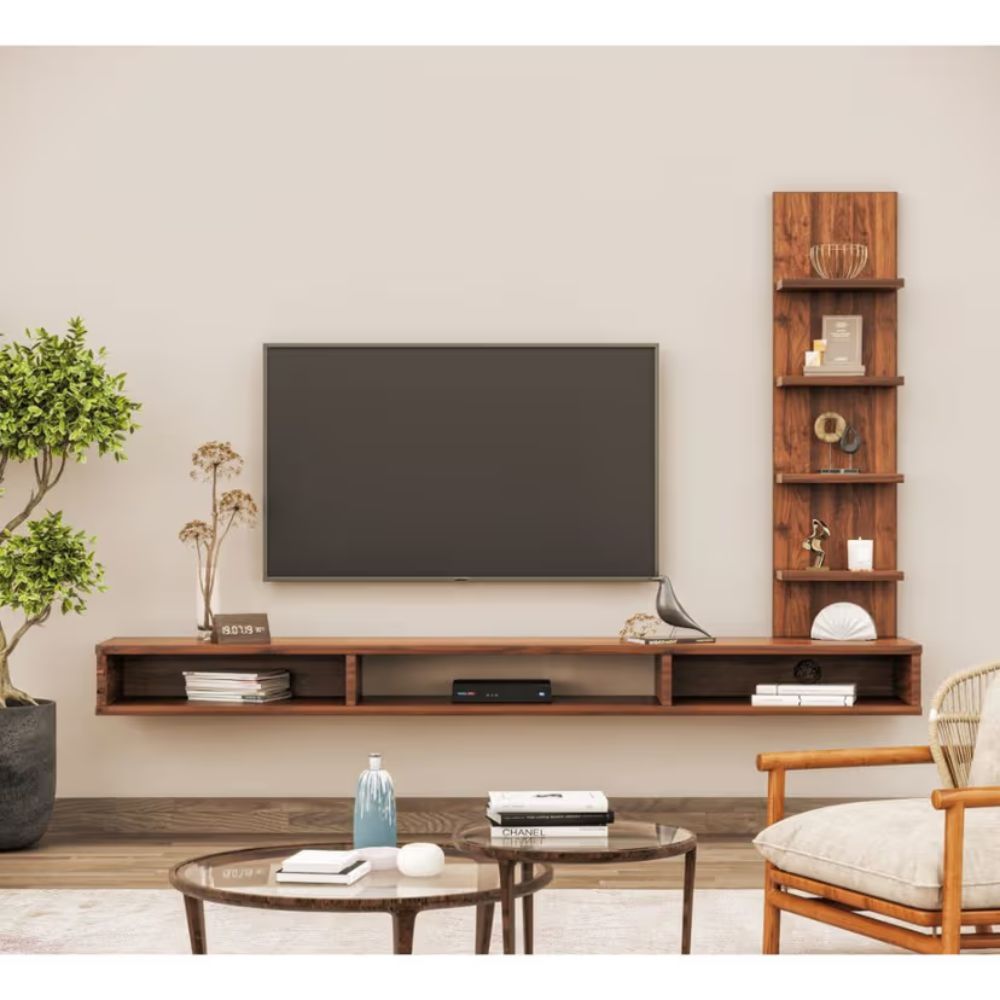
When deciding between wall mounted vs floor standing tv units, it’s important to evaluate more than just appearance. Both options offer unique advantages depending on your living room size, storage needs, and overall décor preferences. While wall-mounted units are known for their sleek, modern feel, floor-standing units provide classic stability and generous tv unit storage. Understanding the differences across design, space usage, installation, and maintenance can help you make a practical and well-informed decision. Below is a balanced comparison to guide you through the key factors.
1. Design & Aesthetic Appeal
In terms of tv unit design, wall-mounted units create a clean, floating look that complements modern and minimalist interiors. They enhance visual openness and give the illusion of more space. Floor-standing units, on the other hand, offer a grounded and substantial appearance. Available in traditional wooden finishes as well as contemporary styles, they can serve as a strong focal point in the room.
2. Space Utilization
Wall-mounted units free up floor space, making them ideal for compact apartments. Floor-standing options occupy more room but often compensate with larger tv unit storage capacity.
3. Installation & Flexibility
Wall-mounted units require secure installation and proper wall support. Once fixed, repositioning can be difficult. Floor-standing units are easier to install and can be moved or rearranged without major effort.
4. Storage & Functionality
Floor-standing units typically provide more drawers and cabinets. Wall-mounted designs focus on streamlined storage with a lighter visual footprint.
5. Maintenance & Cleaning
Wall-mounted units allow easy floor cleaning underneath. Floor-standing units may require moving items for thorough cleaning, but they are simpler to maintain structurally.
Buying Guide – How to Choose the Right TV Unit
Selecting the perfect TV unit requires balancing style, functionality, and practicality. Whether you prefer a tv unit floor standing model or a sleek wall mounted tv unit, making the right choice starts with understanding your space and lifestyle needs.
First, consider your room size. For compact living rooms, a wall-mounted option helps free up floor space and creates an open feel. Larger rooms can easily accommodate a tv unit floor standing design that offers a strong visual presence and added storage.
Next, match the unit to your TV size. Ensure the surface or mounting panel is wider than your television for proper support and balanced aesthetics. Always check weight capacity to avoid safety issues.
Think about your storage needs. If you own gaming consoles, speakers, set-top boxes, or decorative items, choose a unit with adequate shelves and closed cabinets. A tv unit floor standing option often provides more drawers and compartments, while a wall mounted tv unit offers streamlined, minimal storage.
Your style preference also plays a major role. Modern and minimalist interiors pair well with floating designs, while traditional or rustic spaces may benefit from wooden, freestanding units.
Set a realistic budget and prioritise quality materials for long-term durability. Lastly, consider lifestyle factors. Homes with kids or pets may benefit from rounded edges, sturdy construction, and secure mounting for added safety.
By evaluating these factors carefully, you can choose a TV unit that enhances both comfort and aesthetics in your home.
Wall-Mounted or Floor-Standing – Which One Should You Choose?
Choosing between wall mounted vs floor standing tv units ultimately depends on your space, lifestyle, and personal design preferences. Both options have their strengths, and understanding what matters most to you will make the decision easier.
Wall-mounted TV units are ideal for modern homes that prioritise minimalism and open space. They create a clean, floating appearance and make small living rooms feel larger by freeing up floor area. They are perfect for apartments or contemporary interiors where sleek lines and clutter-free design are key goals. However, they require proper wall support and professional installation, and once mounted, they are not easy to reposition.
On the other hand, floor-standing TV units offer flexibility and generous storage. They are easier to install, move, and rearrange, making them a practical choice for growing families or rented homes. With multiple drawers and cabinets, they provide excellent storage for media devices, books, and décor. While they may occupy more floor space, they often deliver a stronger visual presence and traditional charm.
When evaluating wall mounted vs floor standing tv units, consider your room size, storage needs, and lifestyle factors such as kids or pets. Think about whether you prefer a modern floating look or a classic, grounded design.
Still unsure? Assess your space carefully, visualise your layout, and choose the option that best balances style, functionality, and everyday convenience for your home.
FAQs
1. Which TV unit style looks more modern?
Both styles can look contemporary, but a wall mounted vs floor standing tv units comparison often shows that wall-mounted designs appear more modern. A wall mounted tv unit or floating style creates a sleek, clutter-free look that complements minimalist and urban interiors. Clean lines, hidden wiring, and a floating effect enhance the modern aesthetic.
2. Which option is easier to clean and maintain?
A wall-mounted unit is generally easier to clean underneath since it leaves floor space open, preventing dust accumulation in hard-to-reach areas. However, floor-standing units are also easy to maintain if they have raised legs. Regular dusting and gentle surface cleaning will keep both styles in good condition.
3. Are wall-mounted TV units more expensive?
They can be slightly more expensive due to installation costs and mounting hardware. Custom designs or additional wall reinforcement may increase the budget. However, pricing depends on material, size, and finish rather than just the mounting style.
4. Are floor-standing TV units more durable?
A tv unit floor standing design is often considered highly durable because it doesn’t rely on wall support. Made from sturdy materials like solid wood or engineered wood, these units offer long-term stability and can handle heavier loads.
5. Which type is better for large living rooms?
Large living rooms can accommodate both styles. Floor-standing units with extensive storage work well in spacious layouts, while wall-mounted options create a stylish feature wall.
6. Which one is better for a minimalist home design?
A wall mounted tv unit is typically better suited for minimalist interiors, as it maximizes floor space and maintains a clean, streamlined look.

No Comments