
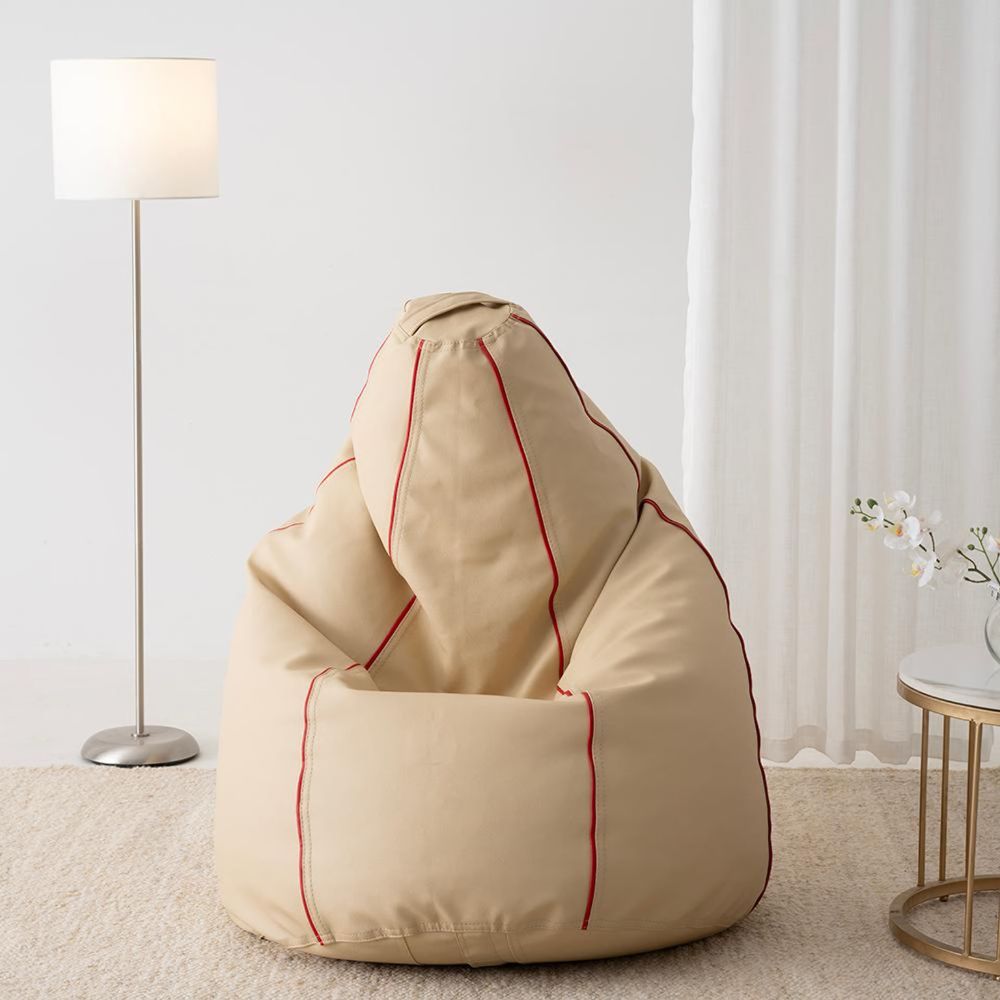

When comparing bean bag vs chair, the biggest factor most people consider is comfort. Both seating options serve different purposes and offer unique benefits depending on how and where they are used. Traditional chairs are designed with structured support, making them suitable for activities like working, studying, or dining. They maintain a fixed shape and provide consistent back support, which helps maintain posture during long sitting sessions. This is why office chairs, dining chairs, and study chairs are commonly used in spaces where posture and stability matter.
On the other hand, bean bags are known for their relaxed and flexible comfort. Filled with soft beads or foam, they mold to the shape of your body and distribute weight evenly. This makes bean bags a popular choice for casual lounging, watching movies, gaming, or reading. The flexible structure reduces pressure on certain body points, allowing users to sink into a comfortable position. In the bean bag vs chair comparison, bean bags often feel more cozy and informal, making them ideal for bedrooms, living rooms, or entertainment areas.
However, durability and long-term support also play a role. Chairs are typically built with sturdy frames made of wood, metal, or plastic, allowing them to last longer and handle daily use without losing shape. Bean bags, while comfortable, may require refilling over time as the filling compresses with regular use.
Ultimately, the choice between a bean bag and a chair depends on lifestyle and usage. If you prioritize posture, structure, and longevity, a chair may be the better option. But if relaxation and casual comfort matter more, bean bags can provide a cozy and versatile seating experience.
Comfort Comparison – Bean Bags vs Chairs
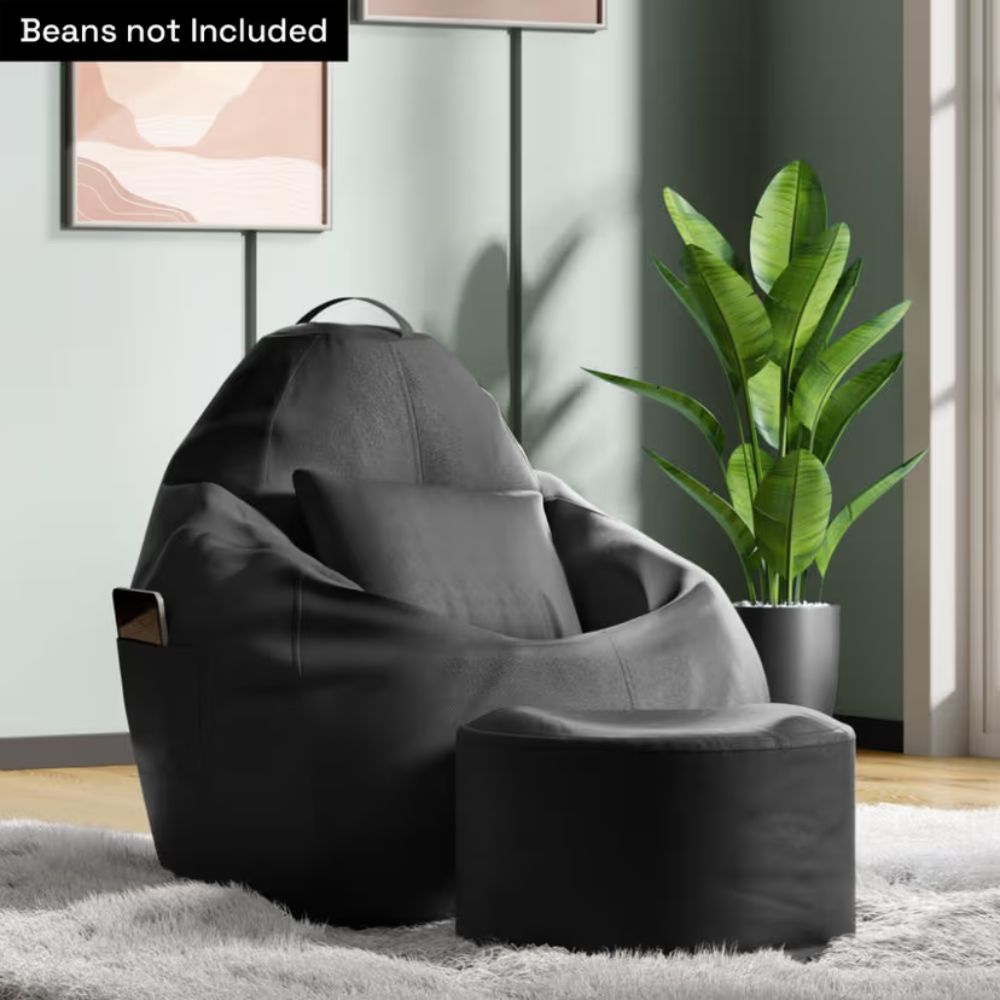
1. Body Contouring and Flexibility
One of the biggest comfort differences between bean bags and traditional chairs lies in how they adapt to the body. A bean bag chair is designed with soft fillings such as foam or beads that shift according to body weight and posture. This flexibility allows the seat to contour naturally around the user, creating a relaxed and pressure-free sitting experience. Unlike rigid chairs that maintain a fixed shape, bean bags allow users to change positions easily. Larger options, such as large bean bag chairs, offer even more space to stretch, recline, or lounge comfortably, making them ideal for casual seating areas and entertainment spaces.
2. Back and Spine Support
Traditional chairs are typically designed with structured backrests that help maintain posture and provide consistent spinal support. This makes them suitable for tasks that require upright seating, such as working, studying, or dining. Bean bags, however, provide a softer form of support that adapts to the body’s shape. While they may not always provide the same level of firm back support as ergonomic chairs, many modern bean bag designs are structured to support the lower back while still offering a relaxed feel. The comfort level often depends on the filling quality and how well the bean bag maintains its shape.
3. Comfort for Long Sitting Hours
When it comes to extended sitting periods, comfort preferences vary from person to person. Bean bags are known for their plush cushioning, which helps reduce pressure on the hips and legs. This makes them comfortable for activities like reading, gaming, or watching movies. However, traditional chairs may be more suitable for long work sessions because their structured design supports proper posture over time.
4. Temperature and Breathability
Material and design also influence comfort. Bean bags made with breathable fabrics provide a cozy seating option indoors, while an outdoor bean bag chair is usually crafted with weather-resistant and breathable materials that help prevent overheating. Chairs, depending on their upholstery, can also offer ventilation, but the overall feel is generally firmer compared to the soft and cushioned experience of bean bags.
Health & Ergonomics: Which Is Better for Your Back?
1. Posture and Spinal Alignment
When discussing seating and back health, posture and spinal alignment play a crucial role. Traditional chairs are typically designed with structured backrests that encourage an upright sitting position. This helps maintain the natural curve of the spine, which is particularly important during tasks like working, studying, or attending long meetings. Bean bags, on the other hand, provide a more relaxed seating style. Their flexible filling adapts to the body’s shape, allowing users to sink into the seat. While this can feel very comfortable, it may not always support ideal spinal alignment unless the bean bag is properly shaped and positioned.
2. Pressure Point Relief
One advantage bean bags offer is pressure distribution. The soft filling inside an outdoor beanbag chair or indoor bean bag adjusts to the body and spreads weight evenly. This can reduce pressure on the hips, thighs, and lower back, which is beneficial during casual activities such as reading or watching TV. Traditional chairs usually have firmer cushioning, which can create pressure points if the seat padding is not well designed. However, ergonomic chairs often include lumbar support and cushioning to minimize strain on joints and muscles.
3. Suitability for Work or Study
For work-from-home setups or study environments, structured seating is usually recommended. Office and study chairs are built to support the spine and encourage proper posture for extended periods. Bean bags and loungers, such as an outdoor bean bag lounger, are more suitable for relaxation rather than focused work. They allow the body to recline comfortably, but this relaxed posture may not be ideal for typing or desk-based tasks.
4. Doctor & Expert Opinions on Seating
Health experts generally suggest choosing seating that supports the natural alignment of the spine and reduces prolonged slouching. While bean bags can provide excellent comfort and pressure relief for leisure, professionals often recommend chairs with proper lumbar support for long work sessions to maintain back health and overall posture.
Pros and Cons – Quick Comparison Table

When evaluating bean bag vs chair, it helps to look at the strengths and limitations of each seating option. Both serve different comfort needs and lifestyles, and understanding their advantages and drawbacks can make the decision easier.
1. Pros & Cons of Bean Bags
Bean bags are widely appreciated for their relaxed comfort and flexible design. One of the biggest advantages is how they adapt to the user’s body shape. The soft filling inside bean bags spreads weight evenly, which helps reduce pressure on the hips and back during casual sitting. This makes them ideal for activities such as reading, watching movies, gaming, or lounging. Another benefit is their versatility. Bean bags can be moved easily and placed in different spaces like living rooms, bedrooms, or entertainment areas. Many modern designs also come in stylish covers that match contemporary interiors. Additionally, affordable bean bag chairs are widely available, making them a budget-friendly seating choice for many households.
However, bean bags also have a few limitations. Over time, the filling may compress, requiring occasional refilling to maintain comfort and shape. They also lack the firm back support that structured chairs provide, which may not be suitable for long hours of work or study.
2. Pros & Cons of Chairs
Traditional chairs are known for their structure and durability. Most chairs are designed with a sturdy frame and supportive backrest that promotes proper posture. This makes them ideal for activities that require focus, such as working at a desk, studying, or dining. Chairs also tend to maintain their shape over time, making them a long-lasting furniture investment.
On the downside, chairs offer less flexibility compared to bean bags. Their rigid design may feel less relaxing for casual lounging. Additionally, some chairs can create pressure points if they lack sufficient cushioning. In the overall bean bag vs chair comparison, chairs provide better support and longevity, while bean bags excel in comfort and flexibility.
Ideal Use Cases: Where Each Works Best
Choosing between seating options often depends on how and where they will be used. In the bean bag vs chair debate, both serve specific purposes depending on the room, activity, and level of comfort required.
1. Living Rooms and Entertainment Areas
For relaxed environments like living rooms or entertainment zones, bean bags often provide a more casual and inviting seating option. Their soft, flexible structure allows users to sit, recline, or lounge comfortably while watching TV or reading. A convertible bean bag chair can be especially useful in these spaces because it can shift between different seating positions, offering flexibility for guests or family members who want to relax in various ways. Traditional chairs can still work well in living rooms, especially when arranged around coffee tables or as part of a formal seating setup, but they generally provide a more upright sitting experience.
2. Home Offices and Study Rooms
In workspaces or study areas, structured seating is usually the better choice. Chairs are designed to provide proper back support and maintain posture during long hours of work or studying. Ergonomic chairs in particular help keep the spine aligned and reduce strain on the back and shoulders. Bean bags, while comfortable, may encourage a more relaxed posture that is not ideal for tasks requiring concentration or desk work.
3. Kids’ Rooms and Gaming Setups
Bean bags are extremely popular in kids’ rooms and gaming areas because they combine comfort with flexibility. A beanbag gaming chair allows gamers to sit for long periods while enjoying a relaxed posture. It also adapts to different sitting styles, whether leaning forward during intense gameplay or reclining during breaks. Chairs can also be used for gaming setups with desks, but bean bags tend to create a more comfortable and informal atmosphere.
4. Outdoor and Balcony Use
For balconies, patios, or outdoor relaxation spaces, lightweight bean bags can be a practical choice because they are easy to move and store. However, weather-resistant chairs may provide better durability and stability in outdoor environments.
Bean Bags or Chairs: What Should You Choose?
Choosing between a bean bag and a traditional chair ultimately depends on your comfort preferences, lifestyle, and how you plan to use the seating. In the bean bag vs chair comparison, both options offer unique advantages that suit different environments and user needs.
If relaxation and flexibility are your top priorities, bean bags can be an excellent choice. Their soft filling adjusts to the body’s shape, creating a cozy and pressure-relieving seating experience. This makes them ideal for casual activities like watching movies, reading, gaming, or simply unwinding after a long day. Bean bags also work well in modern homes where informal seating is preferred, and they can easily be moved around to fit different spaces such as living rooms, bedrooms, or entertainment corners.
On the other hand, chairs are better suited for tasks that require structure and support. A well-designed chair helps maintain proper posture and spinal alignment, which is especially important for work-from-home setups, study areas, or dining spaces. Their sturdy frame and consistent shape provide reliable back support, making them more suitable for long periods of focused sitting.
Budget and space considerations can also influence the decision. Bean bags are often more affordable and flexible in terms of placement, while chairs tend to be more durable and long-lasting furniture pieces. In smaller spaces, lightweight bean bags can offer convenient seating without taking up too much room, whereas chairs may provide a more organized and formal seating arrangement.
In the end, the bean bag vs chair choice comes down to balancing comfort, health support, available space, and daily usage needs to find the seating option that best fits your lifestyle.
FAQs
1. Are bean bags good for back pain?
Bean bags can help reduce pressure on certain parts of the body because the filling adjusts to the user’s shape and distributes weight evenly. This may provide temporary comfort for people experiencing mild back discomfort during relaxation. However, bean bags usually do not offer firm lumbar support or structured posture alignment. For individuals with chronic back pain, health experts often recommend seating that supports the spine properly, such as ergonomic chairs with back and lumbar support.
2. Are chairs better for posture than bean bags?
In most cases, yes. Chairs are designed with a structured backrest that helps maintain the natural curve of the spine. This encourages proper sitting posture, especially during tasks like studying, working, or eating. Bean bags provide a relaxed seating position, but they may lead to slouching if used for long periods. That’s why chairs are typically considered better for maintaining posture.
3. Which lasts longer, bean bags or chairs?
Chairs generally last longer because they are built with sturdy frames made from materials such as wood, metal, or strong plastic. Bean bags can remain comfortable for years, but the filling inside them may compress over time and might need refilling to maintain their shape and support.
4. Are bean bags suitable for office work?
Bean bags are great for casual seating, brainstorming areas, or break rooms, but they are usually not ideal for regular office work. Tasks that require long hours at a desk benefit from chairs that provide proper back support and help maintain an upright posture.
5. Which is better for small apartments?
Both options can work in compact spaces, but bean bags are often preferred because they are lightweight, flexible, and easy to move around. They can also be stored away when not in use, making them a practical seating option for smaller apartments.


No Comments