
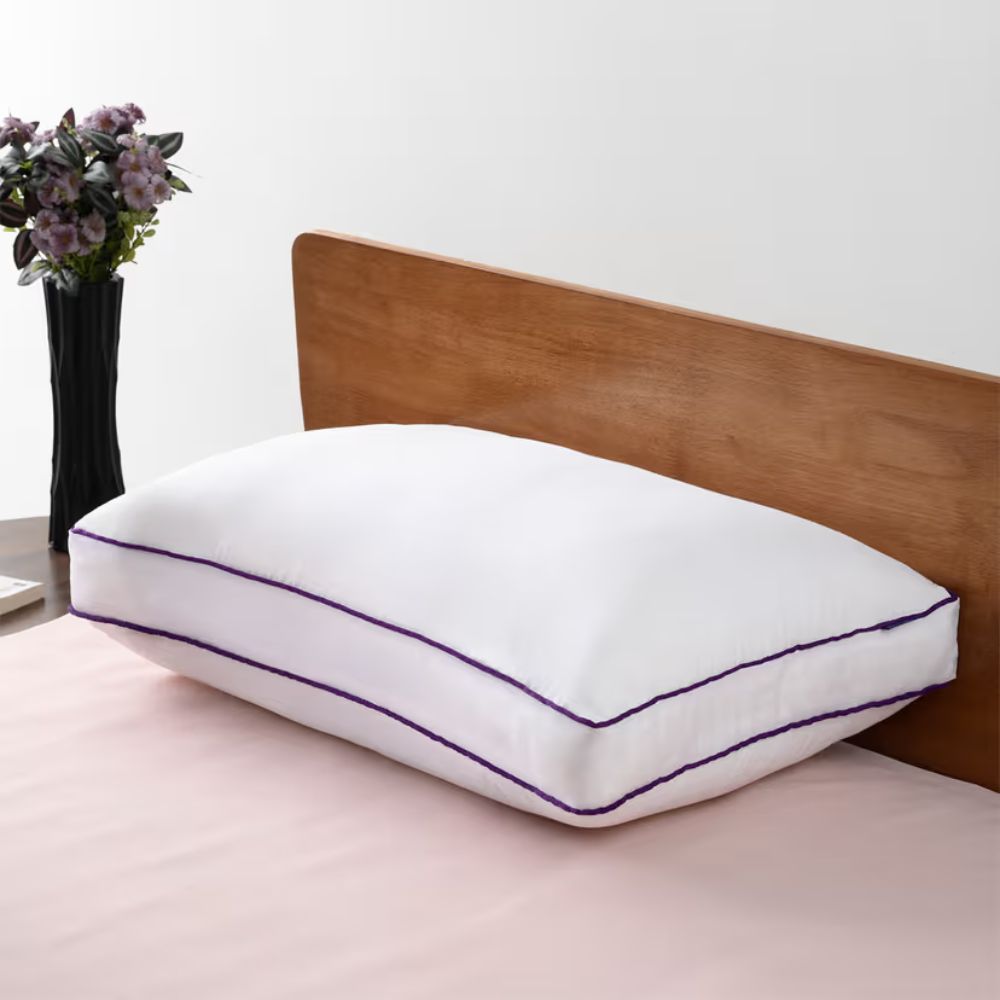

A good night’s sleep depends on many factors, and one of the most important yet often overlooked is the pillow you use. The right pillow plays a key role in supporting the head, neck, and shoulders, helping maintain proper spinal alignment throughout the night. When your head is positioned correctly, the spine stays in a neutral position, which reduces strain on muscles and joints. This alignment helps prevent common problems such as neck stiffness, headaches, and interrupted sleep.
Comfort is another major reason why choosing the right pillow matters. Different sleeping positions require different levels of support. For example, side sleepers usually benefit from a thicker pillow that fills the space between the head and shoulder, while back sleepers may prefer a medium-loft pillow that supports the natural curve of the neck. Stomach sleepers often need a softer and thinner option to avoid excessive neck bending. This is why many sleep experts recommend selecting best pillows based on personal sleep habits rather than choosing a one-size-fits-all option.
The material of the pillow also affects sleep quality. Memory foam pillows adapt to the shape of the head and neck, providing customized support, while fiber-filled pillows tend to feel softer and more breathable. Latex pillows offer both resilience and durability, making them a good choice for long-term support.
Beyond comfort, the right pillow can also improve overall health by reducing pressure points and promoting deeper, uninterrupted sleep. When the body remains properly supported during the night, muscles can relax more effectively and the body can enter restorative sleep stages. Investing in the right pillow is therefore an important step toward better sleep quality and improved daily well-being.
Why Pillow Choice Matters More Than You Think
Many people focus on mattresses when trying to improve their sleep, but pillow choice plays an equally important role in overall sleep quality. A pillow is responsible for supporting the head and neck throughout the night, helping maintain proper spinal alignment. When the neck and spine remain in a neutral position, the body experiences less strain, allowing muscles to relax and recover during sleep.
The wrong pillow can lead to several common sleep issues. If a pillow is too high or too firm, it may push the head forward and create tension in the neck and shoulders. On the other hand, a pillow that is too flat may fail to support the natural curve of the neck, leading to stiffness or discomfort when you wake up. Over time, poor pillow support can contribute to headaches, neck pain, and restless sleep. This is why understanding the importance of pillow choice is essential for maintaining long-term comfort and health.
Another key factor is sleep posture. Different sleeping positions require different levels of pillow support. Side sleepers generally need a thicker pillow to fill the gap between the head and shoulder, while back sleepers benefit from medium support that maintains the neck’s natural curve. Stomach sleepers usually require a softer, thinner pillow to avoid unnecessary strain on the neck.
Choosing the right pillow can also improve sleep efficiency. Proper support helps the body stay comfortable throughout the night, reducing frequent tossing and turning. When the head, neck, and spine are well aligned, the body can enter deeper and more restorative sleep stages, leading to better rest and improved energy during the day.
Understanding Different Types of Pillows

Choosing the right pillow starts with understanding the types of pillows available and how their materials affect comfort and support. Different pillow designs cater to different sleep preferences, body needs, and sleeping positions. Knowing the features of each type can help you select a pillow that improves sleep quality and provides proper neck and head support.
Memory Foam Pillows
Memory Foam Pillows are popular for their ability to contour to the shape of the head and neck. Made from viscoelastic foam, these pillows respond to body heat and pressure, allowing them to adapt to individual sleeping positions. This customized support helps maintain proper spinal alignment and reduces pressure points. Memory foam pillows are often recommended for people who experience neck pain or require consistent support throughout the night.
Feather and Down Pillows
Feather and Down Pillows are known for their softness and plush comfort. They are typically filled with natural feathers or down clusters from ducks or geese. These pillows are lightweight and easily adjustable, allowing sleepers to shape them according to their comfort needs. While they provide a luxurious feel, they may require regular fluffing to maintain their shape and may not provide the same firm support as foam-based options.
Latex Pillows
Latex Pillows are made from natural or synthetic latex and are valued for their durability and resilience. Unlike memory foam, latex pillows maintain their shape while still offering gentle contouring. They provide consistent support and good airflow, making them a comfortable choice for sleepers who prefer a balance between firmness and cushioning. Latex pillows are also known for their long lifespan compared to many other pillow types.
Orthopedic Pillows
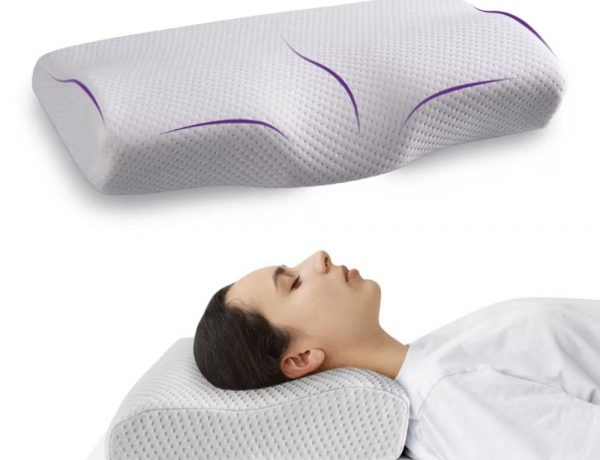
Orthopedic Pillows are specially designed to support the neck, shoulders, and spine in a healthy position. They often feature ergonomic shapes that help reduce strain on muscles and joints. These pillows are commonly recommended for people with neck stiffness, back pain, or posture-related sleep issues, as they promote proper alignment and improved sleeping posture.
Choosing the Right Pillow Based on Your Sleeping Position

Finding the right pillow is essential for maintaining proper neck and spine alignment during sleep. Since everyone sleeps in different positions, the height, firmness, and support level of a pillow should match your sleeping style. Choosing from the best pillows for sleeping based on your position can help reduce discomfort, improve posture, and support deeper, more restful sleep.
Best Pillows for Side Sleepers
Side sleeping is one of the most common sleep positions, but it requires proper neck support to maintain spinal alignment. The best pillow for side sleepers is usually thicker and firmer to fill the space between the head and shoulder. This helps keep the neck in a neutral position and prevents it from tilting downward or upward during the night. Memory foam or latex pillows are often recommended because they provide consistent support and contour to the shape of the head and neck. A supportive pillow can also help reduce shoulder pressure and improve overall comfort.
Best Pillows for Back Sleepers
Back sleepers benefit from a medium-loft pillow that supports the natural curve of the neck without pushing the head too far forward. A pillow that is too high may strain the neck, while one that is too flat may not provide enough support. Many experts recommend ergonomic or contoured pillows for this sleeping position. These designs support the neck while keeping the head comfortably aligned with the spine. Choosing the best pillow for neck pain can be particularly helpful for back sleepers who experience stiffness or discomfort in the morning.
Best Pillows for Stomach Sleepers
Stomach sleeping places more pressure on the neck because the head is often turned to one side. For this position, a soft and thin pillow is generally recommended. A lower-profile pillow helps prevent excessive bending of the neck and reduces strain on the spine. Lightweight fiber or soft foam pillows are often suitable choices for stomach sleepers seeking gentle support.
Health Benefits of Using the Right Pillow
Choosing the right pillow is essential for maintaining good sleep posture and supporting overall health. While many people focus mainly on their mattress, the pillow plays a crucial role in supporting the head, neck, and shoulders throughout the night. When a pillow provides the correct height and firmness, it helps keep the spine in a neutral position, which reduces strain on muscles and joints and promotes more comfortable sleep.
One of the most noticeable benefits of proper pillow support is the reduction of neck and shoulder pain. A pillow that properly supports the neck helps maintain natural spinal alignment, preventing the head from tilting too far forward or backward. Options like best medium firm pillows are often recommended because they offer a balanced level of support and comfort, helping keep the neck stable without feeling too stiff or too soft.
The right pillow can also improve breathing during sleep. When the head and neck are aligned correctly, the airway remains more open, which can help reduce snoring and make breathing easier throughout the night. This proper positioning allows the body to relax more fully, contributing to deeper and more restorative sleep cycles.
Another important health benefit is the prevention of tension headaches. Poor neck support can create muscle strain around the shoulders and upper spine, which may lead to headaches or discomfort in the morning. Supportive options such as good firm pillows help stabilize the neck and minimize pressure on sensitive areas, reducing the chances of waking up with pain.
In addition to reducing pain and improving breathing, a well-designed pillow supports the body’s natural recovery process during sleep. When muscles remain relaxed and properly supported overnight, the body can recover more effectively, leading to improved energy levels, better posture, and overall physical well-being.
Pillow Firmness, Loft, and Material: What Really Matters?
Choosing the right pillow involves more than just picking a comfortable design. Important factors such as pillow firmness, height, and material all influence how well a pillow supports the neck and head during sleep. Understanding these elements can help you select a pillow that improves comfort, maintains spinal alignment, and enhances overall sleep quality.
Understanding Pillow Loft
Pillow loft refers to the height or thickness of a pillow when it is lying flat. Loft plays a significant role in maintaining proper neck and spine alignment. A pillow that is too high may push the head forward, while a pillow that is too low may fail to support the natural curve of the neck. Side sleepers usually need a higher loft to fill the gap between the shoulder and head, while back sleepers typically benefit from a medium loft. Stomach sleepers often require a low-loft pillow to avoid placing strain on the neck.
Soft vs Medium vs Firm Pillows
The level of pillow firmness determines how much support and resistance the pillow provides when pressure is applied. Soft pillows offer a plush and flexible feel but may compress quickly, making them more suitable for stomach sleepers or those who prefer minimal support. Medium-firm pillows strike a balance between comfort and stability, making them suitable for many sleeping styles. A best firm pillow provides strong support that helps maintain neck alignment, which is particularly helpful for side sleepers or people who need extra neck support.
Cooling and Breathable Materials
Pillow materials also influence comfort, durability, and temperature regulation. Memory foam, latex, feather, and microfiber are commonly used fillings, each offering different levels of support and breathability. Cooling gels, ventilated foam, and moisture-wicking fabrics help improve airflow and prevent heat buildup during sleep. Additionally, hypoallergenic materials are beneficial for individuals with allergies, ensuring a cleaner and more comfortable sleeping environment.
FAQs
How often should I replace my pillow?
Most sleep experts recommend replacing a pillow every 1.5 to 2 years, depending on its material and quality. Over time, pillows lose their shape and support as the filling compresses with regular use. When a pillow no longer maintains proper height or support, it may affect sleep posture and comfort. Signs that it’s time for a replacement include lumps, flattening, or waking up with neck stiffness.
What pillow is best for neck pain?
The best pillow for neck pain is one that keeps the neck and spine properly aligned while you sleep. Medium-firm or firm pillows often provide better support for the neck compared to very soft ones. Memory foam or ergonomic pillows are commonly recommended because they contour to the natural curve of the neck and reduce pressure on surrounding muscles.
Are memory foam pillows better for sleep quality?
Memory foam pillows are popular because they adapt to the shape of the head and neck, providing consistent support throughout the night. This contouring effect helps maintain proper alignment and can reduce pressure points. Many people find that memory foam pillows help minimize tossing and turning, which may contribute to improved sleep quality.
Can the wrong pillow cause headaches?
Yes, using the wrong pillow can contribute to headaches. A pillow that is too high, too flat, or lacking proper support may strain the neck and upper spine. This tension can lead to muscle stiffness and headaches, especially if the neck remains in an awkward position for long periods during sleep.How do I know if my pillow height is correct?
A pillow height is correct when your head, neck, and spine stay in a neutral alignment while lying down. If your neck bends upward or downward significantly, the pillow height may not be suitable. The right pillow should fill the space between your head and mattress without pushing your head too far forward or letting it sink too low.


No Comments