
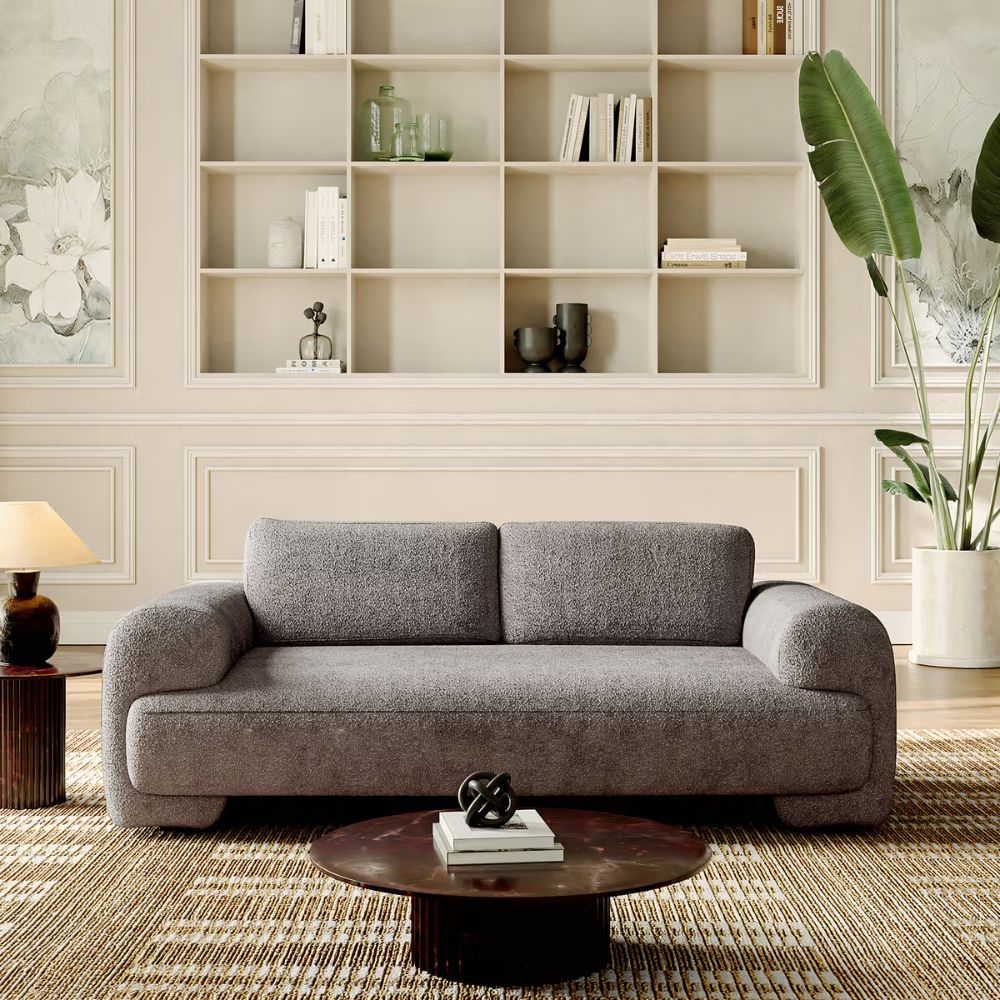

The colour of your sofa does more than complement your decor it can subtly influence your emotions, behaviour, and the overall atmosphere of your living room. This concept, often referred to as “sofa psychology,” highlights how strategic sofa colour choices can transform not only the look of a space but also the way it feels to live in it. Interior designers and psychologists alike emphasize the power of colour in shaping mood, making your sofa a central emotional anchor in the home.
Warm tones like reds, oranges, and yellows stimulate energy, creativity, and social interaction, making them ideal for living rooms designed for lively conversations or family gatherings. On the other hand, cool shades such as blues, greens, and soft greys evoke calmness, relaxation, and mental clarity, creating a soothing environment perfect for unwinding after a long day. Even neutral sofa colour options like beige, taupe, or ivory provide a versatile backdrop that balances other décor elements while offering a sense of understated tranquility.
Colour psychology matters because our brains respond instinctively to visual cues, and the sofa, often the centerpiece of the living room, becomes a focal point that sets the tone for the entire space. A thoughtfully chosen sofa colour can influence how people interact, feel, and even perceive the room’s size and brightness. Pairing the sofa with complementary cushions, rugs, and lighting further enhances these emotional effects.
Understanding the impact of colour allows homeowners to create living spaces that are not only visually appealing but also emotionally supportive. By selecting a sofa colour that aligns with your lifestyle and mood goals, you can transform your living room into a space that nurtures comfort, energy, and positivity every day.
Understanding Sofa Psychology: The Science Behind Colour and Emotion
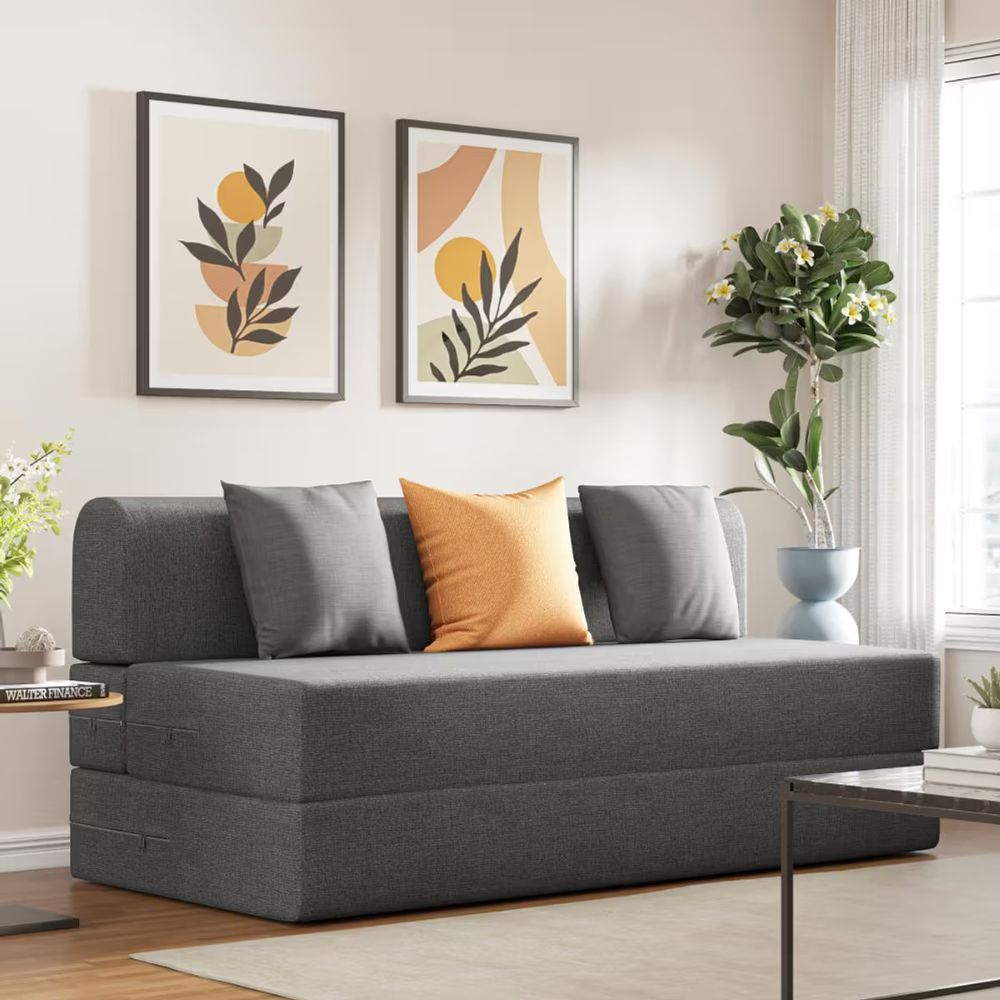
Colour has a profound effect on human emotion, behaviour, and perception a principle central to sofa psychology. In interior décor, understanding how colours influence mood can help you create a living room that feels inviting, energising, or relaxing, depending on your goals. As one of the largest visual elements in a space, a sofa not only anchors the room but also sets the tone for its overall energy, making the choice of colour especially significant.
Warm hues such as reds, oranges, and yellows stimulate energy and social interaction. They can make a room feel lively and vibrant, ideal for households that enjoy hosting gatherings. Conversely, cool colours like blues, greens, and muted purples are associated with calmness and relaxation. These tones help reduce stress, promote comfort, and encourage a serene atmosphere perfect for unwinding after a long day. Neutral shades like beige, grey, and soft taupe provide versatility and balance, offering a subtle backdrop that can harmonise with multiple décor styles while maintaining a sense of calm.
The sofa’s role in sofa psychology is critical because it dominates the visual field and interacts directly with other elements in the room, such as walls, lighting, and textiles. Selecting the best sofa colour for living room means considering how the shade will influence mood, complement other furnishings, and reflect personal style. A thoughtfully chosen colour can enhance comfort, stimulate positive emotions, and even affect how spacious or cosy the room feels.
By incorporating insights from colour psychology, homeowners can use their sofa as more than just seating it becomes a central piece that defines the room’s emotional and aesthetic experience, creating a space that feels intentional, welcoming, and aligned with the desired ambiance.
Cool Sofa Colours and Their Mood-Enhancing Magic
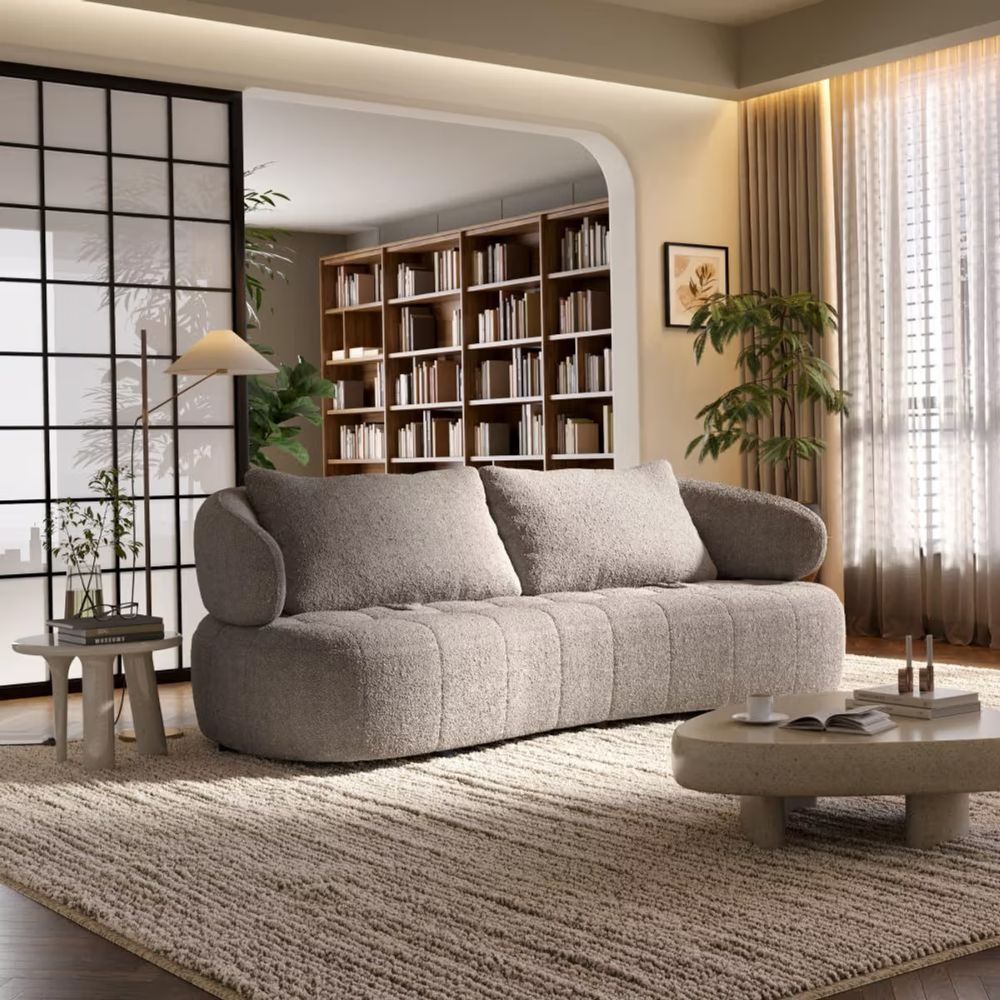
Choosing the right colour for your sofa can significantly influence the mood and atmosphere of your living room. Cool tones, including shades of blue, green, teal, soft mint, and grey-blues, are widely celebrated for their calming and balancing effects. These colours not only create a visually soothing environment but also help reduce stress and promote relaxation, making them ideal for modern living spaces.
A best sofa colour in soft blue or teal instantly evokes serenity, making it perfect for rooms where you want to unwind after a busy day. Green shades, from muted sage to deep forest, bring a sense of nature indoors, enhancing feelings of freshness and balance. These tones work harmoniously with neutral walls or wooden flooring, providing a subtle yet impactful style statement. Even soft mint or grey-blue hues add a touch of sophistication while maintaining a light, airy feel.
The best color of sofa set isn’t just about aesthetics; it’s about how the space feels. Cool-toned sofas create a relaxed, welcoming environment that encourages comfort and calm, making them ideal for both personal relaxation and social gatherings. Pairing these shades with complementary cushions, rugs, or throws can further enhance their mood-boosting effect while allowing flexibility in décor.
By choosing cool sofa colours, you not only elevate the visual appeal of your living room but also create a tranquil sanctuary. These calming tones make your seating area a go-to spot for relaxation, conversation, or quiet reflection, ensuring your space feels balanced and emotionally uplifting.
Neutral Sofa Colours and Their Timeless Emotional Influence
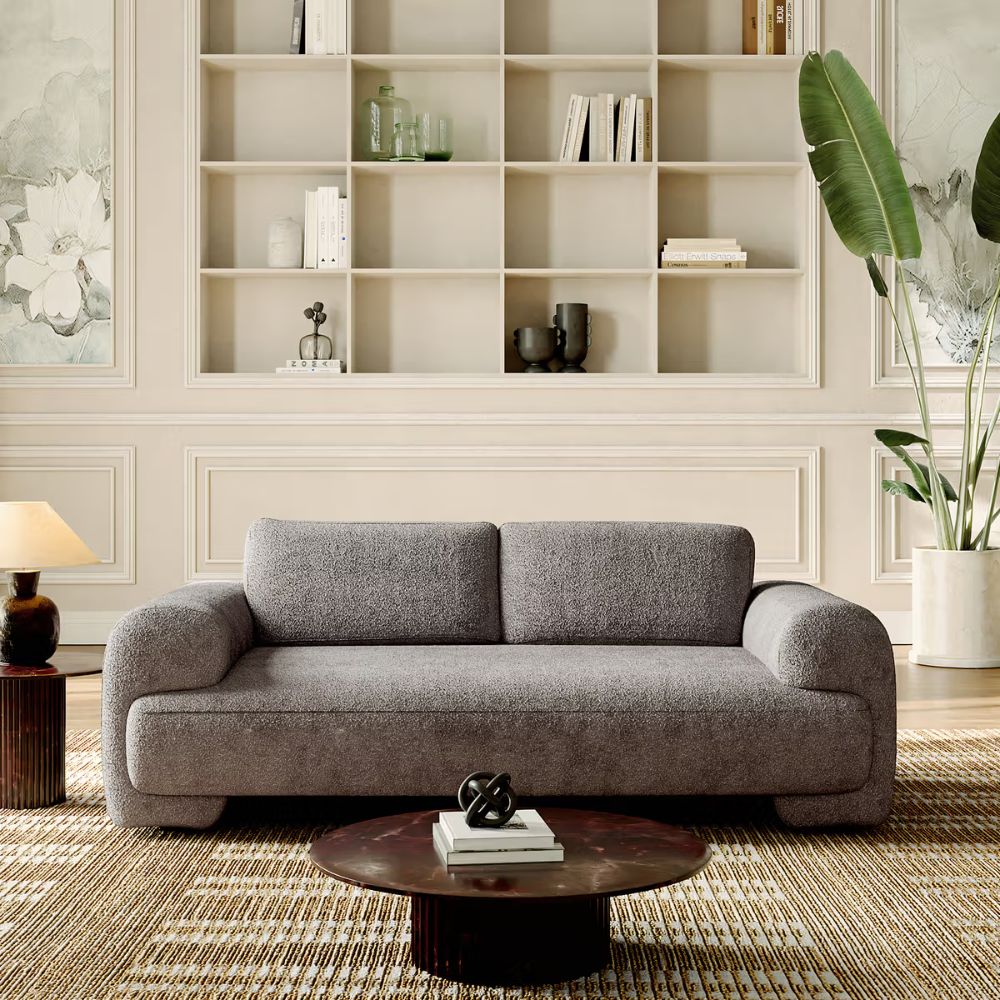
Neutral tones have long been celebrated in interior design for their versatility, elegance, and enduring appeal. Shades like grey, beige, cream, ivory, and taupe are not only visually soothing but also carry subtle emotional benefits, making them an ideal choice for any living room. Neutral sofa colours offer a timeless foundation that allows homeowners to experiment with textures, patterns, and accent pieces while maintaining a balanced and harmonious space.
One of the main advantages of neutral tones is their adaptability. A sofa in soft grey or beige can effortlessly blend with vibrant cushions, bold rugs, or statement artwork, giving you the freedom to update your décor seasonally without replacing key furniture pieces. Beyond aesthetics, neutral tones have a calming psychological effect. Soft shades like ivory and taupe evoke warmth, comfort, and a sense of stability, creating an environment that feels inviting and serene. Grey, with its subtle sophistication, provides a modern, understated backdrop that promotes relaxation and mental clarity.
Choosing neutral sofa colours also enhances the emotional flow of a room. These shades are less likely to evoke overstimulation, making them perfect for spaces intended for conversation, leisure, or quiet reflection. Their subtlety ensures the sofa remains a central piece without overwhelming the senses, striking a perfect balance between style and serenity.
In addition, neutral sofas offer practical benefits. They pair well with nearly any wall colour or flooring, making them a long-lasting choice that adapts to changing tastes. By investing in a sofa with timeless, neutral tones, you not only achieve a versatile and stylish living space but also create a calming and emotionally balanced environment that can be enjoyed for years.
How to Choose the Right Sofa Colour Based on Your Mood Needs
Choosing the right sofa colour is more than an aesthetic decision—it can significantly influence your mood, emotions, and overall living room experience. Understanding how different hues affect your psyche allows you to create a space that aligns with your emotional goals. When selecting the best colour of sofa, consider what feeling you want to evoke in your room.
For a calming and serene environment, cool tones like soft blues, greens, and muted teals are ideal. These colours promote relaxation, reduce stress, and create a peaceful atmosphere, making them perfect for bedrooms or living rooms where quiet reflection is a priority. If your goal is warmth and coziness, earthy neutrals such as beige, taupe, cream, or soft browns work beautifully. These shades foster a welcoming vibe and encourage conversation, comfort, and togetherness.
To infuse energy and vibrancy into your space, consider warm and bold tones like reds, oranges, or mustard yellows. These best colours for sofa sets stimulate social interaction and creativity, making them excellent choices for entertainment areas or open-plan living spaces. For those seeking a focus-driven, productive environment, subtle greys, soft navy, or muted charcoal provide a modern and sophisticated backdrop, helping maintain concentration and clarity without visual distraction.
Neutral shades, including ivory, light grey, and soft taupe, offer versatility and emotional balance. They adapt well to seasonal changes, décor updates, and different furniture styles, making them a safe yet stylish option for most living rooms.
By matching the best colour of sofa to your desired mood whether it’s calmness, energy, warmth, or focus you can transform your living room into a space that not only looks appealing but also supports your emotional and psychological well-being. Thoughtful colour selection ensures your sofa becomes both a design focal point and a source of comfort.
Matching Sofa Colours with Different Interior Styles
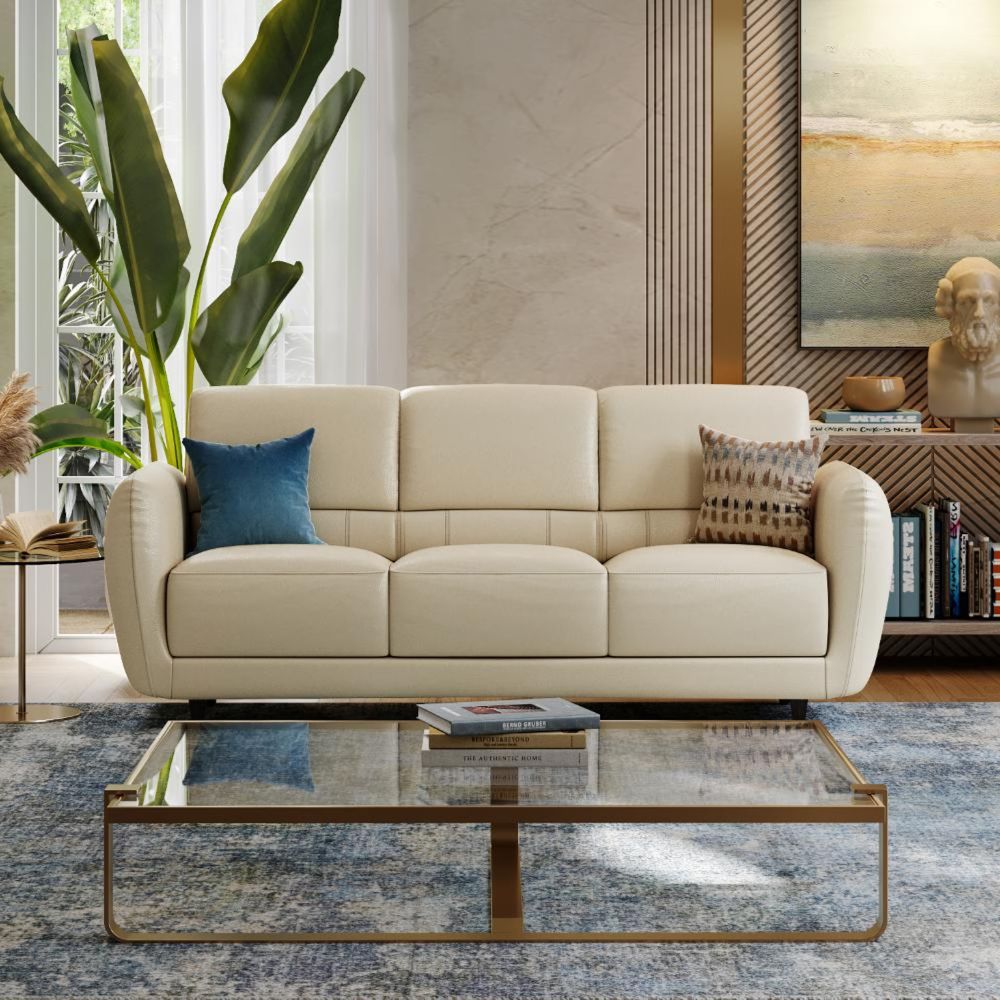
Selecting the right colour for sofa can elevate your living room by perfectly complementing your interior style. The sofa is often the centerpiece of a space, and its colour plays a key role in tying together furniture, décor, and wall treatments.
For modern and minimalist interiors, neutral shades like grey, beige, or ivory work best. These colour for sofa choices create a clean, understated look while allowing accent pieces such as cushions, rugs, and artwork to stand out. In contrast, contemporary or industrial-style spaces benefit from darker tones like charcoal, navy, or deep brown, which add sophistication and pair well with metal, wood, and concrete elements.
Scandinavian interiors, known for their light, airy, and functional designs, are enhanced by soft pastels, muted greens, or soft blues. These colour for sofa options contribute to a calm, inviting atmosphere while maintaining the simplicity and elegance characteristic of Scandinavian décor. Meanwhile, bohemian or eclectic interiors thrive with vibrant, bold colours such as burnt orange, teal, or mustard yellow, which add energy and reflect the playful, layered aesthetic of the style.
Classic or traditional interiors are well-suited to rich, warm tones like burgundy, chocolate, or olive green. These shades bring a sense of timeless elegance and pair beautifully with wood furniture, patterned rugs, and luxurious fabrics.
Choosing the right colour for sofa based on your interior style ensures harmony in design while enhancing the overall mood of the room. A thoughtfully coloured sofa not only anchors the space but also reflects your personal taste and the desired ambiance of your home.
FAQs
How does sofa colour affect my mood at home?
Sofa colour influences emotions and the overall vibe of your living room. Warm tones like reds and oranges energize and encourage social interaction, while cool tones like blues and greens promote calmness and relaxation. Neutral shades provide balance and a sense of stability.
Which sofa colours are best for creating a calm and peaceful environment?
Soft, cool tones such as light blue, muted green, soft mint, and neutral shades like beige or ivory are ideal. These colours reduce stress and create a soothing atmosphere, making your living space feel tranquil and inviting.
Which sofa colour is best for small living rooms?
Light neutrals like cream, soft grey, or pastel shades are the best choice for small living rooms. They reflect light, make the room feel more spacious, and maintain an airy, open vibe without overwhelming the space.
How do lighting conditions change how sofa colours look?
Natural and artificial lighting can significantly alter the appearance of sofa colours. Warm lighting can make colours appear richer and cozier, while cool lighting can make shades look sharper or slightly muted. It’s important to view the sofa under your room’s actual lighting before making a final choice.
Is a grey sofa a good choice for emotional comfort?
Yes, grey is a versatile and neutral shade that promotes balance and calmness. It pairs well with accent colours and décor elements, providing a serene backdrop that supports relaxation while remaining stylish and adaptable to different design themes.


No Comments