
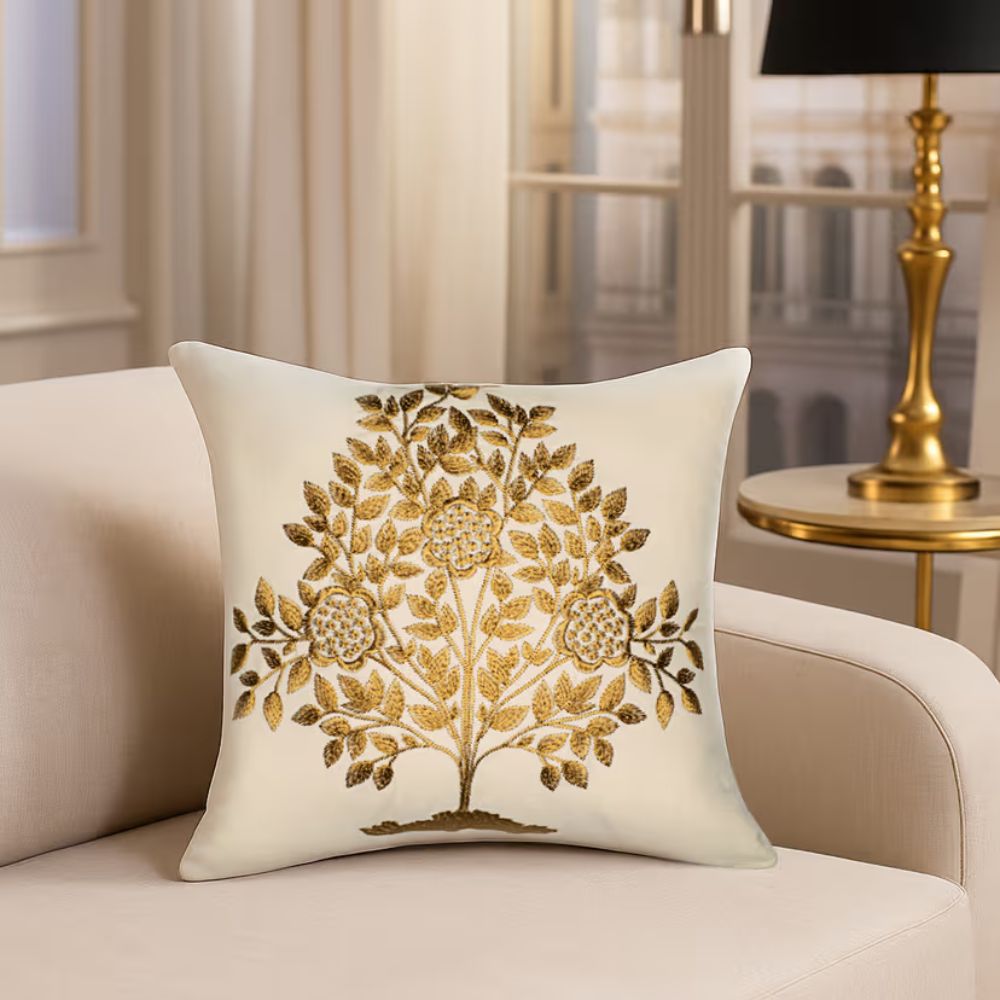

Cushions may seem like small decor additions, but they have the power to completely transform the look and feel of a space. Thoughtfully styled cushions add comfort, color, texture, and personality making them one of the easiest ways to refresh your interiors without investing in new furniture or major redesigns. Whether placed on sofas, beds, or accent chairs, cushions act as visual anchors that bring warmth and balance to a room.
When it comes to bed cushions styling, layering is key. Start with larger cushions at the back to create structure, then add medium and smaller cushions in front for depth. Mixing solid colors with subtle patterns helps maintain visual interest without cluttering the bed. Neutral bases paired with seasonal accent colors are a smart way to update your bedroom look throughout the year. The right cushion style bed arrangement not only enhances aesthetics but also makes the bed feel more inviting and hotel-like.
For sofas, cushions help soften rigid lines and make seating areas feel cozy. Combining different shapes square, rectangular, and even round cushions adds dimension. Playing with textures such as cotton, velvet, or woven fabrics can instantly elevate a plain sofa. On chairs, even a single well-chosen cushion can turn a functional seat into a styled statement piece.
Cushions also allow you to experiment with trends without long-term commitment. From bold prints to earthy tones, switching cushion covers is an easy, budget-friendly way to reflect changing tastes. With the right styling approach, cushions can effortlessly tie together your décor, making every space feel thoughtfully curated and refreshed.
Why Cushion Styling Matters in Home Decor
Cushions are more than just comfort accessories they are essential design elements that bring life and character to a space. Thoughtful cushion styling helps bridge the gap between functionality and aesthetics, making interiors feel warm, inviting, and visually complete. Whether in a living room, bedroom, or reading corner, cushions play a subtle yet powerful role in shaping the overall decor story.
One of the biggest advantages of cushion styling is the instant comfort it adds. Well-placed cushions support the back, arms, and neck, making sofas, beds, and chairs more relaxing for everyday use. Beyond comfort, cushions introduce color in a controlled and flexible way. Neutral furniture can be transformed with vibrant cushions, while colorful rooms can be balanced with muted tones allowing you to refresh your decor without repainting walls or replacing furniture.
Texture is another key reason cushion styling matters. Mixing fabrics such as cotton, linen, velvet, or woven materials adds depth and dimension to a room. Textured cushions prevent spaces from feeling flat, especially in minimalist or monochrome interiors. Even subtle changes in fabric finishes can create a layered, designer-inspired look.
Cushions also express personality. Patterns, prints, and shapes reflect individual taste and lifestyle, making a space feel personal rather than generic. From bold geometric designs to soft earthy tones, cushions let you experiment with trends easily and affordably. Seasonal updates become simple just switch cushion covers to match the mood.
In essence, cushion styling is one of the most versatile tools in home decor. It enhances comfort, elevates visual appeal, and allows creative freedom, all while keeping interiors dynamic and effortlessly stylish.
Understanding Cushion Sizes and Shapes
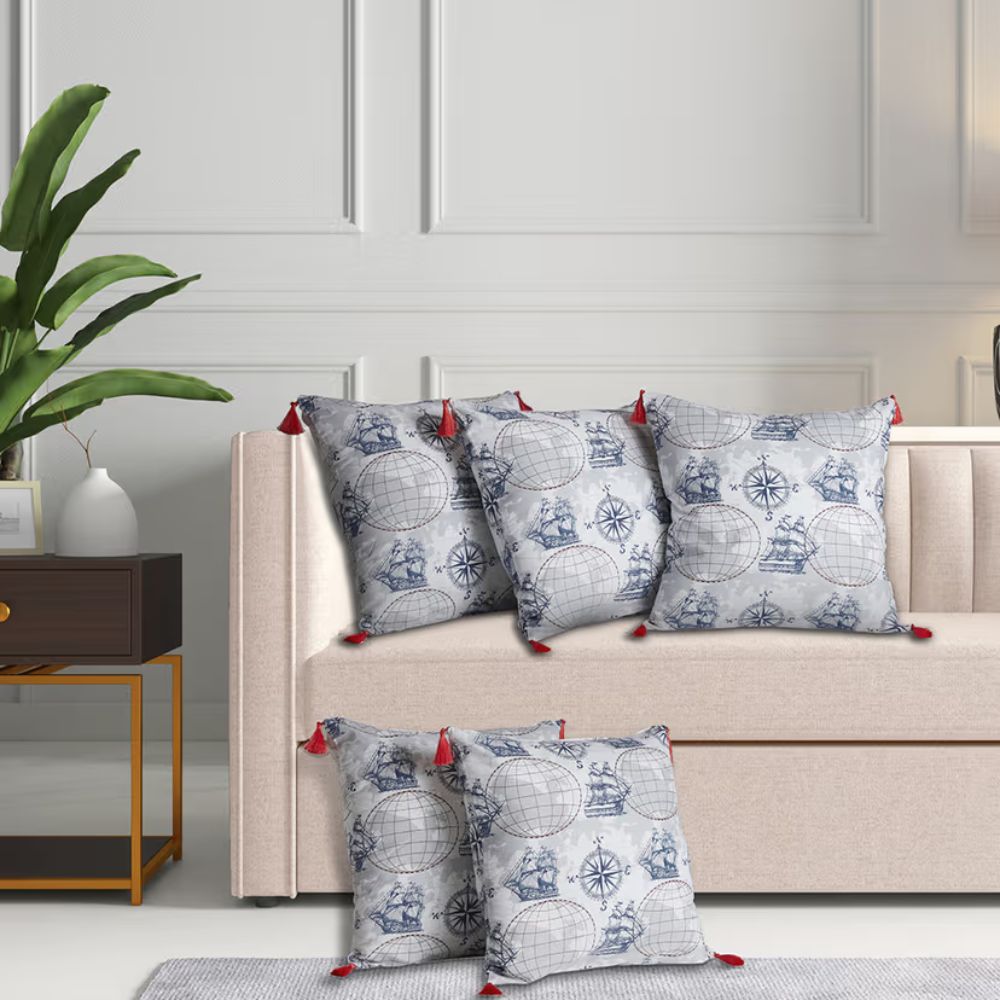
Choosing the right cushion sizes and cushion shape is key to creating a well-balanced and comfortable seating or sleeping space. Different cushion shapes serve different purposes some provide structure and support, while others add softness and decorative flair. Knowing how to mix and match them helps elevate your overall décor without overdoing it.
1. Square Cushions
Square cushions are the most commonly used and versatile option in home décor. Typically available in sizes like 16×16, 18×18, or 20×20 inches, they work well on sofas, beds, and lounge chairs. Square cushions provide excellent back support and form the base of most cushion arrangements. They are ideal for layering, allowing you to build depth by pairing them with smaller or differently shaped cushions. Their balanced proportions make them suitable for both modern and traditional interiors.
2. Rectangular and Lumbar Cushions
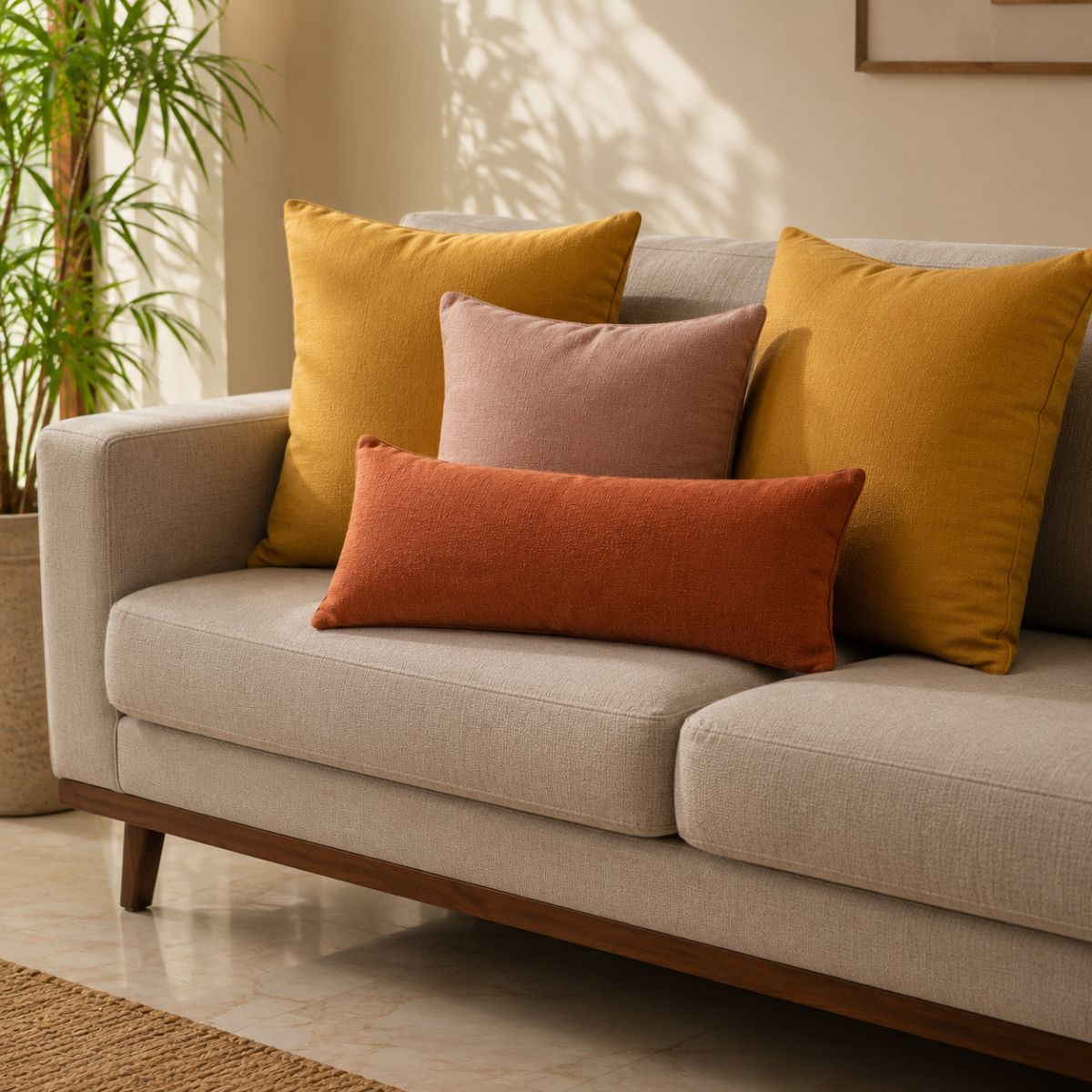
Rectangular cushions, often referred to as lumbar cushions, are designed for added comfort and ergonomic support. Commonly sized around 12×18 or 14×22 inches, they support the lower back and help improve seating posture. Rectangular cushions work beautifully in front of square cushions, breaking visual monotony and adding variety to your arrangement. They are especially popular on sofas, armchairs, and beds where extra lumbar support is needed without taking up too much space.
3. Round and Decorative Cushions
Round cushions and uniquely shaped decorative cushions are primarily used as accent pieces. They soften sharp lines and introduce visual interest to structured furniture. While they may not offer as much support as square or rectangular options, they add personality and charm. These cushions are perfect for occasional chairs, cozy corners, or layered styling where aesthetics take center stage.
Understanding cushion shapes and sizes helps create a cohesive, comfortable, and visually appealing décor setup.
How to Style Cushions for Sofas
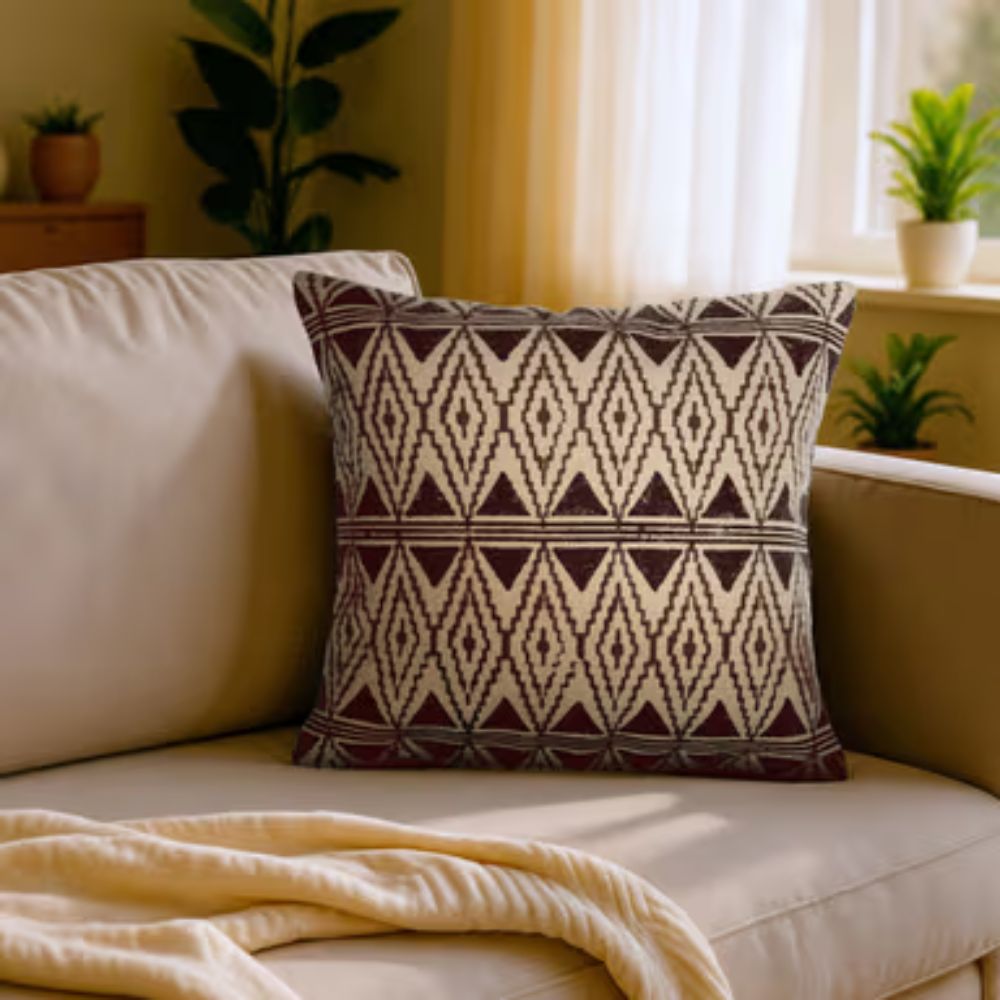
Styling cushions for sofas is one of the easiest ways to upgrade your living room without changing furniture. The right combination of number, color, pattern, and placement can instantly make a sofa look more inviting and well-designed. Whether your sofa is minimal, classic, or contemporary, cushion styling helps set the tone of the space.
1. Choosing the Right Number of Cushions
The number of cushions depends on sofa size and the look you’re aiming for. For a clean, uncluttered feel, fewer cushions work best. A three-seater sofa usually looks balanced with 3–5 cushions, while larger sofas can handle more. Using large cushions for sofa seating creates a plush, relaxed vibe and also provides better back support. On compact sofas or minimalist setups, even a single cushion sofa arrangement can look intentional and stylish when paired with the right fabric or color.
2. Mixing Colors and Patterns on Sofas
When mixing colors and patterns, start with a neutral base and build from there. Solid-colored cushions in beige, grey, or earthy tones act as anchors, while patterned or textured cushions add interest. Avoid using too many bold prints at once balance is key. A good rule is to stick to two or three complementary colors and vary patterns subtly, such as pairing geometrics with soft florals or stripes.
3. Symmetrical vs Asymmetrical Cushion Styling
Symmetrical styling, where cushions are placed evenly on both ends of the sofa, creates a formal and polished look. This works well in modern or traditional living rooms. Asymmetrical styling feels more relaxed and contemporary, often mixing cushion sizes and shapes for a casual, lived-in feel. Choose the style that best reflects your personality and how you use your space.
With thoughtful cushion styling, sofas can look effortlessly elegant and deeply comfortable.
How to Style Cushions for Beds
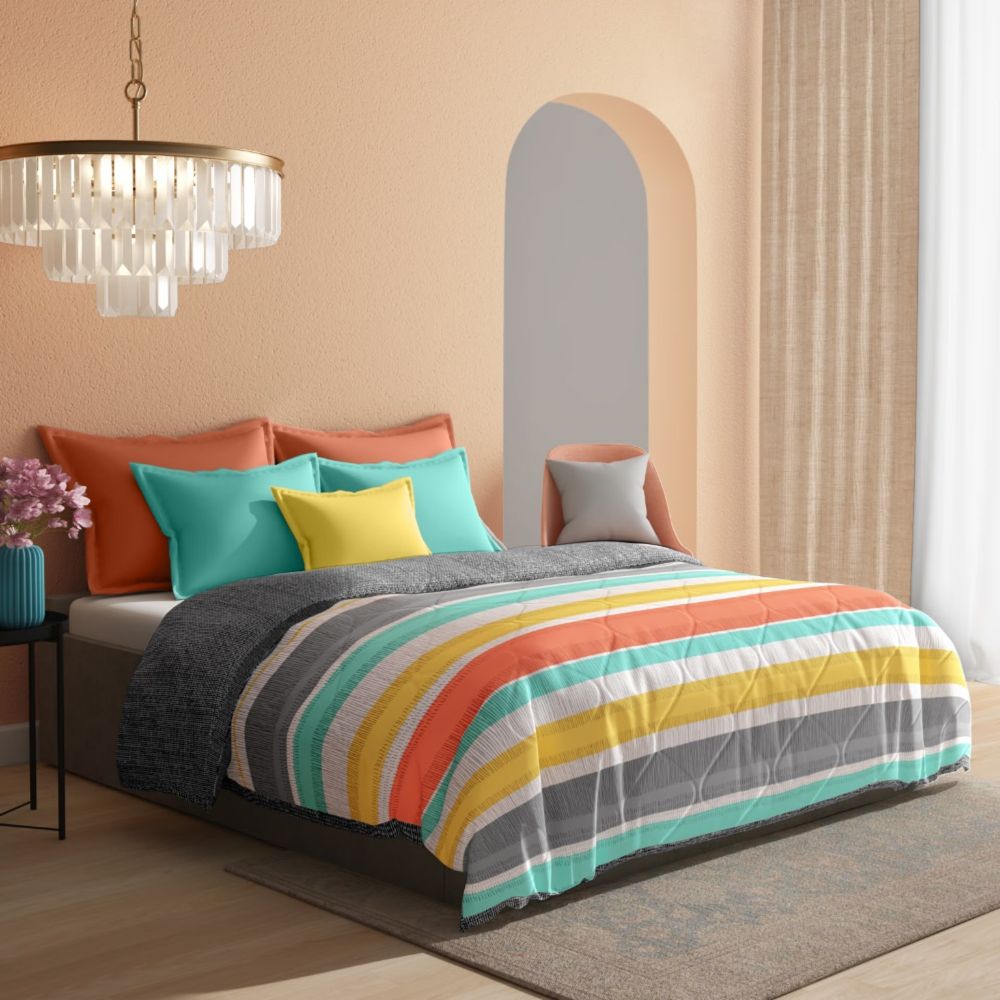
Styling cushions for beds is a simple yet effective way to elevate your bedroom’s look while adding comfort and personality. The right cushion arrangement can make a bed feel cozy, luxurious, and thoughtfully designed without overwhelming the space. From layering techniques to fabric choices, small details make a big difference.
1. Layering Cushions with Pillows
The key to a well-styled bed lies in smart layering. Start with your sleeping pillows placed neatly against the headboard. Add larger cushions or euro pillows behind for height and structure, then layer medium and smaller cushions in front. This creates depth and a visually appealing flow. Stick to odd numbers for a relaxed look or even numbers for a more formal arrangement. Properly layered cushions also make the bed feel plush and inviting.
2. Cushion Arrangement for Single, Queen & King Beds
Bed size plays a major role in how many cushions you should use. Single beds look best with minimal styling two pillows and one or two cushions keep the look clean and uncluttered. Queen beds can handle a fuller arrangement, typically with two sleeping pillows, two decorative cushions, and one accent cushion. King beds offer more styling freedom, allowing for multiple layers of cushions for beds that create a hotel-like aesthetic without feeling crowded.
3. Choosing Cushion Fabrics for Bedrooms
Fabric selection is essential for both comfort and mood. Soft, breathable fabrics like cotton and linen are ideal for everyday use, while velvet or textured weaves add a touch of luxury. Neutral tones promote calmness, while subtle patterns introduce visual interest. Seasonal fabric swaps are also a great way to refresh your bedroom style.
With thoughtful layering and fabric choices, cushions can transform any bed into a stylish retreat.
How to Style Cushions for Chairs
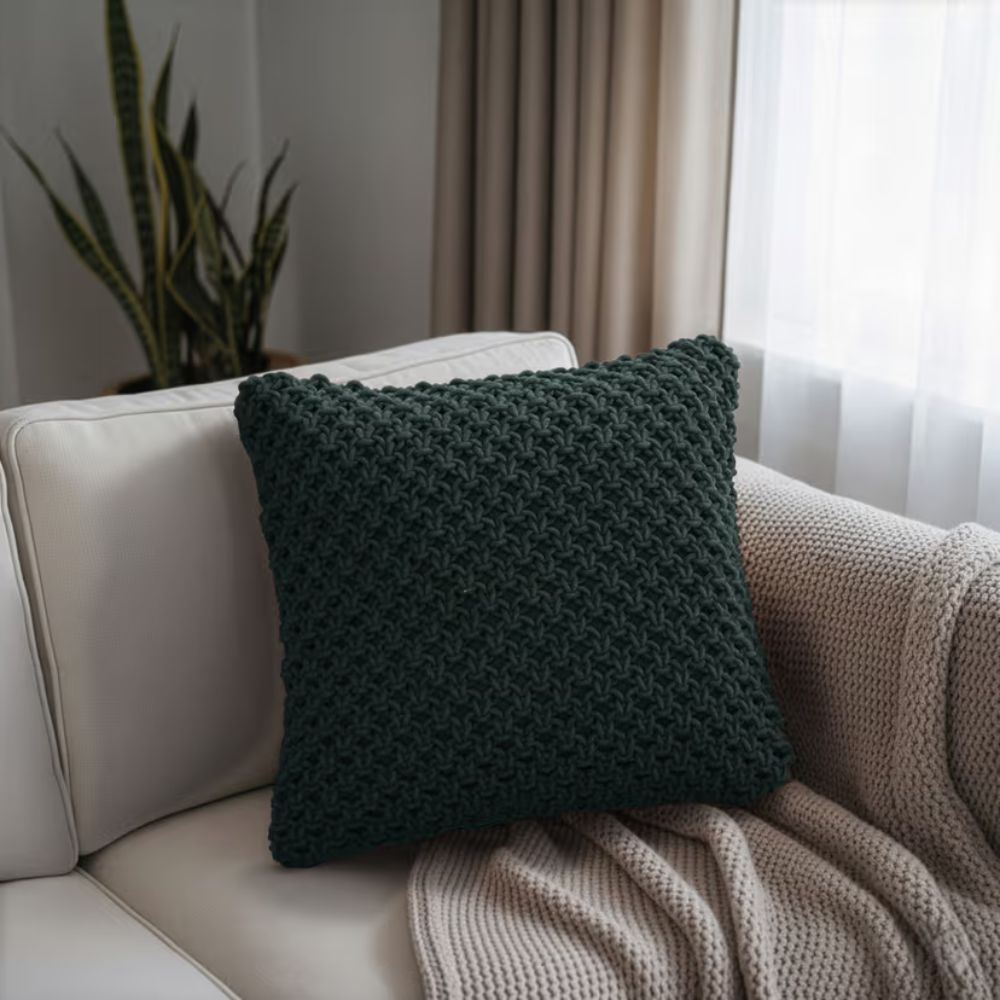
Cushions can instantly enhance the comfort and appearance of chairs, turning simple seating into inviting design elements. Whether it’s an accent chair, a lounge chair, or functional seating like dining and study chairs, the right cushions for chair styling brings both personality and practicality to your space.
1. Cushion Styling for Accent Chairs
Accent chairs are meant to stand out, and cushion styling helps highlight their role. A single well-chosen cushion is often enough to elevate the look without overpowering the chair’s design. For armchairs and loungers, lounge chair cushions provide added comfort while introducing color or texture. Choose cushions that contrast subtly with the chair upholstery think neutral chairs paired with patterned or textured cushions. For rocking chairs, comfort is key. Rocking chair cushions with secure ties and plush padding ensure support while maintaining a neat appearance, especially in reading corners or nurseries.
2. Cushions for Dining and Study Chairs
Functionality matters most when styling dining and study chairs. Dining chair cushions should be slim yet supportive, enhancing comfort without affecting posture or seat height. Neutral or easy-to-clean fabrics work best, especially in homes with kids. For study chairs, cushions can improve seating comfort during long hours of work or study. Opt for ergonomic designs that support the lower back while keeping the look simple and uncluttered.
Across all chair types, proportion is important oversized cushions can overwhelm smaller chairs, while undersized ones may look out of place. Fabric choice also matters; durable materials ensure longevity, especially for frequently used chairs.
With thoughtful cushion selection and placement, chairs become more comfortable, visually appealing, and seamlessly integrated into your overall decor.
FAQs
1. What cushion sizes work best for sofas and beds?
For sofas, square cushions in 18×18 or 20×20 inches work well as a base, paired with smaller rectangular or lumbar cushions for variety. For beds, larger cushions or euro pillows placed at the back create structure, while medium and small cushions layered in front add depth without cluttering the look.
2. How do I mix and match cushion colors?
Start with a neutral base that complements your furniture, then add one or two accent colors for contrast. Stick to a cohesive color palette inspired by your rug, curtains, or wall art to keep the overall look balanced and visually pleasing.
3. Can I mix patterned and plain cushions together?
Yes, mixing patterned and plain cushions creates visual interest. The key is balance—use solid-colored cushions to anchor the look and introduce patterns in moderation. Keeping a common color across both styles helps tie the arrangement together.
4. What cushion fabrics are best for everyday use?
Cotton and linen are ideal for daily use due to their breathability, durability, and easy maintenance. For high-traffic areas, blended fabrics and tightly woven materials hold up well while maintaining comfort.
5. How do I layer cushions on a bed properly?
Begin with sleeping pillows against the headboard, followed by larger decorative cushions. Place medium-sized cushions next, and finish with one or two smaller accent cushions in front. This layered approach adds depth, comfort, and a polished, hotel-inspired look.


No Comments