
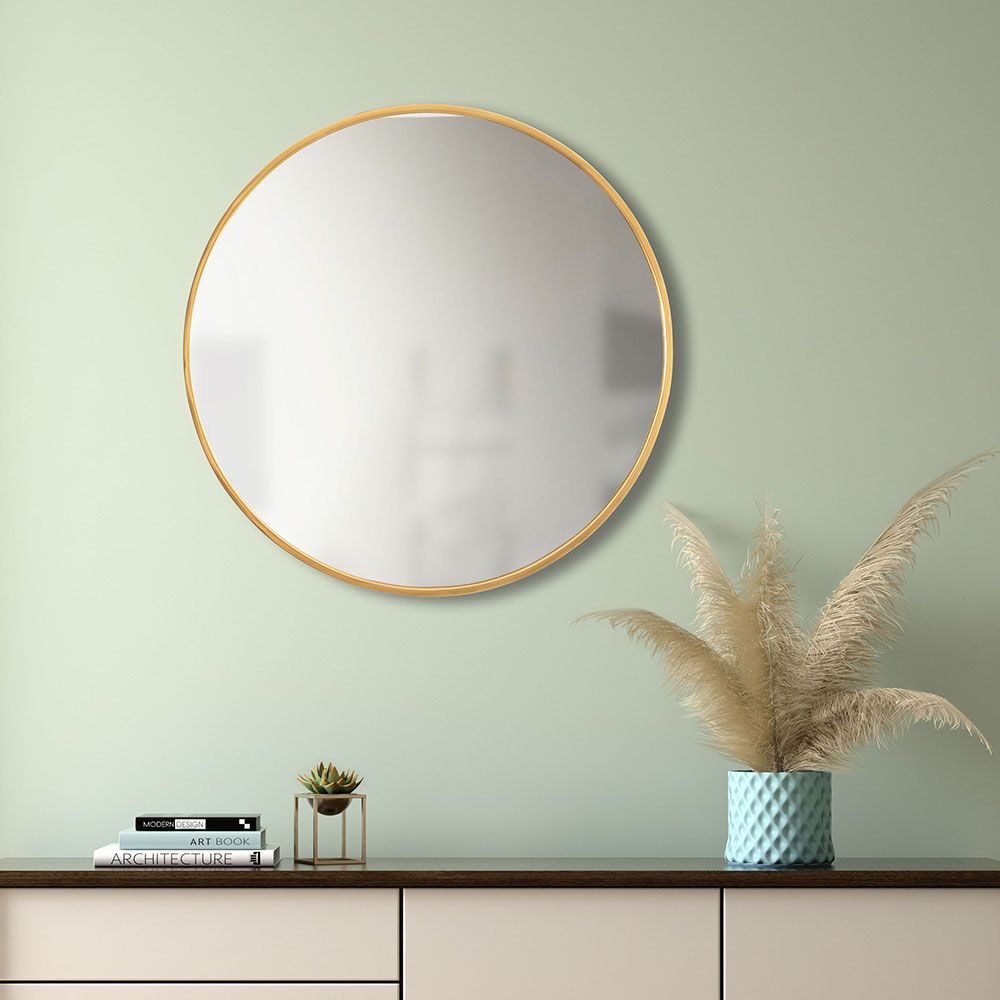

Wall mirrors are more than just functional decor elements they play a powerful role in shaping how a space looks and feels. Choosing the right wall mirror sizes and wall mirror shape can instantly enhance natural light, create the illusion of more space, and tie together your interior design effortlessly. Whether you’re decorating a compact apartment or a spacious home, the right mirror choice can elevate both style and functionality.
When selecting wall mirror sizes, always consider the scale of the wall and the furniture around it. Large mirrors work beautifully in living rooms or dining areas, where they can reflect light and make the room appear more open. In smaller spaces like entryways or bedrooms, medium-sized mirrors strike the perfect balance adding depth without overwhelming the wall. A common décor rule is to choose a mirror that’s slightly narrower than the furniture placed below it, such as a console table or dresser, to maintain visual harmony.
Equally important is the wall mirror shape, as it influences the overall mood of a room. Rectangular mirrors offer a clean, modern look and are ideal for contemporary or minimalist interiors. Round and oval mirrors soften sharp lines, making them perfect for cozy bedrooms, bathrooms, or Scandinavian-style homes. Abstract or irregular shapes work well as statement pieces, adding artistic flair to neutral spaces.
Ultimately, the right combination of wall mirror sizes and wall mirror shape should complement your room’s layout, lighting, and décor theme. Thoughtfully chosen mirrors not only enhance aesthetics but also make your home feel brighter, larger, and more inviting.
Standard Wall Mirror Sizes Explained
Understanding wall mirror sizes makes it easier to choose a mirror that complements your space without overwhelming it. Mirrors are generally categorized into three size ranges small, medium, and large each suited to different rooms, layouts, and décor needs.
1. Small Wall Mirrors
Small Wall Mirrors typically range from 12 to 24 inches in width or height. These mirrors work best in compact spaces where function meets subtle style. They’re ideal for powder rooms, entryways, dressing corners, or as accent pieces in gallery-style wall arrangements. Small mirrors add light and visual interest without dominating the wall. When used in multiples, they can create a decorative focal point while maintaining a light, airy feel perfect for apartments or rooms with limited wall space.
2. Medium Wall Mirrors
Medium Wall Mirrors usually measure between 24 and 36 inches. This is one of the most versatile wall mirror sizes, offering a balanced mix of practicality and design impact. Medium mirrors are commonly used above consoles, vanities, or sideboards, where they anchor furniture and enhance symmetry. They suit bedrooms, dining areas, and living rooms, providing enough reflective surface to brighten the room while maintaining proportional harmony with surrounding décor.
3. Large Wall Mirrors
Large Wall Mirrors start at around 36 inches and can extend well beyond 60 inches in width or height. These mirrors are statement pieces designed to visually expand a room. Perfect for living rooms, hallways, or bedrooms, large mirrors reflect more light and create a strong sense of depth. Floor-length or oversized wall-mounted options are especially effective in smaller homes, where they make spaces feel larger, brighter, and more open. Choosing the right wall mirror sizes ensures both aesthetic appeal and functional balance throughout your home.
How to Choose the Right Mirror Size for Each Room
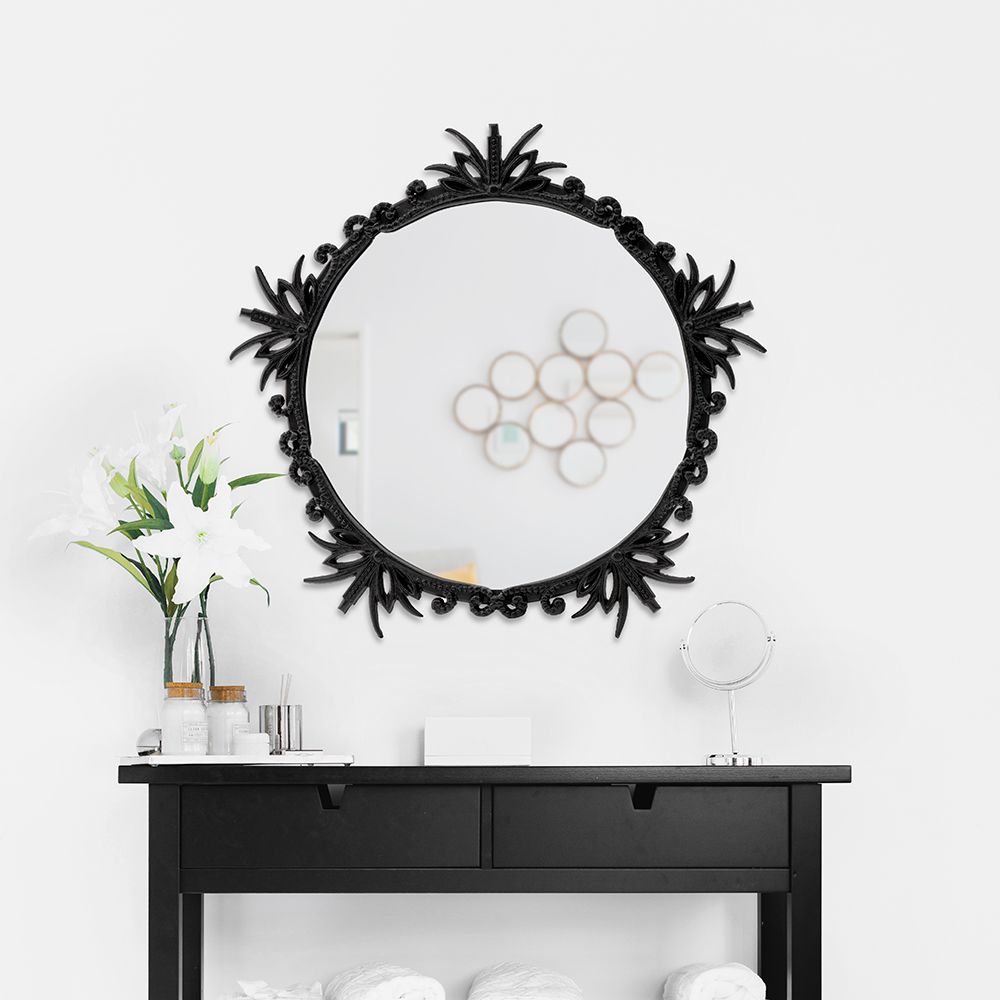
Choosing the right mirror size isn’t just about aesthetics it’s about balance, function, and how the mirror interacts with the room’s layout and lighting. Each space in your home has different visual and practical needs, which is why selecting mirrors room by room makes a noticeable difference.
1. Living Room Wall Mirrors
Living Room Wall Mirrors should complement furniture proportions and wall dimensions. Large or medium-sized mirrors work best here, especially when placed above a sofa, console table, or fireplace. A mirror that spans at least two-thirds the width of the furniture below it creates visual harmony. Oversized mirrors can make smaller living rooms feel more open by reflecting light from windows, while vertically oriented mirrors add height to rooms with low ceilings. Avoid mirrors that are too small, as they may feel disconnected from the surrounding décor.
2. Bedroom Wall Mirrors
When it comes to Bedroom Wall Mirrors, functionality and personal use matter most. Full-length or tall mirrors are ideal for dressing areas, while medium-sized mirrors work well above dressers or side tables. The mirror should be wide enough to reflect your upper body comfortably without overwhelming the wall. In compact bedrooms, choosing a vertical mirror helps save floor space while creating the illusion of depth. Placement is key position mirrors where they enhance light without directly facing the bed if glare is a concern.
3. Bathroom Wall Mirrors
Bathroom Wall Mirrors require precise sizing for both practicality and style. The mirror should typically match or be slightly narrower than the vanity below it. For single vanities, medium-sized mirrors are sufficient, while double vanities benefit from either one wide mirror or two individual mirrors. Height also matters the mirror should extend high enough for all users to see clearly without crowding the wall. Properly sized bathroom mirrors improve lighting, streamline daily routines, and keep the space visually balanced.
By choosing mirror sizes thoughtfully for each room, you create a home that feels cohesive, functional, and effortlessly stylish.
Popular Wall Mirror Shapes and Their Uses
Choosing the right wall mirror shape plays a crucial role in defining the mood and visual flow of a space. Different shapes influence how a room feels some add structure, others soften sharp lines, while a few make bold style statements. Understanding how each mirror shape works helps you align décor choices with your home’s overall design theme.
1. Rectangular Wall Mirrors
Rectangular Wall Mirrors are the most versatile and widely used option. Their clean lines make them ideal for modern, minimalist, and contemporary interiors. These mirrors work exceptionally well above console tables, sofas, dressers, and bathroom vanities. Vertically placed rectangular mirrors enhance ceiling height, while horizontal ones widen the visual space of a room. Their structured shape brings balance and order, making them perfect for functional areas like bathrooms, hallways, and bedrooms.
2. Round Wall Mirrors
Round Wall Mirrors are known for their ability to soften a space. With no sharp edges, they add warmth and fluidity to interiors dominated by straight lines and angular furniture. These mirrors are often used as statement pieces in living rooms, entryways, and bedrooms. A round mirror above a sideboard or washbasin introduces visual contrast and creates a relaxed, inviting feel. They pair beautifully with Scandinavian, bohemian, and modern décor styles.
3. Oval Wall Mirrors
Oval Wall Mirrors offer a graceful blend of structure and softness. They bring an elegant, elongated look that works well in bedrooms and dressing areas. Their subtle curves add sophistication without overpowering the décor. Oval mirrors are especially effective in compact spaces, as their vertical orientation enhances height while maintaining visual lightness.
4. Square Wall Mirrors
Square Wall Mirrors deliver symmetry and boldness. They are ideal for contemporary and geometric interior styles where clean proportions matter. Used individually or in grid patterns, square mirrors create strong visual impact and are perfect for accent walls, living rooms, or modern bathrooms.
Selecting the right mirror shape ensures your space feels cohesive, balanced, and thoughtfully designed.
Choosing Mirror Shapes Based on Interior Style
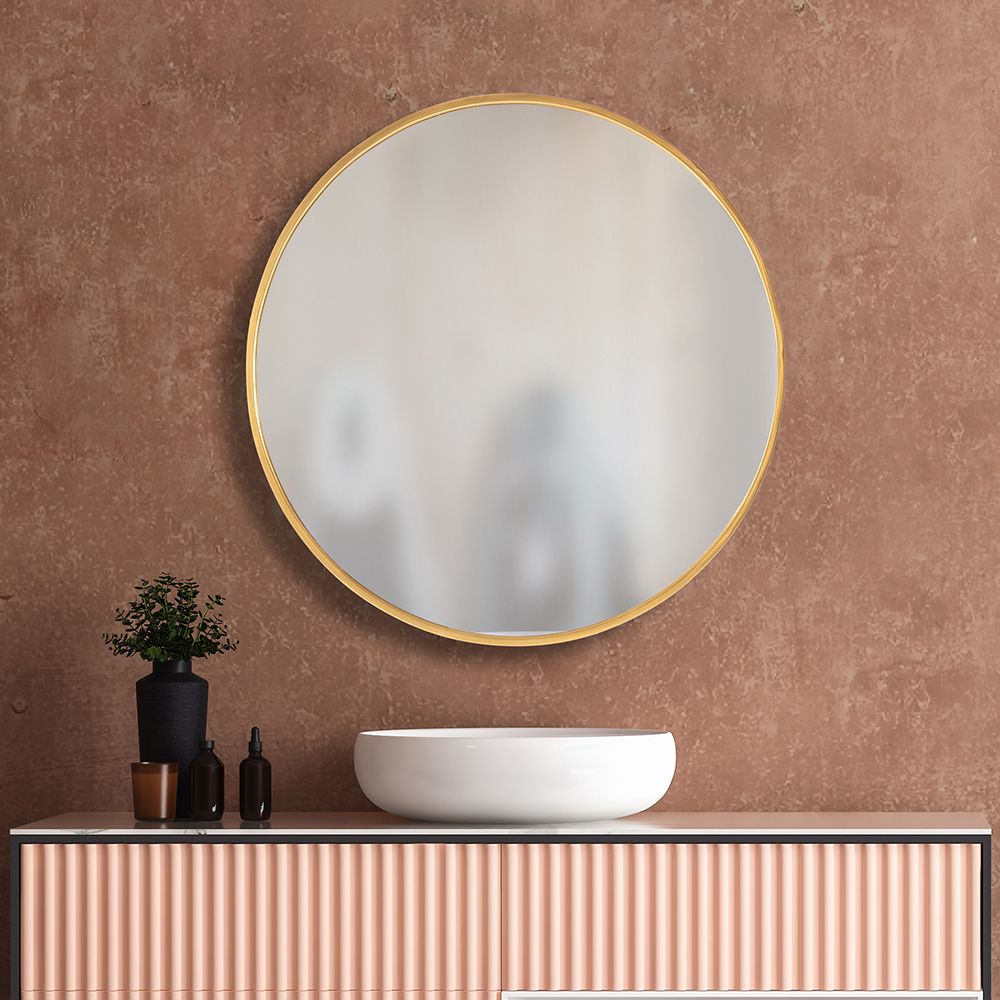
Selecting the right mirror goes beyond size it’s about matching the shape to your décor theme. The right wall mirror style can elevate your interiors, tie design elements together, and enhance the overall aesthetic. Different interior styles call for different mirror shapes, finishes, and visual weights, making this choice an important design decision.
1. Modern and Minimal Interiors
Modern and minimalist homes thrive on clean lines, simplicity, and functionality. For these spaces, mirrors with sharp edges and uncluttered designs work best. Rectangular and square mirrors with slim frames or frameless finishes complement neutral color palettes and streamlined furniture. A mid century modern mirror, often featuring subtle curves, warm wood frames, or geometric accents, fits beautifully into modern spaces while adding a touch of character. These mirrors balance form and function without overwhelming the room, making them ideal for living rooms, bedrooms, and home offices.
2. Classic and Traditional Homes
Classic interiors lean toward timeless elegance and refined detailing. Oval and arched mirrors are especially well-suited for these settings, as their soft curves echo traditional architectural elements. Decorative frames in wood, antique finishes, or metallic tones enhance the richness of classic décor. Larger mirrors with ornate borders work well in dining areas, hallways, and bedrooms, adding depth while reinforcing a sense of luxury and symmetry within the space.
3. Contemporary and Eclectic Spaces
Contemporary and eclectic interiors allow for more creativity and contrast. Here, bold shapes and unconventional designs shine. A statement contemporary mirror with asymmetrical edges, mixed materials, or unique framing can become a focal point in the room. Round, abstract, or irregular-shaped mirrors work particularly well in eclectic settings, layering visual interest and personality. These mirrors pair effortlessly with vibrant colors, mixed textures, and artistic décor elements.
By aligning mirror shapes with your interior style, you ensure visual harmony while enhancing light, space, and character throughout your home.
FAQs
1. What mirror size works best for living rooms?
For living rooms, medium to large mirrors usually work best. A mirror should ideally be about two-thirds the width of the furniture placed below it, such as a sofa or console table. This proportion keeps the space visually balanced while making the room feel brighter and more spacious.
2. What is the best height to hang a wall mirror?
A wall mirror should generally be hung at eye level, with the center of the mirror around 55–60 inches from the floor. In areas like dining rooms or above furniture, the height may vary slightly, but the goal is to ensure comfortable viewing without straining the neck.
3. Should a mirror match the size of the furniture below it?
Yes, proportion matters. A mirror doesn’t have to match the furniture size exactly, but it should complement it. Ideally, the mirror should be narrower than the furniture below, creating a cohesive and intentional look rather than appearing oversized or undersized.
4. How do I choose a mirror shape based on my interior style?
Choose shapes that echo your décor theme. Rectangular and square mirrors suit modern and minimalist interiors, while round and oval mirrors soften traditional or cozy spaces. For bold interiors, statement or asymmetrical mirrors add personality and act as décor highlights.
5. What type of mirror is best for entryways and hallways?
Entryways and hallways benefit from tall rectangular or oval mirrors. These shapes reflect more light, make narrow spaces feel wider, and are practical for quick last-minute checks before stepping out. Framed mirrors also add a welcoming, styled touch to these transitional areas.

No Comments