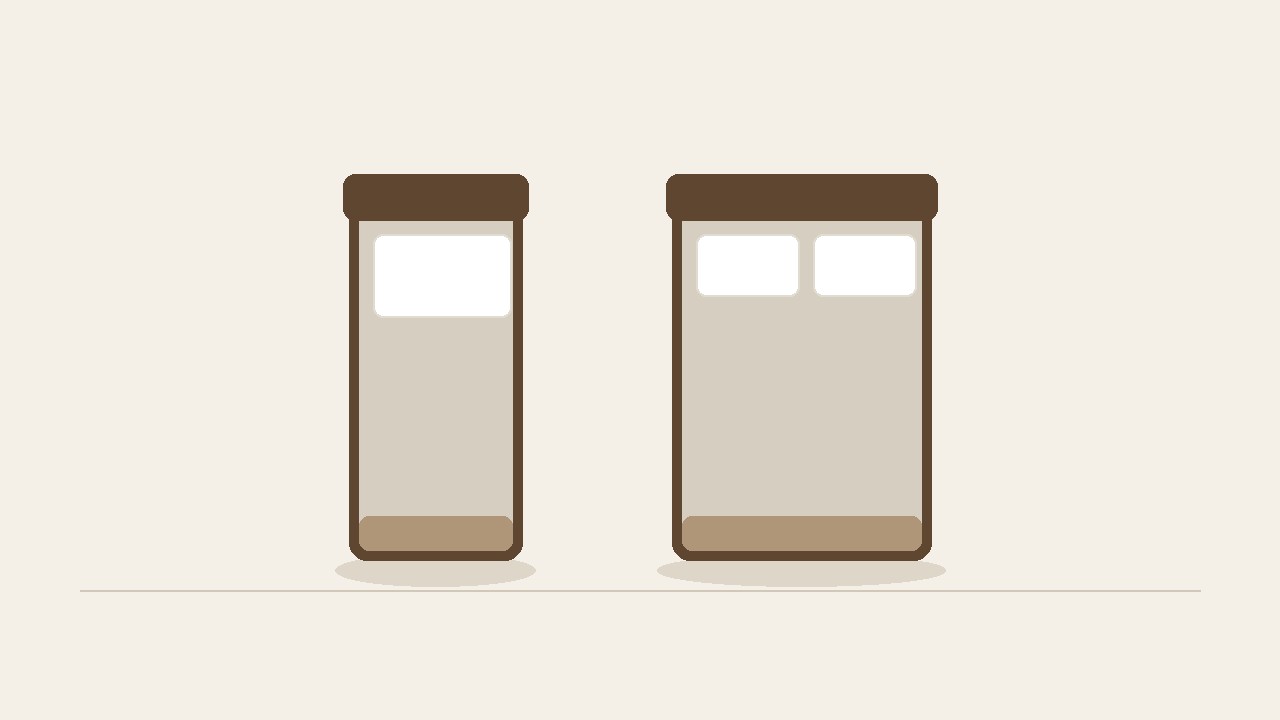

A single bed is 36 inches wide. A double is 48 inches wide. That extra foot of space is a noticeable upgrade – enough that most couples choose a double over a single, and solo adults in larger rooms often prefer the extra room too. For a child’s bedroom or a compact guest room, a single is the more practical call. This guide breaks down the standard dimensions, who each size suits, and what to check before deciding.
Understanding Single and Double Bed Sizes
Both sizes share the same standard length in India – 72 inches (6 feet). The difference is in width, and that one dimension shapes most of the decision.
Standard Single Bed Dimensions
A single bed is 36 inches (91 cm / 3 feet) wide and 72 inches (183 cm / 6 feet) long. Some variants extend to 75 inches in length for taller sleepers. It’s the smallest standard bed size – compact, space-efficient, and the default for children’s rooms and guest rooms across India.
Standard Double Bed Dimensions
A double bed is 48 inches (122 cm / 4 feet) wide and 72 inches (183 cm / 6 feet) long – a full foot wider than a single at the same length. This size is also labeled “Diwan” at some retailers. It comfortably fits two adults, and gives a solo sleeper generous room to stretch without the footprint of a queen.
Single vs Double Bed Size: Comparison Chart
| Feature | Single Bed | Double Bed |
|---|---|---|
| Width (inches) | 36 inches | 48 inches |
| Length (inches) | 72 inches | 72 inches |
| Width (cm) | 91 cm | 122 cm |
| Length (cm) | 183 cm | 183 cm |
| Width (feet) | 3 feet | 4 feet |
| Length (feet) | 6 feet | 6 feet |
| Space per sleeper (shared) | Not designed for two | 24 inches each |
| Minimum room size | 8 x 10 feet | 10 x 10 feet |
| Best for | Children, solo adults, guest rooms | Couples, solo adults wanting more space |
For reference: a queen size mattress is 60 x 75 inches – 12 inches wider than a double and 3 inches longer. A king is 72 x 75 inches. The double sits comfortably between single and queen, and is the most widely chosen size for couples in India.
Who Should Choose a Single Bed?
A single is the natural fit for children’s bedrooms. The 36-inch width is comfortable through childhood and into the teenage years, and keeps enough floor space free for a desk, wardrobe, and movement – things that matter more in a young person’s room than extra mattress width. Bunk beds are also built on single dimensions, making it the default for shared kids’ rooms.
Single Adults and Solo Sleepers
For adults who sleep alone in smaller rooms, a single is a practical choice. It leaves usable floor space that a larger bed would consume. Adults who sleep in a fairly contained position rarely feel constrained by the 36-inch width – it’s only when you actively sprawl or shift positions frequently that the extra width of a double becomes noticeable.
Compact Bedrooms and Guest Rooms
Guest rooms are where a single makes the most practical sense. A room sitting empty most of the year doesn’t need its floor dominated by a large bed. A single frees meaningful space for a desk or storage, and a solo guest sleeping alone won’t notice the difference in width from a double.
Who Should Choose a Double Bed?
A double is the most common adult bed size in India for good reason – it works well for couples and gives solo sleepers genuine room to stretch without requiring a large bedroom.
Couples and Shared Sleeping
A double gives two people 24 inches each – enough for comfortable, uninterrupted sleep for most couples. It’s the standard choice for couples across India, and works particularly well in bedrooms between 10 x 10 and 10 x 12 feet where a queen-size bed would leave too little clearance around the sides. Couples who both sleep relatively still tend to find a double more than adequate; those who move significantly during the night may eventually want the extra width of a queen.
Adults Who Prefer Extra Space
For a solo sleeper upgrading from a single, a double is a meaningful step up – a full foot more width to move around in, at a lower cost and smaller footprint than a queen. In a 10 x 10-foot bedroom, a double fits cleanly with clearance on both sides; a queen often makes the room feel tight.
Larger Bedrooms
In rooms 10 x 12 feet or larger, a double fits well and leaves space for furniture on either side. A queen would fill a larger room more proportionally, but a double remains a solid, practical choice when mattress size isn’t the priority decision.
Factors to Consider When Choosing Between a Single and Double Bed
Start with your room dimensions. Subtract 24 inches of clearance on each accessible side of the bed and check what remains. A single needs roughly 8 x 10 feet; a double needs a 10 x 10-foot minimum with furniture around it. That constraint alone often decides things before you get to personal preference.
Consider who will use the bed. One person who sleeps fairly still: either size works, and the room decides. One person who moves or stretches: a double is noticeably more comfortable. Two adults: a double is the practical standard and handles most couples well. A child through their teenage years: a single is the right choice.
Sleeping position matters more than most people expect. Side sleepers curled on their half rarely feel a single’s width as restrictive. Back sleepers and those who shift positions through the night use more of the mattress surface – the extra foot of a double makes a real difference to them.
A single bed mattress and a double bed mattress are both available across the same range of comfort types – size doesn’t restrict your mattress options. The double costs about 15-20% more than the equivalent single, simply due to surface area.
Think about how the room will be used over the next few years. A children’s room that will double as a study, or a guest room in a compact apartment, is better served by a single that keeps options open. A primary bedroom with a stable occupant is worth the double investment – it’s the bed you sleep in every night.
How to Maintain Your Mattress for Long-Lasting Comfort
Whether you go with a single or double, a good mattress lasts 8-10 years with basic care. Most people skip maintenance and wonder why it underperforms at year five. Four habits make the biggest difference:
Rotate it every 3-6 months. End-to-end rotation spreads wear evenly and prevents permanent body impressions from forming in one spot. Most mattresses today aren’t designed to be flipped – check the label – but rotation is always safe.
Use a mattress protector from day one. It keeps dust, moisture, and allergens from reaching the foam layers beneath. Costs a fraction of the mattress; prevents damage that voids most warranties and significantly extends usable life.
Clean it periodically. Vacuum the surface every few months using the upholstery attachment. For stains, use a mild detergent and cold water – never soak the foam. For a full cleaning process by stain type, the mattress cleaning guide covers it step by step.
Keep it ventilated. Humidity is the main threat to mattress longevity in India. In monsoon months, ensure the bedroom gets airflow. A slatted or perforated base allows air under the mattress; a sealed solid base traps moisture and accelerates foam degradation. A persistent musty smell means the foam has absorbed moisture – air it out in a ventilated room for a full day.
Frequently Asked Questions
What is the difference between a single bed and a double bed?
Width. A single is 36 inches wide; a double is 48 inches wide – a full foot more. Both are 72 inches long in the standard Indian size. The extra width is what makes a double the standard choice for couples and adults who want room to move during sleep.
What are the standard dimensions of a single bed in India?
36 x 72 inches (91 x 183 cm / 3 x 6 feet). Some variants come in 36 x 75 inches for taller sleepers.
What are the standard dimensions of a double bed in India?
48 x 72 inches (122 x 183 cm / 4 x 6 feet). Width is a foot more than a single; length is the same.
Is a double bed bigger than a single bed?
Yes – 12 inches (one foot) wider, same length.
Which is better for a small bedroom: a single or double bed?
A single. In a room under 10 x 10 feet, a double leaves minimal side clearance after furniture placement. A single keeps the room usable while providing a comfortable sleeping surface.
Can two adults sleep comfortably on a double bed?
Yes – a double is the most common choice for couples in India and works well for two adults. Each person gets 24 inches of width, which is comfortable for most sleeping styles. Couples who both move a lot during the night may find a queen gives them more room, but a double handles everyday couple sleep without issues.
Is a single bed suitable for adults?
Yes, for solo sleepers in compact rooms or guest rooms. Adults who sleep in a contained position and want to keep floor space free find a single perfectly comfortable.
How do I choose between a single and double bed?
Start with room dimensions and subtract 24 inches of clearance on each side. Then factor in number of sleepers and sleep style. If the room fits a double comfortably, it’s usually the better long-term investment – more space to move, and it works for couples if your circumstances change.
Does the mattress size need to match the bed frame dimensions?
Yes. Mattress and inner frame should match within a centimetre or two. Always measure the inner frame before ordering.
Which bed size is best for a guest room?
A single for a solo-guest room that also serves as a study – it leaves the most usable floor space. A double if the room regularly hosts couples or is a dedicated guest room with space to accommodate it.