
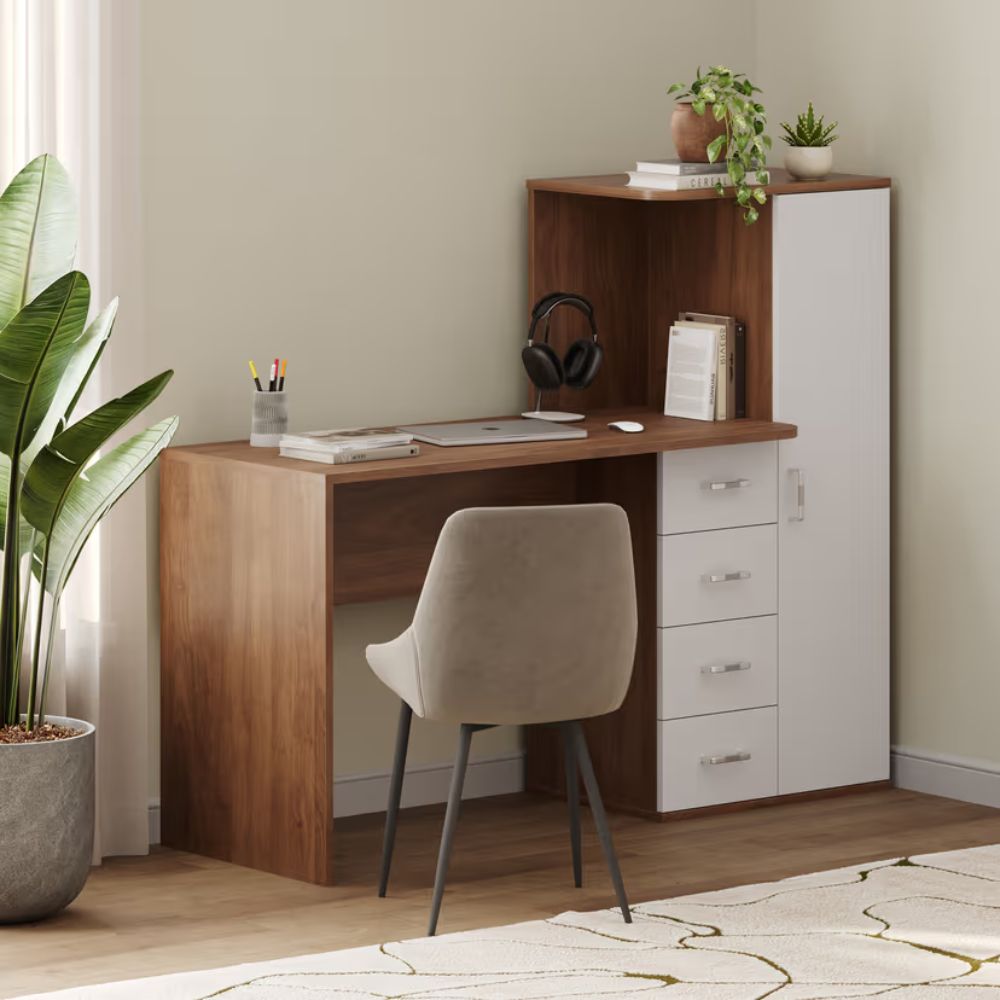

Choosing between a study table with storage and a study table without storage can feel like a small decision but it significantly impacts your productivity, organization, and overall workspace experience. Whether you’re a student managing books and notes, a professional working from home, or someone setting up a minimal study corner, the right table can make all the difference.
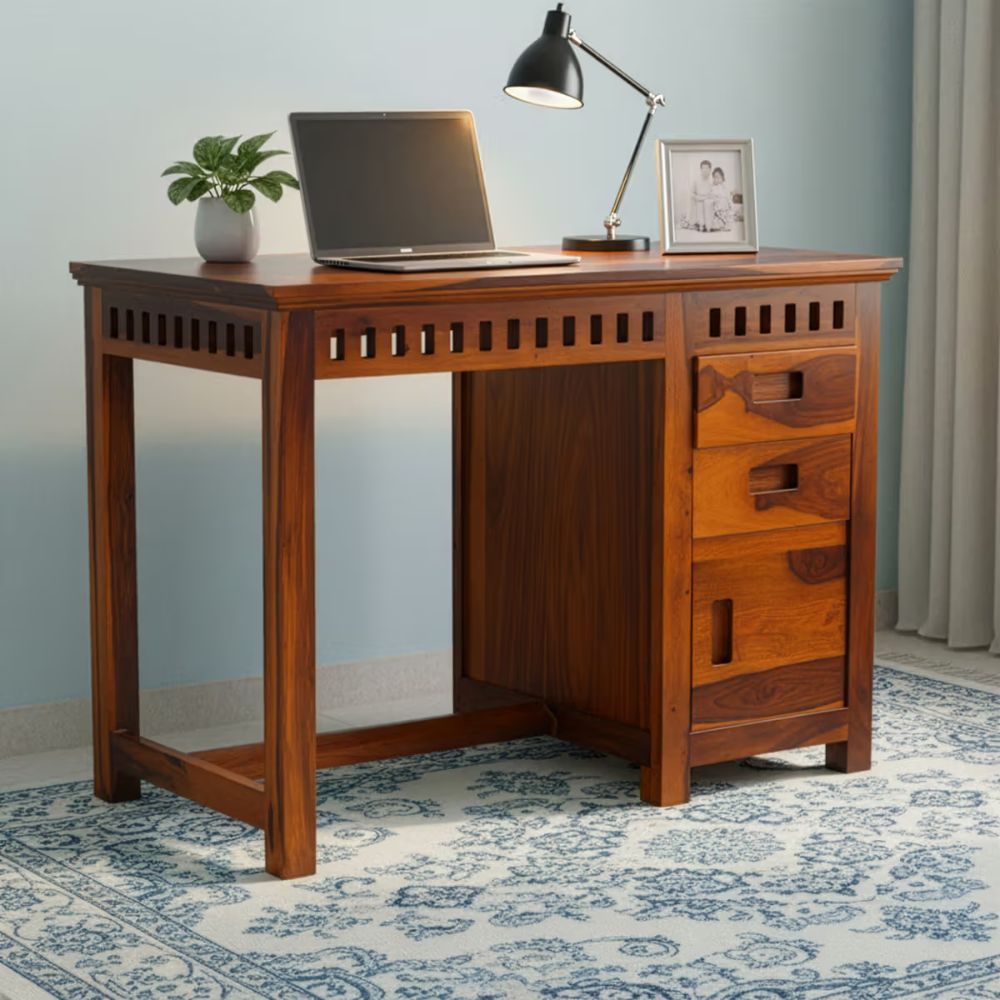
A study table with storage is ideal for those who prefer everything within arm’s reach. Built-in drawers, shelves, or cabinets help keep essentials like stationery, documents, and gadgets neatly organized. This reduces clutter on the tabletop and creates a more structured environment, which can improve focus and efficiency especially in compact spaces where additional storage units aren’t practical.
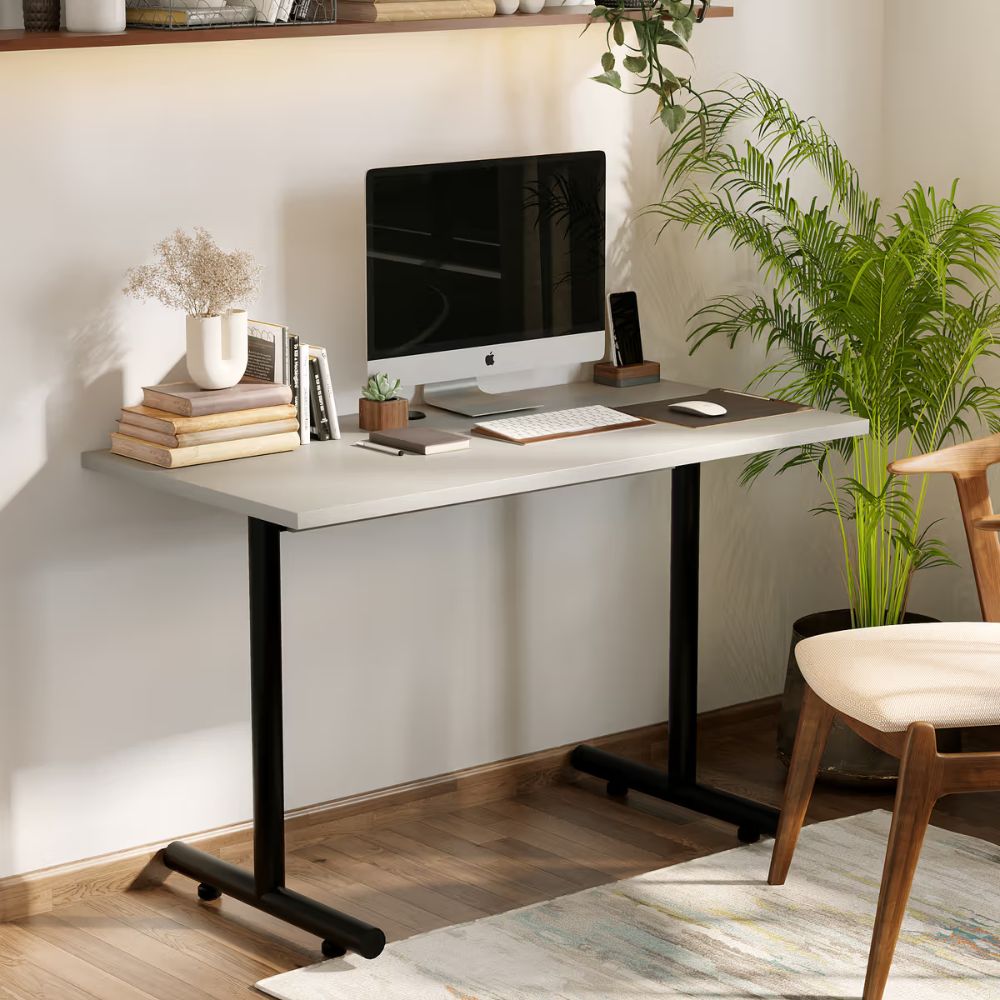
On the other hand, a study table without storage is perfect for minimalists or those who value clean, open spaces. Its simple design offers flexibility and a clutter-free aesthetic, making it easier to move around or pair with external storage solutions. It works well in larger rooms or for users who rely more on digital tools than physical materials.
Ultimately, the choice depends on your daily needs, available space, and work habits. If organization and accessibility are priorities, go for storage. If simplicity and flexibility matter more, a no-storage table might be the better fit.
Why Choosing the Right Study Table Matters
A study table is more than just a piece of furniture it plays a crucial role in shaping your productivity, organization, and overall comfort. Whether you’re a student preparing for exams or a professional working from home, having a dedicated workspace helps create a clear boundary between focus and distraction. The right setup can significantly improve how efficiently you work and how comfortable you feel during long hours.
A thoughtfully designed study table with cabinet offers practical storage solutions that keep your essentials organized and within reach. By reducing clutter on the tabletop, it allows you to concentrate better without unnecessary distractions. Similarly, a wooden study desk with drawers combines durability with functionality, giving you ample space to store books, documents, and accessories neatly. This not only enhances organization but also contributes to a cleaner, more visually appealing workspace.
Beyond storage, the right study table also supports better posture and comfort. A stable, well-sized desk ensures you can work without strain, making it easier to stay focused for longer periods. It also helps establish a routine when you sit at a designated workspace, your mind naturally shifts into a productive mode.
In the end, choosing the right study table isn’t just about aesthetics, it’s about creating an environment that supports focus, minimizes clutter, and enhances your daily workflow.
Study Table with Storage – Pros and Cons
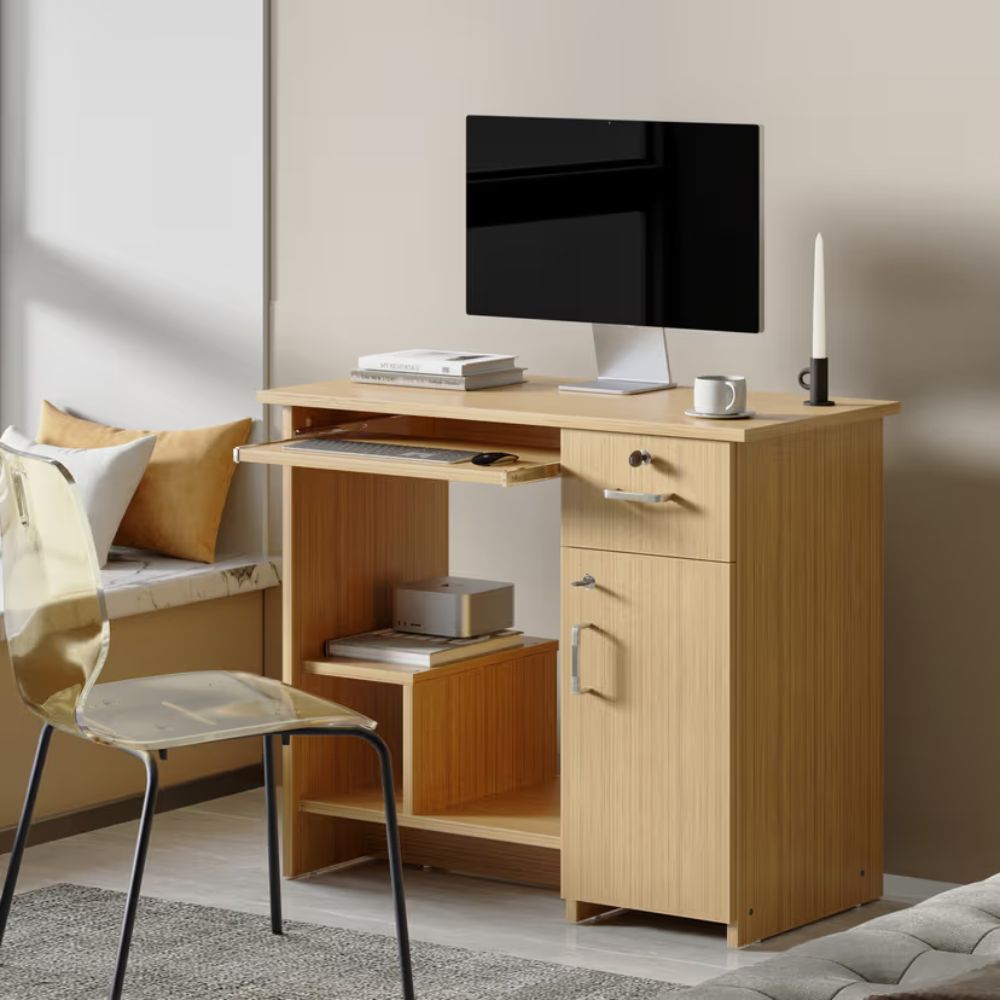
A study table with storage is a popular choice for those looking to combine functionality with organization, but like any furniture piece, it comes with its own set of advantages and drawbacks. Understanding both sides can help you make a more informed decision based on your needs and space.
One of the biggest advantages of a study table with cabinet or built-in storage is convenience. With drawers, shelves, or cabinets, you can keep books, documents, stationery, and gadgets neatly organized and within easy reach. This reduces clutter on the tabletop and creates a more structured workspace, which can improve focus and productivity. It’s especially useful for students and professionals who rely on physical materials daily or have limited room for additional storage furniture.
However, there are a few downsides to consider. A study table with storage tends to be bulkier and may take up more space, making it less suitable for compact rooms or minimal setups. It can also limit flexibility, as the built-in storage design may not always align with changing needs. Additionally, if not organized well, the extra storage can quickly become a dumping space, leading to hidden clutter rather than solving it.
Ultimately, a study table with cabinet is ideal for those who prioritize organization and accessibility. But if you value a lightweight, flexible, and minimal workspace, it’s important to weigh these pros and cons before making your choice.
Study Table Without Storage – Pros and Cons
A study table without storage is a great choice for those who prefer simplicity, flexibility, and a clean workspace. While it may seem minimal, it offers distinct advantages that make it a strong contender for being the best study table in certain setups. However, it also comes with a few limitations that are worth considering.
One of the key benefits of a study table without storage is its sleek and lightweight design. It fits easily into compact spaces, making it ideal for small rooms, shared spaces, or modern interiors that prioritize minimalism. The absence of built-in drawers or cabinets allows for more legroom and flexibility in movement. It also gives you the freedom to customize storage separately, using shelves or organizers based on your evolving needs.
On the flip side, the lack of storage can be a drawback for users who need to keep multiple items within reach. Without dedicated compartments, your tabletop can quickly become cluttered, especially if you rely on books, files, or stationery. This may impact focus and organization over time. Additionally, you may need to invest in external storage solutions, which can add to the overall cost and effort.
Ultimately, a study table without storage can be the best study table for those who value minimal design, flexibility, and open space. But if organization and easy access to essentials are priorities, it’s important to balance these pros and cons before deciding.
Key Differences Between Study Tables with Storage and Without Storage
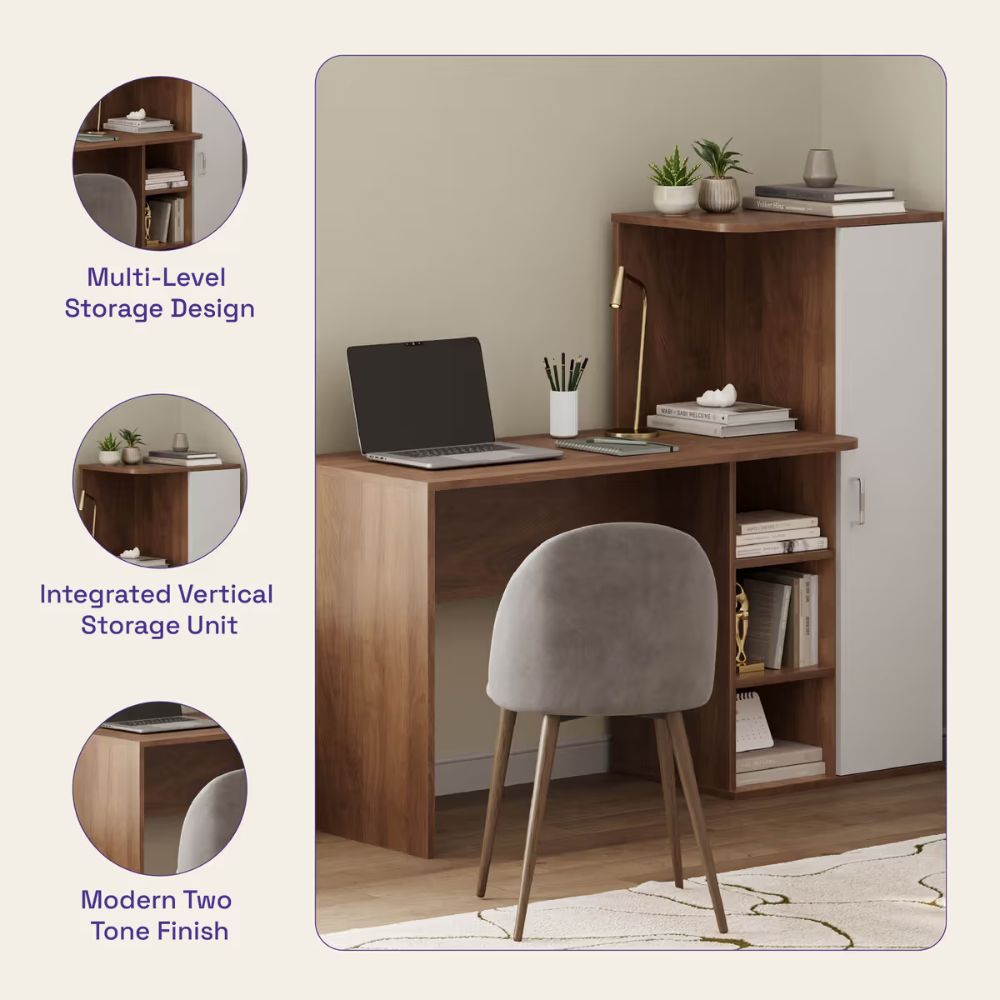
When choosing the right study setup, understanding the differences between a study table with storage and a study table without storage can help you make a more practical and long-term decision. While both serve the same core purpose, their design, functionality, and usability vary based on your needs and lifestyle.
A study table with storage is designed for organization and efficiency. It comes with built-in drawers, shelves, or compartments that allow you to store books, documents, and essentials within easy reach. This makes it ideal for students and professionals who require frequent access to physical materials and prefer a structured, clutter-free workspace. In contrast, a study table without storage focuses on simplicity and flexibility. Its minimal design creates an open and airy feel, making it suitable for modern interiors or users who rely more on digital tools than physical storage.
Another key difference lies in space utilization. Storage tables tend to be bulkier and better suited for larger rooms, whereas no-storage tables are compact and easy to move, fitting well in smaller spaces. Additionally, while storage tables reduce the need for extra furniture, no-storage tables often require external storage solutions, giving users more customization options.
Ultimately, the choice depends on your priorities whether you value built-in organization or a clean, flexible workspace. Understanding these differences ensures you invest in a study table that truly complements your daily routine.
Which Study Table is Better for Small Spaces?
When it comes to compact living whether in apartments, hostels, or shared rooms choosing the right study table becomes essential. Limited space means every piece of furniture must be functional, space-efficient, and easy to adapt. The goal is to find the best study table that maximizes utility without making the room feel cramped.
For smaller spaces, minimal and compact designs often work best. A lightweight study table without bulky add-ons can fit neatly into corners or against walls, leaving enough room for movement. Foldable or wall-mounted options are also great choices, as they can be tucked away when not in use. These designs help maintain an open, clutter-free environment, which is especially important in tight spaces where visual clutter can make the room feel even smaller.
However, storage needs cannot be ignored. In hostels or small apartments where additional furniture isn’t always an option, a compact table with smart, built-in storage can be a practical solution. The key is to strike a balance choosing a best study table that offers just enough storage without overwhelming the space. Slim drawers or open shelves can provide functionality while keeping the design light and efficient.
Ultimately, the ideal choice depends on how you use your space. If you prioritize flexibility and openness, go for a minimal table. If storage is a bigger need, opt for a compact design with integrated features that keeps your essentials organized without compromising on space.
Factors to Consider Before Choosing a Study Table
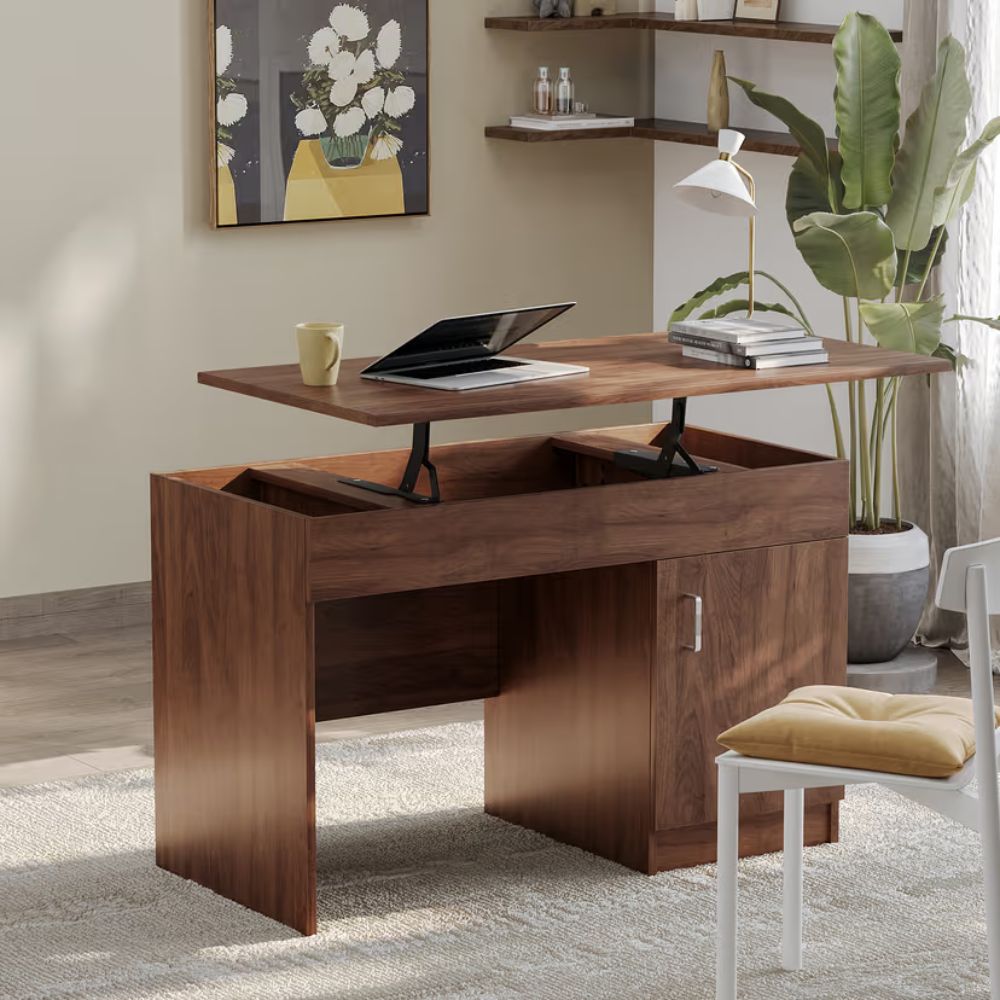
Choosing the right study table for students requires more than just picking a design that looks good. It’s about finding a balance between functionality, comfort, and space. Here’s a quick checklist to help you make the right decision.
Start with space availability. Measure your room and identify where the table will fit without making the area feel cramped. Next, consider storage needs do you need drawers or shelves for books and stationery, or do you prefer a clean, minimal surface?
Ergonomics and comfort are equally important. Ensure the table height suits your seating arrangement to maintain proper posture during long study sessions. Look for a sturdy build that can support daily use without wobbling.
Think about usage requirements. A study table for students may need to accommodate laptops, books, and writing space simultaneously, so surface area matters. If you move frequently or live in a compact space, a lightweight or foldable option can be more practical.
Lastly, consider design and durability. Choose materials and finishes that match your room while being easy to maintain. By evaluating these factors, you can select a study table that supports productivity and fits seamlessly into your lifestyle.
Expert Tips to Choose the Right Study Table
Choosing the right study table goes beyond style it’s about creating a workspace that truly supports your daily routine. Start by identifying how you use your desk. If you handle multiple items like books, gadgets, and stationery, a study table with drawers can help keep everything organized and within reach, reducing distractions.
Focus on proportions and placement. Always measure your space before buying, and ensure the table fits comfortably without blocking movement. Position it near natural light if possible, as this can improve focus and reduce eye strain during long hours.
Pay attention to ergonomics. The table height should align with your chair to maintain a comfortable posture. Your elbows should rest naturally on the surface, preventing strain on your shoulders and back.
Another key tip is to choose quality over trends. A sturdy table with durable materials will last longer and provide better support for daily use. If you opt for a study table with drawers, check the smoothness and strength of the storage units to ensure long-term usability.
Lastly, keep your workflow in mind choose a table that complements your habits, so your workspace feels efficient, clutter-free, and easy to maintain.
Conclusion
Choosing the right study table ultimately comes down to your space, storage needs, and daily habits. Both storage and no-storage options have their own advantages, and the best choice depends on how you work and organize your essentials.
A study table with built-in storage is ideal for those who prefer a structured and organized setup, keeping everything within easy reach while reducing visible clutter. On the other hand, a minimal table without storage suits users who value flexibility, clean aesthetics, and a more open workspace especially in compact or modern interiors.
It’s important to evaluate what matters most to you whether it’s accessibility, simplicity, or space efficiency. Factors like room size, usage patterns, and comfort should guide your decision, rather than just design preferences.
In the end, the perfect study table is one that supports your productivity, keeps your workspace comfortable, and fits seamlessly into your lifestyle. By understanding the differences and aligning them with your needs, you can create a study setup that not only looks good but also helps you stay focused and organized every day.
FAQs
1. Is a study table with storage better for students?
A study table with storage is often a great choice for students, as it helps keep books, notes, and stationery organized in one place. This reduces clutter and makes it easier to stay focused during study sessions.
2. Are storage-free study tables good for small rooms?
Yes, storage-free study tables work well in small rooms. Their compact and minimal design takes up less visual and physical space, making the room feel more open and less crowded.
3. Which study table is more durable?
Durability depends more on the material and build quality than the design. Both storage and non-storage tables can be long-lasting if made from sturdy materials like solid wood or high-quality engineered wood.
4. Can I add storage later to a simple study table?
Absolutely. You can pair a simple table with external storage options like drawers, shelves, or organizers. This gives you flexibility to customize your setup as your needs change.
5. Which option is more budget-friendly?
Generally, storage-free study tables are more budget-friendly due to their simpler design. However, if you need to buy additional storage units later, the overall cost may increase compared to a table with built-in storage.

No Comments