
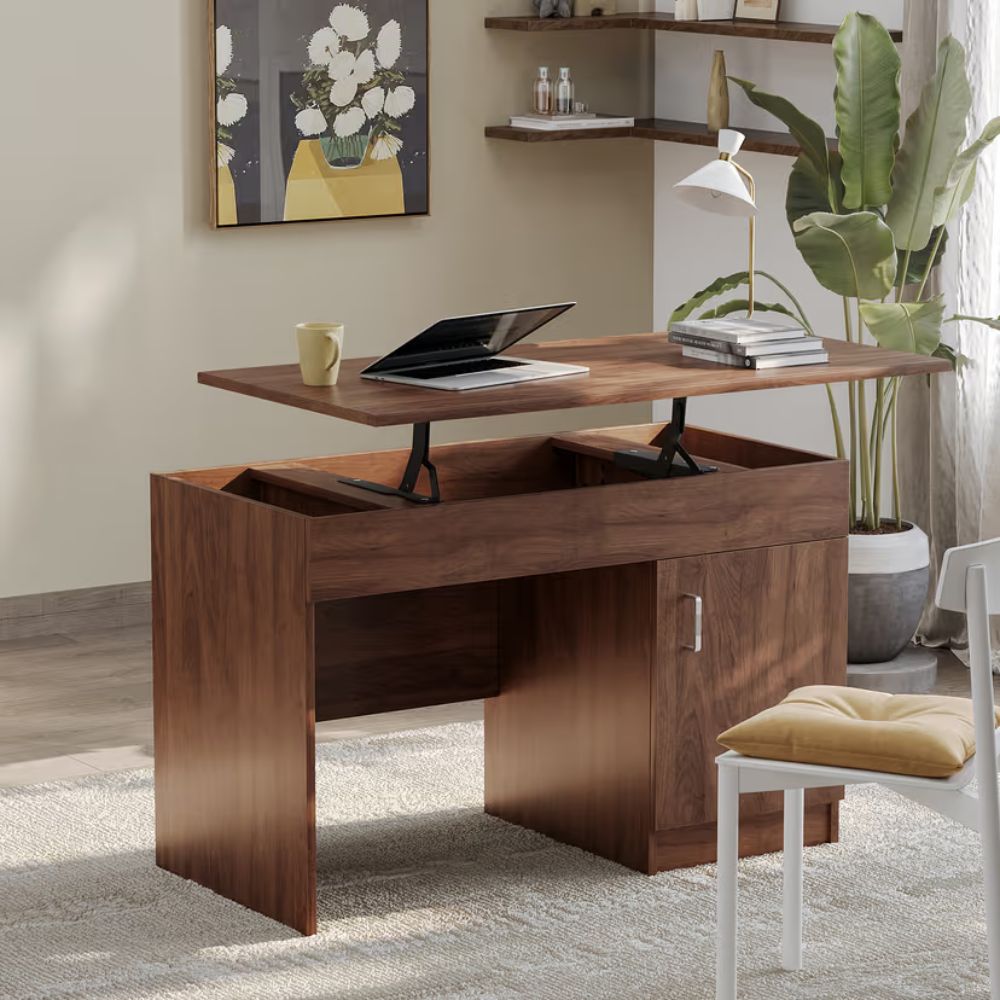

A well-chosen study table is essential for creating a productive and comfortable workspace. The right study table design not only enhances the visual appeal of your room but also plays a crucial role in improving focus, posture, and organization. Whether you’re working from home, studying, or managing daily tasks, your study table should support both efficiency and comfort.
One of the key factors to consider is ergonomics. A table with the correct height allows you to sit comfortably with your feet flat on the floor and your arms at a natural angle while writing or typing. This helps reduce strain on the neck, shoulders, and back, promoting better posture during long hours of use. Pairing the table with a suitable chair further enhances comfort and prevents fatigue.
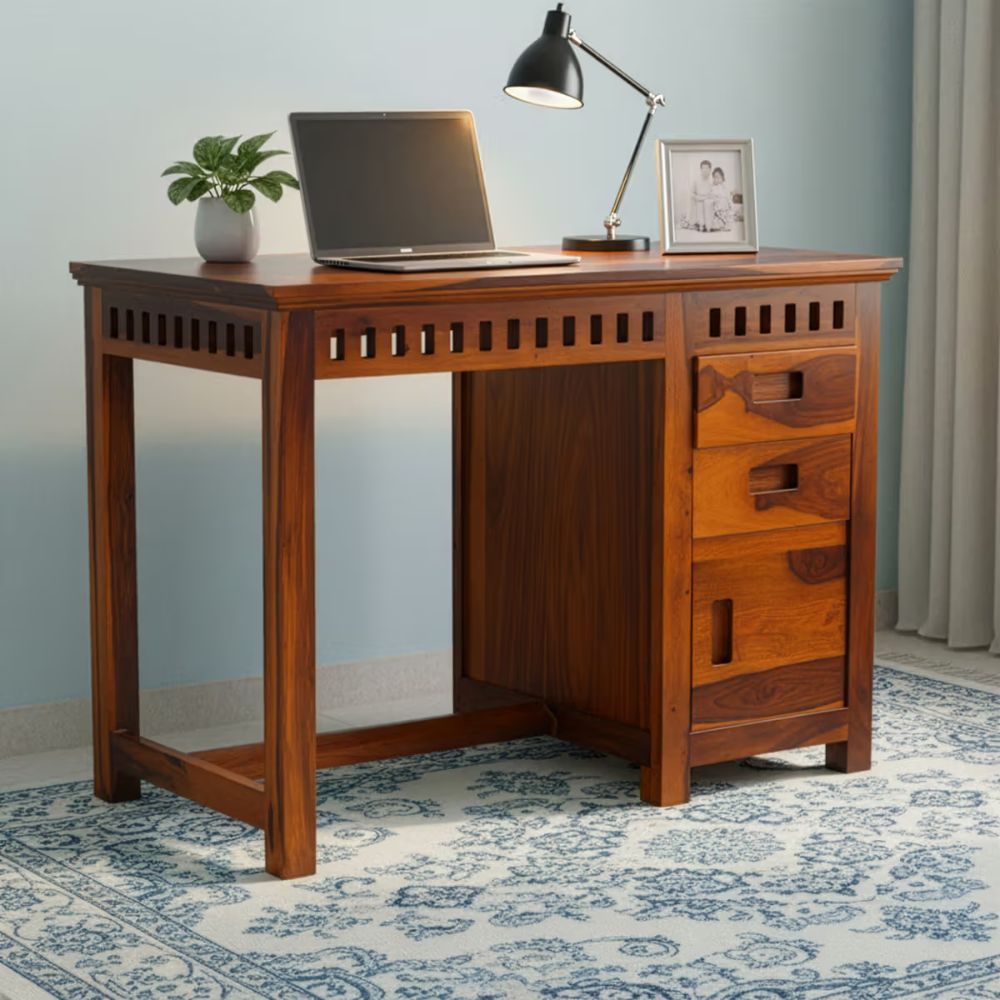
Storage and organization are equally important. A well-designed study table often includes drawers, shelves, or compartments to keep essentials like books, stationery, and gadgets within easy reach. This helps maintain a clutter-free workspace, which can significantly improve concentration and productivity. Minimalist designs with clean lines are especially effective in creating a focused and distraction-free environment.
Material and durability also influence your choice. Wooden tables offer strength and a classic look, while engineered wood or metal options provide modern aesthetics and affordability. The size of the table should match your room layout, ensuring enough workspace without overcrowding the area.
Ultimately, the right study table design combines functionality, comfort, and style. By selecting a table that supports your daily needs and complements your space, you can create an environment that encourages better focus, efficiency, and overall well-being.
Why a Study Table Is Essential for Productivity
A dedicated study table plays a vital role in improving productivity for both students and professionals. In a world filled with distractions, having a fixed workspace helps create a mental boundary between work and relaxation. Thoughtfully planned study table ideas can transform even a small corner into a focused and efficient work zone, encouraging better concentration and discipline.
One of the key benefits of using a study table is improved posture. Sitting on a bed or couch while working often leads to poor alignment of the neck and spine, causing discomfort over time. A properly designed study table, paired with the right chair, supports a natural sitting position, reducing strain on the body during long hours of study or work.
A study table also enhances organization and time management. With designated space for books, laptops, and stationery, it becomes easier to keep everything within reach and avoid unnecessary interruptions. An organized workspace reduces clutter, which in turn minimizes distractions and helps maintain focus on tasks. Simple study table ideas like adding shelves, organizers, or a clean desk layout can significantly improve efficiency.
Additionally, a consistent workspace helps build a productive routine. When you regularly use the same study table, your mind begins to associate that space with work, making it easier to concentrate and stay motivated. This habit can improve overall work efficiency and reduce procrastination.
In conclusion, a study table is more than just furniture it is a tool that supports better posture, organization, and focus, ultimately leading to higher productivity and improved work performance.
Explore Different Study Table Designs
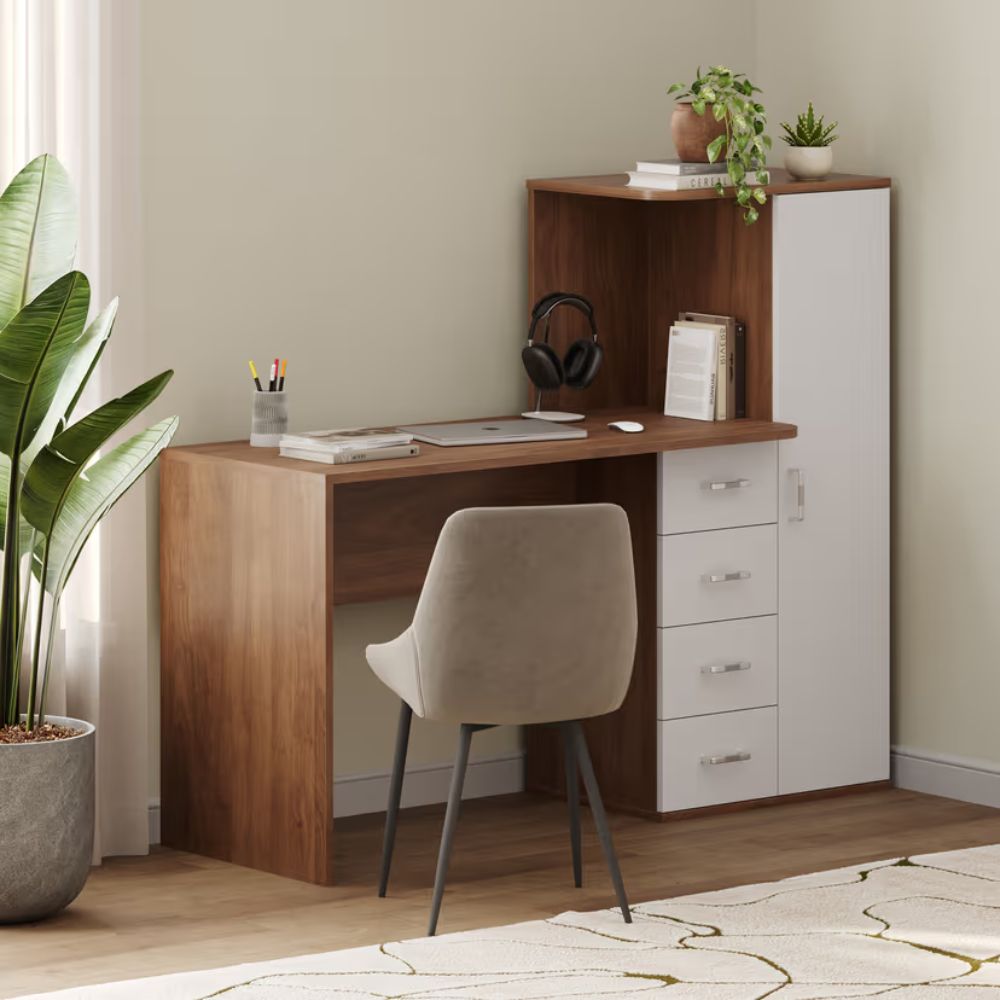
Choosing the right study table depends on your space, usage, and personal style. Today’s market offers a wide range of options, from compact setups to multifunctional designs. A well-chosen designer study table not only enhances productivity but also complements your room’s overall aesthetic.
1. Compact Study Tables for Small Rooms
For smaller spaces, compact study tables are an ideal solution. These tables are designed to fit into tight corners or limited areas without compromising functionality. They provide just enough surface space for essential tasks, making them perfect for apartments or shared rooms.
2. Study Tables with Storage
If organization is a priority, study tables with storage are a practical choice. These designs include drawers, shelves, or cabinets that help keep books, documents, and stationery neatly arranged. Having built-in storage reduces clutter and makes it easier to maintain a clean and focused workspace.
3. Wall-Mounted and Foldable Study Tables
Wall-mounted and foldable study tables are excellent for maximizing space. These tables can be folded away when not in use, freeing up floor space and creating a more open environment. They are especially useful in multifunctional rooms where flexibility is important.
4. Computer Study Tables
Computer study tables are specifically designed to support digital work setups. They often include features like keyboard trays, cable management systems, and dedicated compartments for CPUs or accessories. These tables provide comfort and efficiency for tasks that involve long hours on a computer.
5. Adjustable Height Study Tables
Adjustable height study tables offer flexibility by allowing users to switch between sitting and standing positions. This helps improve posture and reduce strain during extended work sessions. Such tables are becoming increasingly popular among professionals who prioritize ergonomics.
By exploring these options, you can find a study table design that fits your needs, space, and lifestyle while enhancing both productivity and comfort.
How to Choose the Perfect Study table Size and Dimensions
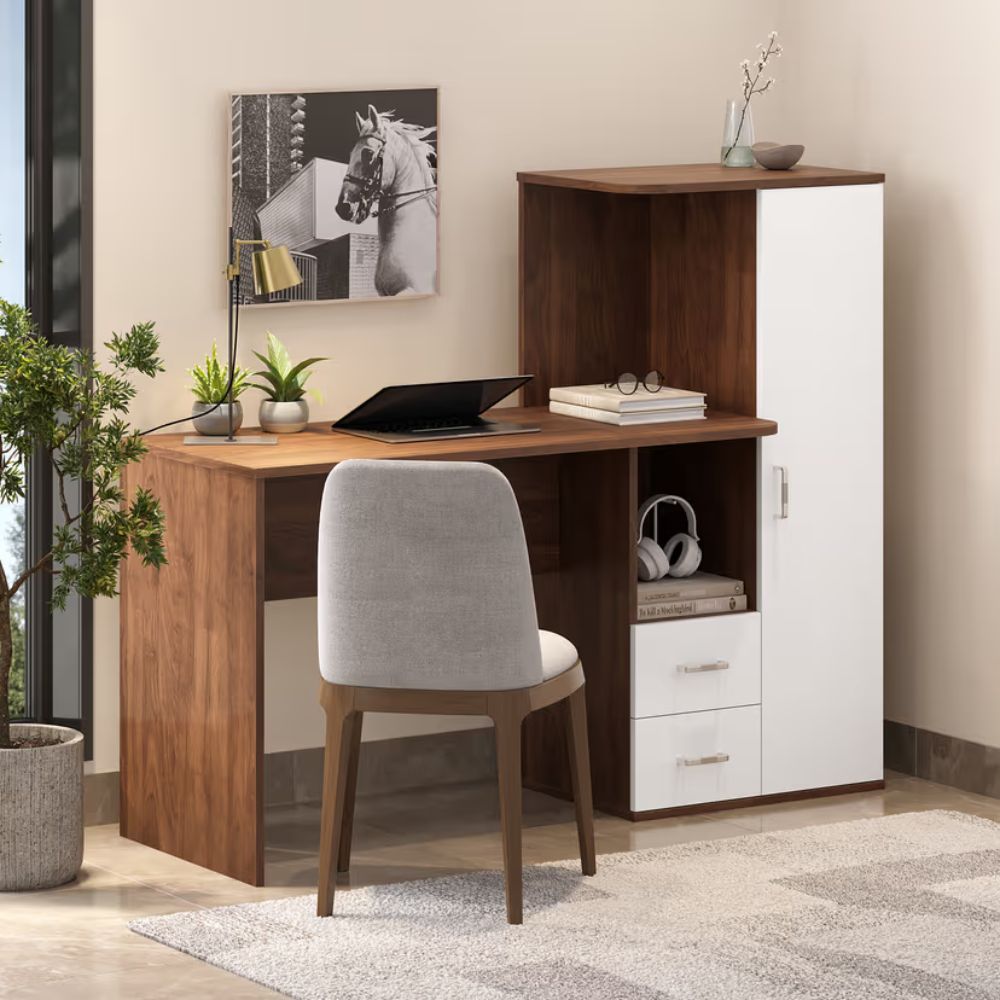
Selecting the right study table size is essential for creating a comfortable and productive workspace. The table’s dimensions should match the user’s height, the available room space, and the type of work being done. Well-planned study table designs for students focus on ergonomics and functionality, ensuring better posture and efficiency during long hours of study or work.
1. Standard Study Table Height
The standard height for most study tables is around 28 to 30 inches. This height works well for adults, allowing them to sit comfortably with their feet flat on the floor and arms positioned naturally on the tabletop. For children, slightly lower tables are recommended to suit their height and prevent strain on the neck and shoulders.
2. Ideal Width and Depth
The width and depth of a study table depend on how it will be used. A minimum width of 36 to 48 inches is suitable for basic tasks like writing or reading, while larger setups for laptops, books, or multiple screens may require more space. Depth is equally important—around 18 to 24 inches is ideal to provide enough room without making the table feel bulky.
3. Space Planning Tips
Before choosing a study table, it’s important to assess the available space in your room. Ensure there is enough clearance around the table for comfortable movement and chair placement. Compact or wall-mounted designs can be helpful in smaller rooms, while larger spaces can accommodate more spacious layouts.
4. Study Tables for Kids vs Adults
Children’s study tables should be designed with safety, comfort, and growth in mind. Adjustable or compact designs are often preferred. For adults, larger tables with additional workspace and storage are more practical. Choosing the right study table size ensures better posture, improved focus, and a more organized work environment.
Selecting the Right Study table: Material Durability and Build Quality
Choosing the right study table material is crucial for ensuring long-term durability, stability, and ease of maintenance. The material for study table not only affects its strength and lifespan but also influences its appearance and how well it fits into your workspace.
1, Solid Wood vs Engineered Wood
Solid wood study tables are known for their strength, durability, and timeless appeal. They can withstand heavy use and often last for many years with proper care. Their natural finish adds warmth to the room, making them a popular choice for both traditional and modern interiors. Engineered wood, such as MDF or plywood, is a more affordable alternative. It offers a similar look but is lighter and easier to move. While it may not be as durable as solid wood, it is resistant to warping and works well for everyday use when maintained properly.
2. Metal Frame Study Tables
Metal frame study tables are valued for their sturdiness and modern design. The metal structure provides strong support, making these tables ideal for heavy workloads or long-term use. They are also resistant to wear and tear, which makes them suitable for high-usage environments. Combined with wooden or engineered tops, metal frames offer both durability and style.
3. Glass-Top Study Tables
Glass-top study tables bring a sleek and contemporary look to any space. They are easy to clean and visually make a room appear more open. However, they require careful handling as they can be prone to scratches or fingerprints. Tempered glass is often used for added safety and strength.
Overall, selecting the right study table material ensures better durability, easier maintenance, and long-term value, making it an important factor in choosing the perfect study table.
FAQs
1. What is the standard height of a study table?
The standard height of a study table is usually between 28 to 30 inches. This height is designed to suit most adults, allowing them to sit comfortably with proper posture. For children, slightly lower or adjustable tables are recommended to match their height and ensure ergonomic support.
2. Which material is best for a study table?
The best material depends on your needs and budget. Solid wood is highly durable and long-lasting, making it ideal for long-term use. Engineered wood offers a more affordable option with decent durability, while metal frames provide extra strength and stability. Glass-top tables are stylish but require careful maintenance.
3. How do I choose a study table for a small room?
For small rooms, compact or space-saving designs work best. Look for wall-mounted, foldable, or corner study tables that maximize available space without making the room feel crowded. Choosing a table with built-in storage can also help reduce clutter and improve organization.
4. Are adjustable study tables worth it?
Yes, adjustable study tables are a good investment, especially for people who spend long hours working or studying. They allow you to switch between sitting and standing positions, which helps improve posture, reduce strain, and enhance overall comfort.
5. How much space should I leave around a study table?
It is recommended to leave at least 30 to 36 inches of space around a study table. This ensures comfortable movement, proper chair placement, and easy access to the workspace without feeling cramped.

No Comments