
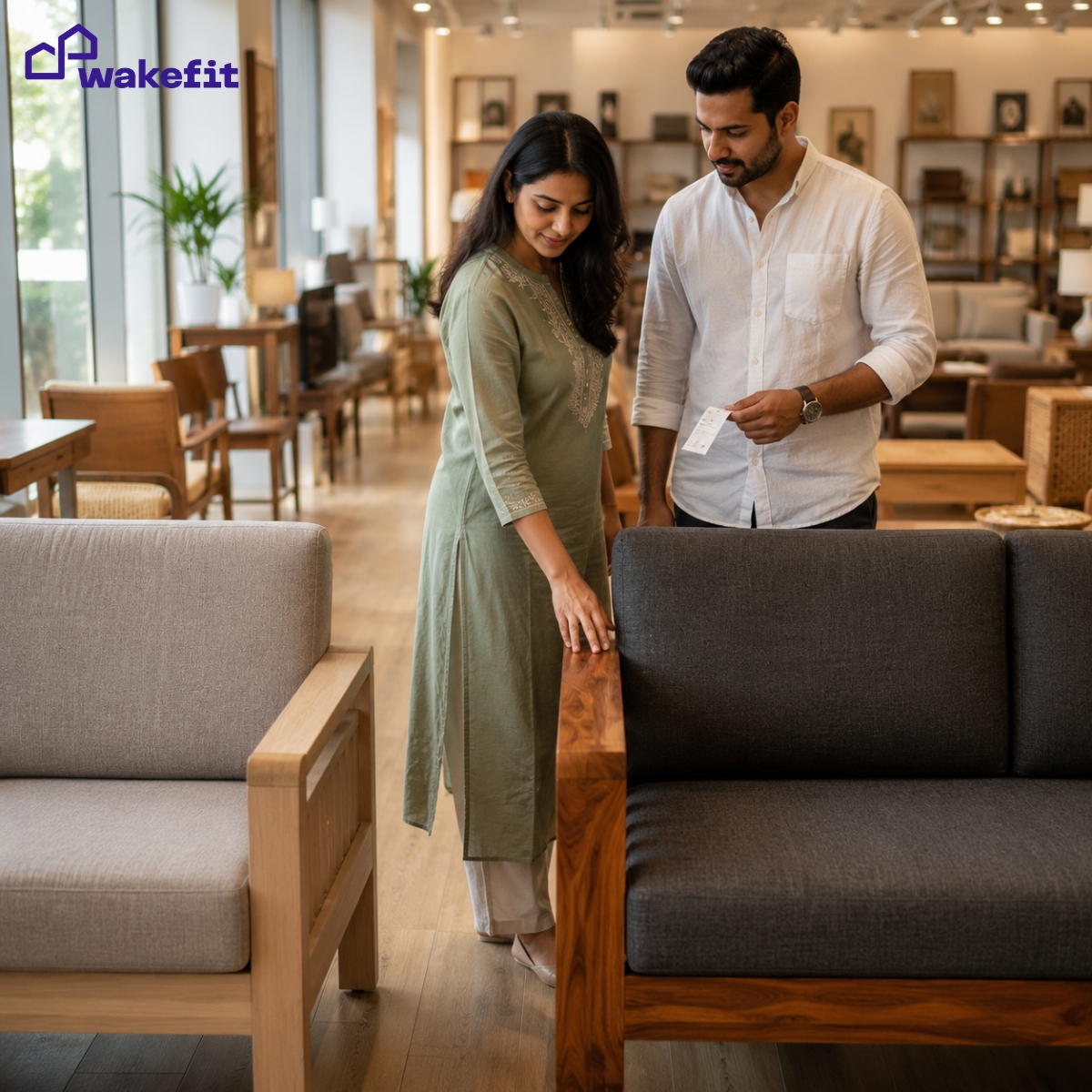

Most Indian homes have at least one piece of furniture that cost too much for what it turned out to be – and one piece that held up better than expected. The real question is never budget or premium as a blanket decision. It depends on which piece you are buying, how often it gets used, and whether you own or rent the space. A Rs. 12,000 bed is a false economy for someone who spends 8 hours a night on it. The same logic does not apply to a shoe rack that holds footwear near a door.
What actually separates budget furniture from premium in Indian stores?
Material is the primary difference. Budget furniture in India typically uses MDF (medium-density fibreboard), particle board, or low-grade plywood. These engineered wood products hold shape reasonably well for 5-8 years under normal use, but swell at edges in humid conditions – a real issue in Mumbai, Kochi, or Kolkata – and weaken at joints over time. They are not bad materials. They have a defined lifespan.
Premium furniture uses solid sheesham (Indian rosewood), teak, or high-grade multi-ply construction. Sheesham is India’s most practical premium material – dense, termite-resistant, and capable of lasting 20-30 years with basic maintenance. Teak adds natural oil resistance that makes it particularly suited to coastal cities. The hardware gap matters too: budget furniture uses cheaper drawer slides and hinges that loosen within 3-4 years. Premium joinery – solid wood dowels, mortise-and-tenon – stays firm for decades.
Which furniture pieces are worth spending more on?
The bed is the clearest case. You spend roughly 2,920 hours per year on it. A Rs. 12,000 MDF-frame bed under a mattress with regular use typically shows structural weakness – loose joints, creaking slats, leg wobble – within 4-6 years. A Rs. 25,000-35,000 sheesham or multi-ply frame will outlast two or three mattress replacements. Over a 10-year horizon, the premium bed costs Rs. 1,500-2,000 per year. The budget bed, replaced twice, costs more.
The sofa is the second piece worth the upgrade. A budget sofa at Rs. 15,000-20,000 uses foam below 32 kg/m3, which compresses and loses shape within 3-4 years. A mid-premium sofa at Rs. 35,000-50,000 uses high-density foam (40-44 kg/m3) and a solid wood frame that keeps its structure for 10-15 years. Daily contact with body weight makes the density difference visible fast.
The dining table earns the premium if used daily. Tables absorb direct impact from plates, cups, and elbows across every meal. MDF dining tables develop surface damage and edge swelling within a few years of heavy use. A solid sheesham dining table at Rs. 20,000-30,000 more than its MDF equivalent pays back over 15+ years of daily use.
Where can you safely choose budget furniture?
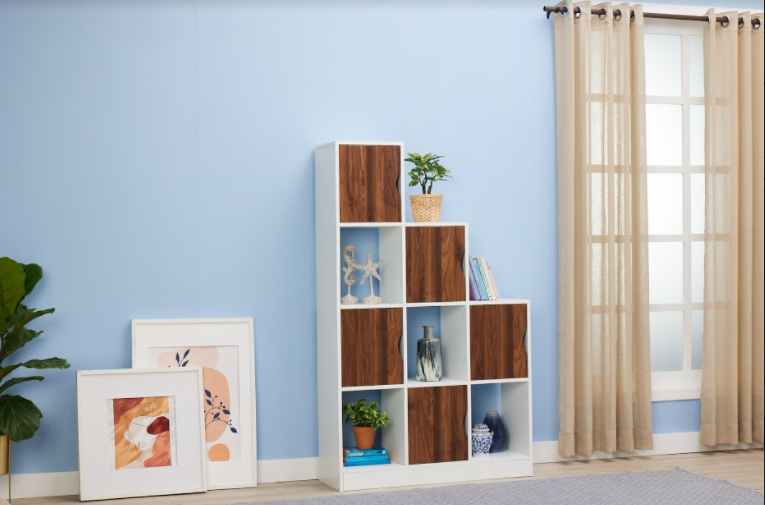
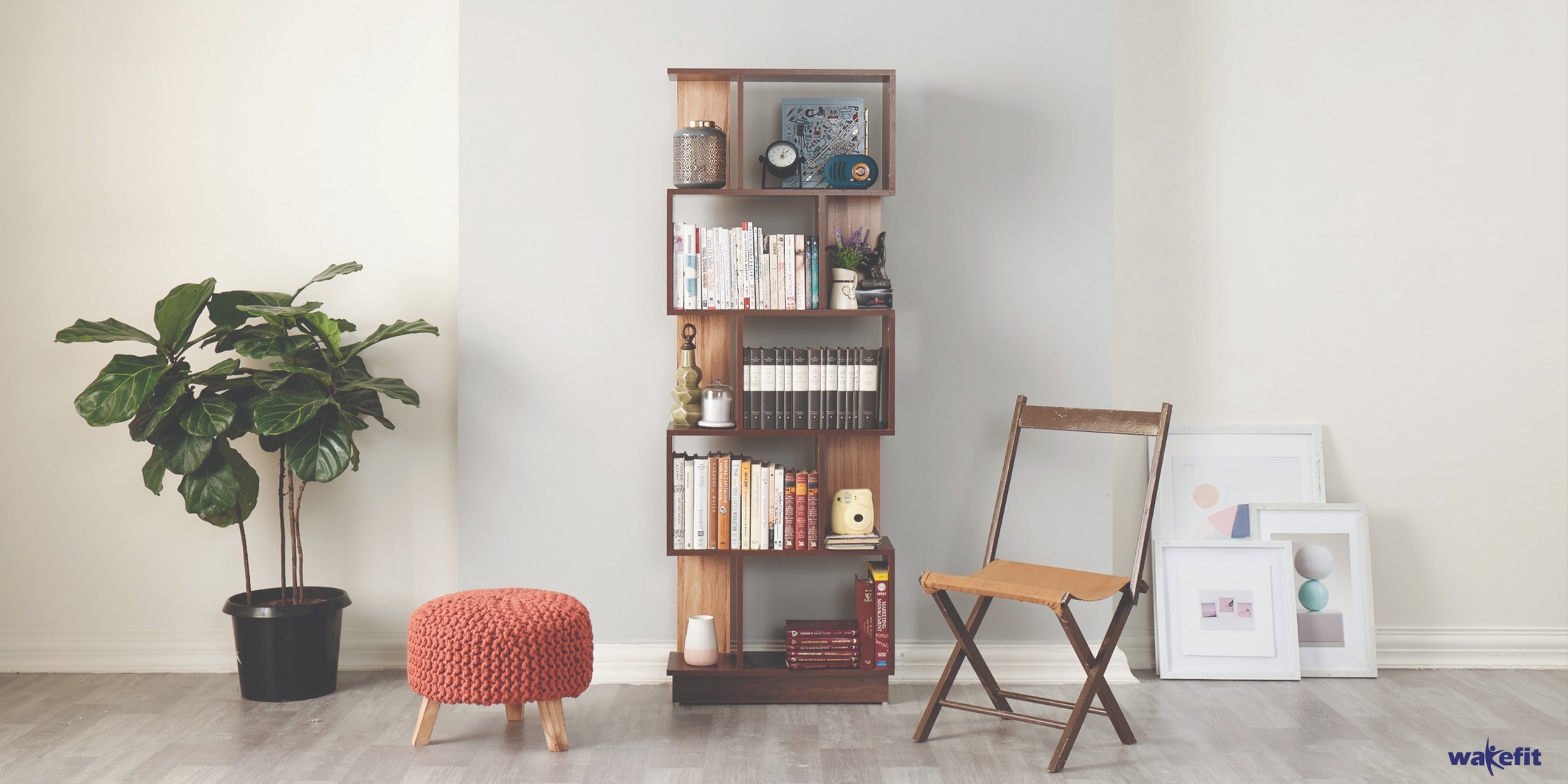
Study tables, TV units, shoe racks, and bookshelves carry lower structural load and less daily physical contact. A Rs. 6,000-10,000 MDF study table handles a laptop, monitor, and books without issue for 5-7 years – which is a reasonable horizon before most people change their room setup anyway.
For renters, this logic is even sharper. Spending Rs. 30,000 on a premium wardrobe in a flat you lease for two years means absorbing the full depreciation of that piece when you move. A Rs. 12,000-15,000 MDF wardrobe serves its purpose for a 2-3 year lease at a fraction of the cost and loss. The same rule applies to side tables, storage units, and any piece that moves frequently.
Budget vs premium furniture – which wins on every factor?
| Factor | Budget Furniture | Premium Furniture |
|---|---|---|
| Typical materials | MDF, particle board, low-grade plywood | Solid sheesham, teak, high-grade multi-ply |
| Price range (sofa) | Rs. 12,000-22,000 | Rs. 35,000-80,000+ |
| Price range (bed frame) | Rs. 8,000-18,000 | Rs. 22,000-60,000+ |
| Lifespan (normal use) | 5-8 years | 15-30 years |
| Cost per year (sofa example) | Rs. 3,000-4,000/year | Rs. 2,500-3,500/year |
| Humidity resistance | Poor – MDF swells at edges | Good – solid wood handles monsoons better |
| Termite resistance | Low unless chemically treated | High (sheesham, teak naturally resistant) |
| Repairability | Low – joints and edges hard to restore | High – solid wood can be sanded, refinished |
| Resale value | Minimal after 3-4 years | Retains 30-50% value over 5-7 years |
| Best suited for | Renters, low-use pieces, short horizons | Owners, daily-use pieces, long-term homes |
How do you verify if a piece of furniture is actually worth its price?
Four things to check before buying. First, weight – solid wood furniture is noticeably heavier than MDF equivalents of the same size. Second, joints – press the frame corners and listen for creaking. New furniture should not creak under hand pressure. Third, edge finish – run a finger along any MDF edge; rough, poorly sealed, or paper-laminate edges will swell first. Fourth, foam density on upholstered pieces – anything below 35 kg/m3 will lose shape within a few years of daily use.
Which Wakefit furniture is built for everyday Indian use?
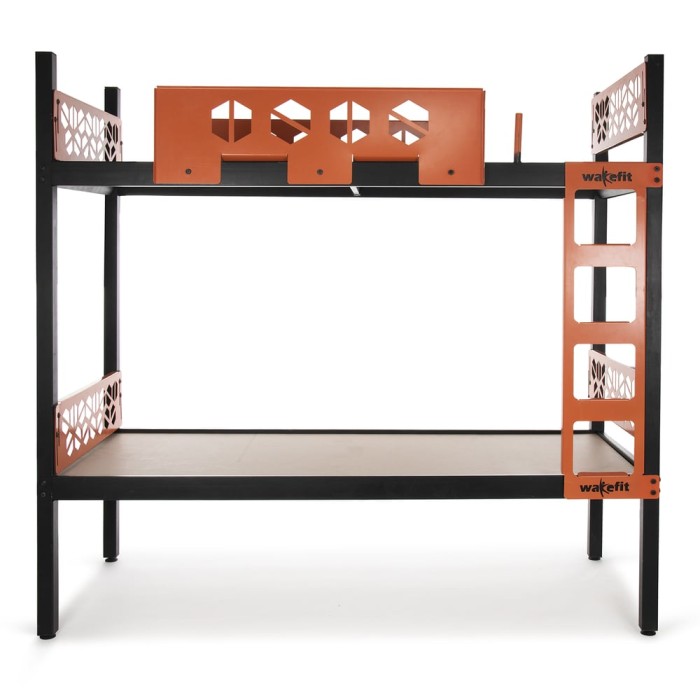
Wakefit’s bed frames use engineered wood construction with metal reinforcement at the load points where cheaper MDF frames typically fail first. The hydraulic storage variants add under-bed storage without compromising frame rigidity – which matters in Indian apartments where floor space is always at a premium. Wakefit sofas use high-resilience foam with fabric upholstery rated for Indian humidity conditions. All furniture comes with a manufacturer warranty, zero-cost delivery and assembly across 19,000+ pin codes, and no-cost EMI – which makes the cost-per-year math on premium pieces significantly more accessible than the sticker price suggests.
Frequently Asked Questions
1. Is budget furniture worth buying for an Indian home?
Yes, for the right pieces. TV units, shoe racks, study tables, and secondary storage work well in budget materials for 5-7 years. Where budget furniture underperforms is in high-contact, load-bearing pieces – beds, sofas, and dining tables used daily. For those, the cost-per-year math typically favours spending more upfront.
2. What is the lifespan difference between MDF and solid sheesham furniture?
MDF furniture typically lasts 5-8 years under normal Indian conditions before joints loosen, edges swell, or surfaces degrade. Solid sheesham lasts 20-30 years with basic care. The gap is most visible in humid cities like Mumbai and Kochi where MDF edges deteriorate faster than in drier climates like Delhi or Pune.
3. Should renters buy budget or premium furniture?
Budget for pieces that stay when you move – wardrobes, study tables, shoe racks. Premium for the bed, even in a rental. Sleep quality has direct effects on daily performance, and the cost difference per year between a Rs. 15,000 and Rs. 30,000 bed frame is smaller than most people calculate.
4. How do I check furniture quality before buying online?
Check the material specification (MDF vs solid wood vs multi-ply), foam density for upholstered pieces (35 kg/m3 minimum), warranty period, and whether assembly is included. Read reviews specifically for reports of swelling, joint loosening, or colour fading within the first year – these are the earliest signs of below-standard materials.
5. Is sheesham wood furniture worth the extra cost in India?
Yes for high-use pieces. Sheesham is dense, naturally termite-resistant, and handles Indian humidity significantly better than MDF. A sheesham dining table or bed frame priced Rs. 10,000-15,000 more than its MDF equivalent will typically outlast it by 15-20 years. Over a 10-year period, the cost-per-year often works out lower than the budget alternative replaced once.
6. Does premium furniture retain resale value in India?
Solid wood furniture retains 30-50% of its value at resale after 5-7 years if maintained well. MDF furniture is largely unsellable after 3-4 years – used MDF pieces on OLX and Quikr typically attract bids at 5-10% of original price. Resale value is a real financial consideration if you are likely to move or upgrade within a decade.
7. What foam density should I look for in a sofa?
35 kg/m3 minimum for a sofa used daily. Below this, cushions compress and lose shape within 2-3 years of regular use. Budget sofas typically use 28-30 kg/m3. Mid-range and premium sofas use 40-44 kg/m3, which holds structure for 10-15 years. Always ask for the foam density specification before purchasing any upholstered piece.
8. Which furniture piece should I prioritise buying premium on a limited budget?
The bed, without question. You use it 8 hours every single day – more than any other piece of furniture in your home. Spend on the bed and go budget on everything else if the overall budget is tight. Sleep quality has compounding effects on health, energy, and productivity that make the bed the highest-return furniture investment in any home.
No Comments