


A well-chosen coffee table is more than just a functional piece of furniture it acts as the focal point of your living room, tying together style and practicality. When exploring the right coffee table design, it’s important to consider how it complements your space, supports daily activities, and enhances overall aesthetics.
The design and material of a coffee table play a major role in defining the look of a room. Wooden tables bring warmth and a classic appeal, while glass-top designs create a sense of openness, making them ideal for smaller spaces. Metal or marble finishes, on the other hand, can add a modern and sophisticated touch. The key is to choose a design that aligns with your existing decor while adding visual interest.
Size and proportion are equally important. A coffee table should be proportional to your seating arrangement typically about two-thirds the length of your sofa and should sit at a comfortable height, usually level with or slightly lower than the seat cushions. This ensures easy access and a balanced look. Proper placement also matters; leaving enough space around the table allows for smooth movement and avoids a cluttered feel.
Functionality is another crucial factor when selecting a coffee table. Some designs come with built-in storage, shelves, or lift-top features, making them ideal for compact homes where space optimization is essential. Others focus more on style, serving as a decorative centerpiece for books, trays, or plants.
Ultimately, the right coffee table design combines style, size, and usability. By considering your lifestyle, room layout, and aesthetic preferences, you can choose a coffee table that enhances both the look and functionality of your living space.
What Is a Coffee Table and Why Is It Important?
A coffee table is a low-height table typically placed in the center of a seating arrangement in a living room. While it may seem like a simple piece of furniture, it plays a significant role in both functionality and interior design. Positioned within easy reach of sofas and chairs, a coffee table provides a convenient surface for everyday items such as drinks, books, remote controls, or decorative pieces.
Beyond its practical use, a coffee table acts as a visual anchor that brings the entire seating area together. It helps define the layout of the room and creates a balanced, cohesive look. Whether you choose a minimalist design, a classic wooden finish, or a modern glass-top style, the right coffee table can enhance the overall aesthetic and reflect your personal style.
Functionality is another key reason why a coffee table is important. Many modern designs come with added features like storage compartments, shelves, or lift-top surfaces, making them ideal for organizing clutter and maximizing space. This is especially useful in smaller homes where multi-purpose furniture can make a big difference.
In addition, a coffee table provides an opportunity to showcase decor elements such as candles, plants, trays, or art books, adding personality and warmth to your living space. It can also serve as a casual gathering point for conversations, snacks, or games when entertaining guests.
Overall, a well-chosen coffee table enhances both the usability and visual appeal of a living room, making it an essential element in creating a comfortable and stylish home environment.
Explore Different Coffee Table Designs
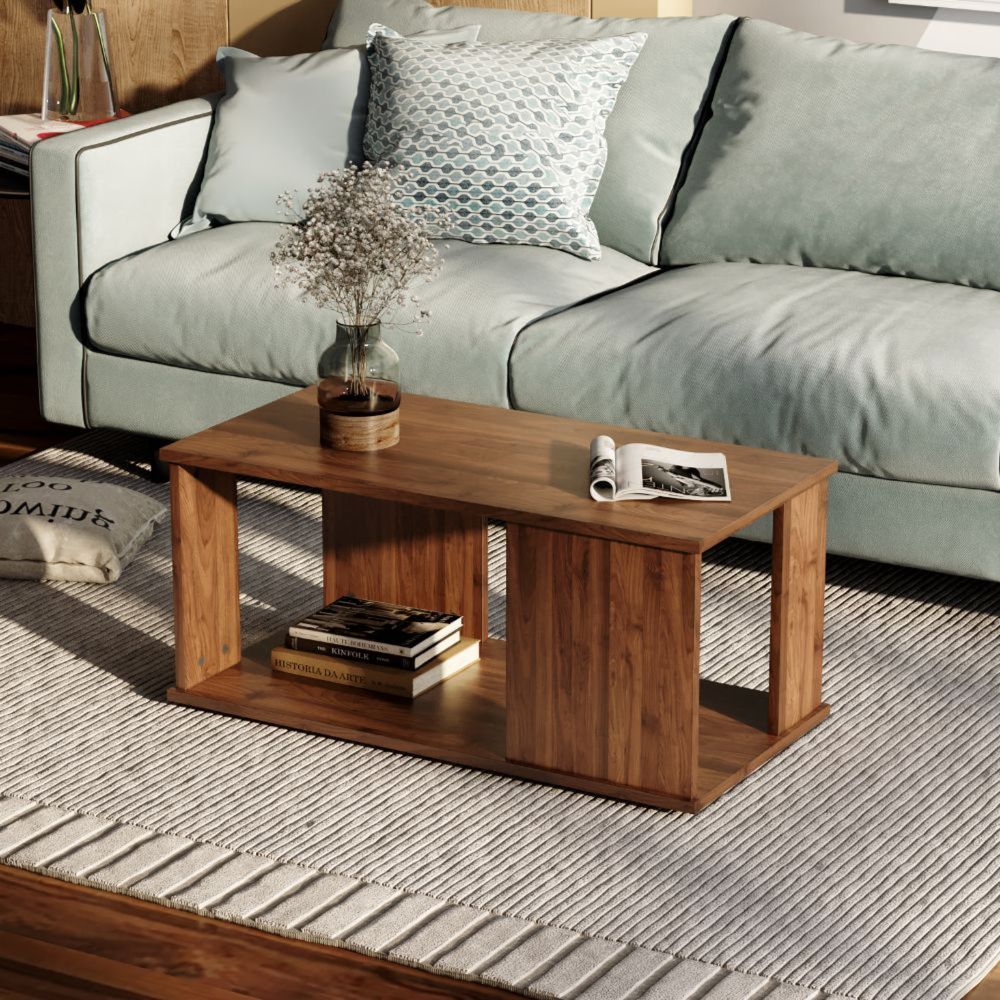
Choosing the right coffee table design can significantly enhance the look and functionality of your living space. With a wide variety of styles and materials available, understanding the differences can help you select a table that suits your décor, lifestyle, and space requirements.
1. Wooden Coffee Tables
Wooden coffee tables are among the most popular choices due to their durability and timeless appeal. They bring warmth and character to a room, making them suitable for both traditional and modern interiors. Available in a range of finishes from light oak to dark walnut wooden tables can easily blend with different décor styles. They are also sturdy and long-lasting, making them ideal for everyday use in family living rooms.
2. Glass Coffee Tables
Glass coffee tables are perfect for creating a clean and contemporary look. Their transparent surface makes a room appear more spacious and less cluttered, which is especially beneficial for smaller living areas. These tables are often paired with metal or wooden frames for added strength and style. While they are visually appealing, they may require regular cleaning to maintain their shine and clarity.
3. Metal Coffee Tables
Metal coffee tables offer a sleek and modern aesthetic, often seen in industrial or minimalist interiors. They are known for their strength and durability, making them a practical choice for high-traffic areas. Metal tables can be designed with intricate patterns or simple geometric shapes, adding a bold and stylish touch to the living room.
4. Marble and Stone Coffee Tables
Marble and stone coffee tables bring a sense of luxury and elegance to any space. Their natural patterns and textures make each piece unique, serving as a statement centerpiece. While they are highly durable, they can be heavier and may require careful maintenance to prevent stains or scratches.
By understanding these options, you can choose a coffee table design that complements your home while meeting your functional needs.
Choosing the Right Materials and Durability Factors
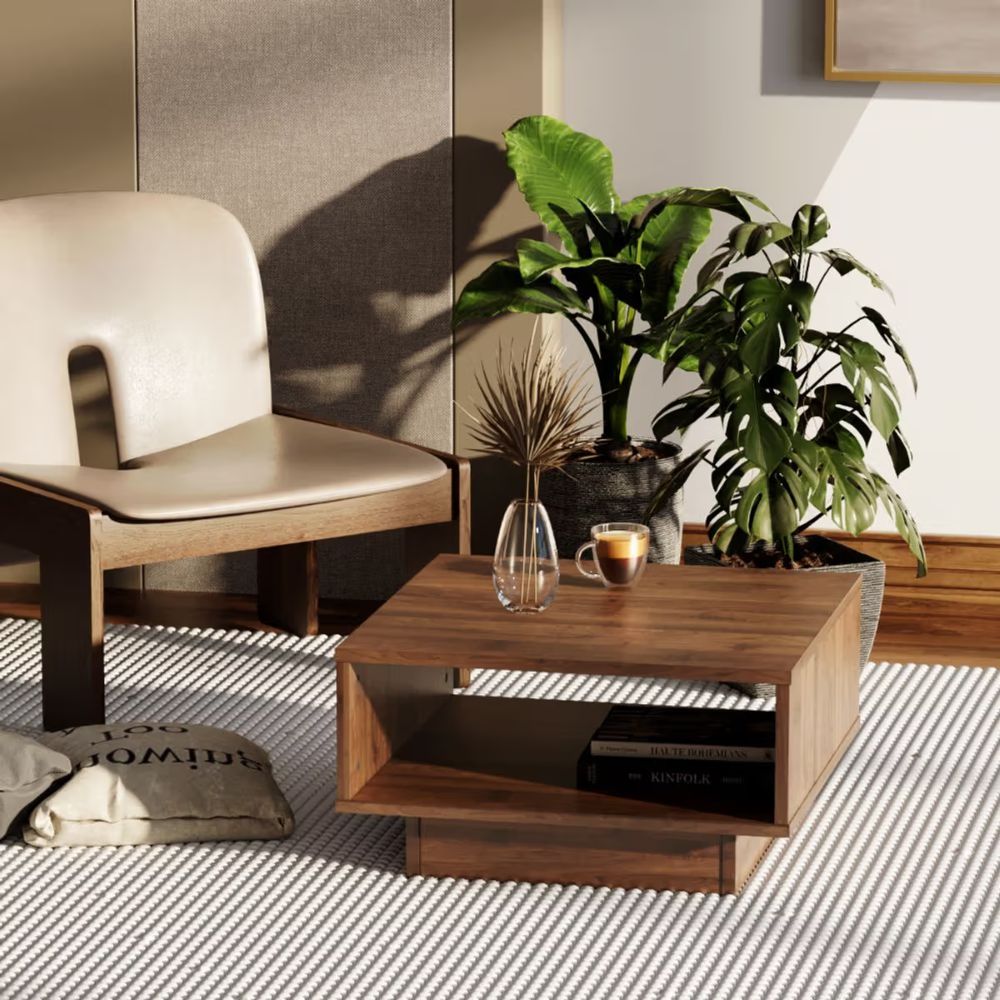
When selecting a coffee table, understanding materials and durability is essential to ensure long-term value and performance. Just like choosing the right chair material or chair design for seating, the material of your coffee table determines its strength, maintenance needs, and how well it fits into your lifestyle.
1. Solid Wood vs Engineered Wood
Solid wood coffee tables are known for their durability, strength, and natural beauty. They can last for years with proper care and often develop a rich character over time. Engineered wood, such as MDF or plywood, is a more affordable alternative that offers a similar look but may not be as long-lasting as solid wood. However, it is lighter and less prone to warping, making it a practical choice for modern homes.
2. Glass Maintenance and Safety
Glass coffee tables bring a sleek and contemporary look, but they require regular cleaning to maintain their clarity. Tempered glass is commonly used for safety, as it is stronger and less likely to shatter into sharp pieces. While visually appealing, glass surfaces can show fingerprints and smudges easily, so they may need frequent upkeep.
3. Metal Frame Strength
Metal frames add strength and stability to coffee tables, making them a durable option for everyday use. They are often paired with glass or wooden tops to create a balanced design. Metal is resistant to wear and tear, and its sturdy structure ensures long-term performance, especially in high-traffic living areas.
4. Scratch and Stain Resistance
Durability also depends on how well a material resists scratches and stains. Wooden surfaces may require polishing or protective coatings, while glass can be prone to scratches if not handled carefully. Materials like treated wood, metal finishes, and stone surfaces generally offer better resistance. Just as with modern dining chairs, choosing high-quality materials ensures your furniture remains functional and visually appealing for years.
Coffee Tables with Storage: Smart Space Solutions
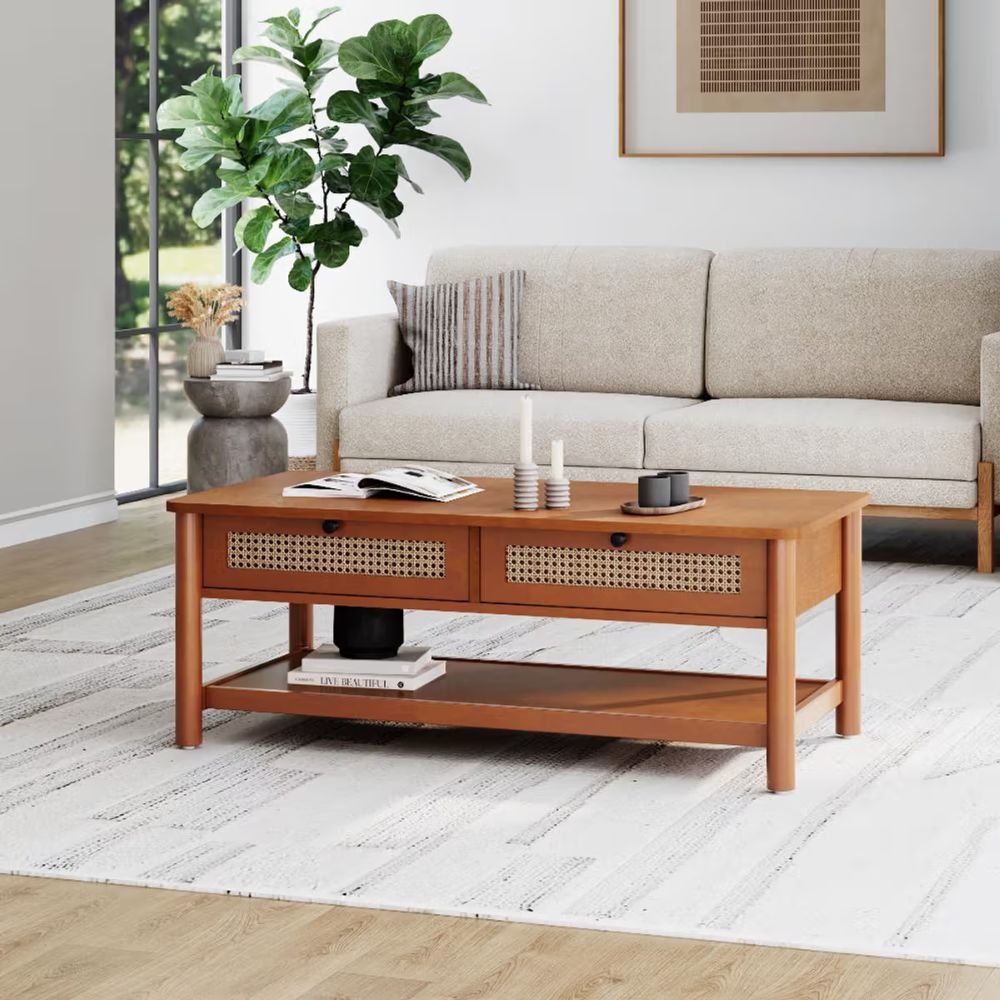
In modern homes where space is often limited, furniture that offers both style and functionality is highly valuable. A coffee table with built-in storage is a smart solution that helps keep your living room organized while maintaining a clean and stylish look. Investing in coffee table storage options can significantly reduce clutter by providing a dedicated place for everyday items like remotes, magazines, books, and small accessories.
1. Lift-Top Coffee Tables
Lift-top coffee tables are designed with a surface that can be raised to reveal hidden storage underneath. This feature not only provides extra space for storing essentials but also creates a convenient work or dining surface. These tables are ideal for people who work from their living room or enjoy multitasking in a comfortable setting.
2. Drawers and Hidden Compartments
Coffee tables with drawers or concealed compartments offer discreet storage solutions. These designs allow you to keep items out of sight while still easily accessible. A square coffee table with storage often includes multiple compartments, making it suitable for organizing various items without making the space look cluttered.
3. Open Shelf Designs
Open shelf coffee tables provide visible storage space that can be used for both practical and decorative purposes. Books, baskets, or decorative items can be neatly arranged on these shelves, adding personality to your living room while keeping essentials within reach. This design works well for those who prefer easy access and a more open look.
4. Best for Apartments and Compact Homes
Storage coffee tables are especially useful in apartments and compact homes where maximizing space is essential. By combining functionality with design, they eliminate the need for additional storage furniture. Choosing the right coffee table storage option helps create a tidy, organized, and visually appealing living space without compromising on style.
Finding the Right Chair Within Your Budget and Quality Needs
Choosing the right coffee table involves balancing cost, quality, and long-term value. Whether you are furnishing a new home or upgrading your living space, understanding how pricing relates to materials and craftsmanship can help you make a smarter investment. A well-selected piece, such as a modern coffee table with storage, can offer both style and functionality without exceeding your budget.
1. Affordable vs Premium Coffee Tables
Affordable coffee tables are often made from engineered wood, metal, or composite materials. These options are budget-friendly and suitable for short- to medium-term use. Premium coffee tables, on the other hand, are crafted from solid wood, marble, or high-quality metal, offering better durability and a more refined finish. While they come at a higher price, they tend to last longer and maintain their appearance over time.
2. Evaluating Craftsmanship
Craftsmanship is a key factor that determines how well a coffee table performs over the years. Look for details such as sturdy joints, smooth finishes, and stable construction. High-quality craftsmanship ensures that the table can handle daily use without wobbling or showing early signs of wear. Even an affordable table can be a good choice if it is well-constructed and finished properly.
3. Warranty and Brand Considerations
Checking warranty terms and brand reputation is also important when making a purchase. Reliable brands often provide warranties that reflect confidence in their product quality. This can give you peace of mind, especially when investing in a higher-priced coffee table.
4. Cost vs Durability Comparison
While it may be tempting to choose the cheapest option, durability should always be considered. Spending slightly more on a well-built table, like a modern coffee table with storage, can save money in the long run by reducing the need for replacements. Balancing cost with durability ensures you get the best value for your investment.
FAQs
1. What is the standard height of a coffee table?
The standard height of a coffee table typically ranges between 16 to 18 inches. Ideally, it should be the same height as your sofa seat or slightly lower to ensure easy access and a balanced look. This height allows you to comfortably place or pick up items without straining.
2. How far should a coffee table be from a sofa?
A coffee table should be placed about 14 to 18 inches away from the sofa. This distance provides enough legroom for movement while keeping the table within easy reach for everyday use like placing drinks or books.
3. Are glass coffee tables safe for homes with kids?
Glass coffee tables can be safe if they are made from tempered glass, which is stronger and less likely to break into sharp pieces. However, in homes with young children, it’s often better to choose tables with rounded edges or softer materials to reduce the risk of injury.
4. What material is best for a durable coffee table?
Solid wood and metal are considered the most durable materials for coffee tables. They offer long-lasting strength and can handle daily wear and tear. Stone or marble options are also durable but may require more maintenance to prevent stains or damage.
5. How do I style a coffee table without cluttering it?
To style a coffee table without making it look cluttered, follow a simple approach. Use a tray to group small items like candles or coasters, add one or two decorative elements such as a plant or a book, and leave some empty space for a clean look. Keeping the arrangement minimal helps maintain both functionality and visual appeal.


No Comments