


A coffee table is more than just a surface for your cup or books it’s a central element that anchors the living room’s layout and style. Choosing the right material plays a major role in how the space looks, feels, and functions over time. This is why the debate between wooden coffee tables and glass coffee tables is so common among homeowners and interior enthusiasts.
Wooden coffee tables are known for their warmth, sturdiness, and timeless appeal. They bring a sense of comfort and character to living rooms, fitting seamlessly into both traditional and contemporary interiors. Solid wood and engineered wood options offer durability and can handle daily use with ease, making them ideal for family homes. Wood also hides minor scratches better and ages gracefully, often adding charm over time.
On the other hand, glass coffee tables are prized for their sleek, modern look. They create a feeling of openness by allowing light to pass through, which can make smaller living rooms appear larger and less cluttered. Glass tables often pair well with metal or wood frames, giving them a light, airy aesthetic that complements minimalist or modern décor styles.
For those who want the best of both worlds, a glass and wood coffee table blends elegance with stability. The wooden base adds strength and warmth, while the glass top keeps the design visually light and contemporary.
Ultimately, the choice between wooden and glass coffee tables depends on your lifestyle, décor preferences, and durability needs. Understanding how each material performs helps you select a coffee table that enhances both the function and style of your living space.
Understanding Wooden Coffee Tables
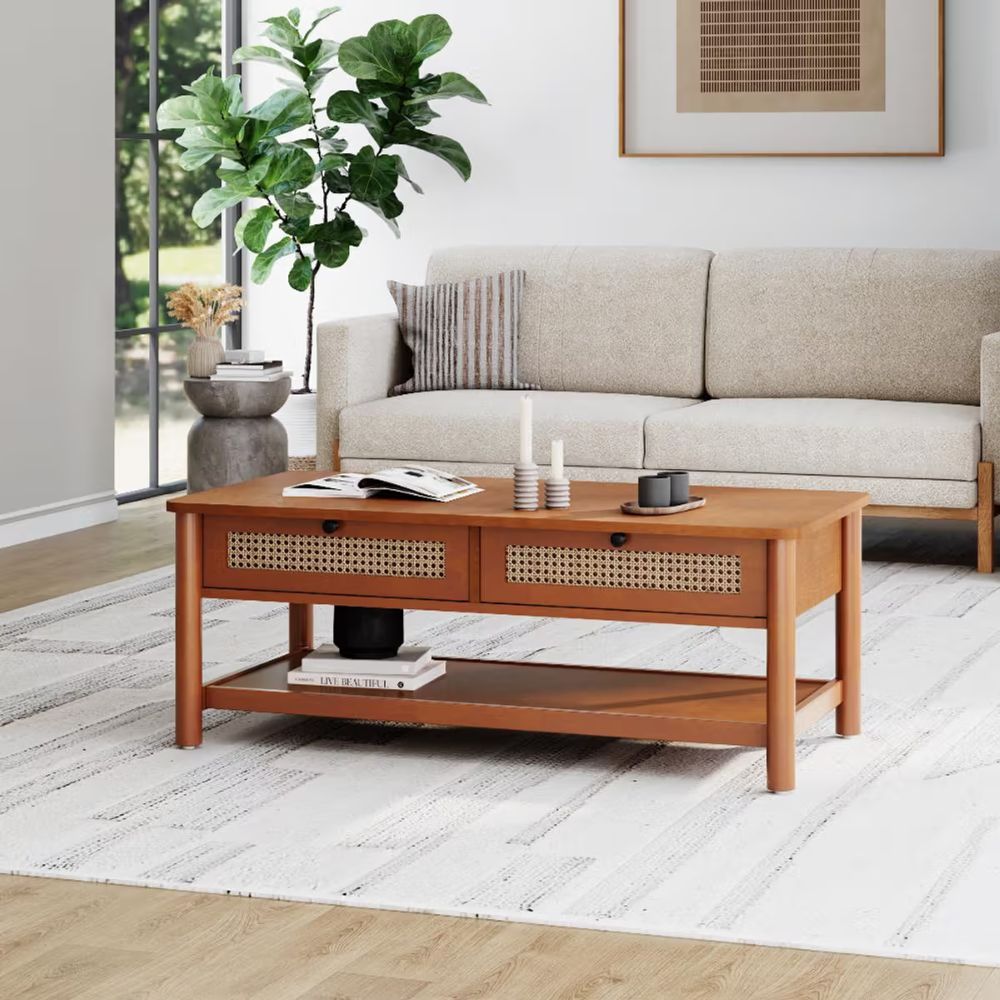
Wooden coffee tables are a timeless choice for living rooms, valued for their durability, natural warmth, and versatile appeal. Crafted from solid wood or engineered wood, these tables are designed to handle everyday use while adding character to the space. Common materials include hardwoods like teak or sheesham for a premium feel, as well as MDF or plywood for more budget-friendly options that still offer stability and style.
One of the defining aspects of wooden tables is their range of finishes. From natural wood grains that highlight texture to painted, stained, or matte finishes, a wooden coffee table design can easily adapt to different décor themes. Lighter finishes work well in Scandinavian or minimal interiors, while darker tones complement traditional or classic living rooms. Many designs also feature protective coatings to resist scratches, stains, and moisture.
In terms of style, wooden coffee tables come in countless forms rectangular, square, round, or nested sets. A modern wood coffee table often features clean lines, slim legs, and minimal detailing, making it ideal for contemporary homes. In contrast, carved or chunky designs add richness and depth to more traditional spaces. Storage options like drawers or lower shelves further enhance functionality.
Beyond aesthetics, wooden coffee tables are known for their longevity. They can withstand weight, frequent movement, and daily wear better than many other materials. Their ability to blend seamlessly with different interior styles from modern and rustic to industrial and bohemian makes wooden coffee tables a reliable and stylish investment for any living room.
Understanding Glass Coffee Tables
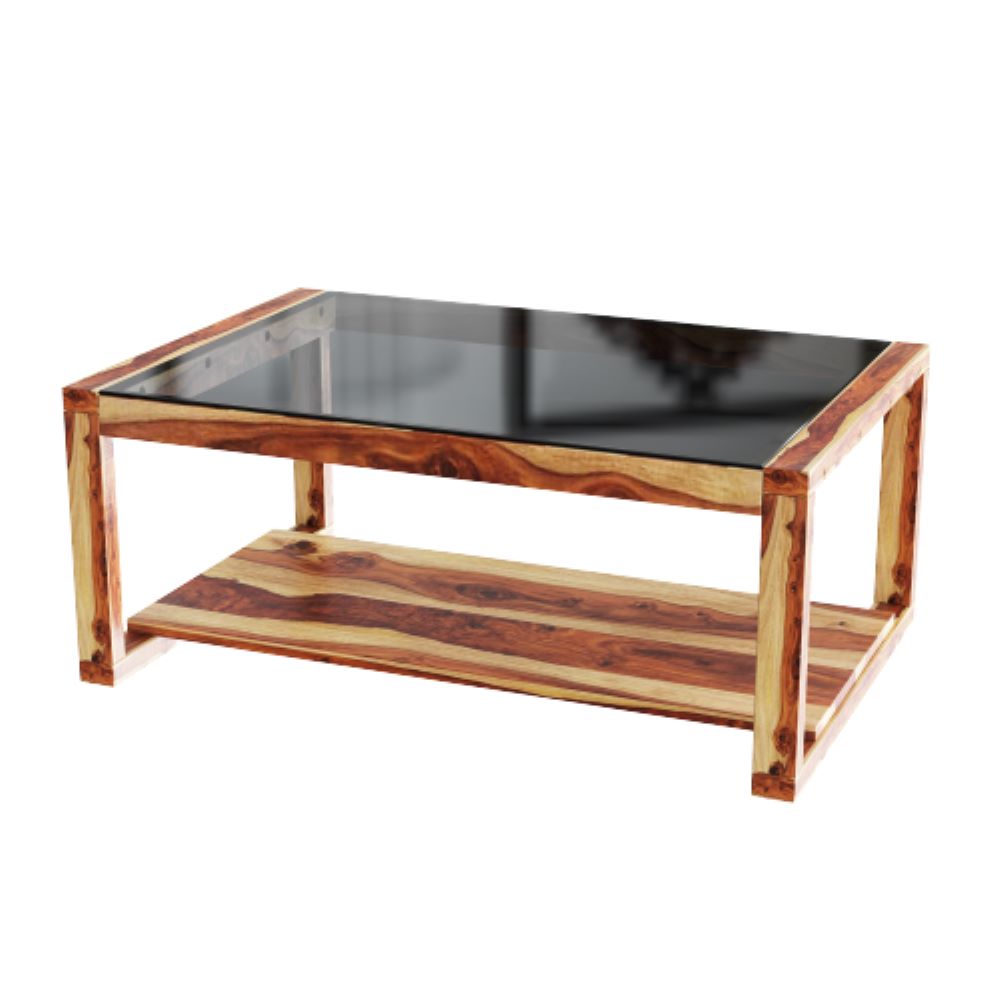
Glass coffee tables are a popular choice in modern homes, known for their sleek appearance and ability to make spaces feel lighter and more open. Unlike solid materials that visually anchor a room, glass reflects light and creates an illusion of more space, making it especially suitable for compact living rooms or apartments.
Most glass coffee tables are made using tempered glass, a safety-enhanced material that is significantly stronger than regular glass. Tempered glass is heat-treated to increase durability and, if it ever breaks, it shatters into small, blunt pieces rather than sharp shards. This makes glass coffee tables a safer and more practical option for everyday living, even in homes with children or pets.
Design-wise, glass coffee tables offer impressive versatility. Clear glass tops paired with metal frames suit contemporary and industrial interiors, while wooden or chrome bases bring warmth and contrast. Frosted, tinted, or smoked glass options add a layer of sophistication and help reduce fingerprints and glare. Some designs also combine glass with storage shelves or sculptural bases, turning the table into a functional statement piece.
Another key advantage of glass coffee tables is their ability to highlight surrounding décor. Rugs, flooring, and seating remain visually prominent, contributing to a balanced and uncluttered look. Easy to clean and resistant to moisture, they are low-maintenance as well.
Overall, glass coffee tables strike the perfect balance between style and practicality, enhancing visual openness while delivering a polished, modern aesthetic to any living space.
How to Choose Between Wooden and Glass Coffee Tables
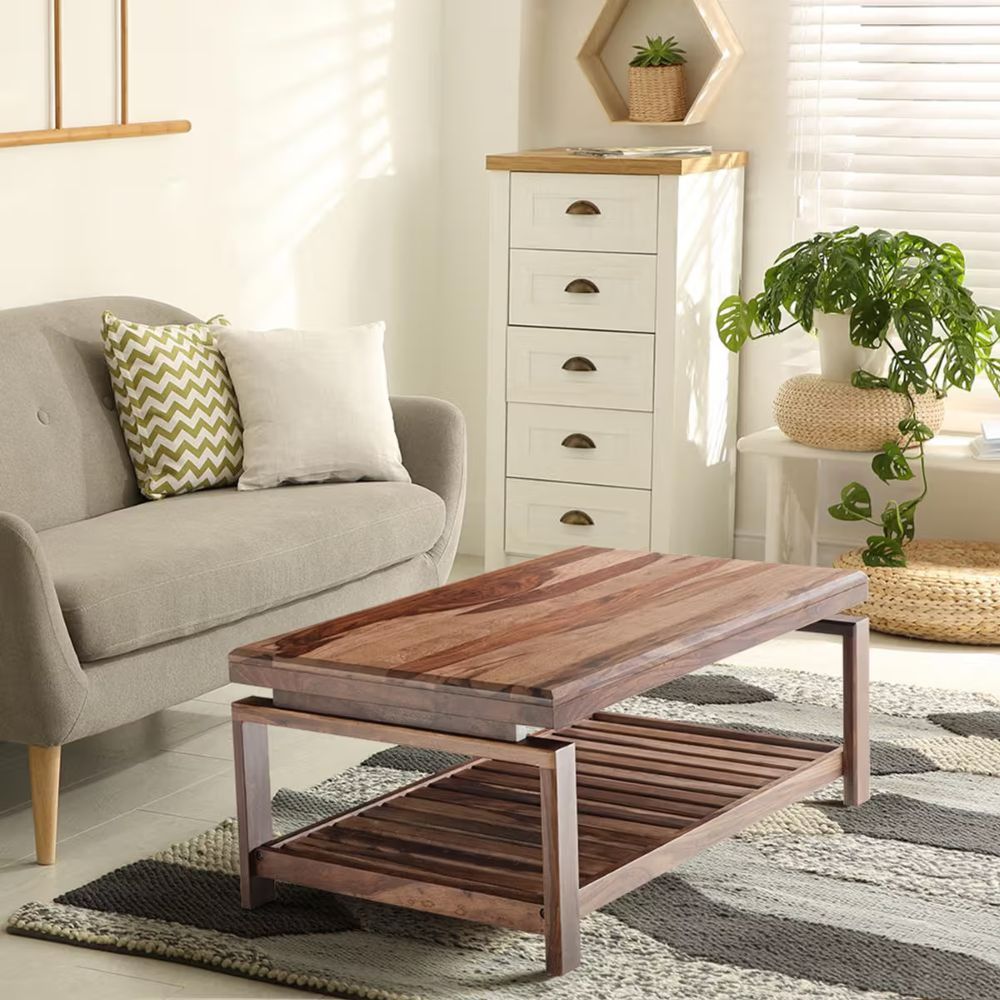
Choosing the right coffee table often comes down to balancing looks, space, and everyday practicality. Both wooden and glass options have their own strengths, and understanding how they fit into your home can make the decision easier.
1. Based on Interior Style and Space
Your existing coffee table style should complement the overall theme of your living room. Wooden coffee tables work beautifully in warm, traditional, rustic, or Scandinavian interiors. They add texture, depth, and a sense of coziness, making them ideal for family-centric spaces or rooms with neutral palettes. If your living room has heavier furniture or bold fabrics, wood helps ground the space visually.
Glass coffee tables, on the other hand, are perfect for modern, minimalist, or contemporary homes. Their transparent surface keeps the room feeling open and uncluttered, which is especially useful in smaller apartments. If your space already has strong design elements like patterned rugs or statement sofas a glass table allows those features to shine without competing for attention.
2. Based on Budget and Durability
Budget and usage play a major role in choosing the right coffee table style. Solid wood tables usually cost more upfront, but they offer excellent durability and can last for years with proper care. They’re ideal if your table will see heavy daily use, from serving snacks to supporting décor or books.
Glass coffee tables are often more budget-friendly, depending on the frame and glass quality. While tempered glass is strong and safe, it may require more frequent cleaning to maintain its look. If you prefer a lighter visual presence and moderate use, glass is a smart, stylish choice.
Ultimately, the best coffee table aligns with your lifestyle, space, and long-term needs.
Why Choose Wakefit Coffee Tables
When it comes to choosing a coffee table, the right balance of quality, design, and functionality can elevate your living space effortlessly. Wakefit coffee tables are thoughtfully crafted to meet the needs of modern Indian homes, where furniture is expected to be stylish, durable, and practical for everyday use.
1. Quality Materials
Wakefit focuses on using carefully selected, high-quality materials that ensure long-term durability. From engineered wood with sturdy finishes to strong metal frames where required, each coffee table is built to handle daily wear without losing its charm. The surfaces are designed to resist minor scratches and stains, making them suitable for homes with kids, pets, or frequent guests. This attention to material quality ensures that your table remains reliable and visually appealing for years.
2. Designed for Modern Indian Homes
Indian living rooms often serve multiple purposes family gatherings, relaxed evenings, work-from-home moments, and entertaining guests. Wakefit understands this versatility and designs furniture that fits seamlessly into varied layouts. Their coffee table design options are proportioned to suit both compact apartments and spacious living rooms, ensuring optimal use of coffee table space without making the room feel crowded. Neutral tones and clean silhouettes help the tables blend easily with different décor styles, from contemporary to minimal.
3. Thoughtful Design
What truly sets Wakefit apart is the focus on thoughtful, user-centric design. Many tables feature practical additions like lower shelves or smart surface sizing, allowing you to store books, remotes, or décor neatly. The coffee table design prioritizes comfort, safety, and everyday convenience while maintaining a refined look. Each piece is created to enhance how you use your living room, not just how it looks.
With Wakefit, you’re choosing a coffee table that combines durability, modern aesthetics, and functionality designed with real Indian homes in mind.
FAQs
1. Are wooden coffee tables more durable than glass ones?
In most households, wooden coffee tables are considered more durable than glass ones, especially for everyday use. Solid or engineered wood tables handle weight, minor bumps, and frequent movement better. Glass tables, even when made with tempered glass, can be more vulnerable to chips or cracks if impacted.
2. Which coffee table is easier to maintain, wood or glass?
Glass coffee tables are easier to clean on a daily basis since spills and dust can be wiped off quickly. However, they show fingerprints and smudges more easily. Wooden coffee tables require slightly more care but are forgiving when it comes to marks, making them easier to maintain long term.
3. How long does a wooden coffee table last?
A well-made wooden coffee table can last 8–15 years or even longer with proper care. Quality materials, strong joints, and protective finishes play a major role in extending its lifespan.
4. Which coffee table is better for heavy daily use?
For heavy daily use such as placing food trays, laptops, or kids’ activities wooden coffee tables are usually the better choice. They are sturdier, more stable, and less prone to visible damage compared to glass.
5. Which coffee table style matches traditional interiors better?
Traditional interiors pair best with wooden coffee tables, especially designs featuring warm tones, natural grains, or classic detailing. Wood blends naturally with traditional décor, while glass coffee tables are better suited to modern or minimalist spaces.


No Comments