
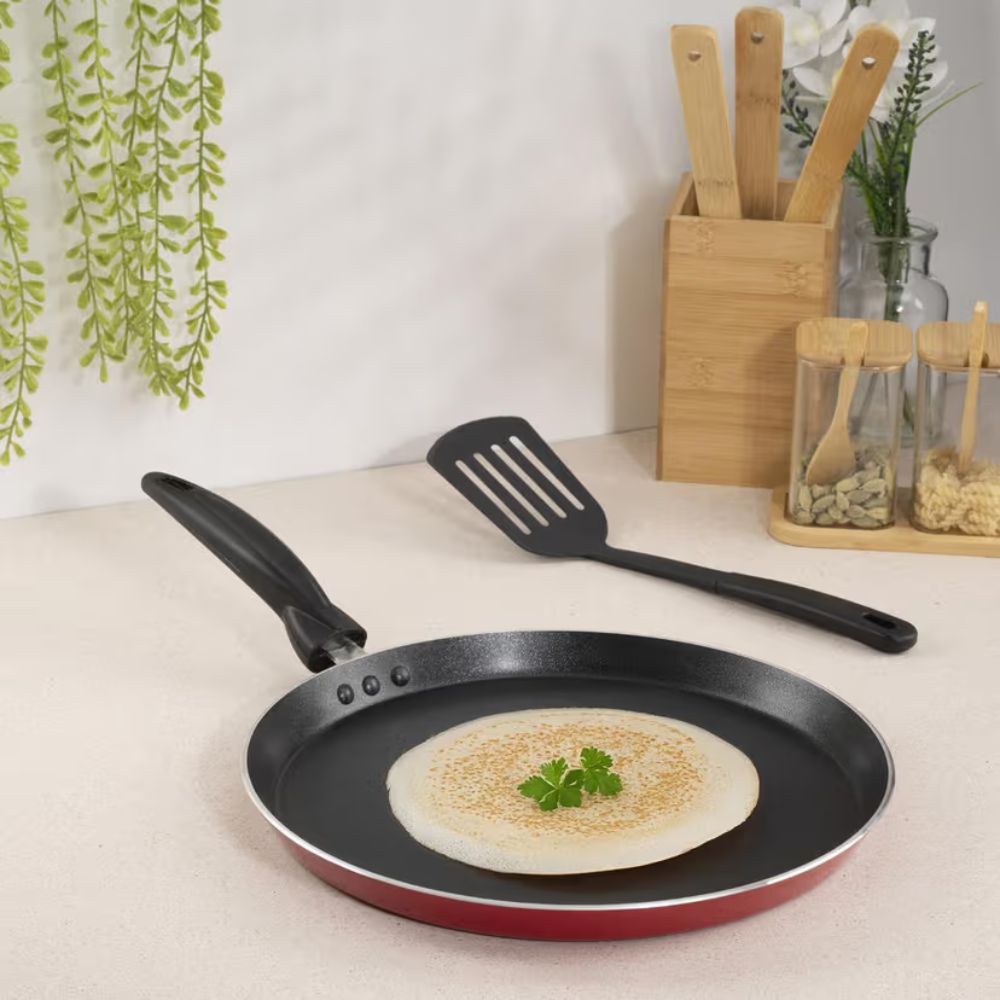

In every Indian kitchen, a tawa is more than just cookware it’s essential for making rotis, dosas, parathas, and chillas daily. Choosing the right one can significantly impact your cooking experience, health, and long-term convenience. When comparing non stick tawa vs iron tawa, the decision often comes down to your cooking style, maintenance preference, and nutritional priorities.
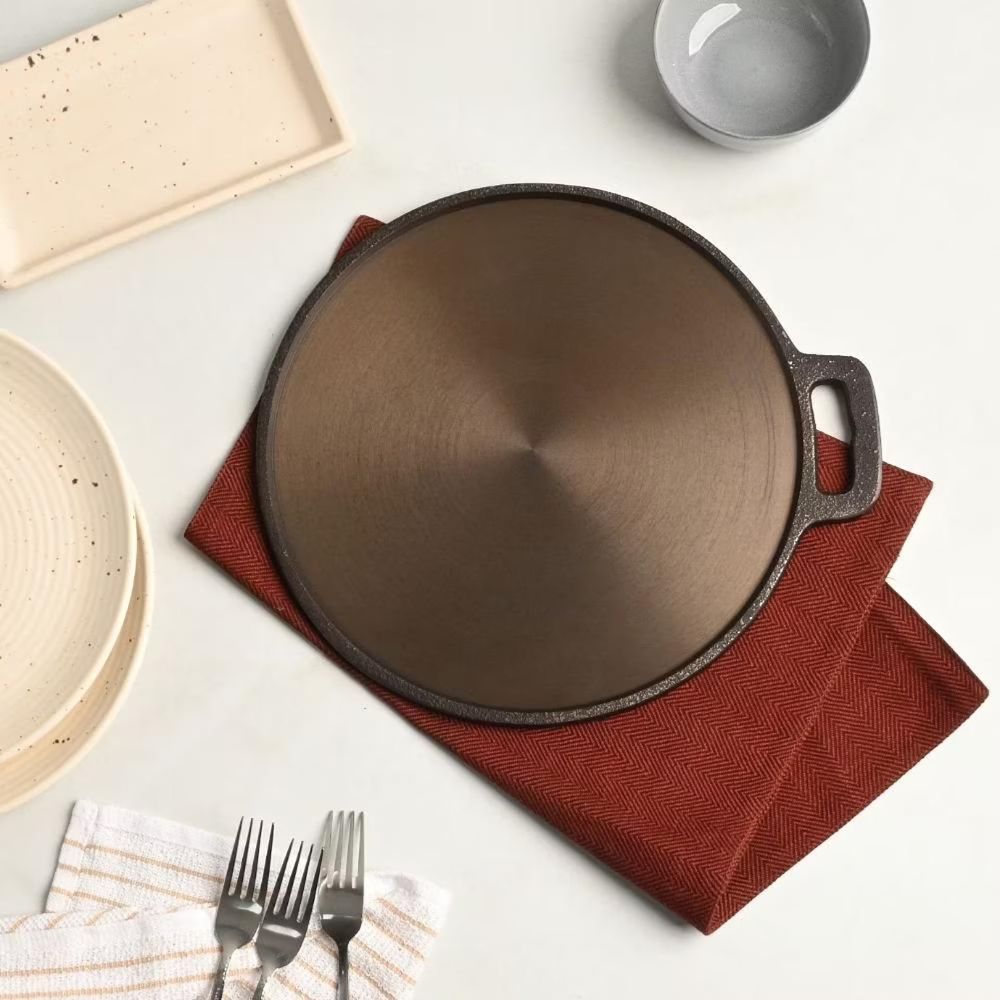
An iron tawa, especially cast iron, is known for its durability and ability to retain heat evenly. In the debate of cast iron tawa vs non stick tawa, cast iron stands out for its natural cooking surface and added iron benefits, which can slightly increase iron intake in food. It is ideal for high-heat cooking and delivers crispier rotis and perfectly browned dosas. However, it requires regular seasoning and proper drying to prevent rust.
On the other hand, non-stick tawas are valued for convenience. They require less oil, are easy to clean, and are lightweight making them perfect for quick, everyday meals. For busy households, the non stick tawa vs iron tawa comparison often favors non-stick due to its low maintenance and user-friendly design.
Ultimately, both options offer distinct advantages. If you prioritize health and longevity, iron may be your go-to. If ease of use and effortless cleaning matter more, a non-stick tawa could be the better everyday companion.
Overview of Iron Tawa
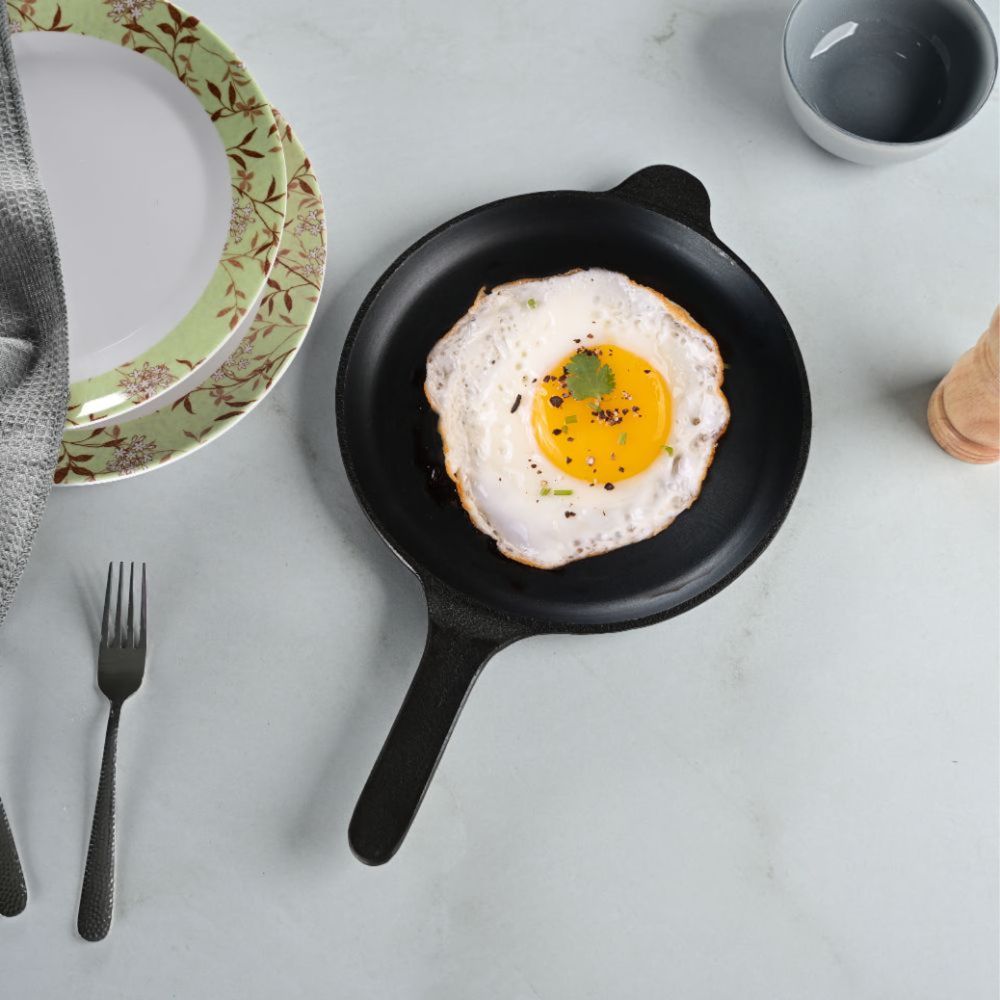
An iron tawa is one of the most traditional and trusted cookware choices in Indian kitchens. For generations, it has been used to prepare everyday staples like rotis, parathas, dosas, and uttapams. Known for its durability and natural cooking surface, an iron tawa is valued for both its performance and long lifespan.
One of the biggest advantages of an iron tawa is its excellent heat retention and even heat distribution. Once heated properly, it maintains a consistent temperature, helping achieve perfectly puffed rotis and crisp, golden-brown dosas. This makes it ideal for high-heat cooking and recipes that require steady surface temperature.
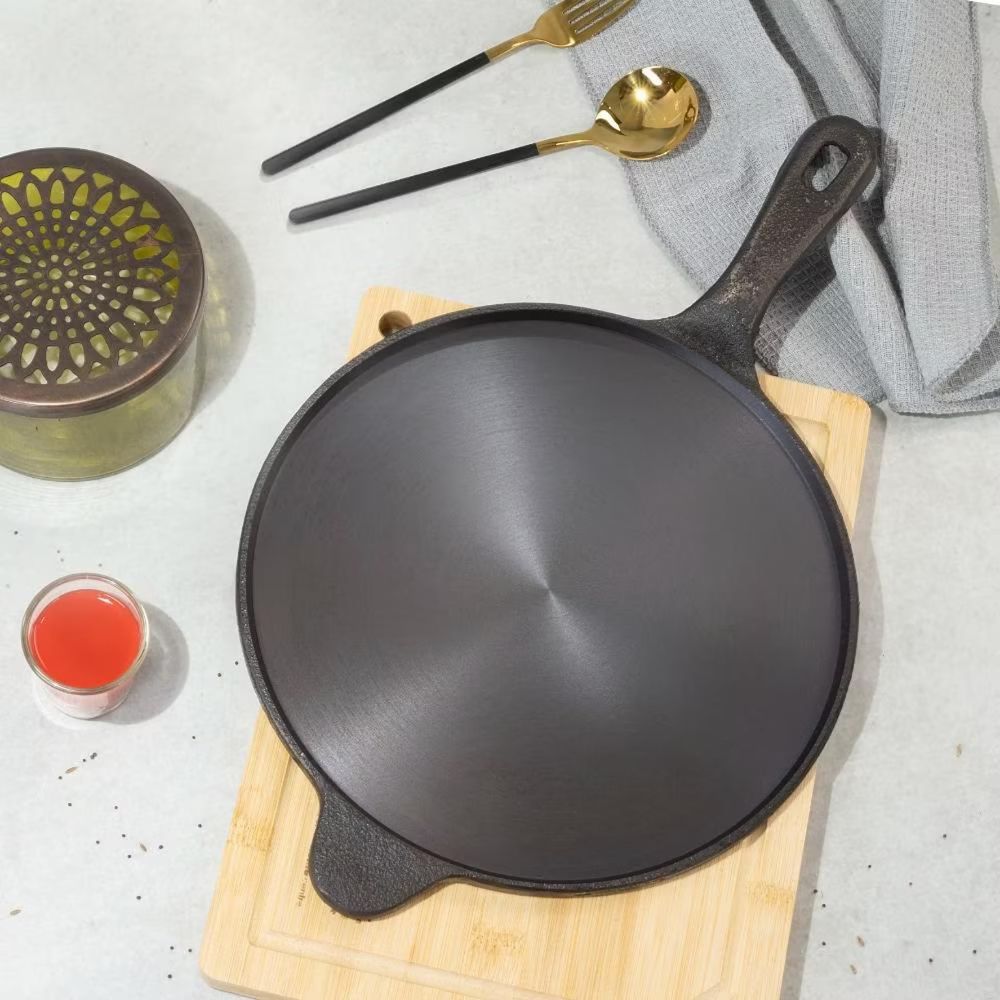
A cast iron tawa, in particular, is thicker and heavier compared to regular iron variants. Its sturdy build enhances heat retention further, ensuring uniform cooking without hotspots. Over time, a well-seasoned cast iron surface develops a natural non-stick layer, reducing the need for excess oil while improving flavor. Many home cooks appreciate how a cast iron tawa becomes better with age when maintained properly.
Another notable benefit is longevity. With regular seasoning and proper care, an iron tawa can last for decades without losing its effectiveness. Unlike coated cookware, it does not peel or chip, making it a sustainable and long-term investment.
Though it requires slightly more maintenance such as drying thoroughly after washing and occasional oil seasoning an iron tawa remains a dependable, health-conscious, and time-tested cookware essential for everyday Indian cooking.
Iron vs Non-Stick Tawa: Key Differences
Choosing between an iron and non-stick option can feel confusing, especially for everyday Indian cooking. To simplify the iron tawa vs non stick comparison, here’s a clear breakdown of their key differences so you can decide quickly based on your needs.
1. Heat Retention & Cooking Performance
Iron tawas retain heat for longer and distribute it evenly, making them ideal for crisp dosas and perfectly roasted rotis. Non-stick tawas heat up faster but cool down quickly, which works well for quick, low to medium-heat cooking.
2. Oil Usage & Health Factor
Iron tawas typically require a little more oil, especially before proper seasoning. However, once seasoned, they develop a natural coating. Non-stick tawas need minimal oil, making them convenient for low-oil cooking, but the coating may wear out over time.
3. Durability & Lifespan
In the iron tawa vs non stick debate, iron wins in longevity. With proper care, an iron tawa can last for decades. Non-stick tawas have a limited lifespan since the coating can scratch or peel with use.
4. Maintenance & Convenience
Non-stick tawas are easier to clean and lightweight, making them user-friendly. Iron tawas require seasoning and thorough drying to prevent rust.
Quick Choice Tip:
Choose iron for durability and traditional cooking results. Opt for non-stick if you prefer convenience and effortless maintenance.
Which Tawa Suits Your Cooking Needs Best?
Choosing the right tawa depends largely on your cooking habits, lifestyle, and daily routine. Every kitchen is different, and the ideal option should match how often you cook, what you cook, and how much time you want to spend on maintenance.
If you prepare rotis, parathas, and dosas daily and prefer traditional cooking methods, an iron or cast iron tawa can be a reliable companion. It offers excellent heat retention and delivers authentic texture and flavor. This option is well-suited for households that cook frequently and don’t mind seasoning the tawa regularly to maintain its surface.
On the other hand, if you have a busy schedule and need something quick and low-maintenance, a non stick tawa may be the better choice. It heats up quickly, requires less oil, and is extremely easy to clean. For working professionals, students, or small families who prioritize convenience, a non stick tawa simplifies everyday cooking without compromising efficiency.
Consider your comfort level with upkeep as well. Iron tawas require drying and occasional oil seasoning, while non-stick variants are lightweight and easier to handle. If you often cook delicate foods like pancakes or omelettes along with Indian flatbreads, a non stick tawa offers smoother flipping and better control.
Ultimately, the best tawa is one that fits seamlessly into your daily routine balancing performance, effort, and the type of meals you enjoy preparing most.
Iron vs Non-Stick Tawa for Indian Kitchens
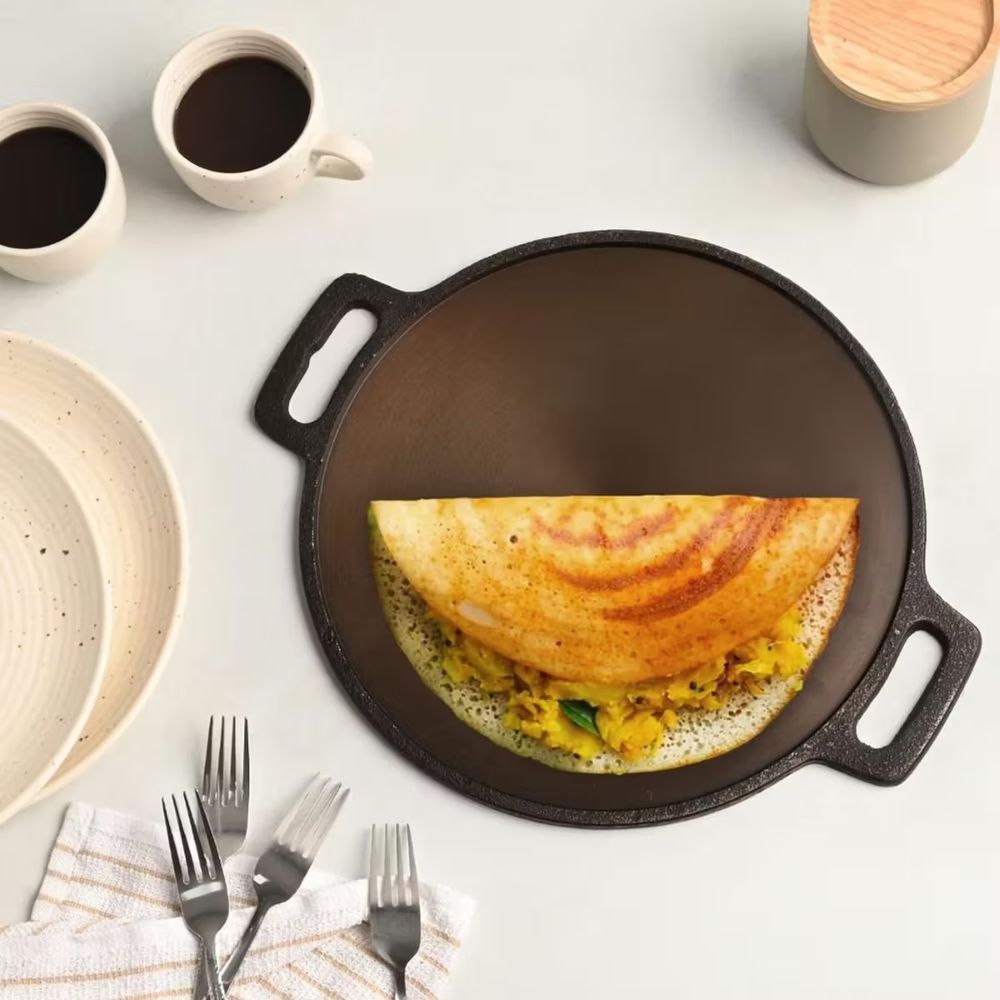
Indian kitchens demand cookware that can handle high heat, repeated use, and a wide variety of dishes from puffed rotis and crispy dosas to spicy parathas and cheelas. When comparing cast iron tawa vs non stick tawa, it’s important to consider real-life cooking conditions like daily meal prep, gas stove usage, and frequent temperature changes.
A cast iron tawa performs exceptionally well in traditional Indian cooking. It can withstand high flames commonly used for making rotis and evenly distributes heat across the surface. This ensures consistent browning and better texture, especially for dishes that require steady heat. In the cast iron tawa vs non stick tawa comparison, cast iron is also highly durable and ideal for households where cooking happens multiple times a day. With proper seasoning, it develops a natural coating that enhances flavor over time.
On the other hand, non-stick tawas are practical for modern, fast-paced kitchens. They heat up quickly and require less oil, which is helpful for lighter meals and quick breakfasts before work or school. For families that prioritize convenience and easy cleanup, non-stick is a comfortable everyday solution. However, it may not handle very high heat as effectively as cast iron and requires careful use to maintain the coating.
Ultimately, in Indian kitchens where versatility and durability matter, cast iron suits traditional and heavy-duty cooking, while non-stick supports convenience and quick meal preparation. The right choice depends on how you cook every day.
Care and Maintenance Tips for Long-Lasting Use
Proper care plays a major role in extending the life of your tawa, whether it’s cast iron or non-stick. With the right maintenance routine, you can ensure consistent cooking performance and long-term durability.
1. Caring for a Cast Iron Tawa
To prevent cast iron tawa rust, always dry the tawa thoroughly after washing. Moisture is the primary cause of rusting, so avoid air-drying. Instead, place it back on low heat for a few minutes to remove any remaining water. After drying, apply a thin layer of cooking oil and spread it evenly across the surface. This seasoning process helps maintain a natural non-stick layer and protects the tawa from moisture.
Avoid using harsh detergents or steel scrubbers frequently, as they can strip away seasoning. If rust does appear, gently scrub the surface, rinse, dry completely, and re-season before the next use.
2. Maintaining a Non-Stick Tawa
For non-stick variants, always allow the tawa to cool before washing to prevent warping. Use a soft sponge and mild dish soap to tawa clean effectively without damaging the coating. Avoid metal spatulas or abrasive scrubbers, as they can scratch the surface and reduce lifespan.
Cook on low to medium heat to protect the non-stick layer, and store the tawa carefully to avoid surface scratches placing a soft cloth between stacked cookware can help.
By following these simple cleaning and storage practices, you can keep your tawa performing efficiently for years while maintaining hygiene and cooking quality in your kitchen.
FAQs
1. Which tawa is better for making rotis and chapatis?
An iron or cast iron tawa is generally better for rotis and chapatis because it retains heat evenly and handles high flame well. This helps achieve perfectly puffed rotis with light brown spots. Non-stick tawas also work, but iron delivers a more traditional texture and finish.
2. How long does an iron tawa last with regular use?
With proper care and regular seasoning, an iron tawa can last for decades. Unlike coated cookware, it doesn’t peel or chip. Preventing rust and maintaining the seasoning layer are key to extending its lifespan.
3. Are iron tawas suitable for beginners in cooking?
Yes, but they require a little practice. Beginners may need time to understand heat control and seasoning. Once properly seasoned, an iron tawa becomes easier to use and improves cooking results over time.
4. Can I use metal spatulas on a non-stick tawa?
It is not recommended. Metal spatulas can scratch and damage the non-stick coating, reducing the tawa’s lifespan. Always use wooden, silicone, or heat-resistant plastic spatulas for better durability.
5. Which tawa is more durable for everyday cooking?
Iron tawas are generally more durable for long-term daily use, especially in Indian kitchens where high-heat cooking is common. Non-stick tawas are convenient and easy to maintain but may need replacement after a few years depending on usage.


No Comments