
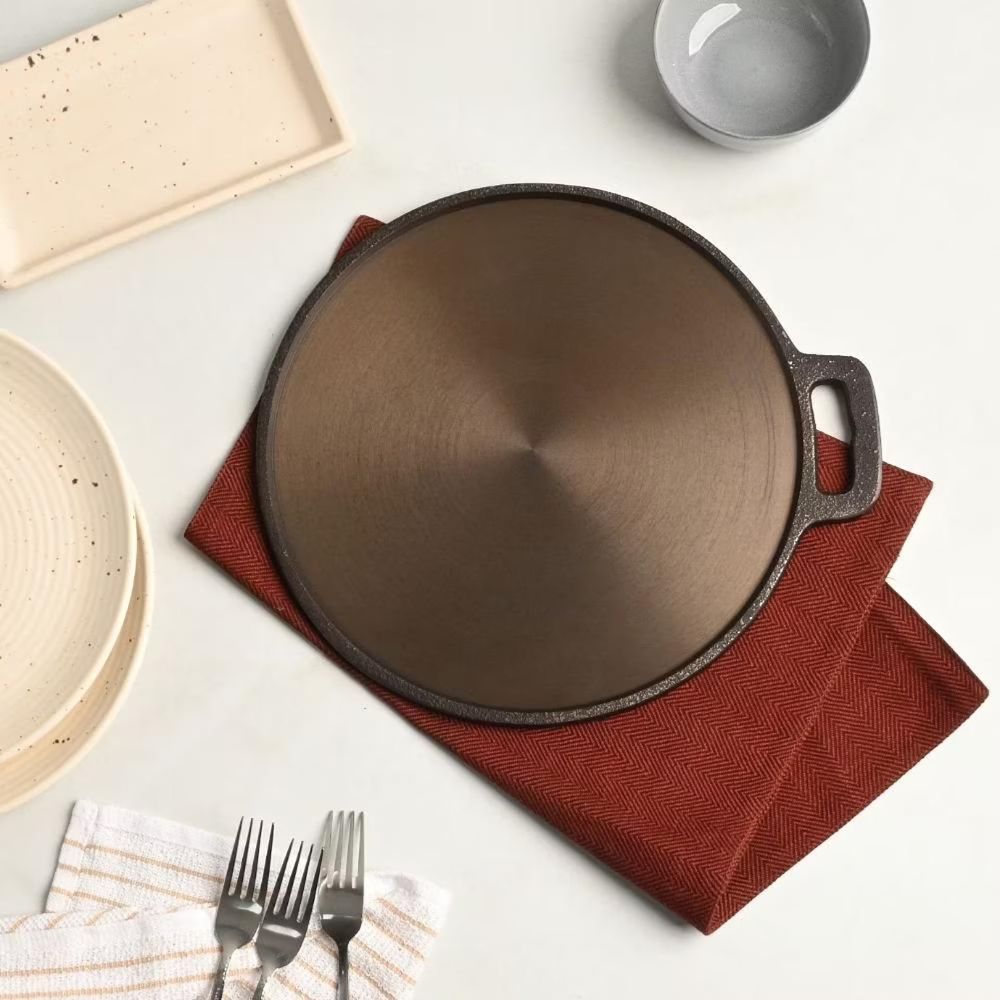

An iron tawa has been a staple in Indian kitchens for generations, trusted for preparing everyday favourites like rotis, parathas, and dosas. Rooted in traditional cooking practices, this simple yet powerful cookware is now gaining renewed popularity as more households become conscious about healthier cooking choices. With increasing awareness around natural materials and chemical-free cookware, many families are rediscovering the benefits of iron tawa for daily use.
One of the key advantages of using an iron tawa is its natural composition. Unlike coated cookware, it does not contain synthetic layers that may wear off over time. When seasoned properly, it develops a natural non-stick surface, reducing the need for excessive oil while maintaining authentic taste and texture. This makes it a reliable option for wholesome, home-cooked meals.
Among the most talked-about benefits of iron tawa is its ability to add small amounts of dietary iron to food during cooking. While not a replacement for medical supplementation, this natural infusion can contribute to overall iron intake, especially in households that cook flatbreads regularly.
Durability is another major advantage. An iron tawa can last for decades with proper care, making it both a sustainable and cost-effective investment. As modern kitchens blend tradition with health-conscious decisions, the iron tawa continues to stand out as a time-tested, dependable, and healthier cookware essential.
Why Iron Tawa Is Popular in Indian Kitchens
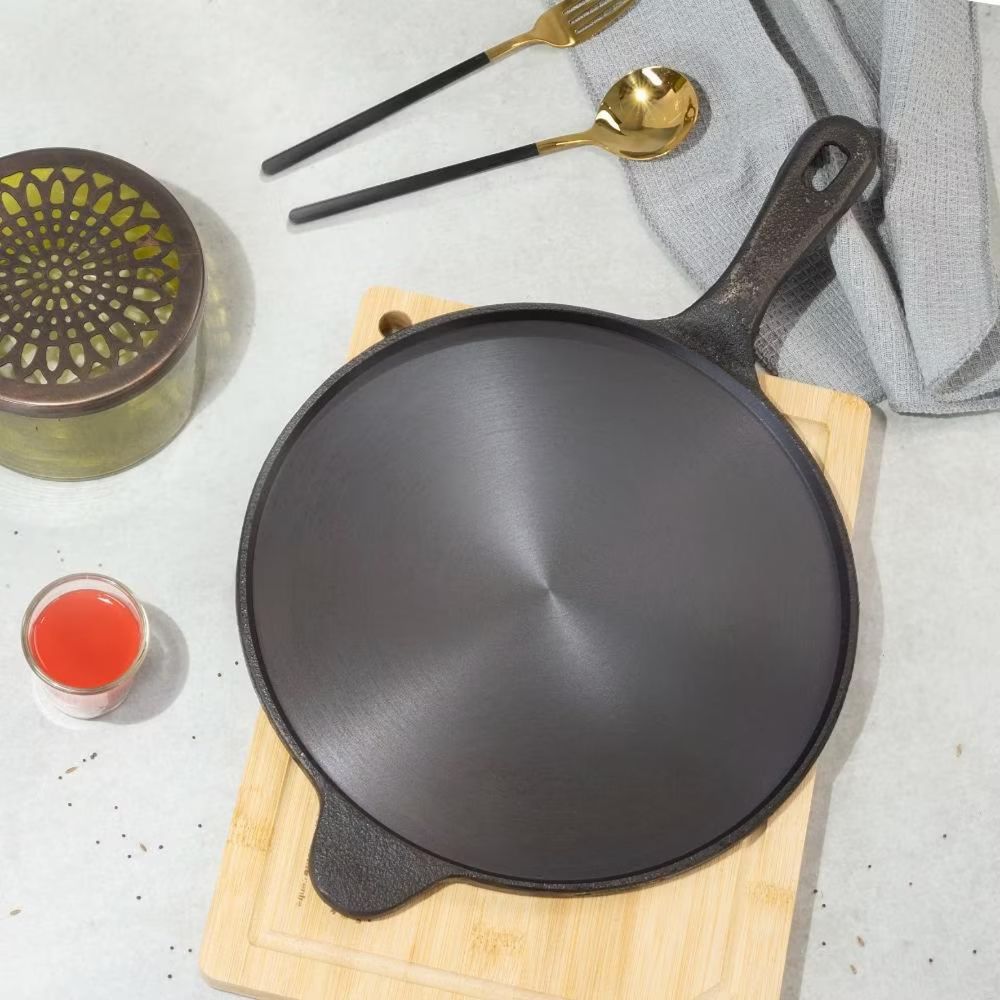
The iron tawa holds a special place in Indian kitchens, deeply rooted in tradition and everyday cooking practices. For generations, it has been the go-to cookware for preparing staples like rotis, parathas, and dosas. Its continued popularity is not just about nostalgia it’s about performance, durability, and the authentic taste it delivers.
In many households, a cast iron tawa is passed down over the years because of its long lifespan and dependable cooking results. Unlike modern coated cookware, cast iron is built to withstand high heat, making it ideal for Indian cooking styles that often require strong flames and consistent temperatures. Whether it’s puffing up soft chapatis or crisping up masala dosas, iron handles the task effortlessly.
The cast iron dosa tawa is especially valued in South Indian homes for its ability to distribute heat evenly. This ensures golden, evenly cooked dosas with the perfect crisp texture. Over time, as the surface gets seasoned, the tawa develops a natural non-stick layer that enhances both cooking performance and flavor.
Similarly, a cast iron tawa for roti is widely preferred because it retains heat well, helping rotis cook uniformly and puff beautifully. Its sturdy build prevents warping and maintains steady heat throughout repeated use.
Beyond functionality, the iron tawa represents a balance between tradition and practicality. It suits everyday cooking, supports high-temperature recipes, and lasts for years with proper care making it a trusted and popular choice in Indian households.
How Cooking with Iron Tawa Increases Iron Intake
Cooking with an iron tawa is not just a traditional practice it can also contribute to better nutritional value in everyday meals. Iron is an essential mineral required for producing hemoglobin, supporting oxygen circulation in the body, and maintaining overall energy levels. In many Indian households where rotis and other flatbreads are consumed daily, using an iron tawa can offer small but meaningful dietary benefits.
When food is cooked on an iron tawa, especially at high temperatures, trace amounts of iron can naturally leach into the food. This process happens more effectively when cooking slightly acidic foods or when the tawa is well-seasoned and regularly used. Over time, this can contribute modestly to daily iron intake, which is particularly helpful in regions where iron deficiency is common.
Using an iron tawa for roti is one of the simplest ways to incorporate this benefit into your daily routine. Since rotis are prepared almost every day in many homes, cooking them on iron cookware allows for consistent exposure to this natural source of iron. While it should not replace medical treatment or iron supplements for those with diagnosed deficiencies, it can complement a balanced diet.
Beyond nutrition, an iron tawa also supports healthier cooking habits. It does not rely on synthetic coatings and develops a natural non-stick surface through seasoning. By choosing an iron tawa for daily meals, households combine traditional wisdom with modern health awareness making it a practical and beneficial cookware choice for long-term well-being.
Health Benefits of Iron Tawa for Different Age Groups
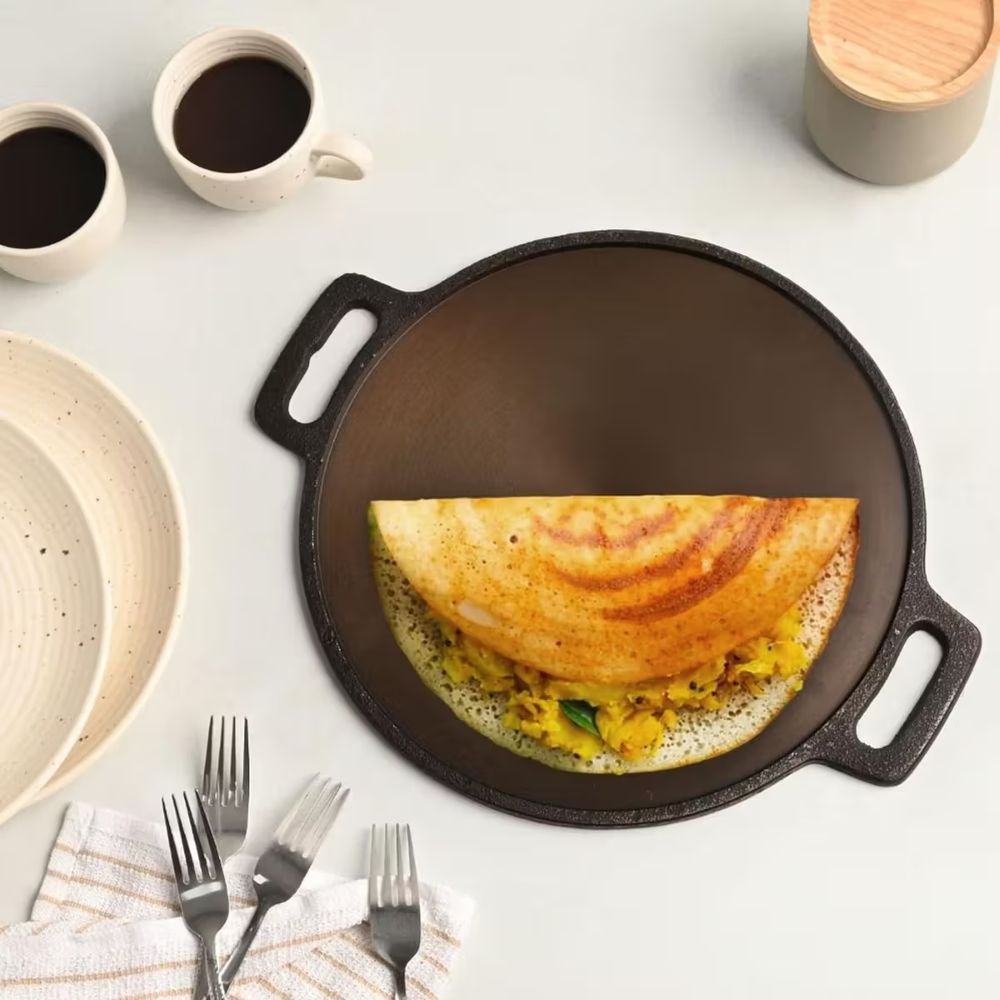
Cooking on an iron tawa has long been a part of Indian culinary tradition, and today, more families are rediscovering the benefits of iron tawa for overall health. Since iron is an essential mineral required for oxygen transport, energy production, and immune support, using iron cookware can offer small but meaningful nutritional advantages for people across age groups.
1. For Children and Teenagers
Growing children and adolescents require adequate iron to support physical growth, brain development, and energy levels. Regularly preparing rotis, dosas, and parathas on an iron tawa may help increase trace iron content in food, contributing to daily dietary intake alongside balanced meals.
2. For Women
Women, particularly during menstruation, pregnancy, and postpartum phases, often have higher iron requirements. One of the practical benefits of iron tawa is its ability to naturally add small amounts of iron to everyday foods. While it should not replace medical supplements when prescribed, it can support overall dietary efforts.
3. For Adults with Active Lifestyles
Working professionals and physically active individuals need consistent energy throughout the day. Iron plays a key role in reducing fatigue and supporting stamina. Cooking daily staples on iron cookware can be a simple lifestyle choice that complements a nutritious diet.
For Older Adults:
As metabolism changes with age, maintaining balanced nutrition becomes essential. The benefits of iron tawa extend to seniors by supporting steady iron intake through familiar, home-cooked meals.
By integrating iron cookware into everyday cooking, families across generations can combine tradition with mindful nutrition for long-term well-being.
Iron Tawa vs Non-Stick Tawa: Health Perspective
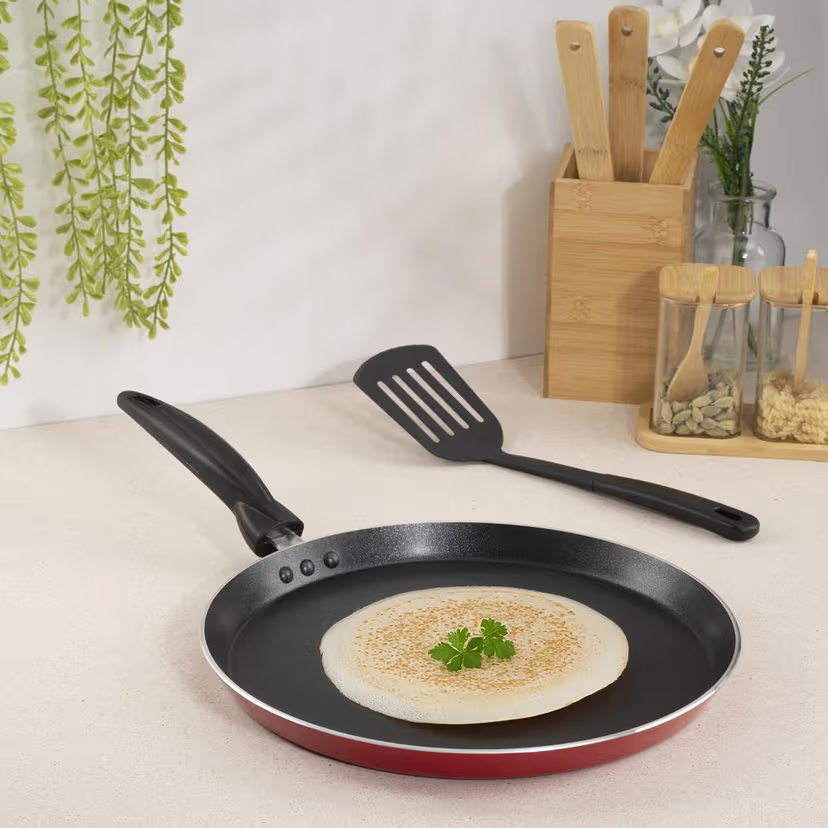
When choosing cookware for daily meals, health is often a top priority. In the comparison of non stick tawa vs iron tawa, both options offer unique advantages, but they differ significantly in how they impact long-term cooking habits and nutrition.
An iron tawa is widely appreciated for its natural composition. It does not rely on synthetic coatings and, when seasoned properly, develops a natural non-stick surface over time. One of its key health-related benefits is the ability to add small traces of iron to food during cooking. While this is not a substitute for medical supplementation, it can modestly support daily iron intake especially in households that prepare rotis and dosas regularly.
On the other hand, non-stick tawas are valued for convenience and low-oil cooking. They require minimal oil, which can support calorie-conscious diets. For individuals aiming to reduce fat consumption, this can be a practical advantage in the non stick tawa vs iron tawa comparison. However, non-stick cookware must be used carefully to avoid overheating or scratching, as damaged coatings may reduce performance and longevity.
From a health perspective, iron tawas are often preferred for their durability and traditional cooking benefits, while non-stick tawas are chosen for ease and controlled oil usage. Ultimately, the healthier option depends on your cooking style, maintenance habits, and nutritional priorities.
Proper Care of Iron Tawa for Health Benefits
To fully enjoy the health and durability advantages of a cast iron tawa, proper care is essential. Maintenance not only extends its lifespan but also preserves its cooking performance and hygiene. A well-maintained tawa develops a natural non-stick surface over time, ensuring better cooking results and safer food preparation.
One of the most important steps in caring for a cast iron tawa is seasoning. After washing and thoroughly drying it, apply a thin layer of cooking oil and heat it for a few minutes. This process creates a protective coating that prevents rust and enhances the natural non-stick layer. Regular seasoning strengthens this layer, improving both flavor and cooking efficiency.
Drying the tawa completely after every wash is crucial. Moisture is the main cause of rust formation. Instead of air-drying, place the tawa on low heat to remove any remaining water. Proper storage in a dry area further reduces the risk of damage.
When cleaning, avoid harsh detergents and abrasive scrubbers that can strip away seasoning. Use warm water and a soft brush or sponge to remove food particles. If rust appears, gently scrub it off, dry the surface thoroughly, and re-season before next use.
Maintaining hygiene also means avoiding the buildup of old oil or residue. Clean the surface promptly after cooking and reapply oil lightly before storage. With consistent care, a cast iron tawa not only remains safe and hygienic but also continues to deliver long-lasting health and cooking benefits for years.
FAQs
1. How does cooking on an iron tawa increase dietary iron intake?
When food is cooked on an iron tawa, especially at high temperatures, small traces of iron can naturally transfer from the surface into the food. This happens more effectively with slightly moist or mildly acidic dishes. While the amount is moderate, regular use can contribute to daily iron intake as part of a balanced diet.
2. How often should I use an iron tawa to see health benefits?
Consistency matters more than frequency. Using an iron tawa daily for staples like rotis or dosas can gradually support dietary iron intake. However, it should complement not replace iron-rich foods and medical advice if someone has a diagnosed deficiency.
3. Does cooking on an iron tawa change the taste of food?
When properly seasoned, an iron tawa does not negatively affect taste. In fact, many people feel it enhances flavor and gives rotis and dosas a more authentic texture. If the tawa is not seasoned well, a slight metallic taste may occur, which can be resolved through proper seasoning.
4. How should I season my iron tawa for optimal health benefits?
Wash and dry the tawa thoroughly, apply a thin layer of cooking oil, and heat it until it lightly smokes. Let it cool and wipe off excess oil. Regular seasoning maintains a natural non-stick surface and prevents rust.
5. How does iron tawa compare to stainless steel or aluminum for nutrition?
Unlike stainless steel or aluminum, iron cookware can add trace amounts of dietary iron to food. Stainless steel and aluminum do not provide this benefit, though they are easier to maintain.


No Comments