
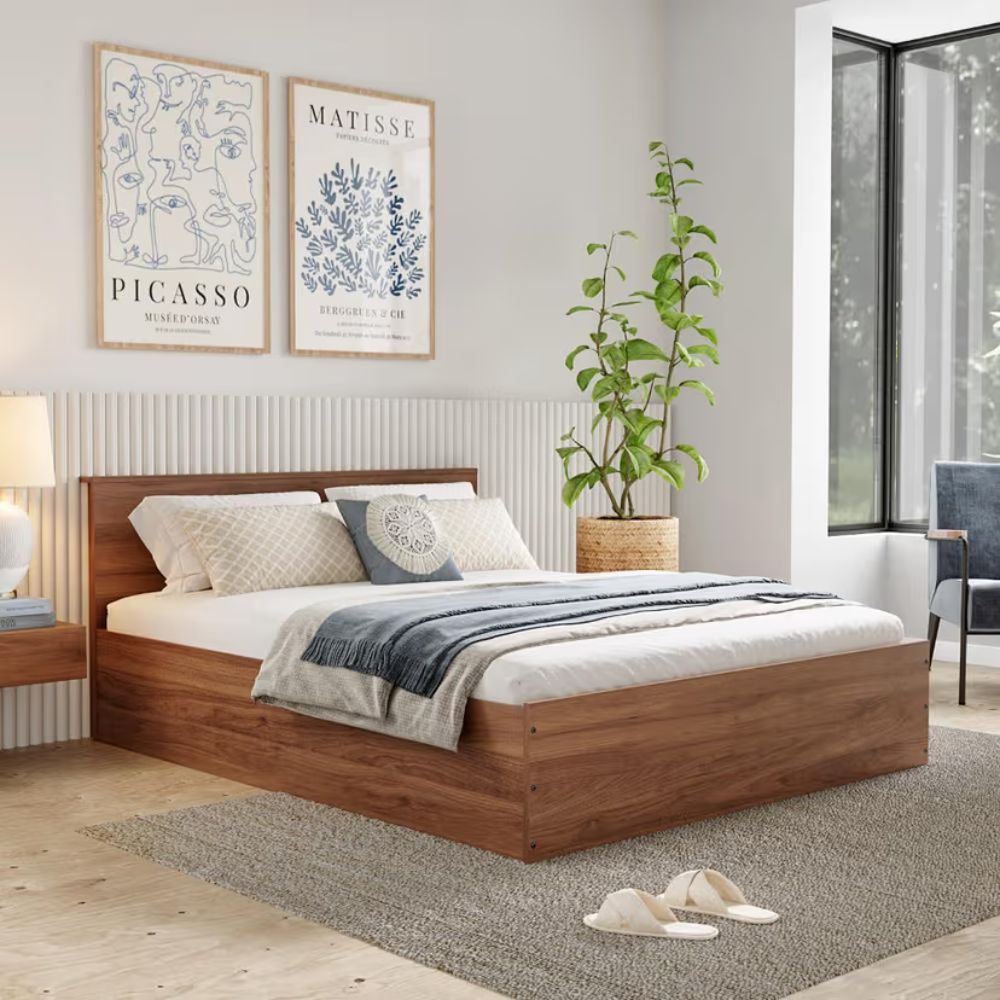

Choosing the right bed goes far beyond size or mattress type the material of your bed frame plays a crucial role in comfort, durability, aesthetics, and long-term value. When comparing a metal bed vs wooden bed, it’s important to consider how each material affects everyday use and overall bedroom design. The bed frame supports your mattress, influences noise levels, determines sturdiness, and contributes significantly to the room’s style statement. A well-chosen material can enhance sleep quality while also serving as a long-lasting furniture investment.
Wooden beds are known for their timeless appeal, natural warmth, and solid construction. Crafted from materials like sheesham, oak, or engineered wood, they offer durability and a premium look that blends seamlessly with both traditional and modern interiors. On the other hand, metal beds provide a sleek, minimalist appearance and are often lighter, easier to move, and more budget-friendly. They are resistant to pests and moisture, making them practical in certain environments.
The comparison becomes even more important when choosing bunk beds for kids or shared spaces. In the debate of metal vs wood bunk bed, factors such as weight-bearing capacity, safety, maintenance, and longevity come into play. While metal bunk beds may offer a contemporary look with easy assembly, wooden bunk beds often provide greater stability and a sturdier feel.
Ultimately, understanding the strengths and limitations of both materials will help you choose a bed that aligns with your comfort preferences, décor style, and long-term needs.
Understanding Different Types of Bed Frames
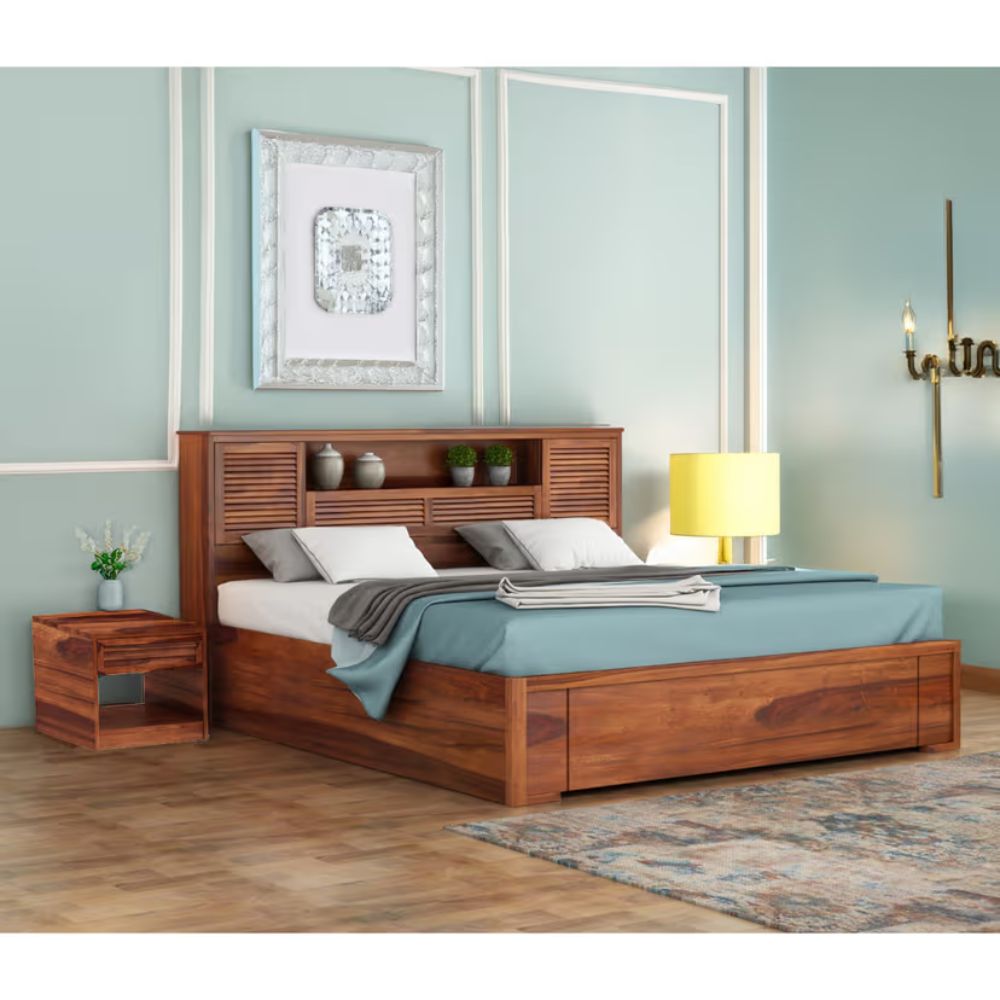
A bed frame is more than just a structure that holds your mattress it forms the foundation of your comfort, support, and bedroom aesthetics. Choosing the right bed frame impacts sleep quality, room organization, durability, and even the lifespan of your mattress. With so many types of bed frames available today, understanding their features and materials can help you make a smarter and more long-term investment. From classic wooden designs to modern metal structures and upholstered styles, each option serves different functional and visual purposes.
Material plays a key role when selecting the best type of bed frame for your needs. Wooden bed frames offer strength, durability, and a timeless appeal that suits both traditional and contemporary interiors. They are sturdy, long-lasting, and often available with storage options. Metal bed frames, on the other hand, are lightweight, affordable, and ideal for minimalist or industrial-style spaces. Upholstered frames add a touch of luxury and comfort with padded headboards, making them perfect for modern bedrooms focused on style and relaxation.
Beyond material, bed frames also vary in structure. Platform beds provide built-in mattress support without the need for a box spring, while storage beds maximize space with drawers or hydraulic lifts. Bunk beds and loft beds are ideal for compact rooms, and adjustable frames offer customizable comfort for enhanced support.
By understanding the different designs, materials, and features available, you can select a bed frame that not only complements your décor but also supports your lifestyle, comfort preferences, and long-term durability requirements.
Wooden Beds vs Metal Beds – Material Comparison
When choosing the right bed for your bedroom, understanding the difference between materials is essential. A bed is a long-term investment, and the frame material directly impacts durability, maintenance, aesthetics, and overall comfort. In the debate between a wood and metal bed frame, both options offer distinct advantages that cater to different lifestyles, room designs, and budget preferences. Setting up a side-by-side comparison helps highlight what truly matters when selecting the ideal bed frame.
Wooden bed frames are often associated with strength, longevity, and timeless appeal. Crafted from solid wood or engineered wood, they provide a sturdy foundation with natural warmth and elegance. Their solid structure typically reduces noise and movement, making them a reliable option for everyday use. Wooden frames also complement a wide range of interior styles, from traditional to contemporary, and often come with built-in storage features for added functionality.
On the other hand, metal bed frames are valued for their sleek design, lightweight structure, and affordability. They are generally easier to assemble and move, making them suitable for renters or those who frequently rearrange their space. Metal frames are resistant to pests and can perform well in humid environments, though they may occasionally produce noise if joints loosen over time.
The comparison becomes even more interesting when evaluating a metal and wood platform bed, as platform styles eliminate the need for box springs and rely heavily on frame strength for mattress support. Both materials can deliver excellent performance, but the choice ultimately depends on your priorities whether you value natural aesthetics and sturdiness or modern design and flexibility.
How to Choose Between Wooden and Metal Beds
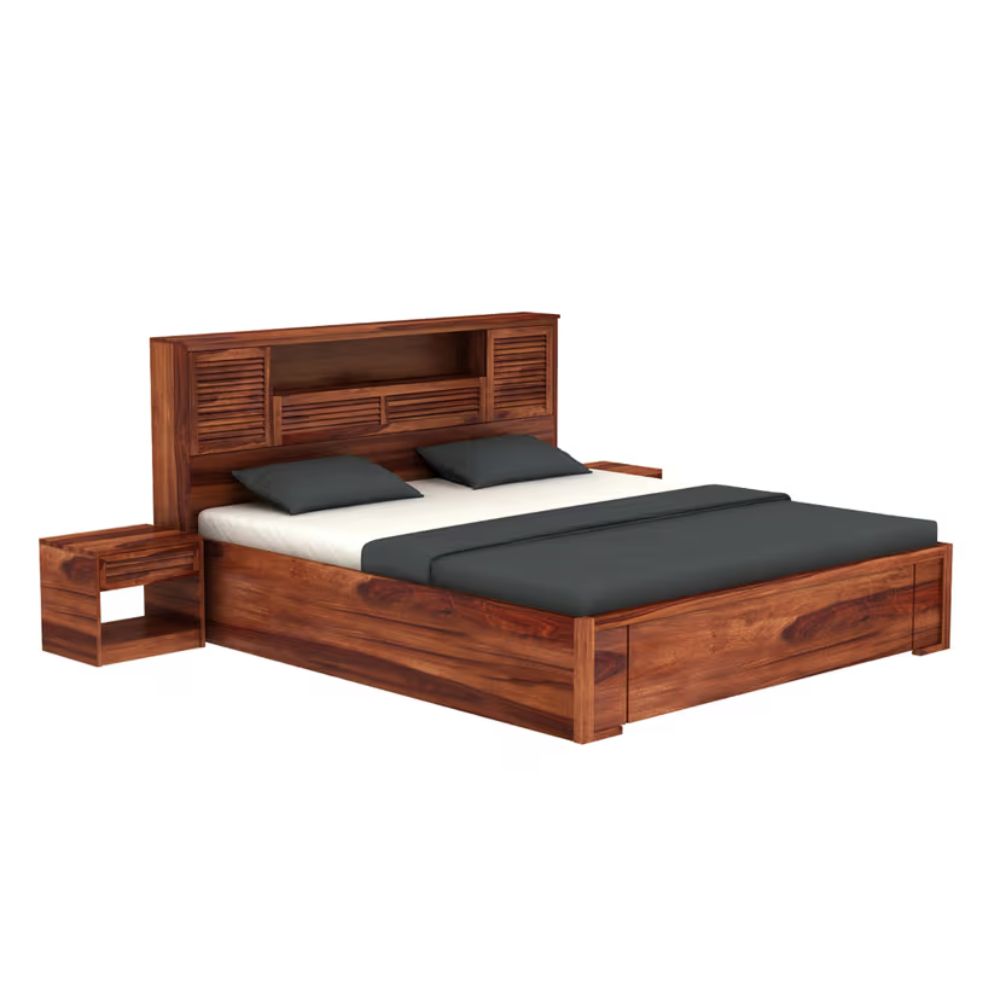
Choosing between wooden and metal beds can feel overwhelming, especially when both options offer unique benefits. To make the right decision, it helps to follow a practical, step-by-step buying checklist that focuses on your needs, space, and long-term expectations.
1. Evaluate Durability and Strength
Start by considering who will use the bed and how often. Wooden beds are typically heavier and sturdier, offering excellent long-term durability. Metal beds are strong as well, but quality can vary depending on the frame thickness and build. If you’re wondering, are metal bed frames better than wood, the answer depends largely on construction quality and intended use.
2. Consider Bedroom Style
Your bed frame should complement your interior décor. Wooden beds provide warmth and a timeless, classic appearance. Metal beds often suit modern, industrial, or minimalist spaces with their sleek design. Think about which material blends better with your existing furniture.
3. Assess Maintenance Requirements
Wood requires occasional polishing and care to maintain its finish, while metal frames are generally easier to clean and less prone to pest issues. However, metal may require tightening of joints over time to prevent noise.
4. Check Budget and Long-Term Value
Metal beds are often more budget-friendly upfront. Wooden beds may cost more initially but can offer greater longevity. When asking, are wood or metal bed frames better, consider whether you prioritize short-term savings or long-term investment.
5. Think About Mobility and Assembly
If you move frequently, metal frames are lighter and easier to transport. Wooden frames, though heavier, provide added stability.
By carefully reviewing these factors, you can confidently choose a bed that matches your comfort, durability expectations, and lifestyle needs.
Cost Comparison: Wooden Beds vs Metal Beds
When comparing wooden and metal beds, budget plays a major role in the final decision. The price difference between materials can vary depending on design, craftsmanship, size, and additional features like storage or upholstery. A careful budget-based evaluation helps determine which option offers the best balance between upfront cost and long-term value.
Metal beds are generally more affordable, making them a popular choice for first-time buyers, renters, or guest rooms. A standard bed frame wood metal comparison often shows that metal frames come with a lower initial price tag due to simpler manufacturing processes and lighter materials. They are practical, functional, and ideal for those looking for cost-effective solutions without heavy investment.
Wooden beds, on the other hand, tend to be more expensive, especially when made from solid hardwood like sheesham or oak. A metal and wood bed frame queen size comparison highlights how wooden queen beds typically cost more because of material quality, durability, and design detailing. However, they often provide better long-term value due to their sturdiness and longer lifespan.
Maintenance costs should also be considered. Wooden beds may require occasional polishing or care, while metal beds may need tightening of screws over time. In the long run, investing slightly more in a high-quality wooden frame can reduce replacement costs, whereas metal frames are budget-friendly for short- to medium-term use.
Ultimately, the right choice depends on whether you prioritize immediate affordability or long-term durability and aesthetic value.
Wooden Beds vs Metal Beds – Pros & Cons
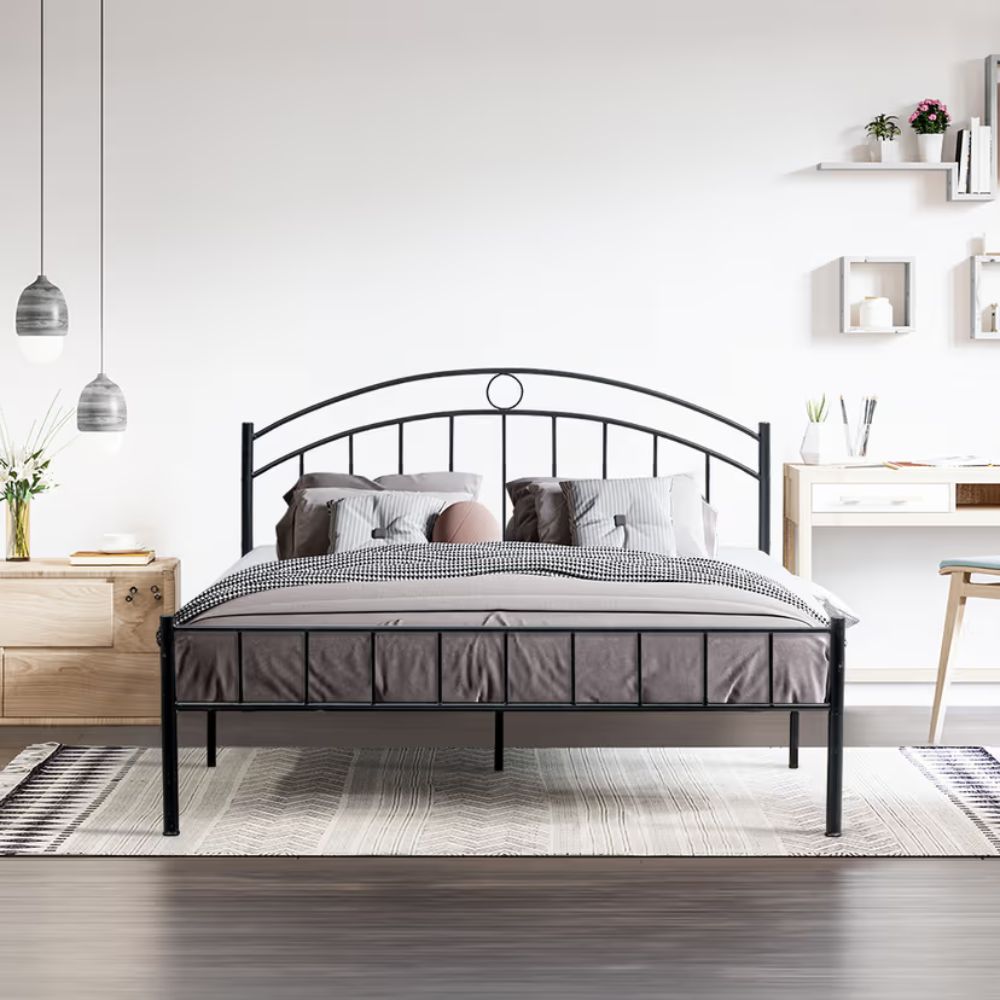
If you’re short on time and want a quick comparison, understanding the key advantages and drawbacks of wooden and metal beds can simplify your decision. Both materials offer unique benefits, but the right choice depends on your priorities whether that’s durability, budget, design, or maintenance.
Wooden Beds – Pros:
Wooden beds are sturdy, long-lasting, and provide a warm, timeless aesthetic that suits almost any interior style. They typically produce less noise and offer excellent stability, making them ideal for long-term use. Many wooden frames also come with built-in storage options for added functionality.
Wooden Beds – Cons:
They are generally heavier, more expensive, and harder to move. Solid wood may also require periodic maintenance such as polishing to maintain its finish.
Metal Beds – Pros:
Metal beds are lightweight, budget-friendly, and easy to assemble or relocate. They work well in modern or minimalist spaces and are resistant to pests. Some designs even incorporate wood around metal bed frame structures, combining durability with a softer visual appeal.
Metal Beds – Cons:
Lower-quality metal frames may squeak over time if joints loosen. They may also lack the solid, premium feel of heavy wooden frames.
In summary, wooden beds excel in durability and classic design, while metal beds stand out for affordability and flexibility. Evaluating your space, lifestyle, and budget will help you quickly determine which material fits your needs best.
FAQs
How do I choose between a wooden and metal bed?
Start by considering durability, budget, room décor, and long-term usage. Wooden beds are ideal if you prefer a sturdy, timeless look with long-lasting performance. Metal beds are better suited for modern spaces, lighter budgets, and easy mobility. Your lifestyle and maintenance preferences should guide the final choice.
Which bed type is better for kids’ rooms?
Both options can work well, but safety and durability are key. Wooden beds are often preferred for their solid construction and stability, especially for bunk beds. Metal beds are lighter and easier to clean, making them practical for growing kids, provided the frame is strong and securely assembled.
Do metal beds support heavy mattresses?
Yes, high-quality metal beds with thick gauge steel and proper center support can handle heavy mattresses, including memory foam and hybrid types. Always check weight capacity specifications before purchasing.
Are metal beds suitable for humid climates?
Metal beds can perform well in humid environments if they have proper anti-rust coating. Powder-coated or treated metal frames resist moisture better. However, untreated metal may corrode over time in high humidity.
Which bed lasts longer: wood or metal?
Both can last many years if built with quality materials. Solid hardwood beds typically offer excellent longevity, while heavy-duty metal frames also provide durability when properly maintained.
Are wooden beds stronger than metal beds?
Strength depends on construction quality rather than material alone. Solid hardwood beds are extremely sturdy, but well-built metal frames can be equally strong and supportive.

No Comments