
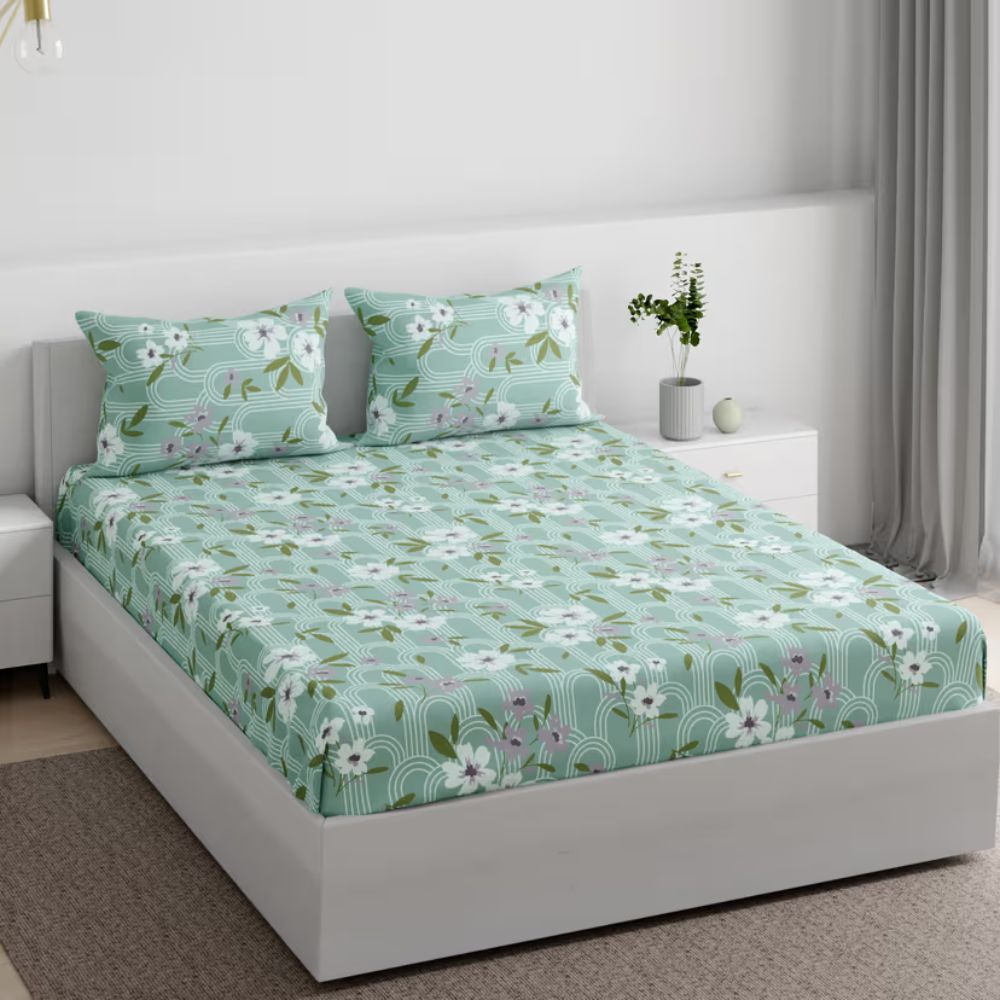

Choosing the right bedsheet material plays a crucial role in your overall sleep experience. The fabric that touches your skin every night affects comfort, breathability, durability, and even how well you rest. From regulating body temperature to influencing how soft and smooth your bed feels, bedsheets are more than just a decorative layer they directly impact sleep quality. That’s why understanding the differences in the cotton vs microfiber bedsheets debate is essential before making a purchase.
Cotton bedsheets are widely loved for their natural fibers, breathability, and moisture-absorbing properties. They tend to feel soft, airy, and comfortable, especially in warm climates. Over time, high-quality cotton sheets often become even softer with regular washing. On the other hand, microfiber bedsheets are made from finely woven synthetic fibers designed to be lightweight, wrinkle-resistant, and budget-friendly. They offer a smooth texture and are known for being easy to maintain.
When comparing cotton vs microfiber bedsheets, it’s important to consider factors such as climate, skin sensitivity, maintenance preferences, and long-term value. Cotton may appeal to those seeking natural comfort and breathability, while microfiber can be ideal for individuals looking for affordability and low-maintenance care.
Ultimately, the right choice depends on your personal comfort needs and lifestyle. By understanding the strengths of each material, you can select bedsheets that not only complement your bedroom décor but also enhance your nightly rest and overall well-being.
What Are Cotton Bedsheets?
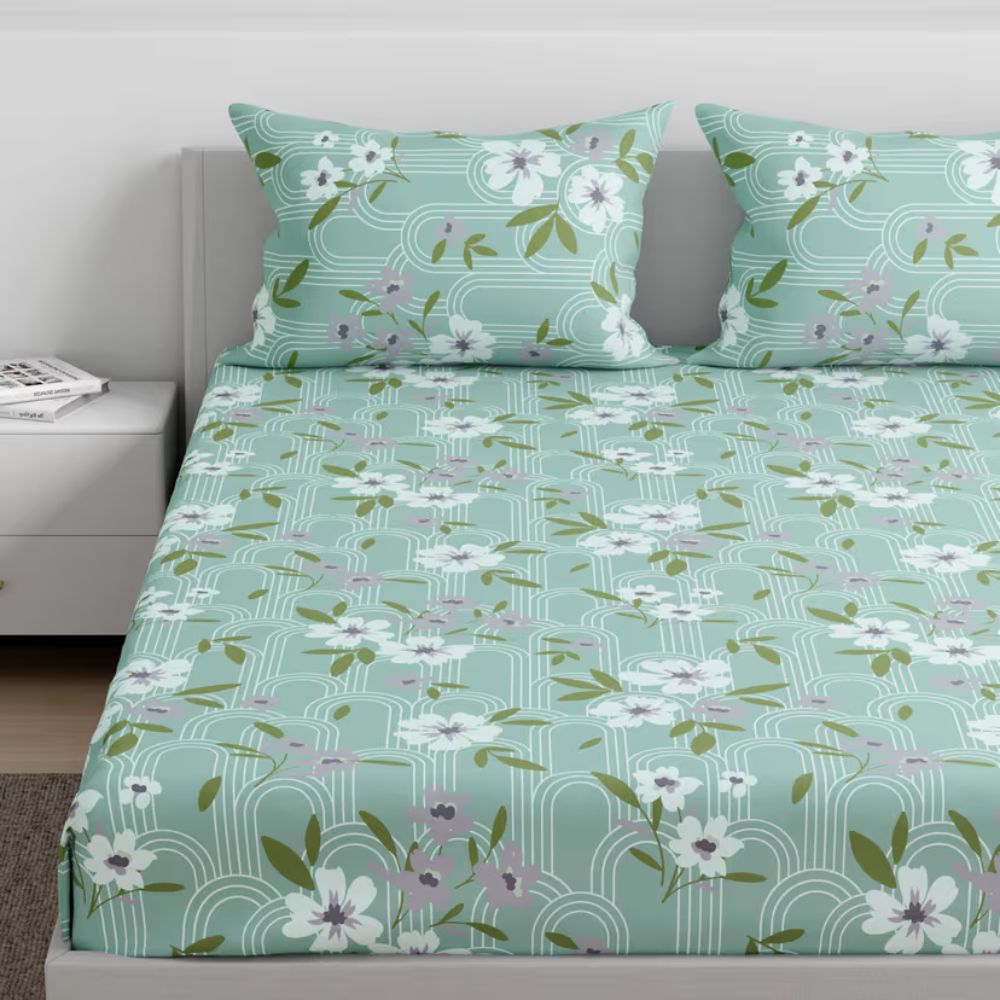
Cotton bedsheets are bed linens made from natural cotton fibers, known for their softness, breathability, and durability. Because cotton is a plant-based material, it allows better air circulation and moisture absorption compared to many synthetic fabrics. This makes cotton sheets a popular choice for year-round comfort, especially in warmer climates or for people who tend to sleep hot. Their smooth texture and long-lasting performance have made them a staple in homes and hotels alike.
There are several types of cotton used to manufacture sheets, each offering unique benefits. Egyptian cotton is considered premium due to its extra-long fibers, which create exceptionally soft, strong, and luxurious sheets. Combed cotton is processed to remove short fibers and impurities, resulting in smoother and more durable fabric. Organic cotton is grown without harmful chemicals or pesticides, making it an eco-friendly option ideal for sensitive skin.
In addition to fiber type, the weave also affects the feel of cotton sheets. Percale weave produces a crisp, lightweight finish with a matte look, perfect for those who prefer a cool and breathable sleeping surface. Sateen weave, on the other hand, has a silkier, smoother feel with a subtle sheen, offering a more luxurious touch.
When searching for the best cotton sheets, it’s important to consider fiber quality, weave type, and thread count. High-quality cotton with the right weave can significantly enhance comfort, durability, and overall sleep experience, making cotton bedsheets a reliable and timeless bedding choice.
What Are Microfiber Bedsheets?
Microfiber bedsheets are bed linens made from finely woven synthetic fibers, typically crafted from polyester or a polyester blend. These fibers are extremely thin much finer than a strand of silk which allows the fabric to feel smooth, soft, and lightweight. Because of their tightly woven structure, microfiber sheets are known for their durability and resistance to everyday wear and tear. They have become a popular bedding choice for those seeking affordable, low-maintenance options.
One of the main reasons people choose microfiber bedsheets is their softness. The ultra-fine fibers create a smooth surface that feels gentle against the skin. In addition, microfiber fabric is naturally wrinkle-resistant, meaning the sheets maintain a neat appearance without requiring frequent ironing. Their lightweight nature also makes them easy to wash, dry, and handle, which is especially convenient for busy households.
Affordability is another key advantage. Compared to many natural fabrics, microfiber sheets are typically more budget-friendly while still offering comfort and durability. This makes them an appealing choice for guest rooms, children’s rooms, or anyone looking for cost-effective bedding solutions.
However, microfiber differs from natural fabrics like cotton in terms of breathability and moisture absorption. Since microfiber is made from synthetic polyester fibers, it may not allow as much airflow as natural cotton, which can affect temperature regulation for some sleepers.
When shopping for the best microfiber sheets, factors such as fabric quality, weave density, and brand reputation should be considered to ensure long-lasting comfort and value.
Cotton vs Microfiber Bedsheets – Detailed Comparison
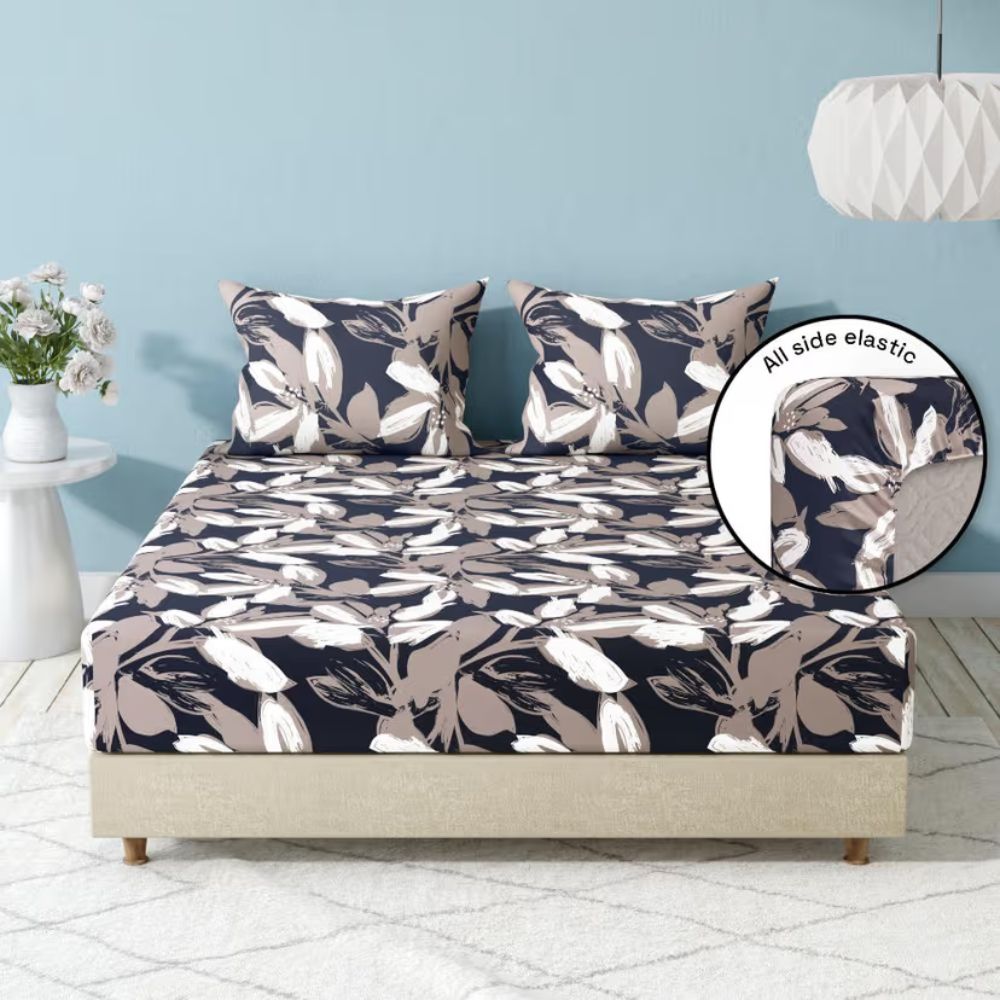
When deciding between cotton vs microfiber bedsheets, it’s important to look beyond surface-level features and evaluate how each fabric performs in everyday use. Both materials have their own strengths, and the right choice often depends on your comfort preferences, climate conditions, maintenance expectations, and long-term value. In this detailed comparison, we’ll break down the key differences to help you determine which option suits your sleep style best.
The following sections will compare comfort and feel, breathability and temperature control, durability and longevity, maintenance and washing requirements, as well as allergy and skin sensitivity factors. These elements play a significant role in identifying truly comfy bed sheets that enhance sleep quality night after night. While some sleepers prioritize softness and smooth texture, others may value airflow, easy care, or resistance to wear and tear.
Cotton sheets are often praised for their natural softness and breathability, while microfiber sheets are appreciated for their silky feel, wrinkle resistance, and affordability. However, comfort can be subjective what feels luxurious to one person may not feel the same to another. That’s why examining each factor individually helps provide a clearer picture.
If you’re searching for the comfiest bed sheets, understanding how cotton and microfiber compare across multiple performance categories will guide you toward a more informed purchase decision. By reviewing each aspect side by side, you can confidently select bedsheets that align with your comfort needs, lifestyle habits, and bedroom environment.
Pros and Cons of Cotton Bedsheets
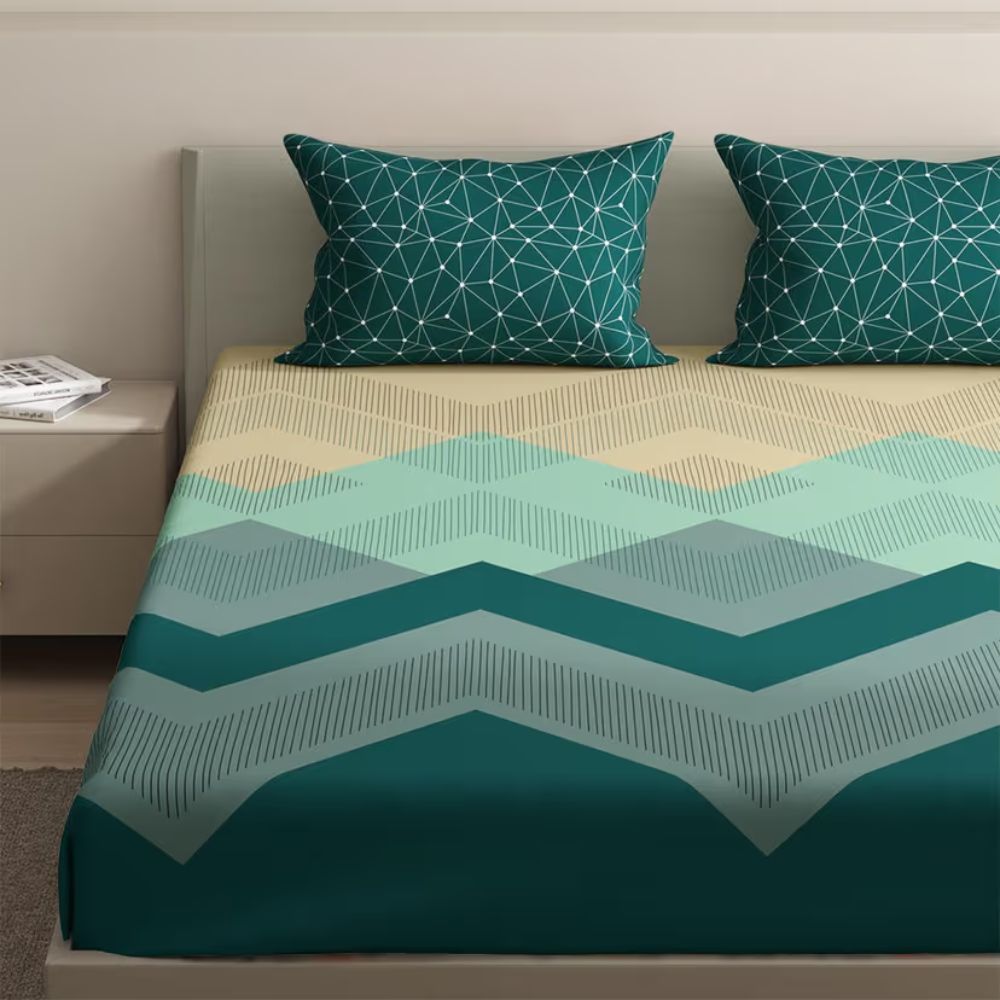
When choosing cotton bedsheets, it’s helpful to weigh their advantages and disadvantages to determine if they suit your comfort preferences and lifestyle. Cotton remains one of the most popular bedding materials due to its natural feel and long-term performance, but like any fabric, it comes with both benefits and limitations.
Advantages of Cotton Bedsheets
- Breathable Fabric: Cotton is naturally breathable, allowing air to circulate freely. This helps regulate body temperature and keeps you cool during warmer nights.
- Soft and Comfortable: High-quality cotton becomes softer over time, offering enhanced comfort with regular use and washing.
- Natural Material: Being plant-based, cotton is free from synthetic fibers, making it a preferred choice for those who prioritize natural bedding.
- Moisture Absorption: Cotton absorbs sweat effectively, contributing to a dry and comfortable sleep surface.
- Durable and Long-Lasting: Well-made cotton sheets, especially those with strong weaves, can withstand years of regular washing without losing their quality.
Disadvantages of Cotton Bedsheets
- Wrinkle-Prone: Cotton sheets tend to wrinkle easily, often requiring ironing for a crisp appearance.
- Higher Cost: Premium cotton varieties such as Egyptian or organic cotton can be more expensive compared to synthetic options.
- Shrinkage Risk: Improper washing or high heat drying may cause slight shrinkage over time.
Overall, cotton bedsheets offer excellent breathability, comfort, and durability, making them a reliable long-term investment especially if you value natural fabrics and year-round comfort.
Pros and Cons of Microfiber Bedsheets
Before choosing microfiber bedsheets, it’s important to understand their key benefits and potential drawbacks. Microfiber has gained popularity due to its affordability and low-maintenance nature, making it a practical option for many households. However, like any bedding material, it comes with certain limitations that may affect comfort preferences.
Advantages of Microfiber Bedsheets
- Affordable Pricing: Microfiber sheets are generally more budget-friendly than many natural fabric options, making them ideal for cost-conscious buyers.
- Wrinkle-Resistant: One of the biggest advantages is their wrinkle-free appearance. They maintain a smooth, neat look without the need for ironing.
- Easy Maintenance: Microfiber is lightweight and dries quickly, making washing and handling simple and convenient.
- Durable Fabric: The tightly woven synthetic fibers resist wear and tear, helping the sheets maintain their shape over time.
- Stain-Resistant: Microfiber tends to repel stains better than some natural fabrics, adding to its practicality.
Disadvantages of Microfiber Bedsheets
- Less Breathable: Since microfiber is made from synthetic polyester fibers, it does not allow as much airflow as natural fabrics like cotton. This may feel warm for some sleepers.
- Moisture Retention: It may not absorb sweat as effectively, which can impact comfort in hot or humid climates.
- Synthetic Material: Being man-made, microfiber lacks the natural feel that some people prefer in bedding.
Overall, microfiber bedsheets offer convenience, affordability, and easy care, making them suitable for everyday use especially for those prioritizing practicality over natural fabric benefits.
Care Tips to Make Your Bedsheets Last Longer
Proper maintenance plays a key role in extending the life of your bedding. Following the right bedsheet care tips not only preserves fabric quality but also maintains softness, color, and durability over time. Since cotton and microfiber have different fiber compositions, their care requirements vary slightly.
1. Care Tips for Cotton Bedsheets
Cotton sheets should ideally be washed every 1–2 weeks to maintain hygiene and freshness. Use mild, gentle detergents to prevent fiber damage and avoid harsh chemicals like bleach unless absolutely necessary. Washing in cold or lukewarm water helps reduce shrinkage and fading. It’s also best to dry cotton sheets on low heat or air-dry them to preserve their natural fibers. Before storing, ensure the sheets are completely dry to prevent moisture buildup. Fold neatly and store in a cool, dry place away from direct sunlight to maintain fabric strength and color.
2. Care Tips for Microfiber Bedsheets
Microfiber sheets can also be washed every 1–2 weeks, depending on usage. Use a mild detergent and avoid fabric softeners, as they can clog the fine synthetic fibers and reduce softness. Wash in cold water to maintain the integrity of the fibers, and tumble dry on low heat. Since microfiber dries quickly, over-drying should be avoided. Store them in a dry, ventilated space to prevent odors and static buildup.
By following these simple care routines, both cotton and microfiber bedsheets can remain comfortable, fresh, and long-lasting for years.
FAQs
1. Do cotton bedsheets wrinkle easily?
Yes, cotton bedsheets are naturally prone to wrinkling, especially after washing and drying. This is because cotton is a natural fiber without synthetic wrinkle resistance. Choosing higher-quality weaves like sateen or promptly folding sheets after drying can help reduce visible creases.
2. What thread count is ideal for cotton bedsheets?
A thread count between 200 and 400 is generally considered ideal for most cotton bedsheets. This range offers a good balance of softness, breathability, and durability. Extremely high thread counts do not always guarantee better quality, as fiber type and weave also matter.
3. How do I choose between cotton and microfiber for my home?
Consider your climate, comfort preferences, and maintenance habits. Cotton is more breathable and suitable for hot sleepers, while microfiber is affordable, wrinkle-resistant, and easy to care for. If you prioritize natural fabrics, cotton is ideal; if you want low maintenance and budget-friendly bedding, microfiber may be better.
4. Do microfiber bedsheets feel too synthetic?
Some people may notice a smoother, slightly different texture compared to natural fabrics. However, high-quality microfiber can feel soft and comfortable, though it may not offer the same airy feel as cotton.
5. Are microfiber bedsheets good for winter?
Yes, microfiber sheets can retain warmth due to their tightly woven fibers, making them suitable for cooler seasons.
6. Which material is more breathable at night?
Cotton is generally more breathable because it is a natural fiber that allows better airflow and moisture absorption, helping regulate body temperature during sleep.


No Comments