
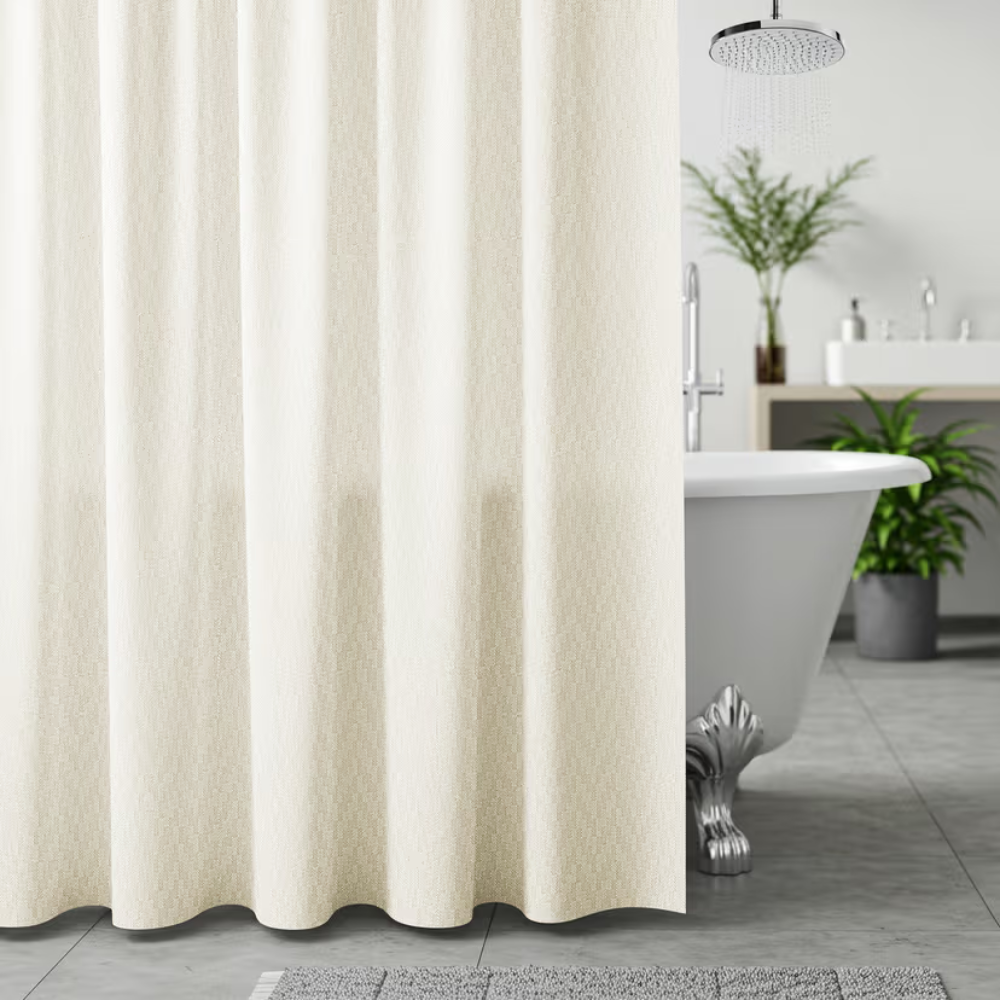

A shower curtain may seem like a small bathroom detail, but it plays a big role in both functionality and aesthetics. Beyond keeping water off your floors, the right shower curtain helps maintain hygiene, improves durability in a moisture-heavy environment, and ties your bathroom décor together. Choosing wisely ensures your bathroom stays dry, fresh, and visually appealing over time.
One of the first things to consider is shower curtain style. From minimal solids to bold prints and textured designs, shower curtains can instantly elevate the look of your bathroom without a major renovation. Lighter colors and subtle patterns create a clean, spacious feel, while darker shades or graphic prints can add personality and contrast. Matching the curtain style with your tiles, fittings, or towels helps create a cohesive look.
Equally important is shower curtain material, as it directly affects durability and maintenance. Materials like polyester and PEVA are popular for their water resistance and easy care, while fabric curtains with liners offer a softer, more luxurious appearance. A good-quality material prevents mold buildup, dries quickly, and withstands frequent exposure to steam and water.
Care and maintenance are often overlooked but essential. A washable shower curtain is easier to keep clean and hygienic, especially in homes with high bathroom usage. Features like reinforced grommets, weighted hems, and mildew-resistant coatings also contribute to long-term performance.
By considering style, material, and care together, you can choose a shower curtain that not only looks good but also supports a cleaner, more comfortable bathroom experience every day.
Why Choosing the Right Shower Curtain Matters
A shower curtain does much more than add visual appeal to your bathroom. It plays a key role in maintaining hygiene, ensuring safety, and keeping your space functional. Choosing the right one can significantly improve your daily bathing experience while protecting your bathroom from long-term water damage.
One of the most important benefits of a well-chosen shower curtain is effective water containment. A properly sized curtain prevents water from splashing onto floors, walls, and fixtures, reducing the risk of slippery surfaces and moisture buildup. Opting for a long shower curtain can be especially helpful for deeper tubs or walk-in showers, as it offers better coverage and minimizes leaks.
Hygiene is another critical factor. Bathrooms are naturally damp environments, making them prone to mold and mildew growth. A quality shower curtain made from water-resistant and quick-drying materials helps reduce bacterial buildup and unpleasant odors. Many modern options are designed to be washable and mildew-resistant, making them easier to clean and safer for everyday use.
Safety is often overlooked but equally important. Wet bathroom floors can lead to slips and falls, especially in households with children or elderly members. A reliable shower curtain keeps water inside the shower area, maintaining a dry and secure floor outside.
Beyond function, the right shower curtain supports better bathroom organization and comfort. It creates a defined shower space, enhances privacy, and contributes to a cleaner, more relaxed environment. When chosen thoughtfully, a shower curtain becomes a practical investment that balances hygiene, safety, and long-lasting performance far beyond just decorative appeal.
Key Features to Consider When Buying a Shower Curtain
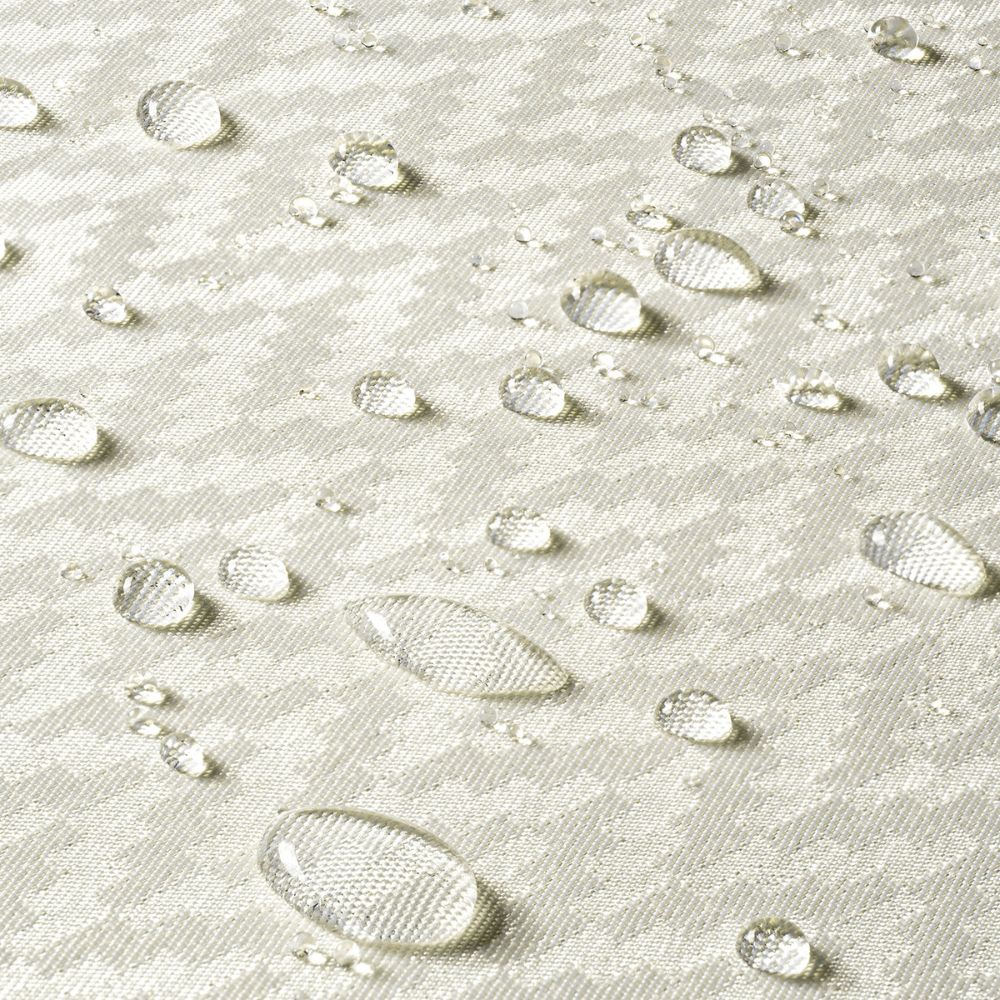
When you plan to buy shower curtain options for your bathroom, focusing on practical features can make a big difference in comfort, hygiene, and long-term use. While style matters, functionality should always come first, especially in a space that deals with constant moisture and temperature changes.
One of the most important features to consider is water resistance. The best shower curtains are made from materials that repel water effectively, helping keep bathroom floors dry and reducing the risk of mold buildup. Quick-drying fabrics or treated surfaces are ideal for daily use, particularly in shared bathrooms.
Size and coverage are equally crucial. Always measure your shower area before purchasing to ensure the curtain provides full coverage. A well-fitted curtain prevents splashing and improves safety by keeping water inside the shower zone. Reinforced hems or weighted bottoms can also help the curtain hang properly without clinging during use.
Ease of maintenance is another key factor. Look for shower curtains that are machine washable or easy to wipe clean. This makes regular cleaning simple and helps maintain hygiene over time. Features like rust-resistant grommets and strong stitching add to durability, ensuring the curtain lasts longer even with frequent use.
Finally, consider compatibility with liners and hooks. Some shower curtains work best when paired with a liner for added water protection, while sturdy hook designs allow smooth opening and closing. By focusing on these practical details when you buy shower curtain options, you can choose a product that balances performance, cleanliness, and everyday convenience.
Choosing Between Fabric vs Plastic Curtains
When selecting a shower curtain, one of the most common decisions buyers face is choosing between fabric and plastic options. Both serve the same basic purpose, but they differ significantly in usability, maintenance, and overall visual appeal. Understanding these differences can help you choose a curtain that suits your bathroom lifestyle and décor preferences.
A fabric shower curtain is often preferred for its soft, elegant look. Made from materials like polyester or cotton blends, fabric curtains drape well and add a warm, hotel-like feel to the bathroom. They are usually machine washable, making them easy to maintain with regular cleaning. However, fabric curtains often require a liner to prevent water seepage, as they are less water-resistant on their own.
Plastic or vinyl shower curtains are designed primarily for functionality. They are highly water-resistant, dry quickly, and do not require a liner, making them a practical choice for busy households. Plastic curtains are also easy to wipe clean and are typically more affordable. That said, they may lack the refined appearance of fabric options and can feel stiff or utilitarian in comparison.
From a maintenance perspective, plastic curtains resist moisture better but may develop creases or discoloration over time. Fabric curtains, while more visually appealing, need regular washing to prevent mold or mildew in humid environments.
Ultimately, the right shower curtain depends on your priorities. If you value aesthetics and a coordinated bathroom look, a fabric curtain paired with a liner works well. If low maintenance and maximum water protection are your main concerns, plastic curtains offer a simple, effective solution.
How to Maintain Your Shower Curtain
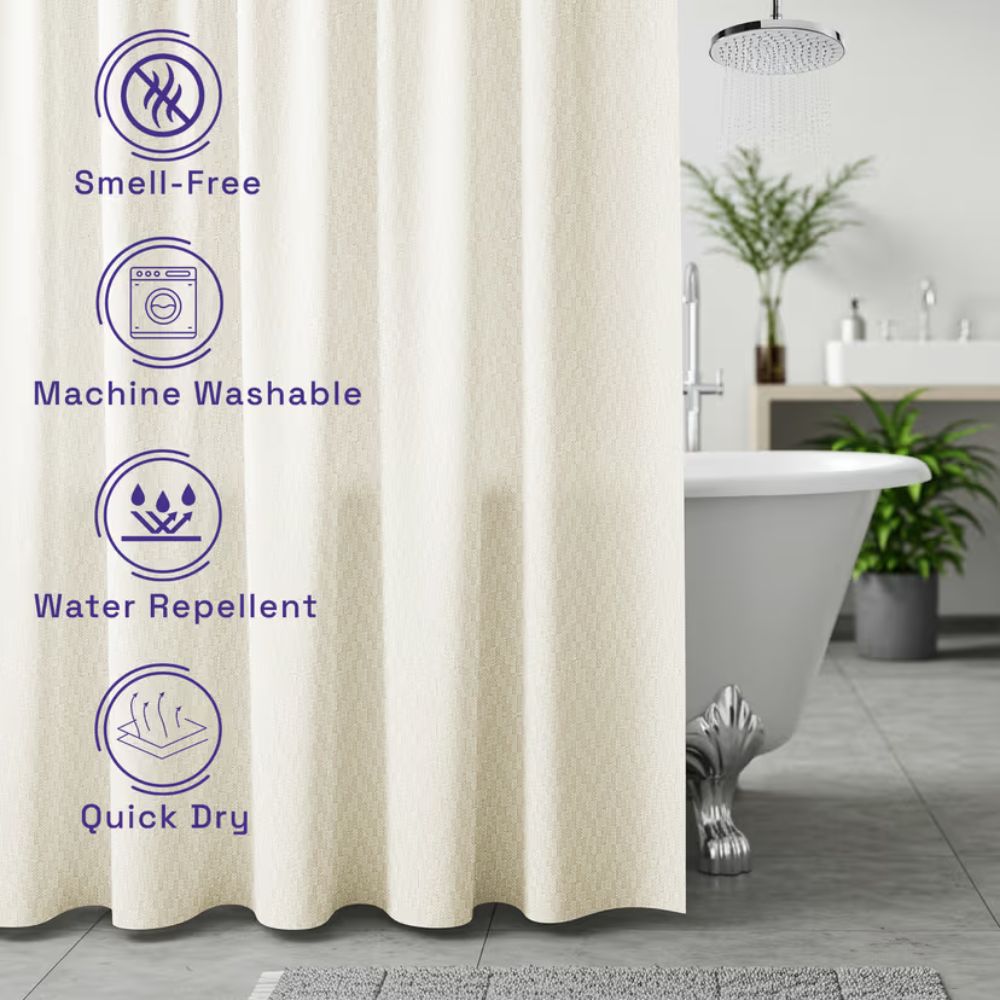
Proper care is essential to keep your shower curtain clean, hygienic, and looking fresh for longer. Since shower curtains are constantly exposed to moisture, soap residue, and humidity, regular maintenance helps prevent mold, mildew, and unpleasant odors from developing over time.
Start with routine cleaning. Most fabric shower curtains can be machine washed every few weeks using mild detergent and cold or warm water. Adding a small amount of baking soda or vinegar during the wash cycle can help remove stains and neutralize odors. For plastic or vinyl curtains, a quick wipe-down with a damp cloth or sponge after use goes a long way in keeping them fresh. This simple habit makes it easier to shower curtain clean without deep scrubbing.
Drying is just as important as washing. Always allow the curtain to fully air-dry after cleaning or daily use. Leaving it bunched up encourages moisture buildup, which can lead to mildew. Keeping the curtain spread open after showering helps improve airflow and speeds up drying.
For stubborn mold spots, spot-clean using a gentle solution of vinegar and water or a mild bathroom cleaner. Avoid harsh chemicals that can damage the material or cause discoloration. Regularly check hooks and grommets as well, as rust or buildup in these areas can affect curtain movement and appearance.
With consistent care, your shower curtain stays clean, safe, and visually appealing. Simple maintenance habits not only extend its lifespan but also help maintain a healthier and more pleasant bathroom environment.
How to Choose the Right Shower Curtain for Your Space
Choosing the perfect shower curtain requires balancing functionality, style, and budget. Since it’s one of the most visible elements in a bathroom, the right choice can improve both usability and overall décor. Considering your space carefully helps ensure a curtain that fits well and performs effectively.
Bathroom Size and Layout
Start by assessing your bathroom’s size and shower area. Selecting the correct shower curtain size is essential to prevent water from escaping while ensuring easy movement. For compact bathrooms, a well-fitted curtain creates a neat, clutter-free look without overwhelming the space. In larger bathrooms, longer or wider curtains can add a sense of luxury while providing better coverage. Understanding your shower curtain space helps you avoid curtains that are too short, too narrow, or difficult to manage.
Personal Style and Color Scheme
Your shower curtain plays a major role in setting the bathroom’s visual tone. Choosing the right shower curtain color can make a small bathroom feel brighter or add warmth and contrast to a neutral space. Light shades and subtle patterns create an airy feel, while bold colors or prints add personality. Matching the curtain with towels, tiles, or accessories helps create a cohesive and well-designed look.
Budget Considerations
Finally, think about how much you want to spend. Affordable options can still offer durability and style, especially if they’re easy to clean and made from water-resistant materials. Investing slightly more in quality fabrics, reinforced stitching, or washable designs often results in better longevity and less frequent replacement.
By evaluating size, style, and budget together, you can confidently choose a shower curtain that enhances comfort, function, and the overall bathroom experience.
FAQs
1. What is the difference between PEVA and PVC shower curtains?
PEVA (Polyethylene Vinyl Acetate) is a chlorine-free alternative to PVC. It’s lighter, less chemical-smelling, and considered more eco-friendly. PVC curtains are more durable and water-resistant but can have a stronger odor and are less environmentally friendly.
2. How do I clean a shower curtain?
Fabric shower curtains can usually be machine washed with mild detergent. Plastic or vinyl curtains can be wiped down or rinsed with warm water and vinegar. Regular cleaning helps prevent mold and keeps the curtain fresh.
3. How long does a shower curtain last?
On average, a shower curtain lasts 6 months to 1 year with regular use. High-quality materials and proper care can extend its lifespan significantly.
4. What size shower curtain do I need?
Most standard showers require a curtain around 70–72 inches wide and 70–72 inches long. For taller tubs or walk-in showers, longer curtains provide better coverage and prevent splashing.
5. How do I keep my shower curtain from billowing inward?
Choose curtains with weighted hems or magnetic bottoms. Keeping the bathroom ventilated and fully extending the curtain during showers also helps prevent it from clinging inward.
No Comments