


Choosing between a memory foam or gel foam mattress can feel overwhelming, especially when sleep quality, comfort, and long-term health are on the line. A mattress does more than just give you a place to rest it plays a crucial role in maintaining proper spinal alignment, easing pressure points, and helping your body fully relax through the night. The right choice can mean deeper sleep and pain-free mornings, while the wrong one may lead to stiffness, overheating, or frequent tossing and turning.
Memory foam mattresses are known for their body-hugging feel. They contour closely to your shape, distributing weight evenly and reducing stress on sensitive areas like the shoulders, hips, and lower back. This makes them especially popular among side sleepers and anyone dealing with joint or back discomfort. Gel foam mattresses, on the other hand, are an evolution of traditional foam. They use gel-infused or gel-layered foam to improve temperature regulation while still offering pressure relief and support.
The comparison between a memory foam or gel foam mattress ultimately comes down to your personal sleep needs. Factors such as your preferred sleeping position, body type, and sensitivity to heat can influence which option feels better night after night. While both mattress types aim to enhance comfort and support, subtle differences in feel, responsiveness, and cooling performance can significantly impact your sleep experience.
Understanding how these mattresses work and what they’re designed to offer helps you make a more informed decision. By choosing a mattress that aligns with your comfort preferences and physical needs, you set the foundation for healthier sleep, better posture, and improved overall well-being.
Understanding Memory Foam Mattresses
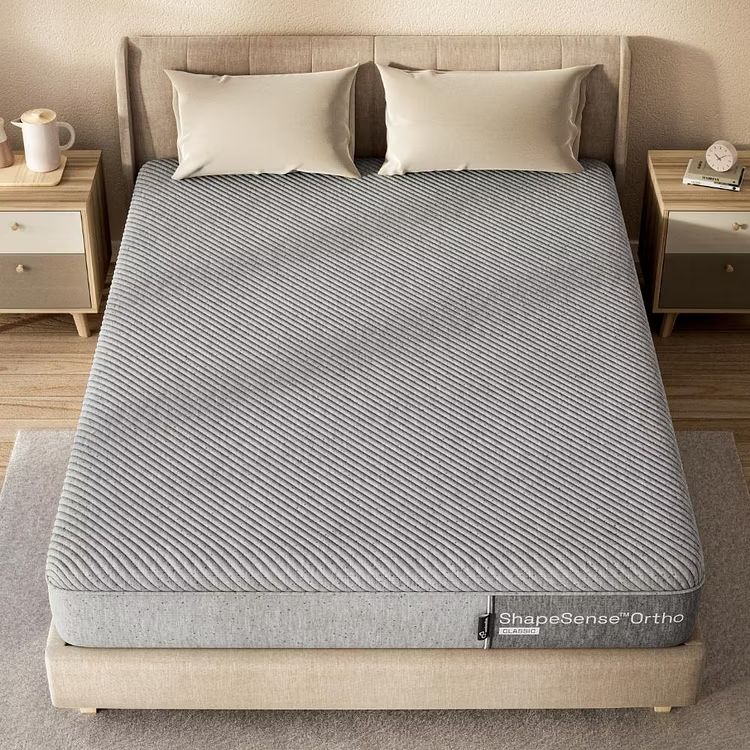
Memory foam mattresses are designed to adapt to your body’s shape, offering personalized comfort and consistent support throughout the night. Originally developed to reduce pressure in medical settings, memory foam has since become one of the most popular mattress materials thanks to its ability to contour closely and respond to body heat and weight. As you lie down, the foam gently molds around your curves, helping distribute pressure evenly and reduce strain on key areas like the shoulders, hips, and lower back.
One of the standout benefits of memory foam is its ability to support proper spinal alignment. By filling in the natural gaps between your body and the mattress surface, it keeps the spine in a neutral position, which can help minimize morning stiffness and discomfort. This is why many people searching for the best memory foam mattress are those dealing with back pain, joint sensitivity, or restless sleep caused by pressure points.
Memory foam mattresses are also known for excellent motion isolation. The foam absorbs movement rather than transferring it across the bed, making it a great choice for couples or light sleepers who are easily disturbed by a partner’s movements. Additionally, these mattresses typically offer a quiet, bounce-free sleep experience.
Modern memory foam mattresses have evolved to address earlier concerns like heat retention. Today, many designs feature breathable covers, open-cell foam structures, or cooling infusions to improve airflow and temperature regulation. With a wide range of firmness options available, memory foam mattresses can suit different sleeping positions and body types, making them a versatile and comfort-focused choice for quality sleep.
Understanding Gel Foam Mattresses
Gel foam mattresses are designed to offer the pressure-relieving comfort of foam while addressing one of the most common sleep complaints overheating. At their core, gel foam mattresses use foam layers infused with cooling gel particles or gel swirls. This gel technology helps regulate temperature by absorbing and dispersing excess body heat, creating a cooler and more balanced sleep surface compared to traditional foam options.
A gel memory foam mattress works similarly to standard memory foam by contouring to your body’s shape and responding to pressure. This adaptive support helps relieve stress on key areas such as the shoulders, hips, and lower back, promoting proper spinal alignment. What sets gel foam apart is its enhanced breathability and cooling performance, which makes it especially appealing for warm sleepers or those living in hotter climates.
Another advantage of gel foam mattresses is their balanced feel. While they still provide the signature contouring comfort foam is known for, gel-infused layers often feel slightly more responsive and less “sink-in” than traditional memory foam. This can make changing positions easier during the night, reducing sleep disturbances for combination sleepers.
Like other foam-based mattresses, gel foam mattresses also excel at motion isolation, absorbing movement and minimizing partner disturbance. Many modern designs combine gel foam with breathable covers and advanced airflow channels to further enhance cooling and comfort.
Overall, gel foam mattresses are a smart choice for sleepers who want pressure relief and support without the heat retention commonly associated with traditional foam. By blending comfort with temperature regulation, a gel memory foam mattress aims to deliver a more refreshing and uninterrupted sleep experience.
Memory Foam vs Gel Foam Mattress: Key Differences
When choosing between a memory foam or gel foam mattress, understanding how they differ can help you pick the right option for your sleep needs. While both mattress types are designed to deliver pressure relief and support, their performance varies in areas like temperature control, feel, and overall sleep experience.
Memory foam mattresses are known for their deep contouring ability. They respond closely to body heat and weight, molding around your curves to evenly distribute pressure and support spinal alignment. This creates a cocoon-like feel that many sleepers find comforting, especially those with joint pain or back discomfort. However, traditional memory foam can trap heat, which may be uncomfortable for hot sleepers.
Gel foam mattresses build on this foundation by incorporating cooling gel into the foam layers. This gel helps draw heat away from the body and improve airflow, resulting in a cooler sleeping surface. As a result, gel foam often feels slightly firmer and more responsive than standard memory foam, making it easier to change positions during the night.
Another difference lies in temperature regulation. If you tend to sleep warm, a gel foam mattress may offer better thermal balance, while memory foam is better suited for sleepers who prefer a warmer, more enveloping feel. Both options provide excellent motion isolation, making them ideal for couples.
Ultimately, the choice between a memory foam or gel foam mattress depends on personal comfort preferences. If you prioritize maximum contouring and pressure relief, memory foam may be the better fit. If cooling, responsiveness, and temperature control matter more, gel foam could be the smarter choice for restful, uninterrupted sleep.
Pros and Cons of Memory Foam Mattresses
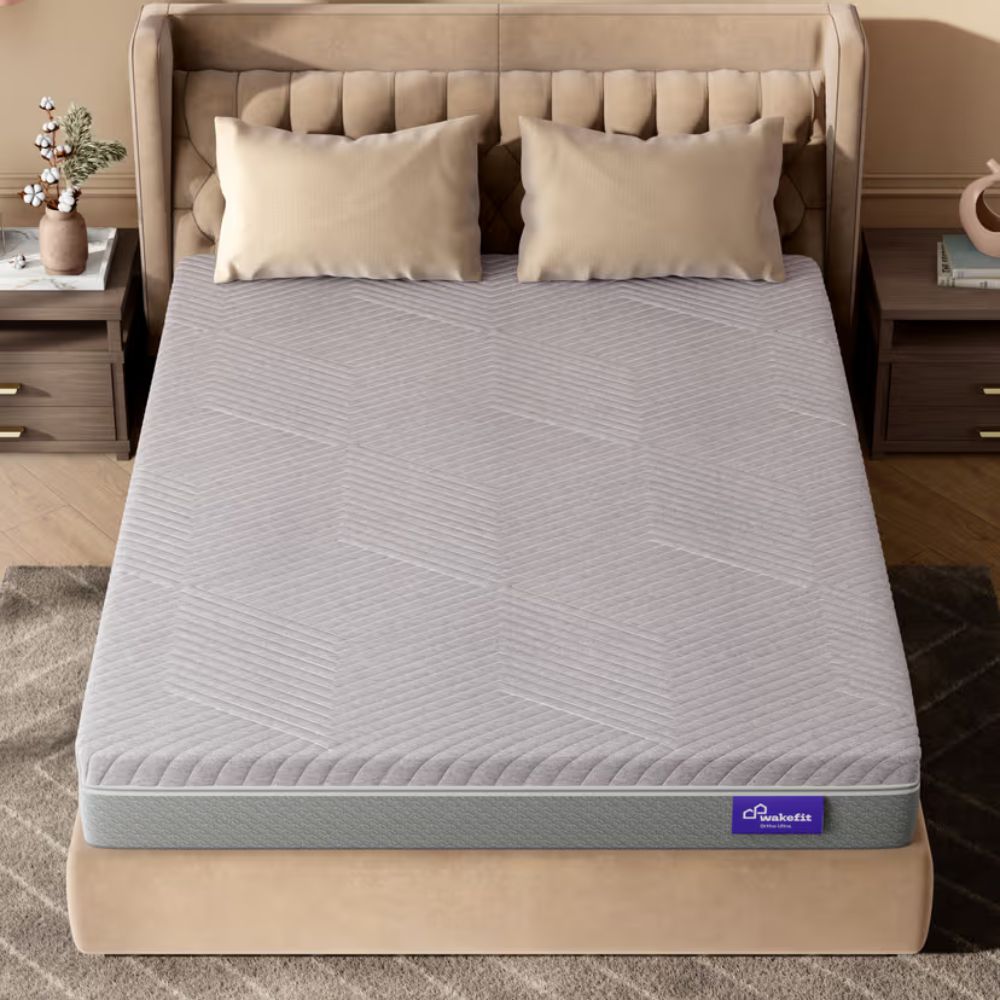
Memory foam mattresses have become a popular choice for sleepers who prioritize comfort and body support. One of their biggest advantages is exceptional pressure relief. Memory foam contours closely to the body, evenly distributing weight and reducing stress on sensitive areas like the shoulders, hips, and lower back. This makes it a strong option for people with joint pain or those seeking the best foam mattress for consistent comfort.
Another key benefit is motion isolation. Memory foam absorbs movement instead of transferring it across the surface, which is ideal for couples or light sleepers who are easily disturbed during the night. These mattresses also support proper spinal alignment by filling in natural gaps between the body and the sleep surface, helping reduce stiffness and discomfort over time.
However, memory foam mattresses do have some limitations. Traditional foam tends to retain heat, which can be uncomfortable for hot sleepers. While many modern designs include cooling infusions or breathable covers, heat retention may still be noticeable for some users. Additionally, memory foam has a slower response time, creating a “sink-in” feel that can make movement or changing positions slightly difficult, especially for combination sleepers.
Durability can also vary depending on foam quality. Lower-density foam may soften or develop impressions over time, particularly with regular use. Despite these drawbacks, high-quality memory foam mattresses continue to be a reliable choice for sleepers who value contouring comfort, pressure relief, and minimal motion disturbance. Understanding both the strengths and limitations helps buyers choose the right mattress for their sleep preferences and long-term comfort needs.
Pros and Cons of Gel Foam Mattresses
Gel foam mattresses are designed to offer the comfort of foam with improved temperature regulation, making them a popular choice for modern sleepers. One of the biggest advantages is enhanced cooling. The gel particles infused into the foam help absorb and disperse body heat, creating a more balanced sleep surface. This makes a cool gel mattress especially appealing for hot sleepers or those living in warmer climates.
Another benefit is pressure relief with added responsiveness. A gel memory foam mattress contours to the body much like traditional memory foam, easing pressure on the shoulders, hips, and back. However, gel foam often feels slightly firmer and more responsive, allowing for easier movement and position changes during the night. Like other foam-based mattresses, gel foam also excels at motion isolation, reducing sleep disruptions for couples.
Despite these strengths, gel foam mattresses have some limitations. Cooling performance can vary based on the amount and quality of gel used. In some cases, the cooling effect may diminish over time as the gel adjusts to body temperature. Additionally, best gel mattress options tend to be priced higher than standard memory foam models due to the added technology.
Durability can also depend on foam density and construction. Lower-quality gel foam may soften over time, affecting support. Overall, gel foam mattresses are a solid choice for sleepers seeking pressure relief with better temperature control. Weighing these pros and cons can help buyers decide if a gel memory foam mattress aligns with their comfort and cooling needs.
FAQs
1. Do gel foam mattresses sleep cooler than memory foam?
Yes, in most cases gel foam mattresses do sleep cooler than traditional memory foam. The gel infusion helps draw heat away from the body and improves temperature regulation, making them a better option for hot sleepers. However, overall cooling also depends on the mattress design, cover fabric, and room ventilation.
2. Can memory foam or gel foam help with back pain?
Both mattress types can help with back pain when chosen with the right firmness. Memory foam offers deep contouring and pressure relief, supporting spinal alignment. Gel foam provides similar support while adding cooling benefits, which can improve sleep quality for those sensitive to heat.
3. Which mattress type is lighter and easier to move?
Memory foam mattresses are generally lighter and easier to move compared to gel foam models, especially those with multiple dense layers. Gel foam mattresses can feel slightly heavier due to the added gel components.
4. Which mattress lasts longer: memory foam or gel foam?
Durability depends on foam density and construction quality. High-quality memory foam and gel foam mattresses can both last several years. Gel foam may retain its structure slightly longer in some cases, but lower-quality foam of either type can soften over time.
5. How do I choose between memory foam and gel foam?
Choose memory foam if you prefer deep contouring, strong pressure relief, and a cozy feel. Opt for gel foam if you want similar comfort with better cooling and a more responsive surface. Your sleeping position, body type, and heat sensitivity should guide the final decision.

No Comments