
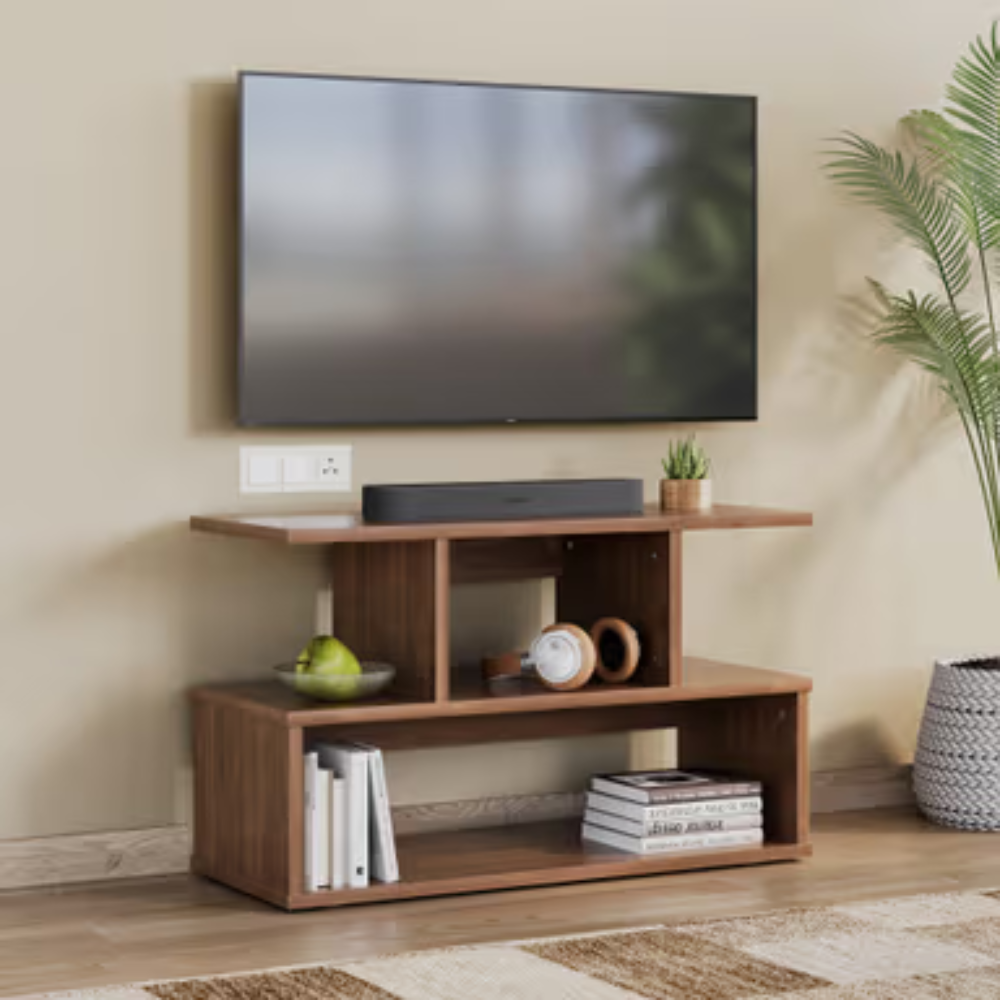

When setting up an entertainment space, choosing the right TV furniture plays a big role in both functionality and aesthetics. TV stands and floating TV units are two popular options, each designed to suit different room layouts, storage needs, and style preferences. Understanding their basic features can help you make a more confident choice.
TV stands are floor-mounted units that sit directly on the ground, offering a stable and traditional setup for televisions. They typically come with built-in shelves, cabinets, or drawers that provide ample storage for set-top boxes, gaming consoles, routers, and media accessories. Many TV stands also include closed storage, helping keep cables and clutter out of sight. Because of their sturdy structure, they are ideal for larger TVs or homes where frequent rearrangement isn’t a concern. TV stands work well for families, renters, or anyone who prefers a no-drill, easy-to-install furniture option.
On the other hand, floating TV units are wall-mounted designs that create a sleek, modern look. Fixed directly to the wall, they free up floor space and make rooms feel more open and uncluttered. Floating units usually offer compact storage in the form of slim drawers or shelves, focusing more on minimalism than heavy storage. These units are especially popular in modern apartments and smaller living rooms where space optimization matters.
Both options serve different needs. TV stands suit those who prioritize storage and stability, while floating TV units appeal to homeowners looking for a clean, contemporary aesthetic. Choosing between them depends on your space, storage requirements, and the overall look you want for your living room.
TV Stands vs Floating TV Units: Key Differences

Choosing between a traditional TV stand and a wall-mounted option often depends on how you want your living room to look and function. While both serve the same purpose, their design approach and spatial impact are quite different. Understanding these differences helps align your choice with your home’s style and practical needs.
1. Design and Aesthetic Appeal
Traditional TV stands usually have a solid, grounded presence. With visible legs or a full base, they suit classic, transitional, or traditional interiors where furniture plays a prominent visual role. A well-crafted tv stand design can act as a focal point, especially in homes with wooden furniture or layered decor. In contrast, a floating tv stand offers a sleek, modern appearance. Mounted on the wall, it creates a clean, streamlined look that blends seamlessly into contemporary or minimalist homes, where visual lightness is preferred.
2. Space Utilisation
Space usage is a major deciding factor. Floor-mounted TV stands occupy physical floor area, which works well in spacious living rooms where furniture placement isn’t restricted. They also help anchor large TVs visually. Floating TV units, however, are ideal for compact apartments and open-plan layouts. By lifting the unit off the floor, they create the illusion of more space and make the room feel less cluttered. This design also allows easier floor cleaning and better visual flow.
3. Storage Capacity
TV stands typically offer more generous storage options. Cabinets, open shelves, and drawers can easily accommodate media devices, books, and accessories. Floating units focus on minimal storage, usually featuring slim drawers or shelves designed for essential electronics only. This makes them better suited for users who prefer a clutter-free, modern setup.
In essence, TV stands align with traditional comfort and storage needs, while floating units cater to modern aesthetics and space efficiency.
Pros and Cons of TV Stands
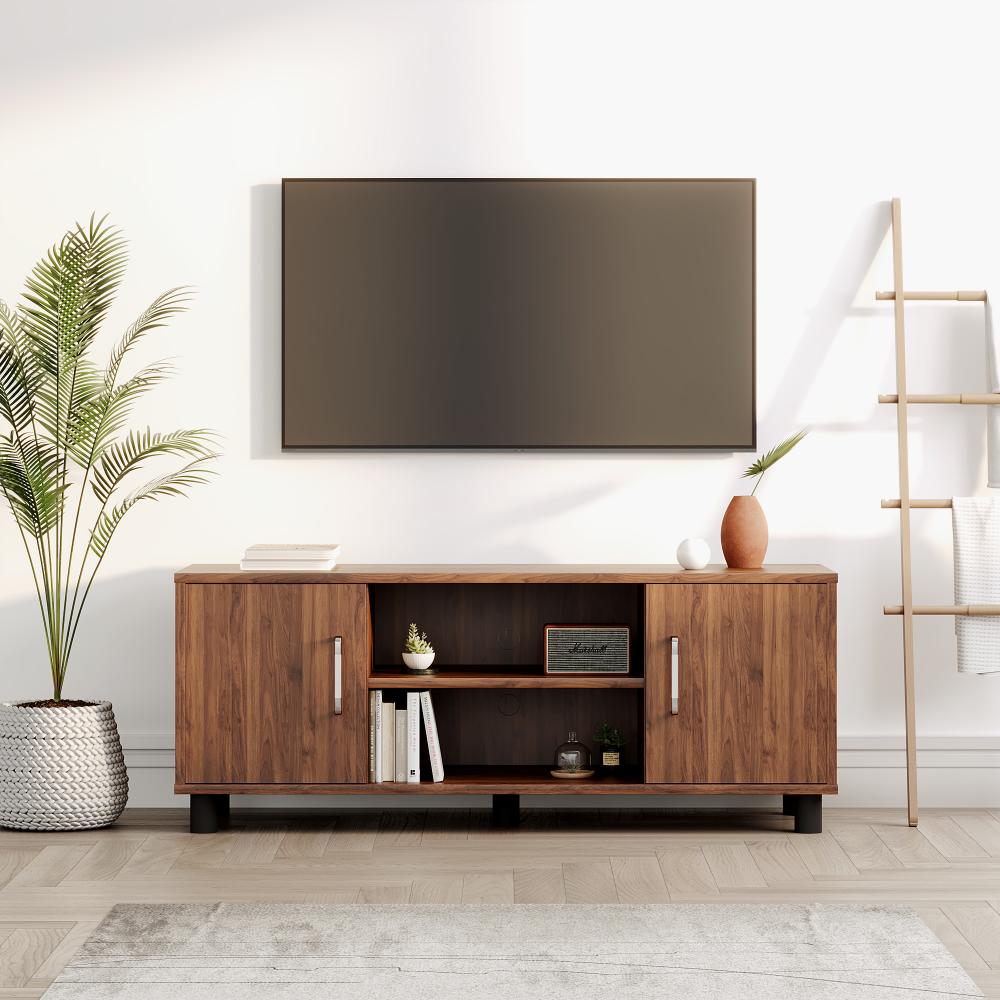
When choosing entertainment furniture, tv stands remain a popular and practical option for many homes. They offer a balance of functionality and style, but like any furniture piece, they come with both advantages and limitations worth considering.
One of the biggest pros of TV stands is stability. Being floor-mounted, they provide strong support for televisions of various sizes, making them suitable for families, rented homes, or spaces where wall drilling isn’t preferred. A well-built modern tv stand can easily handle additional devices like speakers, gaming consoles, or set-top boxes without compromising balance.
Another key benefit is storage capacity. A tv stand with storage typically includes cabinets, drawers, or open shelves that help organise cables, remotes, books, and décor items. This makes it easier to maintain a tidy entertainment area, especially in living rooms where storage is limited.
Portability is also a major plus. Unlike wall-mounted units, TV stands can be moved or rearranged without professional help. This flexibility is ideal for people who like to refresh their interiors frequently or plan to relocate in the future.
Ease of use further adds to their appeal. Installation is usually straightforward most TV stands only require basic assembly, with no wall damage or complex fittings involved. They also allow easy access to ports and cables, simplifying maintenance and upgrades.
On the downside, TV stands take up floor space, which can feel bulky in smaller rooms. In compact apartments, this may make the area look crowded compared to wall-mounted alternatives. Additionally, their grounded design may not suit ultra-minimal or contemporary interiors that prioritise visual lightness.
In summary, TV stands excel in stability, storage, and convenience, making them a dependable choice for many households. However, room size and design preference should guide whether they are the best fit for your space.
Pros and Cons of Floating TV Units
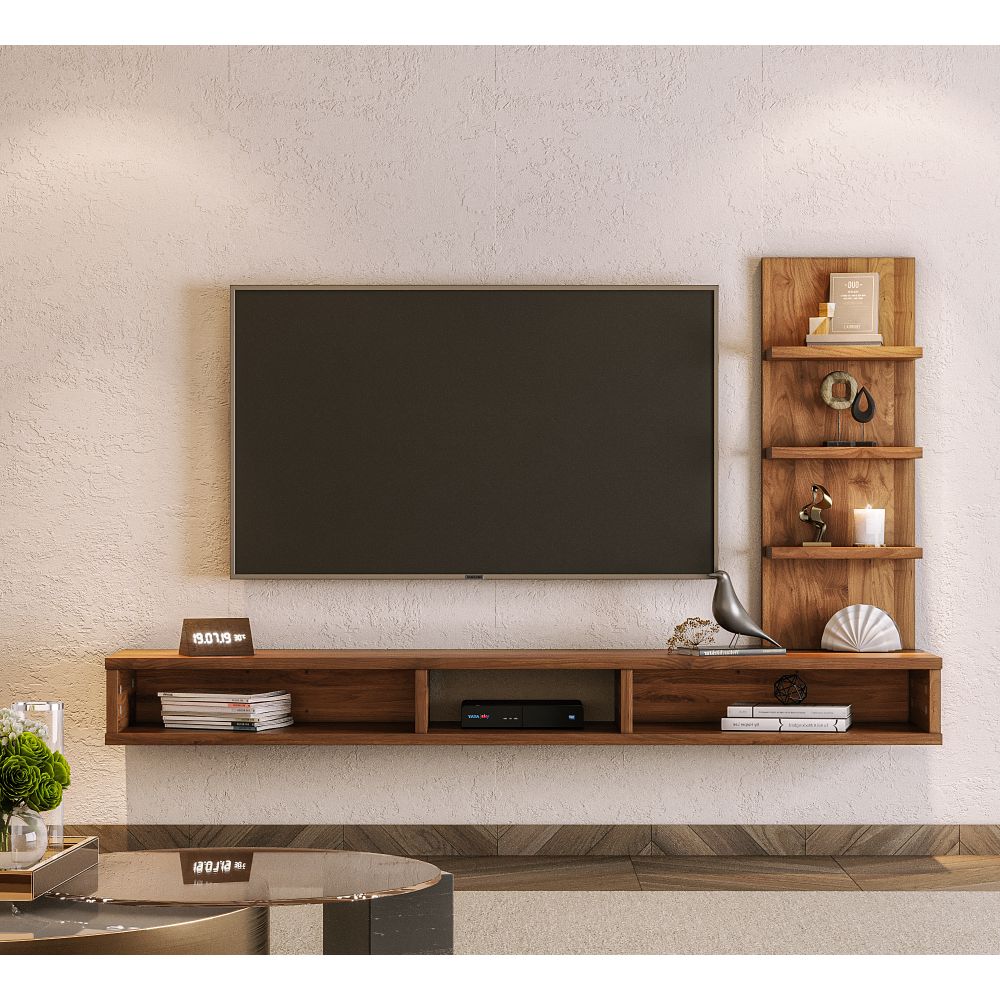
Floating tv units have quickly become a favourite in modern interiors, especially for homeowners who value clean lines and clutter-free spaces. Their wall-mounted design instantly elevates the look of a room, making them a popular choice in contemporary apartments and urban homes. Still, like any furniture choice, they come with both advantages and limitations worth considering.
One of the biggest pros of floating tv units is their unmistakably modern appeal. A floating tv stand creates the illusion of more space by keeping the floor visible, which works beautifully in compact living rooms. This design pairs well with minimalist, Scandinavian, or modern décor styles, where less visual weight translates to a more open and airy feel. A floating tv console can also be mounted at a custom height, allowing you to align the screen perfectly with your seating for a more comfortable viewing experience.
Space-saving is another major advantage. Because these units don’t rest on the floor, they make small rooms feel less crowded and easier to navigate. Cleaning becomes simpler too mopping or vacuuming under a floating tv cabinet is effortless, with no corners or legs collecting dust. Many designs still offer concealed compartments, letting you hide cables, remotes, and media devices while maintaining a sleek appearance.
On the downside, floating tv units typically require professional installation. Wall strength is critical, especially when mounting heavier televisions or storage-loaded cabinets. Unlike floor-standing units, they are not easily portable; once installed, changing their position involves drilling and patchwork. Storage capacity can also be limited compared to bulky floor units, which may not suit homes needing extensive media storage.
In essence, floating tv units are aspirational, stylish, and practical for modern lifestyles, but they work best when planned thoughtfully with wall structure, storage needs, and long-term layout in mind.
Which TV Unit Is Right for Your Space?
Choosing the right TV unit isn’t just about looks it’s about how well it fits your layout, lifestyle, and storage needs. The first thing to consider is tv unit space. In compact apartments or studio homes, bulky units can overwhelm the room. Sleek, wall-mounted or narrow-profile units help maintain visual openness and make small living rooms feel more breathable. If floor area is limited, opting for designs that lift storage vertically rather than horizontally is a smart move.
For awkward layouts or unused corners, tv corner units for living room offer a practical solution. These units are designed to maximise often-overlooked spaces, making them ideal for L-shaped sofas or asymmetrical rooms. Corner TV units also improve viewing angles while freeing up central wall space for artwork or shelving, creating a more balanced room composition.
If storage is a priority, think beyond just electronics. A tv stand with book storage is perfect for homes that double up as reading or workspaces. Open shelves can house books, décor, and collectibles, while closed cabinets keep cables and accessories neatly hidden. This combination works especially well in family homes where clutter tends to build up quickly.
For larger living rooms, you have more flexibility. Wider TV units with a mix of drawers and open sections can anchor the space and act as a visual focal point. However, even in spacious homes, proportion matters the unit should complement the wall size and seating distance without dominating the room.
Ultimately, the right TV unit aligns function with flow. When your unit fits the space naturally, it enhances comfort, improves organisation, and makes your living room feel thoughtfully designed rather than overcrowded.
How to Choose the Perfect TV Unit
Choosing the right TV unit is less about trends and more about how well it fits your space, lifestyle, and viewing habits. Start by measuring your wall or floor area carefully. The TV unit should be wider than your television for visual balance, but not so large that it overwhelms the room. If you’re working with a compact living room, wall-mounted options help keep the floor clear, while larger rooms can comfortably accommodate floor-standing units.
Next, consider your storage needs. If you have set-top boxes, gaming consoles, sound systems, or a collection of DVDs, look for a tv console cabinet with closed compartments to keep things tidy. Open shelves work well for frequently used devices, but a mix of open and closed storage offers the best of both worlds accessibility and clutter control.
Material and finish play a big role in durability and style. Engineered wood is lightweight and budget-friendly, while solid wood offers longevity and a timeless look. Glossy finishes suit modern interiors, whereas matte or wood-grain textures blend seamlessly into traditional or transitional homes.
Don’t forget cable management. Built-in wire channels or back cut-outs make a huge difference in keeping the setup clean and visually pleasing. A well-designed TV unit hides wires without restricting airflow for electronic devices.
Finally, match the unit to your interior style and daily use. Minimalist homes benefit from sleek, handle-less designs, while family homes may need sturdy surfaces and rounded edges for safety. By balancing size, storage, material, and aesthetics, you’ll find a TV unit that not only supports your screen but also elevates the entire living room experience.
FAQs
1. Which is better for small living rooms: TV stands or floating TV units?
For small living rooms, floating TV units are usually the better choice. Since they are wall-mounted, they free up floor space and create a sense of openness, making compact rooms feel larger and less cluttered. Slim TV stands can also work, but they occupy visual and physical space, which may feel heavy in tighter layouts.
2. Are floating TV units safe for heavy TVs?
Yes, floating TV units are safe for heavy TVs when installed correctly. They are designed to handle specific weight limits and must be fixed to a solid wall using proper anchors and brackets. It’s important to check the unit’s load capacity and ensure professional installation for larger or heavier televisions.
3. Do floating TV units require drilling into the wall?
Yes, floating TV units require drilling, as they need to be securely mounted to the wall. This ensures stability and safety. Because of this, they are best suited for homes where wall modifications are allowed and the wall structure can support the unit’s weight.
4. Are TV stands suitable for large living rooms?
Absolutely. TV stands work very well in large living rooms, especially when you want the unit to act as a visual anchor. Wider stands with generous storage help balance expansive walls and pair well with larger sofas and entertainment setups.
5. What materials are commonly used for TV stands and floating TV units?
Both TV stands and floating TV units are commonly made from engineered wood, solid wood, metal frames, and sometimes glass accents. Engineered wood is popular for its affordability and finish options, while solid wood offers durability and a more premium, timeless look.


No Comments