


Engineered wood has become a go-to material in modern furniture and interior design due to its versatility, durability, and cost-effectiveness. Unlike solid wood, which is made from a single piece of timber, engineered wood is crafted by binding together layers of wood or wood-based materials with adhesives. This construction not only enhances strength and stability but also reduces susceptibility to warping, cracking, or shrinking common issues with natural wood.
The popularity of engineered wood stems from its ability to mimic the appearance of solid wood while offering more consistent quality. It can be manufactured in a variety of finishes, textures, and thicknesses, making it ideal for furniture, cabinetry, flooring, and wall panels. Its adaptability allows designers to achieve sophisticated looks without compromising on budget or functionality.
Another key advantage is sustainability. Engineered wood often uses fast-growing timber species and recycled wood fibers, reducing the impact on natural forests. Additionally, it is easier to maintain and work with, enabling precise cuts and finishes for modern interiors. With options like plywood, MDF, particleboard, and laminated boards, engineered wood offers a broad spectrum of choices for homeowners and interior designers looking for durability, aesthetic appeal, and eco-friendliness. This combination of practicality and style makes engineered wood a preferred choice in contemporary homes.
What Is Engineered Wood?
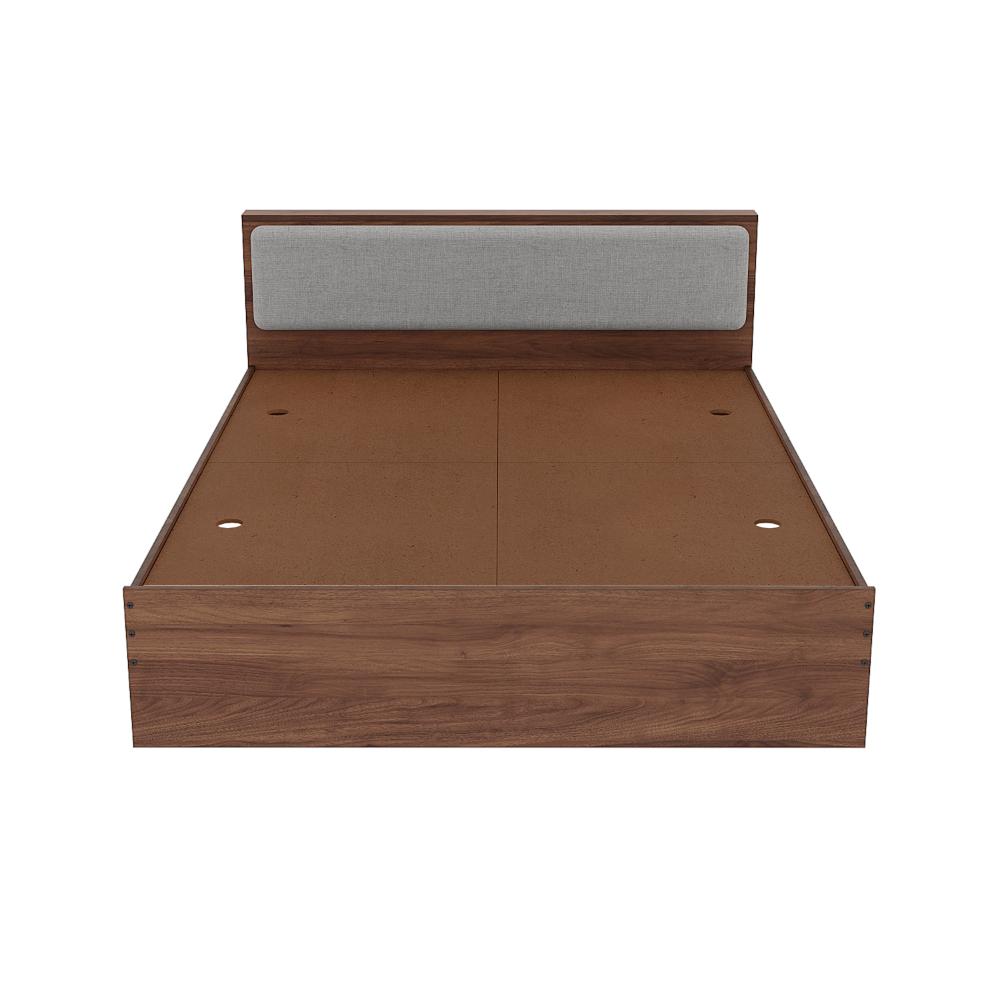
Engineered wood is a manufactured wood product made by binding together layers of wood or wood-based materials using adhesives, heat, and pressure. Unlike solid wood, which is cut from a single piece of timber, engineered wood combines multiple layers to enhance strength, stability, and durability. It is widely used in furniture, flooring, cabinetry, and interior design due to its versatility, affordability, and resistance to common wood issues like warping or cracking.
- How Engineered Wood Is Made
The manufacturing process of engineered wood involves several steps. Thin layers or veneers of wood are stacked in alternating grain directions and bonded together with strong adhesives. This cross-layer construction, seen in products like plywood, increases structural stability and prevents the material from expanding or contracting with changes in humidity. Other variants, like MDF or particleboard, use wood fibers, sawdust, or wood chips mixed with resin, which are then pressed into sheets under heat and pressure. The result is a uniform, smooth, and durable material suitable for a wide range of applications.
- Engineered Wood vs Solid Wood
When comparing engineered wood vs solid wood, the differences are clear. Solid wood is prized for its natural appearance, strength, and longevity but can be expensive and prone to environmental damage. Engineered wood, on the other hand, is cost-effective, dimensionally stable, and available in a variety of finishes that mimic natural wood. While solid wood offers authenticity and traditional appeal, engineered wood provides modern flexibility, sustainability, and ease of maintenance, making it ideal for contemporary interiors.
Types of Engineered Wood
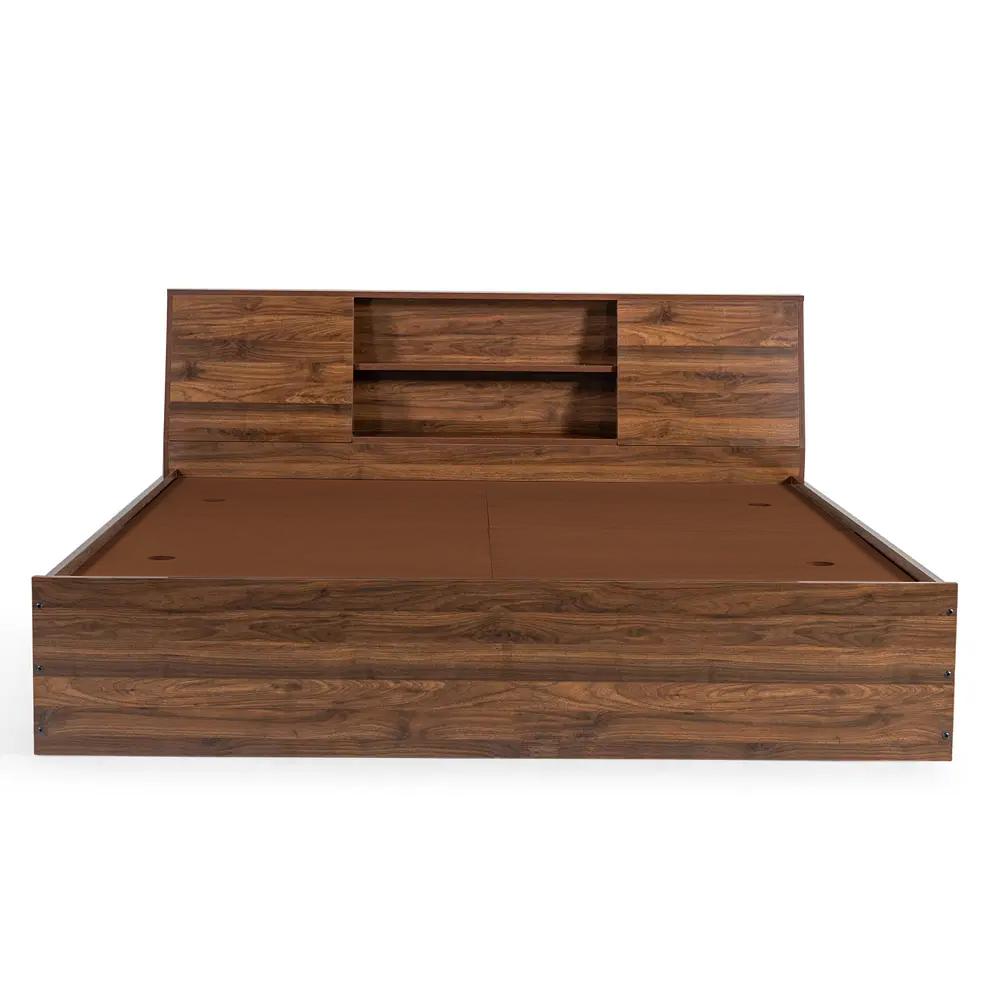
Engineered wood comes in a variety of types, each designed to meet specific needs in furniture, cabinetry, flooring, and interior design. Understanding the types of engineered wood helps homeowners and designers choose the right material based on durability, appearance, and functionality.
- Plywood
Plywood is made by layering thin sheets of wood veneer in alternating grain directions and bonding them with adhesives. This cross-layered structure provides excellent strength, stability, and resistance to warping. It is widely used for furniture, cabinets, and shelving.
- Medium-Density Fiberboard (MDF)
MDF is manufactured by compressing wood fibers with resin to create smooth, dense panels. It is ideal for painted furniture, wall panels, and decorative items because of its uniform surface and ease of cutting into intricate designs.
- Particleboard
Particleboard consists of wood chips and sawdust combined with resin and pressed into panels. While less durable than plywood or MDF, it is cost-effective and commonly used for budget-friendly furniture and interior fittings.
- Laminated Boards and HDF
Laminated boards are engineered wood sheets coated with decorative layers, offering a polished finish and additional protection. High-Density Fiberboard (HDF) is similar to MDF but denser and stronger, often used for flooring or high-traffic furniture.
Each of these types of engineered wood provides unique benefits, allowing designers to balance aesthetics, durability, and budget. Whether you need a sturdy base, a smooth finish, or a decorative surface, engineered wood offers versatile solutions that meet modern interior demands while remaining cost-effective and sustainable.
Common Uses of Engineered Wood
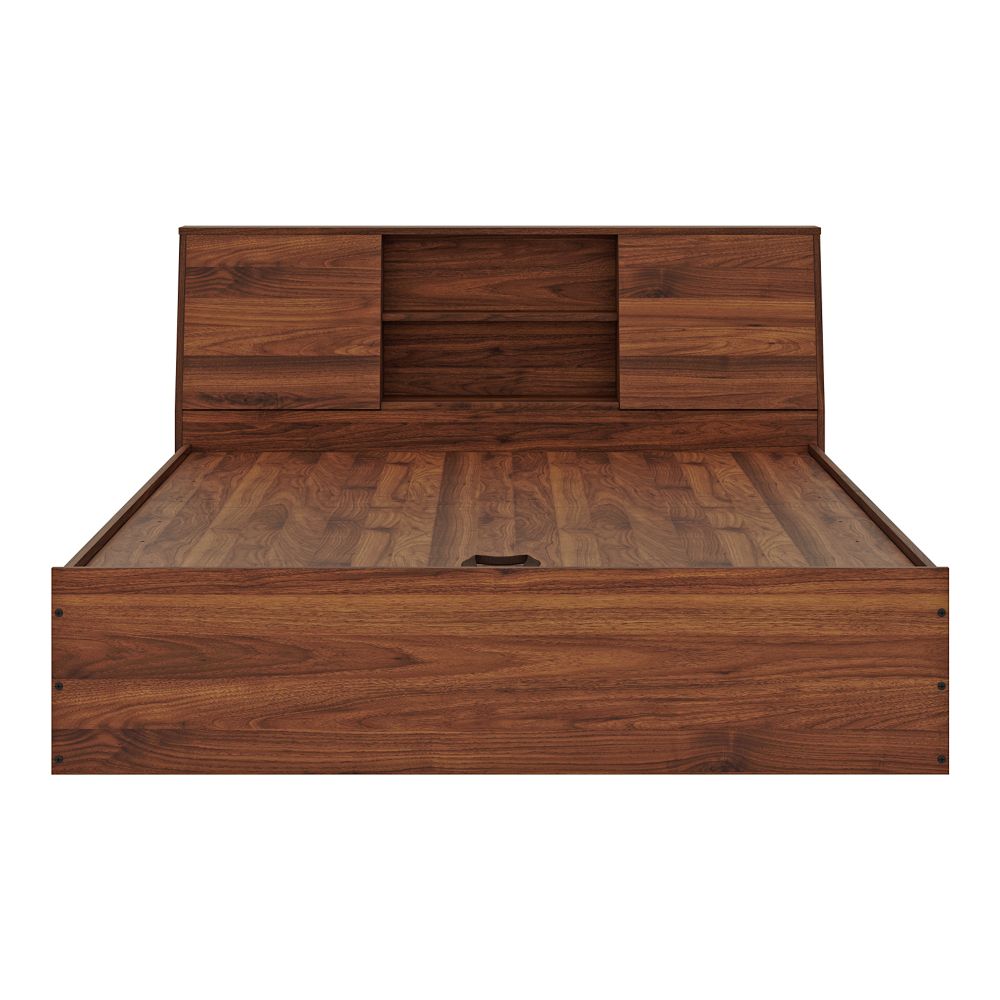
Engineered wood has become a cornerstone in modern construction and interior design due to its versatility, durability, and cost-effectiveness. It is widely used across furniture, flooring, and various interior applications, providing both aesthetic appeal and functional benefits.
- Engineered Wood in Furniture
One of the most popular applications of engineered wood in furniture is in cabinets, wardrobes, shelves, and tables. Products like plywood, MDF, and particleboard are commonly used to create sturdy yet stylish pieces. Engineered wood allows for smooth finishes, precise cuts, and intricate designs that are difficult to achieve with solid wood. Its resistance to warping and cracking ensures longevity, making it a preferred choice for everyday furniture.
- Engineered Wood in Flooring
Engineered wood flooring is a sought-after option for homeowners and commercial spaces alike. It combines the natural beauty of wood with enhanced stability, making it ideal for areas prone to moisture or temperature changes. Unlike solid wood, engineered wood flooring resists expansion and contraction, reducing the risk of gaps or buckling. Available in a variety of finishes and wood types, it allows for the elegant look of traditional hardwood floors at a more affordable price.
- Engineered Wood in Interior Design
Beyond furniture and flooring, engineered wood is extensively used in interior design. Wall panels, ceiling treatments, decorative partitions, and built-in storage units all benefit from its versatility. Laminated finishes, veneer coatings, and customizable thicknesses provide designers with flexibility to create modern, stylish interiors that are both functional and visually appealing.
Overall, engineered wood offers a sustainable, durable, and stylish solution for multiple applications, making it an essential material in contemporary homes and offices.
Advantages of Engineered Wood
Engineered wood has rapidly gained popularity in modern homes and commercial spaces due to its blend of functionality, durability, and aesthetic appeal. Understanding the advantages of engineered wood can help homeowners and designers make informed choices when selecting materials for furniture, flooring, and interior applications.
One of the primary advantages of engineered wood is its stability. Unlike solid wood, which can expand, contract, or warp due to changes in humidity and temperature, engineered wood maintains its shape and structural integrity. This makes it an excellent choice for flooring, cabinets, and furniture that require long-lasting performance.
Cost-effectiveness is another significant benefit. Engineered wood provides the look and feel of solid wood at a fraction of the price, making it accessible for budget-conscious projects without compromising on style or quality. Its versatility is also unmatched, with options like plywood, MDF, particleboard, and laminated boards available in various finishes, textures, and thicknesses to suit different design preferences.
Durability and ease of maintenance further enhance the appeal of engineered wood. Surfaces are often smooth, uniform, and resistant to cracks or splinters, making cleaning and upkeep simple. Many types are also treated to resist moisture, pests, and stains, increasing their lifespan and functionality.
Additionally, engineered wood supports sustainable practices. It often utilizes fast-growing timber species and recycled wood materials, reducing pressure on natural forests while promoting eco-friendly interiors.
Overall, the advantages of engineered wood including stability, affordability, versatility, durability, and sustainability make it an ideal material for contemporary interiors. Whether used in flooring, furniture, or decorative elements, engineered wood combines practicality and style, making it a preferred choice for modern living spaces.
Engineered Wood Grades and Thickness Options
Choosing the right engineered wood thickness and grade is essential for durability, performance, and the overall look of your furniture or interiors. Engineered wood comes in multiple grades and thicknesses to meet different structural and aesthetic needs, making it a versatile option for homeowners and designers alike.
Grades of engineered wood are typically determined by the quality of the veneers or fibers used, the type of adhesive, and the manufacturing process. Higher-grade panels, like premium plywood or HDF (High-Density Fiberboard), offer better strength, smoother surfaces, and longer lifespans. Lower-grade options, such as particleboard or standard MDF, are more budget-friendly but may require additional care to prevent damage from moisture or heavy loads.
Engineered wood thickness is another key consideration. Thicker panels provide superior strength and are ideal for load-bearing furniture, flooring, or countertops, while thinner panels are suitable for decorative applications, wall panels, or internal shelving. Standard thickness options generally range from 6mm to 25mm, with customizable sizes available for specific projects. Choosing the appropriate thickness ensures structural stability and supports the intended use, whether it’s a wardrobe, table, or flooring.
For specialized projects like engineered wood flooring, thickness not only affects durability but also influences installation methods and comfort underfoot. Understanding the relationship between grade and thickness allows buyers to select the right product for their needs, balancing cost, performance, and aesthetic appeal. By carefully considering both factors, you can ensure that your engineered wood investment is long-lasting, functional, and visually appealing.
FAQs
- Which engineered wood is best for wardrobes and cabinets?
Plywood and MDF are the most popular choices for wardrobes and cabinets. Plywood offers excellent strength and durability, while MDF provides a smooth surface ideal for painting or laminates. Both can be enhanced with a closet organizer or internal compartments for better functionality.
- Is engineered wood suitable for humid climates?
Yes, but selecting moisture-resistant variants is crucial. Marine plywood or treated MDF can withstand humidity better than standard options, reducing the risk of swelling, warping, or delamination. Proper sealing and finishes further protect the wood.
- Does engineered wood emit harmful chemicals?
Most modern engineered wood products comply with safety standards like low formaldehyde emissions. Choosing certified products ensures minimal chemical exposure, making them safe for indoor use in furniture and flooring.
- What is the lifespan of engineered wood furniture?
With proper care, quality engineered wood furniture can last 10–15 years or longer. Factors such as the type of wood, thickness, grade, and maintenance practices significantly influence longevity.
- What engineered wood is best for modular furniture?
Plywood and high-density MDF are ideal for modular furniture. They are strong, dimensionally stable, and allow precise cuts and fittings, making them perfect for customizable designs in wardrobes, cabinets, and shelving units.
No Comments