
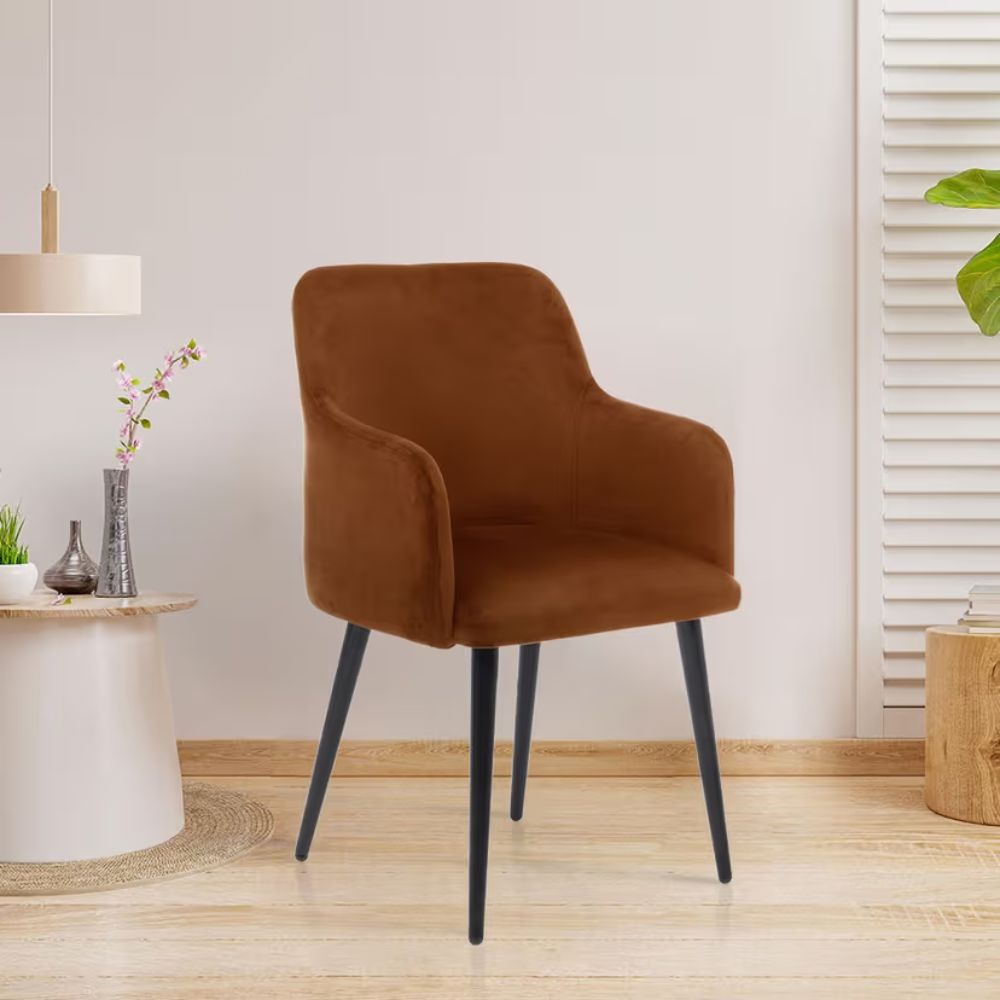

When it comes to choosing the perfect chair for your home, comfort often becomes the deciding factor. The debate around lounge chair vs accent chair isn’t just about looks it’s about how you relax, unwind, and use your space every day. Both seating options serve distinct purposes, and understanding their comfort levels can help you make a smarter, more satisfying furniture choice.
A lounge chair is designed with relaxation at its core. These chairs typically feature deeper seats, wider proportions, and ergonomic angles that support your back and shoulders over long periods of sitting. They’re ideal for reading corners, living rooms, or bedrooms where comfort takes priority. If you enjoy stretching out with a book, watching TV, or simply lounging after a long day, lounge chairs are built to offer that sink-in, stay-awhile feel.
Accent chairs, on the other hand, balance style with moderate comfort. Their primary role is to enhance the visual appeal of a room while offering additional seating. Accent chairs often have firmer cushioning, upright backs, and compact designs that make them easy to place in living rooms, entryways, or bedrooms. While they’re comfortable enough for short sits, they’re not always intended for extended lounging.
This lounge chair vs accent chair comparison is especially important for comfort-driven buyers who want seating that matches their lifestyle. Are you furnishing a cozy relaxation zone or adding a stylish touch to an existing setup? Comfort needs, available space, and usage frequency all play a role in making the right choice.
In this guide, you’ll learn how lounge chairs and accent chairs differ in terms of support, seating posture, and everyday usability helping you invest in furniture that not only looks good but feels right for your home.
What Is a Lounge Chair?
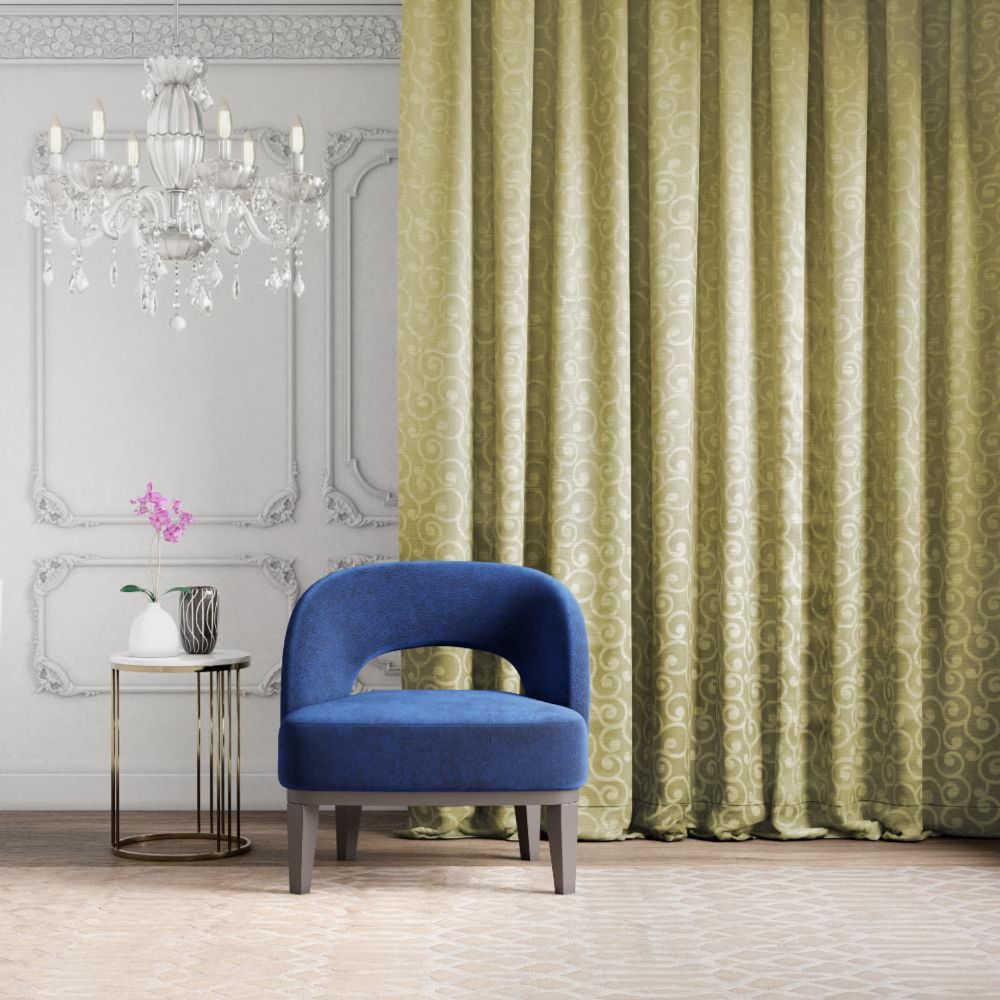
A lounge chair is a type of seating specifically designed for relaxation, comfort, and extended use. Unlike standard chairs meant for short-term sitting, lounge chairs are crafted to support the body in a more laid-back posture, making them ideal for unwinding after a long day. Their primary purpose is to encourage rest whether you’re reading, watching TV, or simply taking a moment to slow down.
What sets a lounge chair apart is its comfort-first design. These chairs usually feature deeper seats, gently reclined backs, and wider armrests that allow your body to settle naturally. The cushioning is often plush yet supportive, helping reduce pressure on the lower back and hips during long periods of sitting. Many designs also prioritize ergonomic angles that promote better posture without sacrificing relaxation.
A modern lounge chair takes this concept a step further by combining comfort with contemporary aesthetics. Clean lines, minimalist silhouettes, and thoughtfully chosen materials make these chairs easy to blend into modern living spaces. Whether upholstered in fabric, leather, or textured blends, modern lounge chairs are designed to feel as good as they look balancing visual appeal with everyday usability.
Beyond living rooms, lounge chairs are commonly used in bedrooms, reading nooks, and even home offices where comfort is key. Their versatility lies in their ability to function as both a statement piece and a personal comfort zone. Ultimately, a lounge chair isn’t just furniture it’s an invitation to pause, relax, and enjoy long, uninterrupted moments of comfort in your home.
What Is an Accent Chair?
An accent chair is a versatile seating piece designed to enhance the visual appeal of a room while offering functional, occasional seating. Unlike sofas or lounge chairs that focus primarily on long-term comfort, accent chairs play a design-forward role in interior spaces. They are often used to introduce contrast through color, texture, shape, or material making them a key element in curated home décor.
One of the most common uses of accent chairs for living room spaces is to complement the main seating arrangement. Placed beside a sofa, near a window, or in an unused corner, an accent chair helps balance the layout while adding personality to the room. These chairs are usually more upright, with firmer cushioning and compact dimensions, making them ideal for short periods of sitting rather than extended lounging.
A small accent chair is especially popular in modern homes where space efficiency matters. Its compact size allows it to fit seamlessly into apartments, bedrooms, entryways, or even home offices without overwhelming the room. Despite their smaller footprint, these chairs can make a big style impact whether through bold upholstery, unique silhouettes, or eye-catching details.
From mid-century designs to contemporary and eclectic styles, accent chairs are chosen as much for their decorative appeal as their function. They allow homeowners to experiment with design trends without committing to large furniture changes. Ultimately, an accent chair is less about sinking in and more about standing out adding charm, structure, and a polished finish to your living space.
Lounge Chair vs Accent Chair – Key Differences
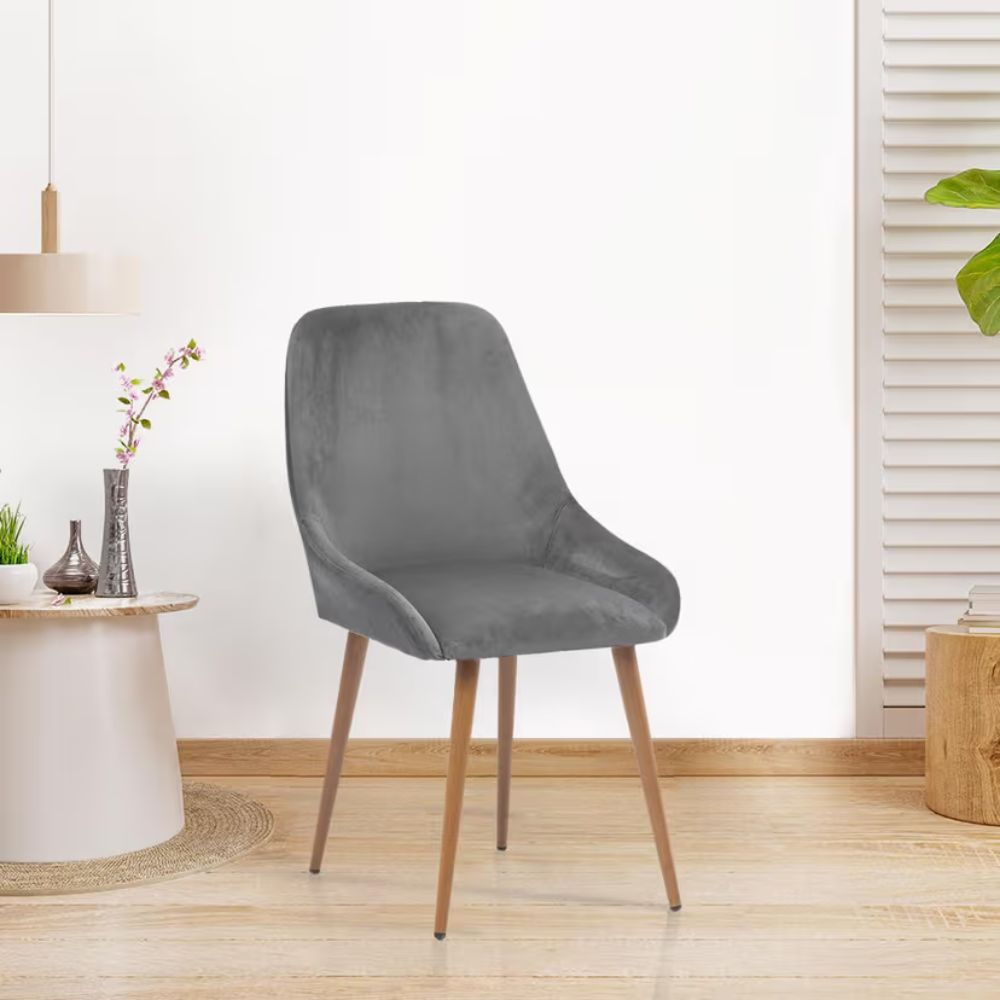
Choosing between a lounge chair and an accent chair often comes down to how you plan to use the space and what matters more comfort, style, or practicality. The lounge chair vs accent chair comparison helps clarify these differences by looking at comfort, design, size, and long-term use. While both add value to your interiors, their roles in a home are distinctly different.
1. Comfort & Ergonomic Support
Comfort is where lounge chairs truly stand out. Designed for long-duration seating, they offer deeper seats, relaxed back angles, and supportive cushioning that encourages your body to unwind. In contrast, accent chairs are more upright and structured. They provide adequate comfort for short sits but aren’t built for extended relaxation. If comfort is your top priority, lounge chairs are the clear winner.
2. Design & Visual Appeal
A lounge chair design focuses on balancing comfort with aesthetics, often featuring clean lines, plush upholstery, and a laid-back silhouette. Accent chairs, however, are chosen primarily for their visual impact. An accent chair design may include bold colours, unique shapes, or textured fabrics that add character and contrast to a room, making it a style statement rather than a comfort-first piece.
3. Size & Space Requirements
Lounge chairs generally require more floor space due to their wider and deeper structure. They work best in spacious living rooms, bedrooms, or reading corners. Accent chairs are usually more compact, making them suitable for smaller rooms, apartments, or as flexible seating additions without overwhelming the layout.
4. Maintenance & Longevity
Because lounge chairs are used more frequently, durability and fabric quality play a key role in their longevity. Accent chairs experience lighter use, which often means lower wear and easier maintenance over time.
Understanding these differences ensures you choose seating that fits both your lifestyle and your space.
Comfort Factors to Consider Before Buying
When choosing between different seating options, comfort should never be an afterthought. Whether you’re weighing the lounge chair vs accent chair decision or simply upgrading your living space, understanding key comfort factors can help you invest in a chair that truly supports your body and lifestyle. A comfort-first buying checklist ensures your chair looks good and feels right day after day.
1. Seat Height & Depth
Seat height plays a major role in how comfortable a chair feels during daily use. The ideal lounge chair height is usually lower, allowing your body to relax into a reclined, laid-back posture. This makes it perfect for long reading sessions or lounging. Deeper seats also support the thighs more evenly, reducing pressure points over time.
In comparison, accent chair height is typically higher and more upright. This makes accent chairs easier to sit on and get up from, especially in social settings. However, their shallower depth means they’re better suited for short-term seating rather than extended comfort. Choosing the right seat height and depth depends on who will use the chair and how often.
2. Backrest & Arm Support
A well-designed backrest is essential for spinal support. Lounge chairs often feature gently reclined backs that follow the natural curve of the spine, helping you maintain a relaxed yet supported posture. Armrests are usually wider and padded, allowing your arms and shoulders to rest comfortably for longer durations.
Accent chairs, on the other hand, prioritize structure over plush support. Their backrests are more upright, offering decent support for brief use, while armrests if included are often slimmer and design-focused.
By paying attention to these comfort factors, you can confidently choose seating that aligns with your comfort needs, whether you prefer relaxed lounging or stylish, occasional seating.
Lounge Chair vs Accent Chair for Different Rooms
Choosing between seating styles often depends on where the chair will be placed and how it will be used. The lounge chair vs accent chair decision becomes clearer when you look at room-specific comfort needs, space availability, and daily usage patterns. Each room demands a different balance of relaxation, function, and visual appeal.
1. Living Room
In living rooms, comfort and aesthetics need to work together. A lounge chair is ideal if you’re creating a relaxed seating zone for reading, watching TV, or unwinding after a long day. Its deep seat and laid-back posture make it perfect for extended use. Accent chairs, however, work well as secondary seating adding visual interest and structure to the space without overpowering the main sofa setup. Many homes use both to strike the right balance.
2. Bedroom
Bedrooms are personal spaces designed for rest and calm. A lounge chair fits beautifully into a reading corner or near a window, offering a cozy spot to relax before bedtime. Accent chairs in bedrooms are usually chosen for their decorative value placed near dressing tables or empty corners to enhance the room’s overall look while providing occasional seating.
3. Home Office or Study
In workspaces, posture and space efficiency matter most. Lounge chairs are suitable for reading or creative thinking breaks but may not support active work for long hours. Accent chairs, with their upright seating and compact design, are often better suited for quick meetings, desk-side seating, or limited spaces.
Understanding these room-based differences helps you choose the right chair that supports both comfort and functionality throughout your home.
FAQs
1. Do lounge chairs take up more space than accent chairs?
Yes, in most cases they do. Lounge chairs are designed for relaxation, so they usually have deeper seats, wider frames, and a more reclined structure. Accent chairs are generally more compact and upright, making them easier to fit into smaller rooms or tight corners.
2. Are accent chairs good for small living rooms?
Absolutely. Accent chairs are a great choice for small living rooms because they add extra seating and visual interest without occupying too much floor space. Their compact size and lightweight design make them easy to move and reposition as needed.
3. Which chair is better for reading and relaxing?
Lounge chairs are better suited for reading and relaxing. Their ergonomic design, deeper seat, and supportive backrest make them comfortable for long periods of sitting. Accent chairs are better for short-term seating rather than extended lounging.
4. What materials are best for a comfortable lounge chair?
Soft yet supportive materials like high-density foam, memory foam cushioning, and breathable upholstery such as fabric or leather blends work best. A sturdy wooden or metal frame also adds to long-term comfort and durability.
5. Do accent chairs provide proper back support?
Accent chairs offer basic back support suitable for short sits. However, they are more design-focused and typically have firmer cushions and upright backs, so they may not provide the same level of ergonomic support as lounge chairs for extended use.


No Comments