

When choosing between upholstered and wooden beds, it’s important to understand how they differ in style, comfort, durability, and maintenance. Both options offer unique advantages, and the right choice depends on your bedroom aesthetic, lifestyle, and long-term expectations.
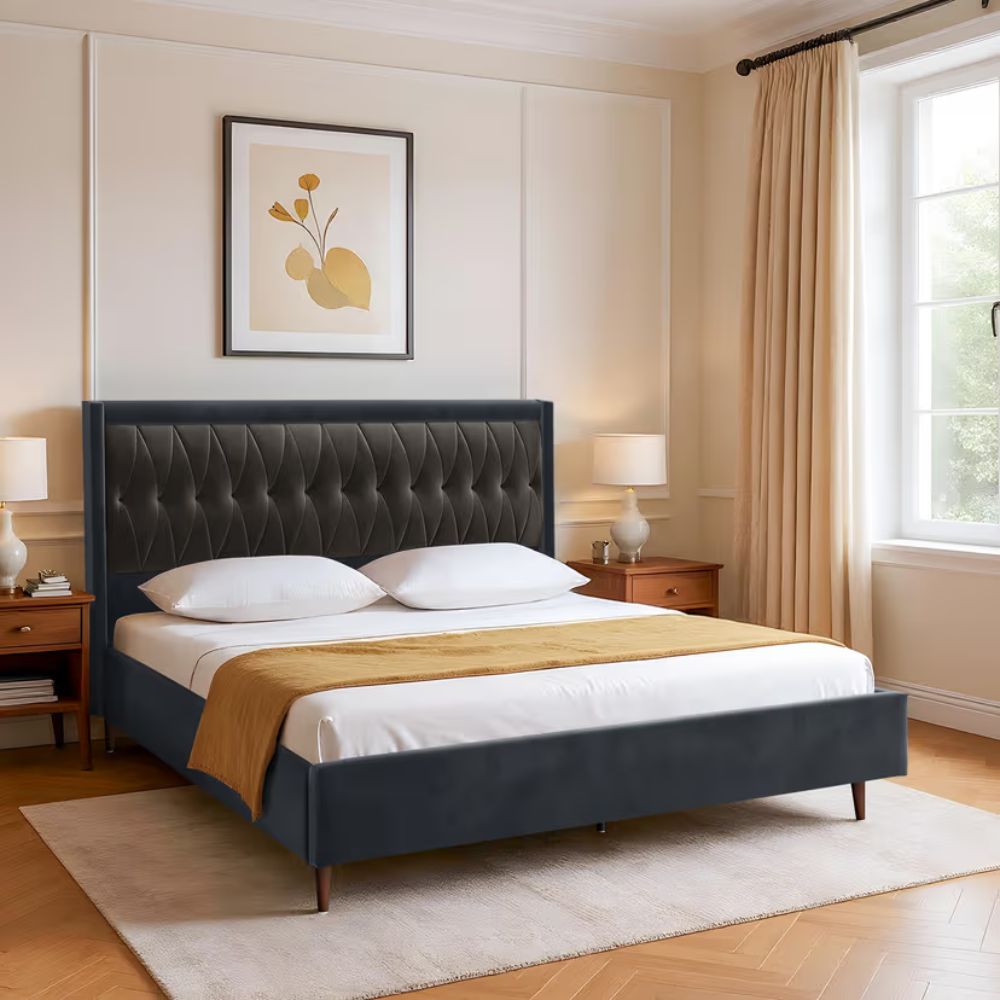
Upholstered beds are known for their plush comfort and contemporary appeal. Featuring padded headboards wrapped in fabric, velvet, or leatherette, they add a soft, luxurious touch to modern bedrooms. These beds are ideal for those who enjoy sitting up in bed to read or watch TV, as the cushioned backing provides extra support. In terms of style, upholstered designs often feel warm, elegant, and statement-making. However, they may require more maintenance, as fabric surfaces can attract dust and may need periodic cleaning to maintain their appearance.
On the other hand, wooden beds are valued for their strength, timeless design, and long-lasting durability. Crafted from solid wood or engineered wood, they offer a sturdy structure that can withstand daily wear and tear for years. Wooden frames complement a wide range of interiors from traditional to minimalist and are generally easier to maintain with simple wiping and occasional polishing. They are also less prone to staining compared to fabric-covered options.
When comparing upholstered and wooden beds, consider your comfort preferences, cleaning routine, and décor style. If you prioritise softness and a modern look, upholstered beds are a great choice. If durability and low maintenance matter most, wooden beds remain a reliable and classic investment.
What Are Upholstered Beds?

Upholstered beds are bed frames that are padded and covered with soft materials like fabric, velvet, linen, or leatherette to create a plush and comfortable finish. Unlike traditional wooden or metal frames, an upholstered bed frame features cushioning on the headboard and sometimes along the side rails and footboard giving it a soft, inviting look and feel.
The most noticeable feature of upholstered beds is the cushioned headboard. This padded surface makes it comfortable to sit up in bed while reading, watching TV, or working on your laptop. The fabric or leather covering not only adds texture but also enhances the overall aesthetic of the bedroom. Available in various colours and patterns, these beds easily complement modern, contemporary, and even luxury-inspired interiors.
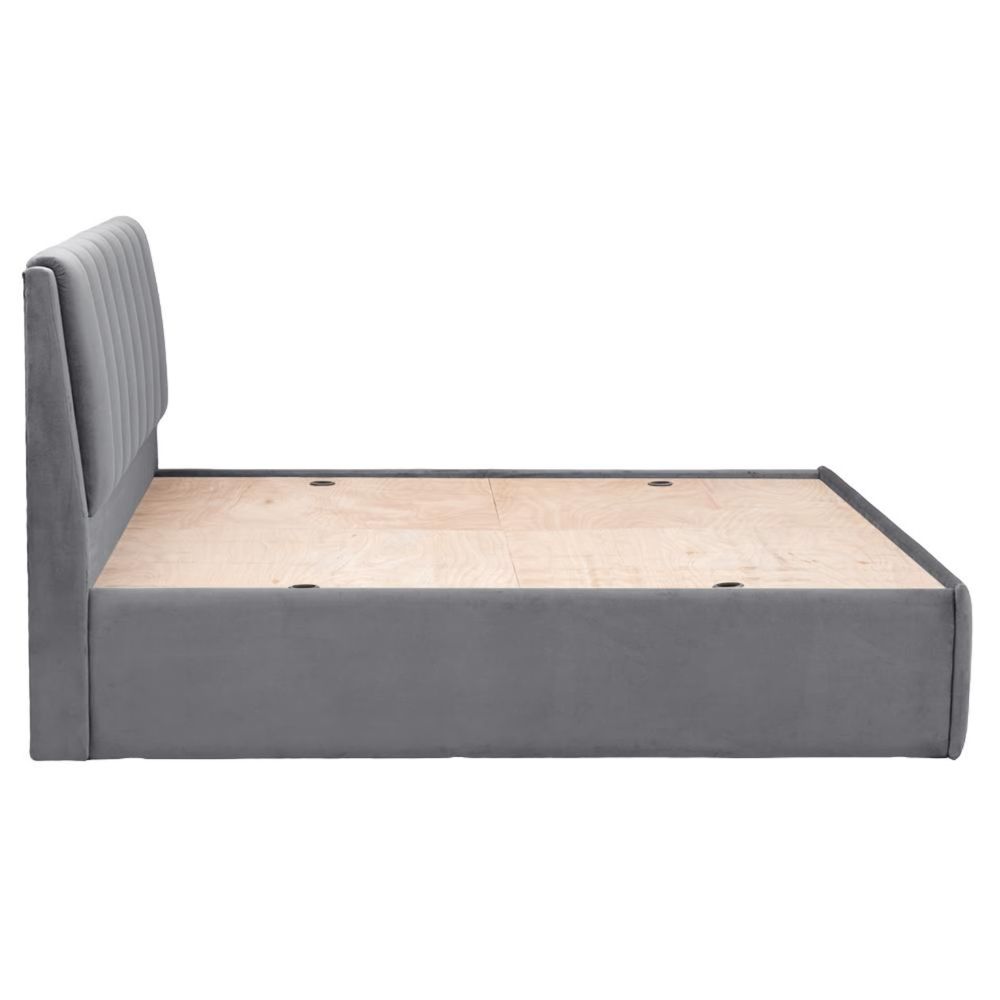
Many designs also come in the form of an upholstered storage bed, combining style with functionality. These beds include built-in storage compartments beneath the mattress, making them ideal for homes that need extra space for bedding, seasonal clothing, or essentials. The soft exterior ensures that even storage-focused designs maintain a sleek and elegant appearance.
Overall, upholstered beds are popular for their modern appeal, comfort, and cosy texture. They create a warm and sophisticated atmosphere while offering practical features that suit today’s urban homes.
What Are Wooden Beds?
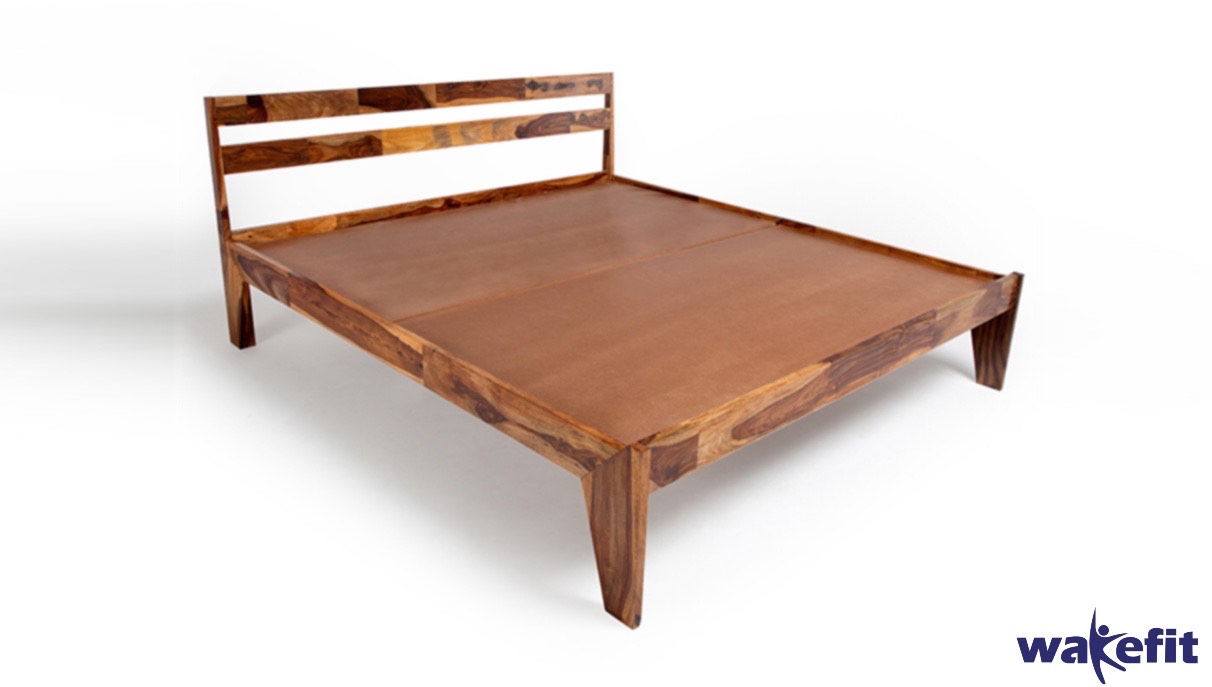
Wooden beds are bed frames crafted primarily from wood, offering strength, stability, and a timeless aesthetic that suits almost every bedroom style. Known for their durability and natural charm, these beds have remained a popular choice for generations. A typical wooden bed frame includes a sturdy base, side rails, and a headboard or footboard made entirely or predominantly from wood, ensuring long-lasting support for your mattress.
There are two main types of wooden construction: solid wood and engineered wood. A solid wood bed frame is made from natural timber such as Sheesham, teak, or oak. These beds are highly durable, strong enough to handle daily wear, and often feature beautiful natural grain patterns that make each piece unique. Solid wood is heavier and typically considered a premium option due to its strength and longevity.
On the other hand, engineered wood beds are made from processed wood materials designed to provide stability and affordability. While lighter and more budget-friendly than solid wood, engineered options still offer good durability when properly constructed. They are also available in a wide variety of finishes and colours, making it easier to match modern interiors.
One of the biggest advantages of wooden beds is their timeless appeal. The natural texture and warm tones of wood add character and elegance to any bedroom, whether your décor is traditional, rustic, or contemporary. Easy to maintain and structurally reliable, a well-crafted wooden bed frame can remain a dependable centrepiece in your bedroom for years to come.
Comparing the Pros and Cons of Upholstered and Wooden Beds
When evaluating upholstered and wooden beds, it’s helpful to compare them across comfort, durability, maintenance, cost, and overall style. Both options serve different needs, and understanding their strengths and limitations can make your decision easier.
1. Visual Appeal & Texture
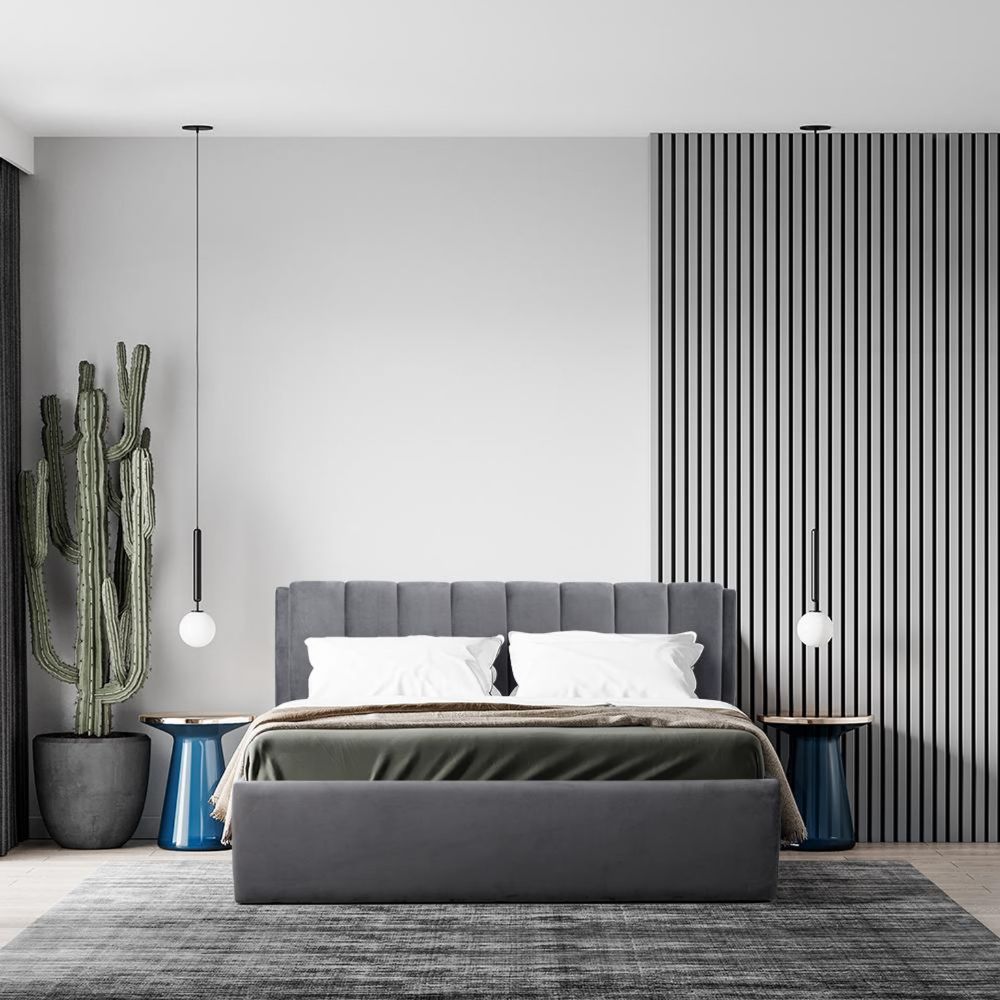
Upholstered beds offer a soft, plush texture with padded headboards that add warmth and luxury. A king size upholstered bed frame can instantly become a statement piece in modern bedrooms. However, fabric surfaces may attract dust and require more upkeep.
Wooden beds, on the other hand, showcase natural grains and solid finishes. Their smooth, sturdy structure gives a clean and classic look, though they may lack the cushioned comfort of upholstered designs.
2. Suitability for Interior Themes
Upholstered designs complement contemporary, premium, and hotel-inspired interiors. They work well in cosy, layered spaces.
Wooden beds are versatile and timeless, fitting traditional, rustic, minimalist, and even modern themes effortlessly. Their adaptability makes them a long-term décor choice.
3. Color & Finish Options
Upholstered beds are available in various fabrics, colours, and tufted styles, allowing bold or subtle design choices.
Wooden options typically come in natural wood stains, laminates, or painted finishes. While colour variety may be narrower, they offer enduring elegance across different wooden bed size options.
4. Impact on Room Size & Space Perception
A bulky king size upholstered bed frame may visually occupy more space due to padding and thicker edges.
Wooden beds generally have sharper lines and slimmer frames, making rooms feel more open especially when selecting the right wooden bed size for compact spaces.
Ultimately, the choice between upholstered and wooden beds depends on whether you prioritise plush comfort and modern style or durability and timeless simplicity.
How to Choose Between Upholstered and Wooden Beds
Choosing the right bed is about balancing comfort, practicality, and long-term value. To decide between upholstered and wooden options, start by evaluating your lifestyle and daily habits. If you enjoy sitting up in bed to read, watch TV, or work, a cushioned design like an upholstered storage bed can provide added back support and comfort. The soft padding also creates a cosy, premium feel ideal for those who prioritise relaxation and a plush bedroom experience.
Next, consider your room size. Upholstered beds often have thicker frames and padded headboards, which can make compact rooms feel slightly fuller. In smaller spaces, a sleeker design such as a wood bed frame queen can help maintain openness while still offering strong support. Wooden frames typically have cleaner lines and take up less visual space, making them suitable for apartments or minimal layouts.
Décor style also plays a key role. Upholstered beds complement modern, contemporary, and hotel-inspired interiors with their fabric finishes and elegant detailing. Wooden beds, however, are timeless and versatile, blending effortlessly with traditional, rustic, or minimalist themes.
Maintenance preference is another deciding factor. Upholstered designs may require regular vacuuming or spot cleaning, especially in homes with pets or children. Wooden beds are generally easier to maintain with simple wiping and occasional polishing.
Lastly, think about your budget and long-term usage expectations. A high-quality upholstered storage bed offers style and functionality, while a durable wood bed frame queen is often a practical, long-lasting investment. Choose the option that aligns with your comfort needs and how you envision using your bedroom over the years.
Maintenance & Cleaning Requirements
When comparing upkeep needs, upholstered and wooden beds require different levels of care. Upholstered beds feature fabric or leatherette coverings that demand regular attention to maintain their appearance. Dust, pet hair, and spills can settle into the material, so routine vacuuming and occasional spot cleaning are essential. In humid conditions, fabric may also need extra care to prevent odours or moisture retention. While removable covers or stain-resistant fabrics can reduce effort, upholstered designs generally require more consistent maintenance especially in homes with kids or pets.
In contrast, a wooden bed frame is much easier to maintain on a daily basis. Cleaning typically involves simple dusting with a dry or slightly damp cloth to remove surface dirt. For long-term care, occasional polishing helps preserve the wood’s finish and natural shine. Unlike fabric, wood does not trap dust or allergens as easily, making it a practical option for allergy-sensitive households.
A wood platform bed is particularly low-maintenance due to its clean lines and minimal detailing, which reduce dust accumulation in hard-to-reach areas. Wooden beds are also less prone to staining, and minor scratches can often be managed with basic wood care products.
For busy households looking for convenience and minimal upkeep effort, wooden options are generally the easier choice. While upholstered beds offer softness and style, a wooden bed frame or wood platform bed provides long-term durability with simpler cleaning routines and lower overall maintenance demands.
FAQs
1. Do wooden beds last longer than upholstered beds?
In general, wooden beds especially those made from solid wood tend to last longer due to their sturdy construction and resistance to daily wear and tear. Upholstered beds can also be durable, but their fabric or padding may show signs of aging sooner than a well-maintained wooden frame.
2. Are upholstered beds difficult to maintain?
Upholstered beds are not difficult to maintain, but they do require more regular care. Fabric surfaces need occasional vacuuming and spot cleaning to remove dust, stains, or pet hair. Compared to wooden beds, they typically demand slightly more upkeep.
3. Which bed style suits modern interiors?
Upholstered beds are often preferred for modern and contemporary interiors because of their soft textures, neutral tones, and elegant headboard designs. However, sleek wooden beds with minimal finishes also complement modern décor beautifully.
4. Which bed style suits traditional décor?
Wooden beds are a classic choice for traditional and rustic interiors. Their natural grains, carved details, and warm finishes blend seamlessly with timeless décor themes.
5. Are upholstered beds more expensive than wooden beds?
Pricing depends on material quality and design. Premium upholstered beds with high-quality fabric and cushioning can be more expensive, while engineered wood beds may be more budget-friendly. Solid wood options can also fall in the higher price range.
6. Are wooden beds suitable for humid climates?
Yes, wooden beds can be suitable for humid climates if they are properly treated and polished. Choosing high-quality wood and ensuring good room ventilation helps maintain durability over time.


No Comments