


With the rise of remote work, having a well-equipped workspace at home has become essential for productivity and comfort. Investing in quality home office furniture can make long work-from-home hours more efficient, organized, and physically sustainable. A thoughtfully designed workspace not only improves focus but also supports proper posture, reduces strain, and creates a professional environment that motivates daily work.
The foundation of any home office is a functional home office desk. Choosing a desk that suits your work style, provides ample surface area, and allows for proper ergonomics is critical. Adjustable desks or those with cable management features can help maintain a clutter-free and comfortable workspace. Paired with an ergonomic chair, this setup ensures that your body is supported during long hours of sitting, minimizing fatigue and discomfort.
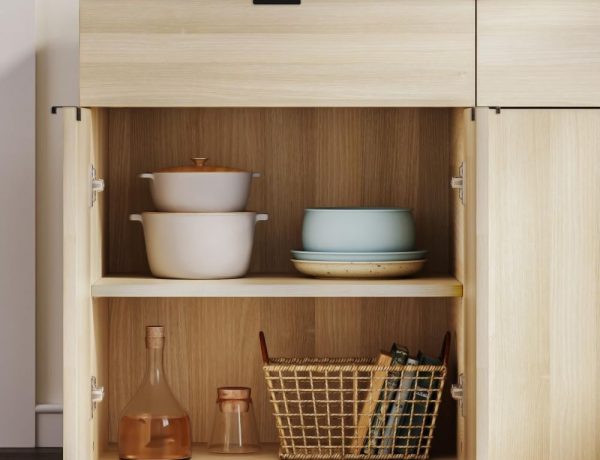
In addition to desks, other home office furniture such as storage cabinets, bookshelves, and drawer units play a vital role in organization. Keeping office supplies, files, and personal items within reach reduces distractions and streamlines workflow. Multi-functional furniture pieces that combine storage with seating or workspace can also maximize efficiency in smaller home offices.
By prioritizing ergonomics, functionality, and style, your home office becomes a space that promotes productivity while supporting physical well-being. Selecting the right home office furniture and home office desk ensures that remote work is not only effective but also comfortable, helping maintain focus, reduce strain, and create a professional atmosphere at home.
Why Choosing the Right Home Office Furniture Matters
The shift to remote work has made investing in quality modern office furniture more important than ever. The right furniture not only enhances the aesthetics of your workspace but also plays a crucial role in productivity, comfort, and long-term health during extended work-from-home hours. Poorly designed or inappropriate furniture can lead to discomfort, distractions, and even chronic health issues, making it harder to maintain focus and efficiency.
Ergonomic modern office furniture helps maintain proper posture, reducing the risk of back, neck, and shoulder pain. Chairs with lumbar support, adjustable height desks, and footrests allow you to customize your workspace to your body’s needs. This physical comfort enables longer periods of concentrated work without fatigue or strain, directly improving productivity.
Comfortable and functional furniture also supports mental well-being. A clutter-free, organized workspace with adequate storage solutions, like filing cabinets or shelves, reduces stress and enhances focus. Having furniture that suits your workflow ensures everything you need is within reach, streamlining tasks and minimizing interruptions.
Moreover, investing in quality modern office furniture promotes long-term health. Sitting on poorly designed chairs or working at improper desk heights over months or years can lead to posture-related issues, repetitive strain injuries, and decreased overall wellness. Choosing the right furniture now helps prevent these problems, ensuring a safer and more comfortable work-from-home environment.
In summary, selecting the right modern office furniture is not just a design choice it’s a health and productivity decision that supports comfort, efficiency, and long-term well-being during extended remote work hours.
Best Chairs for Long Work-From-Home Hours
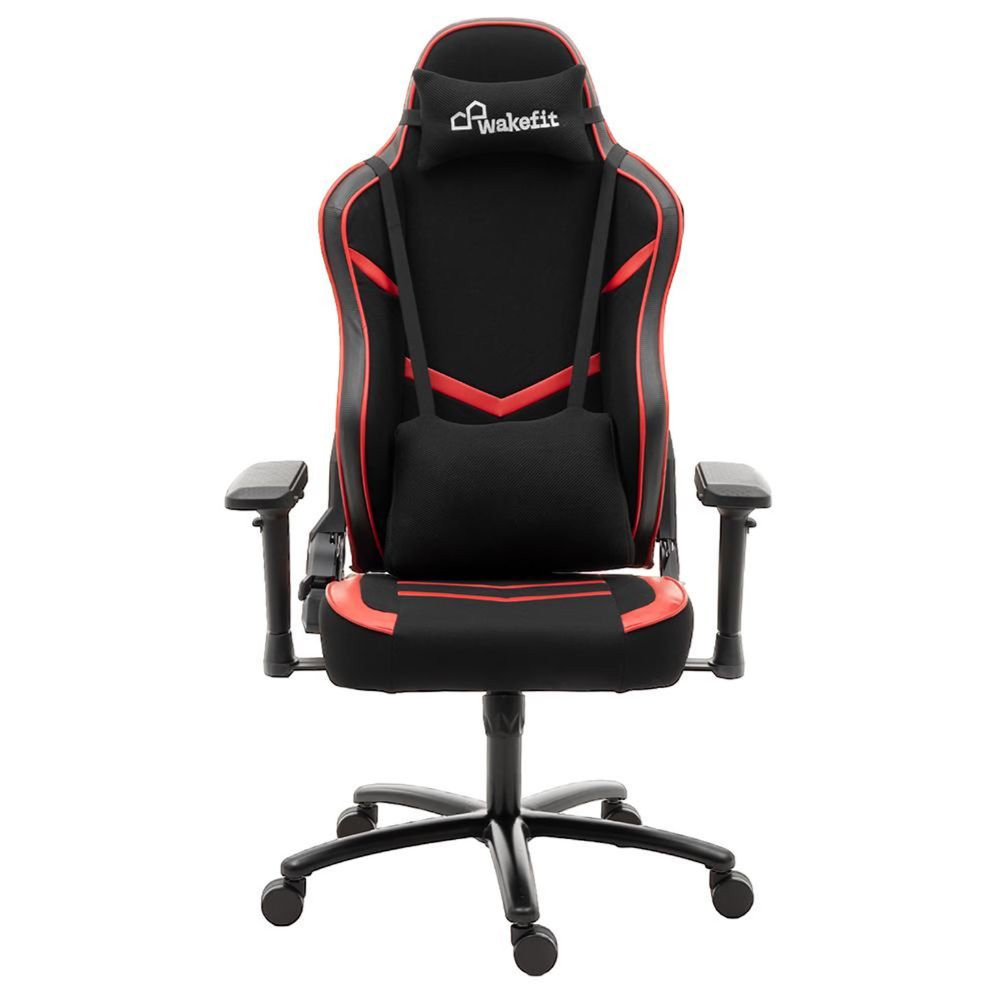
When setting up a home office, the chair you choose is arguably the most critical piece of home office furniture. Spending long hours seated requires a chair that provides proper support, promotes good posture, and reduces physical strain. Investing in the right chair not only enhances comfort but also boosts productivity, minimizes fatigue, and supports long-term health during extended work-from-home hours.
1. Ergonomic Office Chairs
Ergonomic office chairs are designed to align with the natural curves of the spine, offering lumbar support, adjustable height, and reclining features. These chairs allow you to maintain proper posture, reducing the risk of back, neck, and shoulder pain. Ergonomic designs also encourage movement and flexibility, letting users adjust the seat, armrests, and backrest according to their body needs. By providing a supportive seating structure, ergonomic office chairs improve focus and enable longer, uninterrupted work sessions without discomfort.
2. Mesh vs Cushioned Chairs
When choosing between mesh vs cushioned chairs, consider your comfort and climate preferences. Mesh chairs offer excellent breathability, keeping you cool during long hours of sitting. They conform slightly to body contours while providing firm support. Cushioned chairs, on the other hand, prioritize softness and plush comfort, often incorporating thick padding to relieve pressure on the hips and thighs. Both types can be ergonomic, but the choice depends on whether you prefer airflow and firm support or a softer, cozier seating experience.
Selecting the right chair, whether ergonomic office chairs or cushioned chairs, is essential for maintaining comfort, reducing strain, and improving productivity during long work-from-home hours. A well-chosen chair ensures you can work efficiently while protecting your physical and mental well-being, making it a cornerstone of any effective home office setup.
Key Factors to Consider Before Buying Home Office Furniture
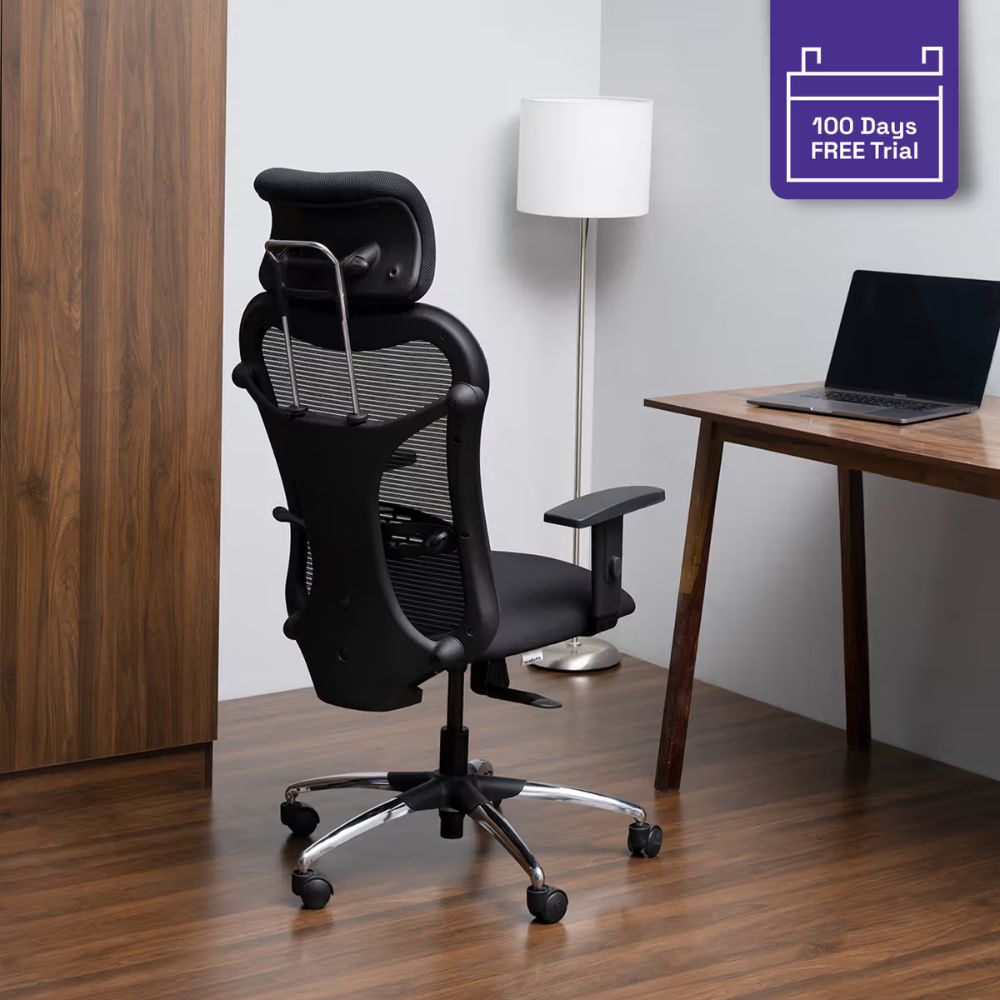
Choosing the right home office furniture is essential for creating a productive, comfortable, and organized workspace. With more people working remotely, selecting furniture that suits your needs can significantly enhance efficiency, well-being, and overall work satisfaction. Two key factors space availability and ergonomics should guide your decision-making process.
1. Space Availability and Layout
Before purchasing any home office furniture, it’s important to assess the size and layout of your workspace. Measure your room carefully and plan the placement of desks, chairs, and storage units to ensure everything fits comfortably without restricting movement. Consider multi-functional furniture, such as desks with built-in shelves or compact storage cabinets, if space is limited. Efficient layout planning not only maximizes usability but also creates a visually appealing environment that can reduce stress and enhance focus.
2. Ergonomics and Comfort
Ergonomics is a critical factor when choosing home office furniture, especially if you spend long hours working at a desk. Chairs with lumbar support, adjustable height, and comfortable padding help maintain proper posture, reducing the risk of back, neck, and shoulder strain. A desk that allows correct arm and wrist alignment prevents discomfort and promotes productivity. Additionally, incorporating supportive accessories such as footrests or monitor stands can enhance ergonomic benefits. Comfort and ergonomics directly impact your ability to concentrate, minimize fatigue, and improve overall mental and physical well-being during work hours.
By carefully considering home office furniture in terms of space and ergonomics, you can design a workspace that supports both efficiency and health. Thoughtful planning ensures that your home office is not only functional but also a comfortable, organized, and motivating environment for long-term productivity.
Features to Look for in a Work-From-Home Chair
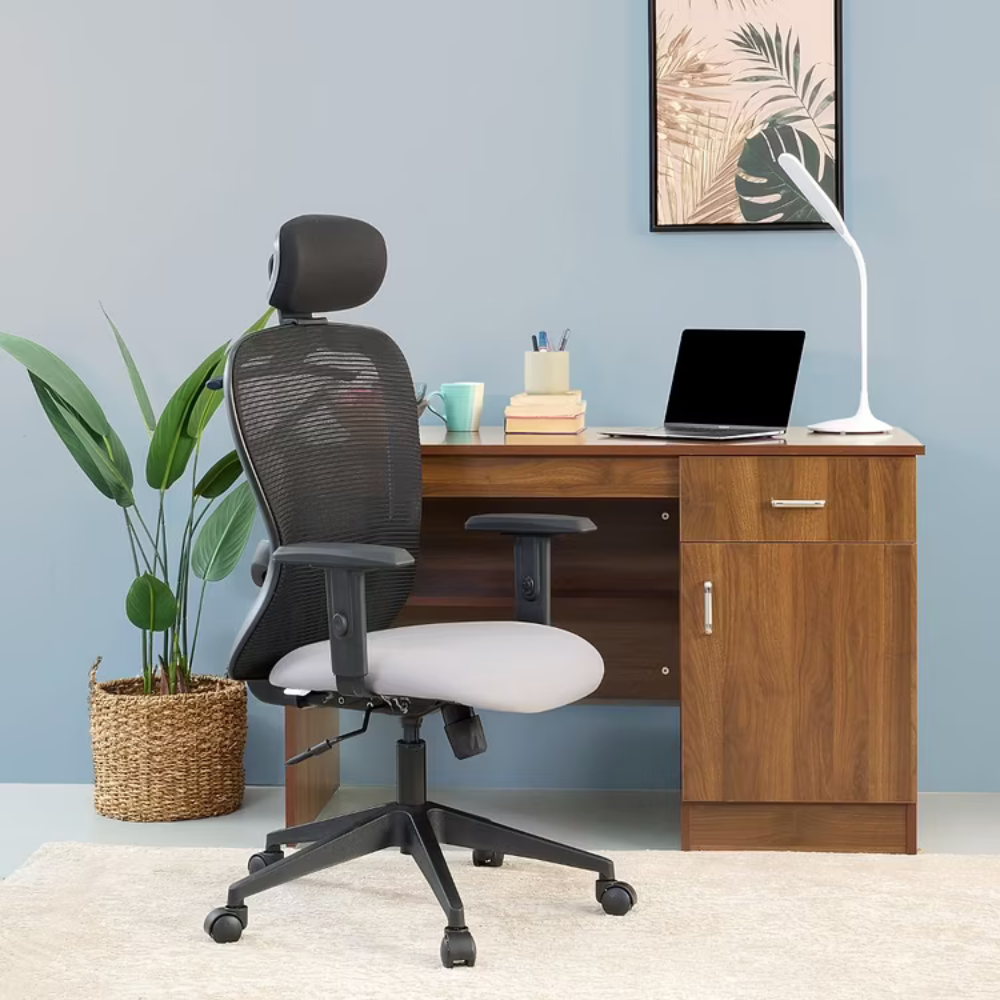
A comfortable and supportive work from home chair is one of the most important investments for anyone spending long hours at a desk. The right chair enhances productivity, reduces physical strain, and promotes overall well-being, making it essential for an efficient home office setup. When choosing a chair, it’s important to focus on features that provide proper support, flexibility, and comfort throughout the workday.
Ergonomics is the cornerstone of a high-quality work from home chair. Chairs with adjustable height, reclining backrests, and armrests allow you to customize the seating position to your body’s needs, maintaining proper posture and minimizing fatigue. Lumbar support is particularly crucial, as it prevents slouching and supports the natural curve of the spine, reducing back and shoulder strain during extended sitting periods. Comfort features, such as cushioned seats and breathable fabrics, further enhance your ability to stay focused and energized throughout the day.
1. Best Desks for Home Offices
Pairing your chair with the right work desk ensures optimal ergonomics. A home office desk should provide enough surface area for your computer, accessories, and other essentials, allowing you to maintain an organized and efficient workspace.
2. Standard Work Desks
For many, standard work desks offer simplicity and functionality. Combined with a supportive chair, they can provide a productive work environment without taking up excessive space.
3. Adjustable and Sit-Stand Desks
For added versatility, modern office desk options include adjustable and sit-stand desks, allowing you to alternate between sitting and standing. This flexibility works best with a work from home chair that accommodates changes in posture, promoting circulation and reducing fatigue.
By selecting a chair with ergonomic features, lumbar support, and comfort, and pairing it with the right desk, you can create a home office that supports long-term health, productivity, and overall work efficiency.
Best Furniture Materials for Home Offices
Selecting the right materials for your home office furniture is crucial for durability, functionality, and style. The material of desks, chairs, and storage units not only affects the longevity of your setup but also contributes to the overall aesthetic and comfort of your workspace. Choosing high-quality materials ensures that your office remains practical and visually appealing for years to come.
1. Wooden Furniture
Wooden furniture is a timeless choice for home offices, offering natural beauty, strength, and longevity. Solid wood desks, chairs, and cabinets can withstand daily use while maintaining structural integrity. Beyond durability, wooden furniture adds warmth and elegance to any workspace. Its natural finish can be customized with stains or paints to match your home décor, making it both functional and stylish.
2. Metal Wood Furniture
Metal wood furniture combines the sturdiness of metal frames with the aesthetic appeal of wooden surfaces. This hybrid design offers exceptional durability and stability while maintaining a modern industrial look. Metal supports prevent warping and sagging, while the wooden surfaces provide a comfortable and attractive workspace. Such furniture is ideal for heavy-duty use and adds a contemporary edge to your home office.
3. Engineered Wood Furniture
Engineered wood furniture, including MDF, plywood, and particleboard, provides a cost-effective and versatile alternative to solid wood. It is lightweight, easy to assemble, and available in a variety of finishes and styles. While not as robust as solid wood, engineered wood furniture can still provide long-lasting functionality when maintained properly, making it suitable for compact or modular home offices.
Choosing the right materials whether wooden furniture, metal wood furniture, or engineered wood furniture ensures your home office remains durable, comfortable, and visually appealing. The material impacts not only the longevity and maintenance of your setup but also the overall productivity and ambiance of your workspace.
Frequently Asked Questions (FAQs)
1. What is the best chair for long work-from-home hours?
The best chair for extended work-from-home hours is an ergonomic office chair with adjustable height, lumbar support, and comfortable cushioning. These features maintain proper posture, reduce strain on the back and shoulders, and allow you to work efficiently for long periods.
2. Why is ergonomic furniture important for home offices?
Ergonomic furniture supports your body’s natural alignment, preventing musculoskeletal issues, fatigue, and discomfort. By promoting proper posture and providing adjustable support, it enhances focus, productivity, and long-term physical well-being during extended work hours.
3. How do I choose the right desk for my home office?
Choose a home office desk based on your available space, work requirements, and ergonomic needs. Ensure the desk offers enough surface area for your computer, accessories, and paperwork. Adjustable or sit-stand desks provide flexibility for alternating between sitting and standing, improving comfort and circulation.
4. How can home office furniture improve productivity?
Well-designed home office furniture creates an organized, clutter-free workspace, minimizes distractions, and supports proper posture. Comfortable and functional furniture reduces physical strain, allowing you to focus better, work efficiently, and maintain energy throughout the day.
5. What storage furniture is best for organizing a home office?
Storage solutions such as filing cabinets, bookshelves, modular units, and drawer organizers are ideal for maintaining an orderly home office. These pieces keep documents, office supplies, and personal items within reach, streamlining workflow and enhancing productivity.
No Comments