


Quality sleep is a cornerstone of mental wellness, and the right mattress plays a pivotal role in achieving it. Poor sleep can lead to increased stress, anxiety, and difficulty concentrating, whereas restful nights help the brain process emotions, regulate mood, and maintain overall cognitive function. Choosing a mattress supports not just your body but also your mental health by providing a stable, comfortable sleep environment that encourages uninterrupted rest.
A mattress that conforms to your body, relieves pressure points, and promotes proper spinal alignment allows for deeper, more restorative sleep cycles. When your body is well-supported, muscles relax fully, and tossing or turning is minimized. This reduces nighttime stress and helps you wake up feeling refreshed, alert, and emotionally balanced. Conversely, an uncomfortable or unsupportive mattress can cause tossing, stiffness, and fragmented sleep, which can exacerbate stress levels and affect your mood throughout the day.
By selecting a mattress that suits your body type, sleeping position, and comfort preferences, you invest in your mental well-being. A mattress supports not only physical health but also emotional resilience, helping to reduce anxiety, improve focus, and enhance overall quality of life. Prioritizing restful sleep with the right mattress is a simple yet powerful step toward lowering stress and fostering long-term mental wellness.
Understanding the Connection Between Sleep and Mental Health

Sleep is a vital component of mental health, influencing emotional regulation, stress levels, memory, and overall mood. When we don’t get sufficient restful sleep, the brain struggles to process emotions effectively, leading to irritability, anxiety, and heightened stress. Quality sleep, on the other hand, supports cognitive functions, enhances memory consolidation, and stabilizes mood, allowing individuals to face daily challenges with resilience and clarity.
The foundation of restorative sleep often begins with the right mattress. Choosing the most comfortable mattress ensures proper support, reduces tossing and turning, and helps maintain spinal alignment. This creates an environment where the body can relax completely, enabling deeper sleep cycles essential for mental rejuvenation. A poorly chosen mattress can result in discomfort, pressure points, and interrupted sleep, which directly affects emotional well-being and stress management.
For those who prefer firmer support, a best firm mattress can provide stability and even weight distribution, reducing strain on the back and joints. This not only improves physical comfort but also minimizes nighttime disturbances that can fragment sleep and negatively impact mental health.
Investing in a mattress that fits your comfort and support needs is more than a physical decision it’s a mental health choice. By prioritizing sleep quality with the most comfortable mattress or the best firm mattress, you lay the groundwork for emotional balance, lower stress, improved memory, and a positive mood, reinforcing the deep connection between restorative sleep and mental wellness.
How Mattress Comfort Influences Stress Levels
The quality of sleep you get is deeply connected to your overall stress levels, and mattress comfort plays a central role in this relationship. A mattress that provides proper support and cushioning allows your body to relax fully, reducing physical tension that can otherwise lead to restlessness and interrupted sleep. When your body is well-supported, muscles and joints experience less strain, allowing the nervous system to enter a state of calm, which is essential for emotional relaxation.
Poor mattress comfort can lead to discomfort, pressure points, and frequent tossing and turning, which prevents deep, restorative sleep. This lack of restful sleep triggers increased production of stress hormones like cortisol, making it harder to manage daily stressors and heightening feelings of anxiety or irritability. Over time, consistently sleeping on an uncomfortable mattress can contribute to chronic stress, fatigue, and reduced mental resilience.
On the other hand, a mattress that contours to your body, distributes weight evenly, and supports natural spinal alignment promotes uninterrupted sleep cycles. This physical ease translates into emotional relaxation, allowing the brain to process stress effectively and restore balance. The right mattress comfort not only improves sleep quality but also directly impacts your ability to handle stress, recover from mental fatigue, and maintain a positive mood.
Investing in a mattress designed for optimal comfort is therefore more than a matter of physical health it’s a crucial step toward emotional well-being, stress reduction, and overall mental clarity. Comfortable sleep lays the foundation for a calmer, more balanced daily life.
Mattress Types and Their Impact on Mental Wellness
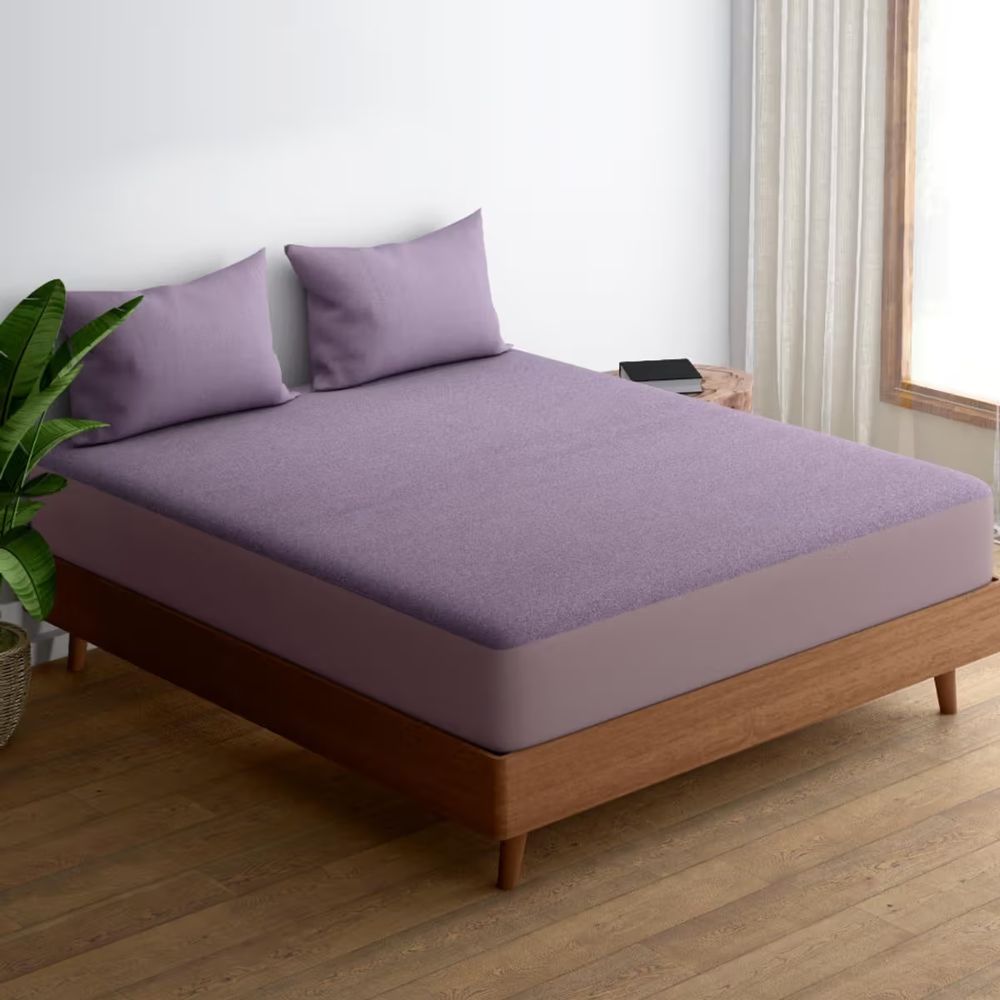
The type of mattress you choose can significantly influence your sleep quality, which in turn affects mental wellness. Different materials and construction methods provide varying levels of support, comfort, and pressure relief, all of which play a role in emotional regulation, stress reduction, and overall cognitive function.
1. Memory Foam Mattresses
Memory foam mattresses are designed to contour closely to the body, distributing weight evenly and relieving pressure points. This helps reduce tossing and turning during the night, allowing for deeper, uninterrupted sleep cycles. Quality rest supports mental health by lowering stress hormone levels, improving mood, and enhancing memory consolidation.
2. Latex Mattresses
Latex mattresses offer a naturally resilient and breathable sleep surface. Their responsive nature provides excellent spinal alignment while keeping the body cool. The combination of support and comfort promotes relaxation, helping sleepers feel more refreshed and emotionally balanced upon waking. Latex also resists sagging, ensuring consistent sleep quality over time.
3. Hybrid Mattresses
Hybrid mattresses combine the benefits of foam and spring systems, providing both contouring comfort and responsive support. This combination reduces pressure on joints while maintaining proper alignment, which can minimize nighttime discomfort and promote restorative sleep. Improved sleep quality from a hybrid mattress positively impacts mood, focus, and overall mental resilience.
4. Spring Mattresses
Traditional spring mattresses provide bounce and airflow, keeping sleepers cool and supported. While they may not contour as closely as foam or latex, high-quality spring mattresses can still offer sufficient support for many sleepers, reducing sleep disturbances and promoting consistent rest. A well-supported body fosters mental calmness, stress relief, and emotional stability.
Choosing the right mattress whether memory foam mattresses, latex mattresses, hybrid mattresses, or spring mattresses directly affects both physical comfort and mental wellness. Understanding these differences allows you to invest in a mattress that supports restorative sleep, emotional balance, and long-term mental health.
Firmness Levels and Mental Comfort
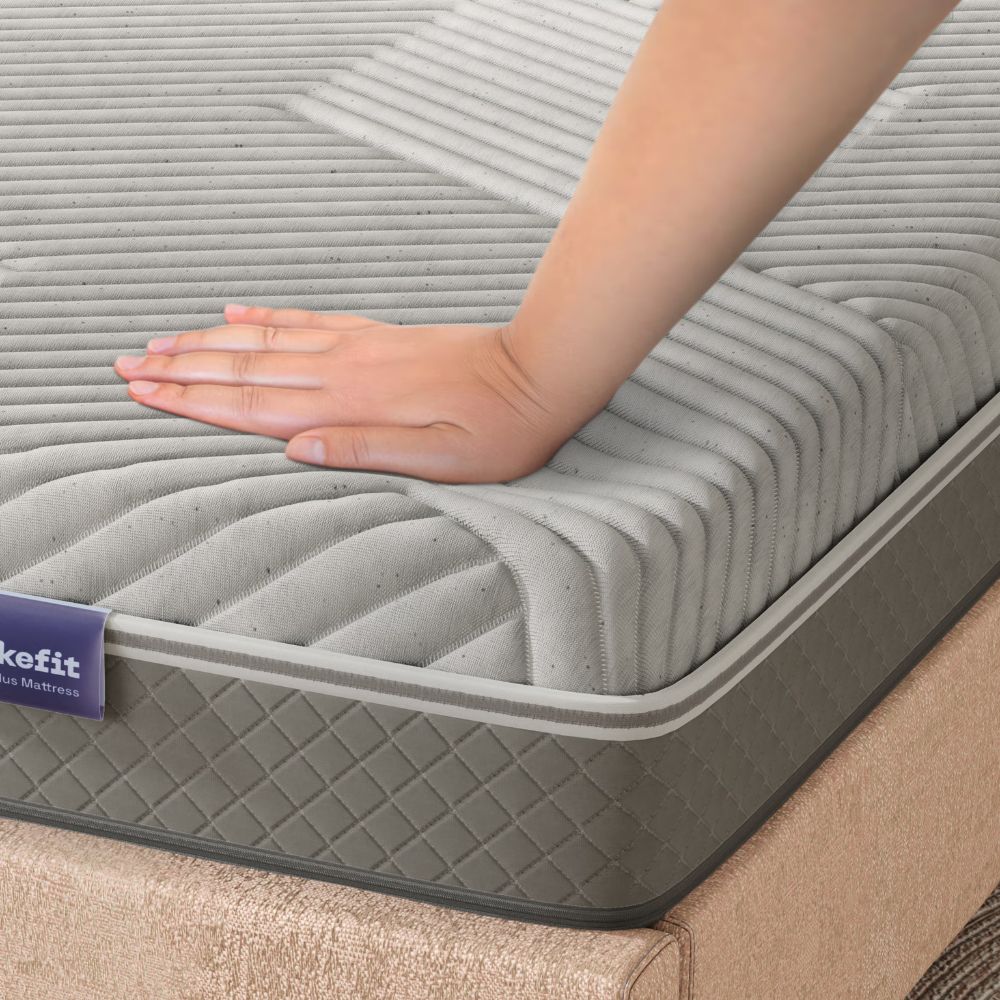
The firmness of a mattress plays a critical role in both physical support and mental comfort. Selecting the right level of firmness can enhance sleep quality, reduce stress, and promote emotional well-being. A mattress that aligns with your body’s natural curves and provides consistent support ensures restful sleep, which is essential for regulating mood and reducing daily stress levels.
1. Soft vs Medium vs Firm Mattresses
A soft mattress offers plush cushioning, allowing the body to sink slightly into the surface. This can be ideal for side sleepers, as it alleviates pressure on shoulders and hips, promoting relaxation and comfort. Medium-firm mattresses provide a balance of support and contouring, suitable for a wide range of sleepers and helping maintain proper spinal alignment. On the other hand, a firm mattress provides solid support, keeping the body stable and reducing the likelihood of sagging. Firm mattresses are particularly beneficial for back and stomach sleepers, as they prevent the lower back from sinking excessively, which can reduce tension and improve sleep quality.
2. Choosing Firmness Based on Sleep Position
Side sleepers often benefit from a softer surface that cushions pressure points, while back sleepers generally require medium to firm support to maintain spinal alignment. Stomach sleepers usually need a firm mattress to prevent lower back strain. Selecting the right firmness ensures your body remains supported throughout the night, reducing tossing and turning and allowing deeper, uninterrupted sleep.
By choosing a mattress with the appropriate firmness whether soft mattress or firm mattress you can enhance sleep quality, alleviate physical stress, and foster better mental comfort, creating a foundation for emotional balance and overall wellness.
Temperature Regulation and Stress-Free Sleep
Temperature plays a crucial role in achieving restful and stress-free sleep. When the body overheats during the night, it can disrupt the natural sleep cycle, leading to frequent awakenings, tossing and turning, and reduced time spent in deep, restorative sleep. Poor sleep due to overheating can increase stress hormone levels, impair emotional regulation, and leave you feeling irritable and mentally fatigued the next day.
A mattress that effectively mattress supports temperature regulation can help maintain a comfortable and consistent sleep environment. Materials like breathable foams, latex, or hybrid constructions promote airflow, dissipate heat, and prevent moisture buildup. These features ensure the body stays cool while still providing the necessary support for proper spinal alignment and pressure relief. By keeping the body at an optimal temperature, the mattress allows the nervous system to relax fully, encouraging emotional calmness and reducing stress levels.
Overheating can also trigger physiological responses like increased heart rate and restlessness, which can interfere with the brain’s ability to process emotions and memories. A mattress designed with cooling layers, ventilated structures, or temperature-sensitive materials helps mitigate these effects, supporting both physical comfort and mental well-being.
By investing in a mattress that mattress supports temperature regulation, you not only improve sleep quality but also create a conducive environment for mental relaxation. Consistently sleeping in a cool, comfortable setting can enhance mood, reduce anxiety, and promote long-term stress-free sleep, making temperature control an essential factor in overall wellness.
Frequently Asked Questions (FAQs)
1. How does a mattress affect mental wellness?
A mattress directly influences sleep quality, which impacts emotional regulation, stress levels, and cognitive function. A supportive and comfortable mattress helps the body relax, promotes deep restorative sleep, and contributes to better mood, focus, and overall mental well-being.
2. How does poor sleep impact stress levels?
Insufficient or interrupted sleep elevates stress hormone levels, increases irritability, and reduces the brain’s ability to process emotions effectively. Poor sleep can also impair memory, concentration, and decision-making, making it harder to manage daily stressors.
3. Can the right mattress help reduce stress and anxiety?
Yes. A mattress that provides proper support, pressure relief, and comfort encourages uninterrupted sleep, allowing the nervous system to relax and the mind to recover. This can help lower stress, reduce anxiety, and improve emotional resilience.
4. How often should a mattress be replaced for optimal sleep health?
Most mattresses should be replaced every 7–10 years, depending on material, usage, and wear. Regularly assessing comfort, support, and physical condition helps ensure your mattress continues to promote healthy sleep and mental wellness.
5. How does temperature regulation in a mattress affect mental wellness?
Temperature-regulating mattresses maintain a comfortable sleep environment, preventing overheating that can disrupt sleep cycles. Proper temperature support helps the body stay relaxed, reduces nighttime awakenings, and promotes mental calmness, emotional balance, and stress reduction.

No Comments