


A well-maintained cabinet does more than just store your belongings it protects your investment, enhances your home’s appearance, and supports everyday hygiene. Whether it’s a kitchen unit, bedroom wardrobe, or a multi-purpose storage cabinet, regular care plays a crucial role in ensuring long-lasting performance and visual appeal. Over time, cabinets are exposed to dust, moisture, frequent handling, and occasional spills, all of which can affect their finish, structure, and usability if left unattended.
Proper maintenance helps preserve the original look and strength of a cabinet, preventing issues such as warping, discoloration, loose hinges, or surface scratches. Clean and well-cared-for cabinets also contribute to a healthier living environment by reducing dust buildup, mold, and bacteria especially important in areas like kitchens and bathrooms. A neglected storage cabinet can quickly become a breeding ground for pests or unpleasant odors, impacting both cleanliness and convenience.
From a long-term value perspective, caring for your cabinets ensures they age gracefully and remain functional for years. Instead of frequent repairs or costly replacements, simple maintenance routines can extend their lifespan and keep them looking close to new. This is particularly important for high-usage cabinets that store essential items and see daily wear and tear.
Beyond practicality, cabinets play a key role in defining the aesthetics of your space. Clean surfaces, smooth drawers, and sturdy doors elevate the overall look of your interiors. By understanding the importance of cabinet care, you not only protect your furniture but also maintain an organized, hygienic, and visually pleasing home. In the following sections, we’ll explore effective ways to maintain and care for your cabinets, helping you get the most out of every cabinet and storage cabinet in your home.
Why Cabinet Maintenance Is Important

Regular cabinet maintenance is essential for keeping your home functional, attractive, and cost-efficient over time. Cabinets are among the most frequently used pieces of furniture in kitchens, bathrooms, and living spaces, which means they endure constant opening, closing, handling, and exposure to moisture, heat, and dust. Without proper care, even high-quality cabinets can deteriorate faster than expected.
One of the biggest reasons for maintaining your cabinet is longevity. Routine cleaning, tightening of hardware, and timely repairs help prevent common issues such as loose hinges, warped panels, peeling finishes, or jammed drawers. When cabinets are well cared for, they retain their structural integrity and continue to perform smoothly for years, reducing the need for premature replacements.
Cost savings is another major benefit of consistent cabinet care. Replacing damaged cabinets can be expensive, especially in kitchens and bathrooms where cabinetry forms a significant part of the overall setup. Regular maintenance helps you avoid costly repairs by addressing minor issues before they become major problems. Simple actions like wiping spills immediately or checking for moisture buildup can go a long way in protecting your investment.
Aesthetics also play a crucial role. Clean, well-maintained cabinets enhance the overall look of your interiors, making spaces feel organized and inviting. In kitchens, glossy or wooden cabinets that are properly cared for retain their finish and color, contributing to a fresh and hygienic environment. In bathrooms, maintained cabinets resist moisture damage and mold, while in living spaces, they help create a polished and clutter-free appearance.
Ultimately, maintaining your cabinet is about preserving both function and beauty. With regular care, cabinets remain reliable, visually appealing, and valuable assets in your home, supporting daily routines while enhancing the overall living experience.
Understanding Your Cabinet Material
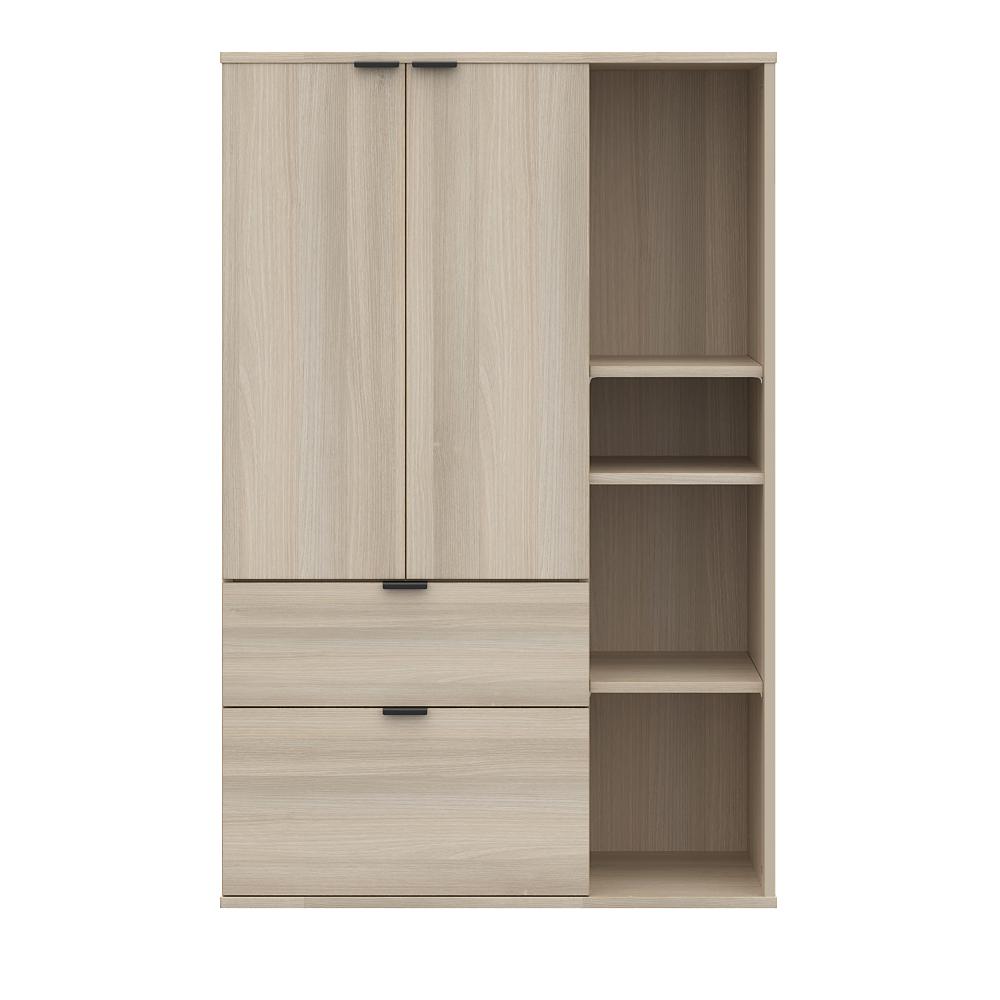
Knowing what your cabinet is made of is the first step toward maintaining it properly. Different materials react differently to moisture, heat, cleaning agents, and daily wear. When you understand your cabinet material, you can choose the right care methods, avoid damage, and extend the life of everything from a small cabinet to full-sized living room cabinets and wall cabinets.
1. Wooden Cabinets
Wooden cabinets are valued for their natural beauty, strength, and timeless appeal. Solid wood reacts to changes in humidity and temperature, which means improper care can lead to warping, cracks, or fading. Regular dusting, gentle cleaning, and occasional polishing help maintain the wood’s finish and prevent dryness. Because wood is porous, spills should be wiped immediately especially in kitchens and bathrooms. With the right care, wooden cabinets can last for decades and age beautifully.
2. Laminate and Engineered Cabinets
Laminate, MDF, and engineered wood cabinets are popular for their affordability and uniform appearance. These materials are commonly used in modern cabinet designs, including modular wall cabinets. While they are resistant to scratches and stains, prolonged exposure to moisture can cause swelling or peeling. Cleaning should be done using a soft cloth and mild cleanser, avoiding excess water. Understanding these limitations helps preserve both function and finish, especially in high-use areas.
3. Painted and Glossy Cabinets
Painted and glossy cabinets add a sleek, contemporary look to interiors, particularly in living room cabinets and compact small cabinet units. However, they are more prone to visible fingerprints, scratches, and scuffs. Regular wiping with a microfiber cloth keeps the surface clean, while avoiding abrasive cleaners helps maintain the shine. Gentle care ensures the color and gloss remain intact over time.
By recognizing how each cabinet material behaves, you can tailor your maintenance routine accordingly. This knowledge not only protects your furniture but also keeps your storage solutions looking stylish and functional for years.
Daily Cleaning Practices for Cabinets

Consistent daily cleaning plays a key role in keeping cabinets looking fresh and functioning smoothly. Over time, dust, grease, and fingerprints can dull surfaces and damage finishes if not addressed early. Simple, regular habits help prevent buildup, reduce long-term maintenance, and preserve the appearance of your cabinets across kitchens, bathrooms, and living areas.
1. Dusting and Surface Wiping
Dust settles quickly on cabinet surfaces, especially on top panels and open shelves. A quick daily dusting using a soft, dry microfiber cloth helps prevent particles from settling into corners and seams. For light stains or splashes, gently wipe the surface with a slightly damp cloth and immediately dry it to avoid moisture damage. In kitchens, where grease buildup is common, a mild soap solution can be used sparingly. Avoid harsh chemicals or abrasive scrubbers, as they can strip finishes or leave scratches. Regular surface wiping keeps cabinets clean, reduces allergen buildup, and maintains their original look.
2. Cleaning Cabinet Handles and Knobs
Handles and knobs are among the most frequently touched parts of any cabinet, making them magnets for grime, oils, and bacteria. Wipe these areas daily with a damp cloth to remove fingerprints and residue. For deeper cleaning, use a gentle disinfectant or mild soap solution, then dry thoroughly to prevent corrosion or water spots especially on metal hardware. Paying attention to these small details not only improves hygiene but also keeps hardware looking polished and working smoothly.
By incorporating these easy daily cleaning practices into your routine, you can prevent stubborn stains, protect cabinet finishes, and maintain a neat, hygienic home environment with minimal effort.
Preventing Common Cabinet Damage

Understanding what causes cabinet damage is the key to preventing it. Cabinets are exposed to daily wear, moisture, heat, and frequent handling, all of which can slowly affect their structure and appearance if not managed properly. With a few preventive care habits, you can significantly extend the life of your cabinets and keep them looking new.
One of the most common reasons for cabinet damage is moisture exposure. In kitchens and bathrooms, steam, spills, and leaks can cause swelling, warping, or peeling finishes. To avoid this, always wipe spills immediately and ensure proper ventilation, especially near sinks and cooking areas. Using exhaust fans and keeping cabinet surfaces dry helps prevent long-term moisture-related issues.
Heat is another major contributor to cabinet wear. Cabinets placed close to ovens, stovetops, or direct sunlight may experience fading, cracking, or weakened joints over time. Installing heat shields near appliances and using curtains or blinds to block harsh sunlight can protect cabinet materials from excessive heat exposure.
Improper use also leads to unnecessary cabinet damage. Slamming doors, overloading shelves, or hanging heavy items on cabinet handles can loosen hinges and weaken internal structures. Using soft-close mechanisms, distributing weight evenly, and avoiding excessive force during daily use can prevent mechanical damage.
Cleaning habits matter as well. Harsh chemicals, abrasive sponges, and excessive water can strip finishes and scratch surfaces. Gentle cleaners and soft cloths are always the safer choice. Additionally, routine inspections help catch small issues like loose screws or minor cracks early, before they become costly repairs.
By addressing these common causes with simple preventive care, you can minimize cabinet damage, protect your investment, and maintain functional, attractive cabinets for years to come.
Common Cabinet Care Mistakes to Avoid
Many homeowners unintentionally shorten the life of their cabinet by making small but avoidable care mistakes. Understanding what not to do and how to fix minor issues yourself can help maintain both functionality and appearance without costly professional repairs.
One common mistake is ignoring loose hinges or handles. Over time, daily use can loosen screws, causing doors to sag or misalign. Instead of waiting for the problem to worsen, tighten screws using a screwdriver as soon as you notice movement. If screws no longer hold firmly, inserting wooden toothpicks or matchsticks into the hole before re-screwing can provide a stronger grip and restore stability to the cabinet.
Another frequent error is using excessive water during cleaning. Water can seep into seams and edges, leading to swelling or peeling. Always use a damp, not wet cloth and dry surfaces immediately. For minor surface scratches, a furniture touch-up marker or a mix of olive oil and vinegar can help blend the mark and improve the cabinet’s appearance.
Overloading shelves is also a mistake many people overlook. Excess weight can cause shelves to bend or brackets to loosen. If you notice a sagging shelf, remove the load and add extra support brackets or shelf pins to reinforce the structure. This simple DIY fix helps maintain the cabinet’s functionality.
Lastly, neglecting small chips or cracks can lead to larger damage. Wood filler or putty can be used to repair minor chips, followed by light sanding and matching paint or polish. Addressing these issues early keeps your cabinet in good condition and prevents more serious repairs later.
Avoiding these common mistakes and handling small repairs promptly ensures your cabinets remain durable, functional, and visually appealing for years to come.
Frequently Asked Questions (FAQs)
1. How often should cabinets be cleaned and maintained?
Cabinets should be dusted and wiped at least once a week to prevent dirt and grease buildup. A more thorough cleaning, including handles, knobs, and interior shelves, can be done monthly. Regular maintenance helps prolong the life of the cabinets and keeps them looking fresh.
2. Which cleaning products should be avoided for cabinets?
Avoid harsh chemicals, abrasive scrubbers, and bleach-based cleaners, as they can strip finishes, scratch surfaces, or cause discoloration. Instead, use mild soaps, warm water, or recommended cabinet cleaning solutions.
3. How do I remove grease buildup from kitchen cabinets?
Grease buildup can be removed by using a mixture of warm water and mild dish soap. Apply it with a soft cloth, gently wipe the surface, and then dry immediately. For stubborn grease, a mixture of vinegar and water or a gentle degreasing solution can be used.
4. Are natural cleaning solutions safe for cabinets?
Yes, natural solutions like diluted vinegar, lemon juice, or mild soap are generally safe for most cabinet surfaces, including wood, laminate, and painted finishes. Always test a small, inconspicuous area first to ensure there is no reaction.5. How can I fix loose cabinet hinges and handles?
Loose hinges and handles can usually be fixed by tightening screws with a screwdriver. If the screw holes have widened, inserting a wooden toothpick or matchstick coated in glue before re-tightening can provide extra grip and restore stability.

No Comments