
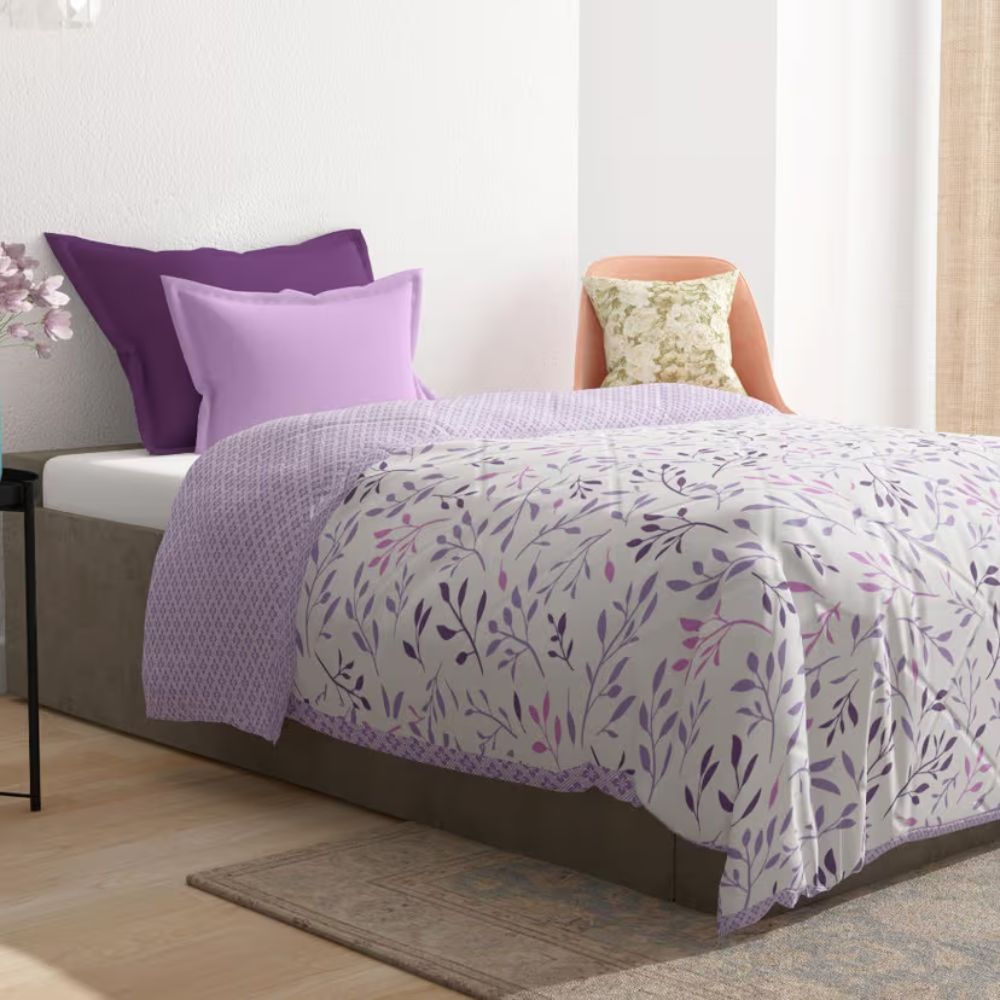

When winter sets in, the quality of your sleep often depends on how warm and comfortable your bedding is. Choosing the right winter layer is not just about staying warm; it also affects sleep quality, overall comfort, and even the look of your bedroom. This is why the debate around comforter vs blanket becomes important, especially for people who want the right balance between warmth and ease of use. Both options serve the same purpose but differ in how they feel, function, and fit into daily life.
A blanket is usually lighter and more flexible, making it ideal for people who prefer layered bedding. Blankets allow better temperature control, especially in homes where winter temperatures are mild or where heating is used at night. On the other hand, comforters are thicker and filled with insulating materials that trap heat effectively. This makes them a popular choice for colder regions and for those who want a cozy, all-in-one bedding solution without layering.
When comparing down blanket vs comforter, the difference lies mainly in warmth and weight. Down blankets offer softness and breathability with moderate insulation, while comforters provide deeper warmth due to their heavier filling. Comforters also add a plush, finished look to the bed, enhancing bedroom aesthetics during winter.
Ultimately, the right choice depends on personal comfort, climate, and sleep habits. Understanding how blankets and comforters differ helps you create a warm, comfortable, and restful winter sleep setup that suits your home and lifestyle.
Understanding Winter Bedding Essentials
As temperatures drop, the right bedding becomes essential for staying warm and comfortable at night. Winter bedding is designed to help the body retain heat, reduce exposure to cold air, and create a cozy sleep environment. Choosing suitable bedding during colder months not only improves comfort but also plays an important role in maintaining steady body temperature and supporting uninterrupted sleep. When your body stays warm through the night, it can relax better, leading to deeper and more restful sleep.
A well-planned winter bedding setup usually includes multiple layers that work together. The base layer helps with breathability, while the top layer provides insulation. This is where choosing the right blanket or comforter becomes important. Blankets are generally lighter and allow flexible layering, making them suitable for mild winters or for people who prefer adjustable warmth. Comforters, on the other hand, are thicker and trap more heat, offering consistent warmth during colder nights.
Many homeowners also explore options like fleece or sherpa-based products when updating their winter bedding. The discussion around sherpa blanket vs comforter is common, as both are popular for winter use. A sherpa blanket is known for its soft texture and moderate warmth, making it ideal for lounging or layering. Comforters provide heavier insulation and are often chosen for extremely cold weather or for those who prefer a single, all-in-one bedding solution.
Beyond warmth, winter bedding also enhances bedroom comfort and appearance. Coordinated colors, textures, and fabrics can make the bedroom feel inviting and restful. Investing in the right winter bedding ensures not only better sleep but also a cozy space that feels comforting throughout the colder months.
Why Choosing the Right Winter Bedding Matters
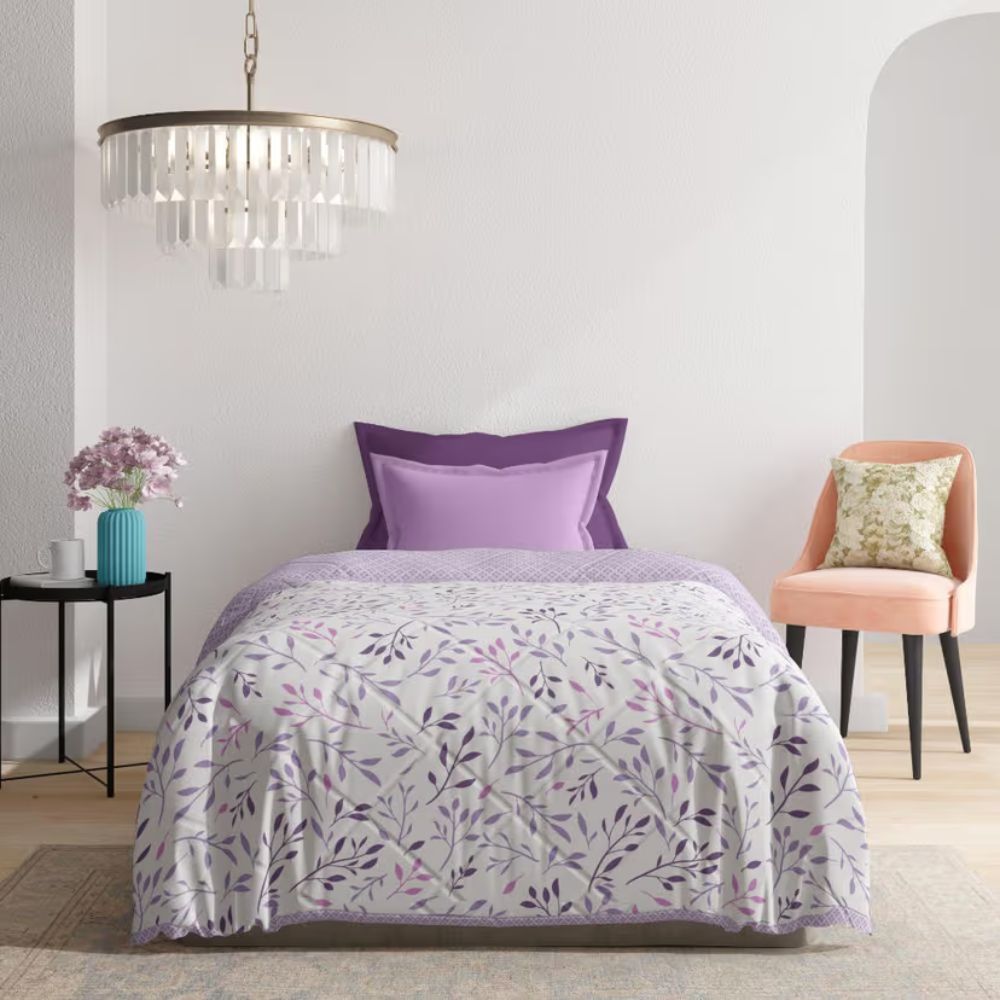
Winter bedding does more than just keep you warm; it directly affects how well you sleep and how comfortable you feel throughout the night. During colder months, the body needs proper insulation to retain heat without causing overheating. Choosing the right bedding helps maintain a balanced sleep temperature, which is essential for deep and uninterrupted rest. This is why many people ask what is the difference between comforter and blanket before making a purchase, as each option offers a different level of warmth and breathability.
Heat retention is one of the main factors to consider. Comforters are usually thicker and designed to trap heat, making them suitable for colder climates or people who feel cold easily. Blankets are lighter and allow better airflow, which helps prevent sweating and discomfort. Breathability becomes especially important for those who experience night sweats or fluctuating body temperature during sleep.
Comfort levels also vary depending on personal preference and health needs. People with cold sensitivity benefit from bedding that provides consistent warmth, while those with allergies should look for materials that resist dust and are easy to clean. Poor bedding choices can lead to stiffness, disturbed sleep, or allergic reactions.
The right winter bedding can also improve energy efficiency at home. When your bed keeps you warm, there is less need to rely on heaters throughout the night. This not only reduces electricity consumption but also creates a healthier sleeping environment. Understanding what is the difference between comforter and blanket helps you choose bedding that supports comfort, health, and efficient winter living.
Blanket vs Comforter Key Differences at a Glance
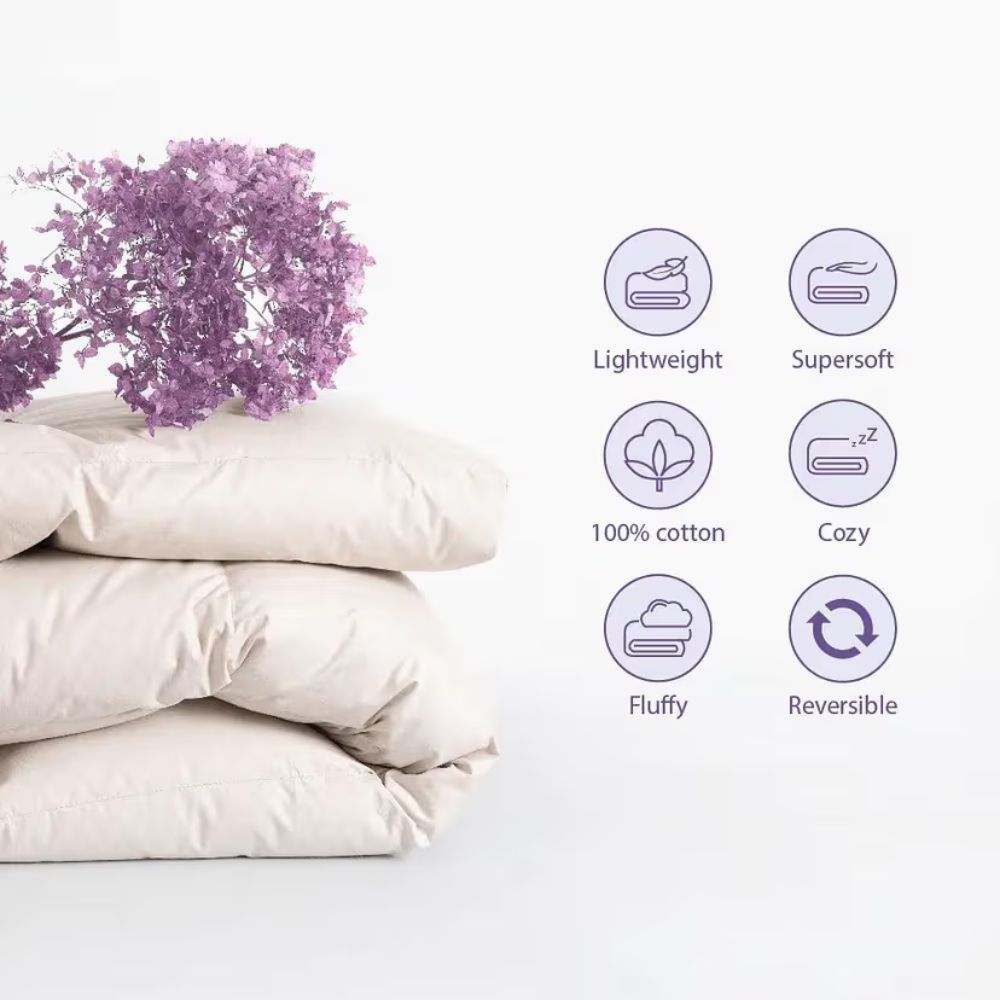
Choosing between a blanket and a comforter can feel confusing, especially when both are commonly used during winter. Understanding the difference between a comforter and a blanket helps you make a practical choice based on warmth, comfort, maintenance, and budget. This direct comparison is meant to give a clear picture so you can quickly identify which option fits your sleep needs and lifestyle better.
1. Warmth and Insulation Comparison
The main difference lies in how warmth is provided. Comforters are designed with thick fillings that trap heat effectively, making them ideal for colder nights. Blankets, on the other hand, offer lighter insulation and are better for layering. When comparing wool blanket vs comforter, wool blankets provide natural warmth and breathability, while comforters deliver more consistent heat due to their construction.
2. Weight and Comfort Level
Comforters are generally heavier and give a plush, wrapped-in feel that many people enjoy during winter. Blankets are lighter and allow more movement, which suits those who prefer flexible comfort. People who feel restricted by heavy bedding often find blankets more comfortable for everyday use.
3. Maintenance and Washing Ease
Blankets are usually easier to wash and dry at home, making them low-maintenance options. Comforters often require larger washing machines or professional cleaning, especially if they are thick or filled with specialized materials. This practical difference plays an important role in long-term use.
4. Price and Value for Money
Blankets are generally more affordable and available across a wide price range. Comforters tend to cost more due to their filling and construction but offer better insulation. Understanding the difference between a comforter and a blanket ensures you invest in the option that delivers the best value for your comfort and winter needs.
Material and Fabric Considerations Before Buying
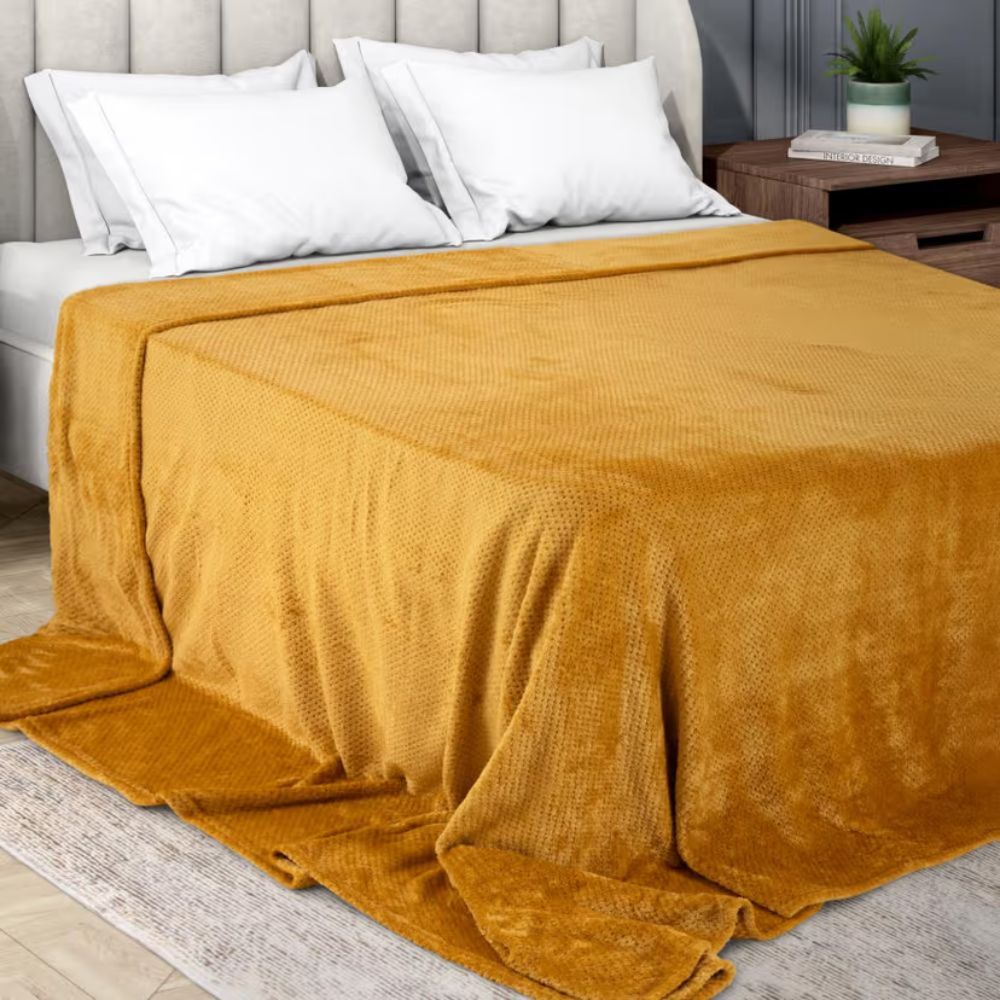
When choosing winter bedding, the fabric and material play a major role in determining comfort, warmth, and overall sleep quality. Many people focus only on thickness, but the real comfort often comes from the material itself. Understanding how different fabrics behave helps clarify the blanket and comforter difference, especially when it comes to breathability, insulation, and skin comfort.
Natural fabrics like cotton and wool are popular choices for winter bedding. Cotton is soft, breathable, and gentle on the skin, making it suitable for people with sensitive skin or allergies. It helps regulate body temperature by allowing airflow, which reduces the chances of overheating. Wool, on the other hand, offers excellent insulation while still being breathable. It traps warmth effectively and is ideal for colder climates. Wool is also moisture-resistant, which helps keep the body dry during sleep.
Synthetic materials such as microfiber, fleece, and polyester blends are commonly used in comforters and modern blankets. These fabrics are lightweight, durable, and often more affordable. They provide good warmth and are easier to maintain compared to natural fabrics. However, some synthetic materials may trap heat and reduce airflow, which can cause discomfort for people who sweat at night. This is an important point when understanding the blanket and comforter difference, as comforters often use synthetic fillings for added insulation.
Health considerations should also guide fabric selection. People with allergies should look for hypoallergenic materials that resist dust mites and are easy to wash. Breathable fabrics reduce skin irritation and help maintain a healthy sleep environment. Those with cold sensitivity may benefit from thicker, insulated materials, while others may prefer lighter fabrics for balanced comfort.
The fabric also affects the weight and feel of the bedding. Blankets usually use single-layer fabrics that feel lighter and more flexible. Comforters combine outer fabric with inner filling, making them heavier but warmer. Knowing this blanket and comforter difference helps you choose bedding that suits your comfort preferences, health needs, and climate. Selecting the right material ensures better sleep, long-term comfort, and a more enjoyable winter experience.
Storage and Seasonal Usage Tips
Proper storage and smart seasonal use of winter bedding help maintain comfort and extend the life of your bedding. Many people often wonder blanket or comforter which is better for year-round use, but the answer depends on how well you manage storage and switch bedding with changing seasons. Understanding usage patterns makes it easier to enjoy both without damage or discomfort.
During colder months, comforters are usually the preferred choice because they provide strong insulation and steady warmth. Blankets work well as an additional layer or as a lighter option in mildly cold weather. As temperatures rise, switching to a lightweight blanket improves airflow and prevents overheating. This practical approach highlights the blanket comforter difference, where comforters are best for peak winter while blankets suit transitional seasons.
Storage plays a major role in keeping bedding fresh. Always clean and dry blankets and comforters before storing them. Moisture can cause odors and fabric damage over time. Use breathable storage bags rather than plastic to allow air circulation and protect the fabric. For comforters, folding them loosely helps maintain the filling shape and prevents lumps. Blankets can be folded more compactly, making them easier to store in limited space.
Vacuum storage bags can be useful for saving space, especially for bulky comforters, but they should be used carefully. Long-term compression may affect softness and insulation. Rotating bedding during the year helps reduce wear and ensures even usage. For households with changing temperature needs, this approach helps answer blanket or comforter which is better by showing that both have their place.
By following proper storage and seasonal usage tips, you protect your bedding investment and enjoy comfort throughout the year. Knowing the blanket comforter difference allows you to adapt your bedding choices with the seasons, ensuring better sleep and long-lasting quality.
FAQs
1. Can a blanket be used instead of a comforter in winter?
Yes, a blanket can be used instead of a comforter in winter, especially in regions with mild cold or in heated rooms. Layering blankets can also provide enough warmth. However, in very cold conditions, a comforter usually offers better insulation and consistent heat retention.
2. Is a comforter suitable for all seasons?
A comforter is mainly designed for winter use, but some lightweight comforters can work in moderate weather. For hot or humid seasons, comforters may feel too warm, and switching to a light blanket or sheet is usually more comfortable.
3. Are comforters heavier than blankets?
In most cases, yes. Comforters are generally heavier because they contain thick fillings that trap heat. Blankets are lighter and more flexible, which allows easier movement during sleep.
4. Do comforters cause allergies?
Comforters themselves do not cause allergies, but certain fillings can trap dust mites if not cleaned properly. Choosing hypoallergenic materials and washing the comforter regularly helps reduce allergy risks.
5. What should I look for when buying a winter comforter?
When buying a winter comforter, check the filling material, warmth level, fabric quality, and ease of maintenance. It is also important to consider your climate, sleeping habits, and any allergy concerns to ensure long-term comfort and healthy sleep.


No Comments