
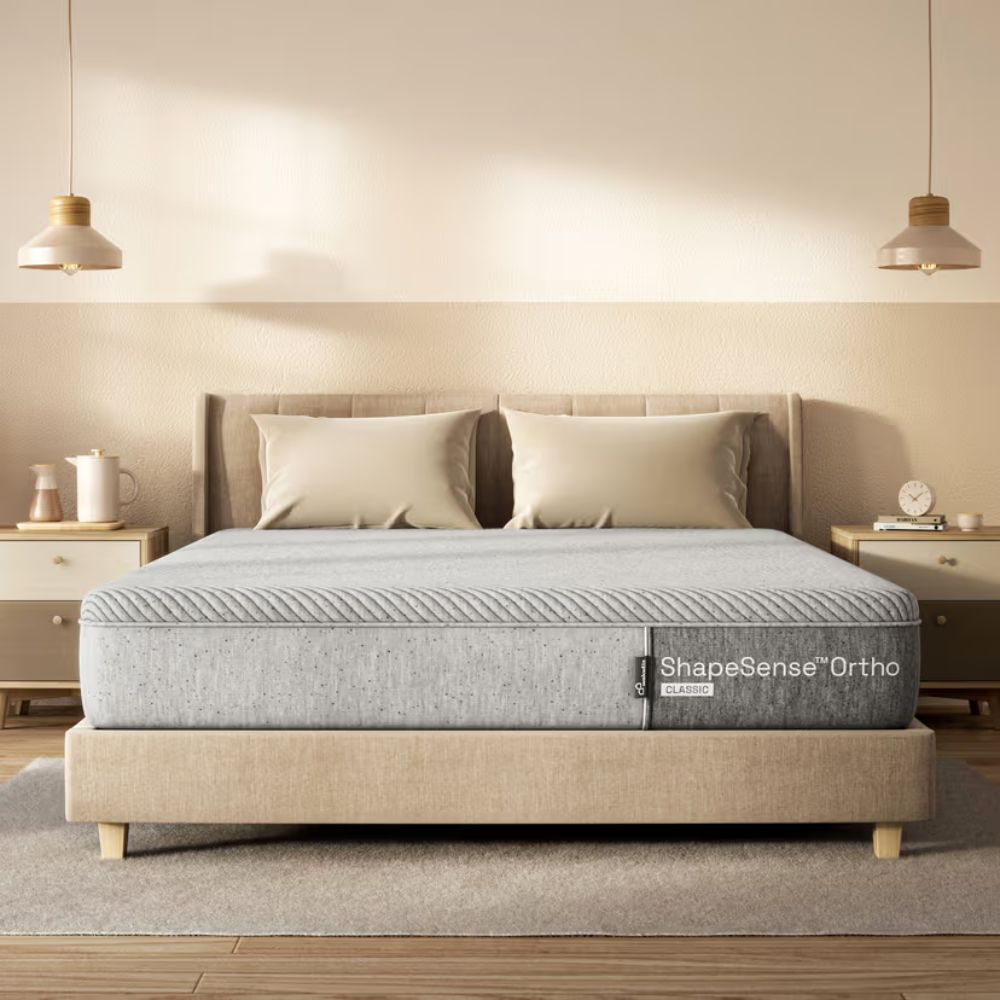

Mattresses have the power to cause more discomfort at night than the heat outside.If you’ve ever found yourself awake at 2 am in June sweating profusely and wondering why you can’t sleep, it may be your mattress causing the discomfort.
Indian summers are no picnic. The nights do not drop below 28°C even well into July in both Chennai and Delhi and Pune. However, the sleep surface you sleep on can make or break the night with ACs and fans helping.
At the moment, there are two types of mattresses that reign the discussion – cooling mattresses and memory foam mattresses. Both produce excellent snooze. However, they are very different in summer and picking the wrong one can result in being sweaty, uncomfortable and sleep deprived for months.
This guide takes the cooling mattress vs memory foam mattress debate down to a more basic level, so you can make a confident decision before the next heat wave strikes.
Why Choosing the Right Mattress Matters in Summer
When people think of mattresses, most of them would think that they buy one once a decade. However, your mattress also influences your body temperature all night long.
The simple science: during deep sleep, your body cools by 1-2°C. If your mattress traps heat and doesn’t allow your body to cool off, you’re going to continue to try to cool your body and you will continue to wake up.
Especially for Indian buyers it is important as:
- The high ambient temperatures (28–38°C at night in many cities) leave little room for heat trapping materials.
- The feeling of heat retention is worse in cities like Mumbai and Chennai, which are geographically located in coastal areas and have high humidity.
- In many Indian towns, power cuts are an inevitability relying solely on AC is not the best way to go.
The ideal summer mattress is one that helps your body temperature rather than hinders it.
Key features of Cooling Mattresses
The term cooling mattress isn’t simply a marketing term. It is a mattress made with heat-dissipative materials and technologies.
What makes a mattress “cooling”?
- Open-cell foam or gel-infused foam: This type of foam lets air flow through the mattress’s structure instead of getting stuck within it.
- Breathable fabric covers: Choose Tencel, bamboo or moisture-absorbing polyester covers that will absorb heat and sweat and pull them away from the skin.
- Phase Change Material (PCM): A newer innovation that absorbs excess heat when warm and releases it when cool and helps to maintain an even surface temperature.
- Latex (natural or synthetic): Naturally breathable and has an open-cell design which has an excellent degree of airflow compared to standard foam.
- Innerspring or hybrid cores: Coil structure provides natural air flow under the comfort layer, significantly decreasing heat retention.
The most ideal best cooling mattress has two or more of these features, instead of depending on one single material.
Key Features of Memory Foam Mattresses
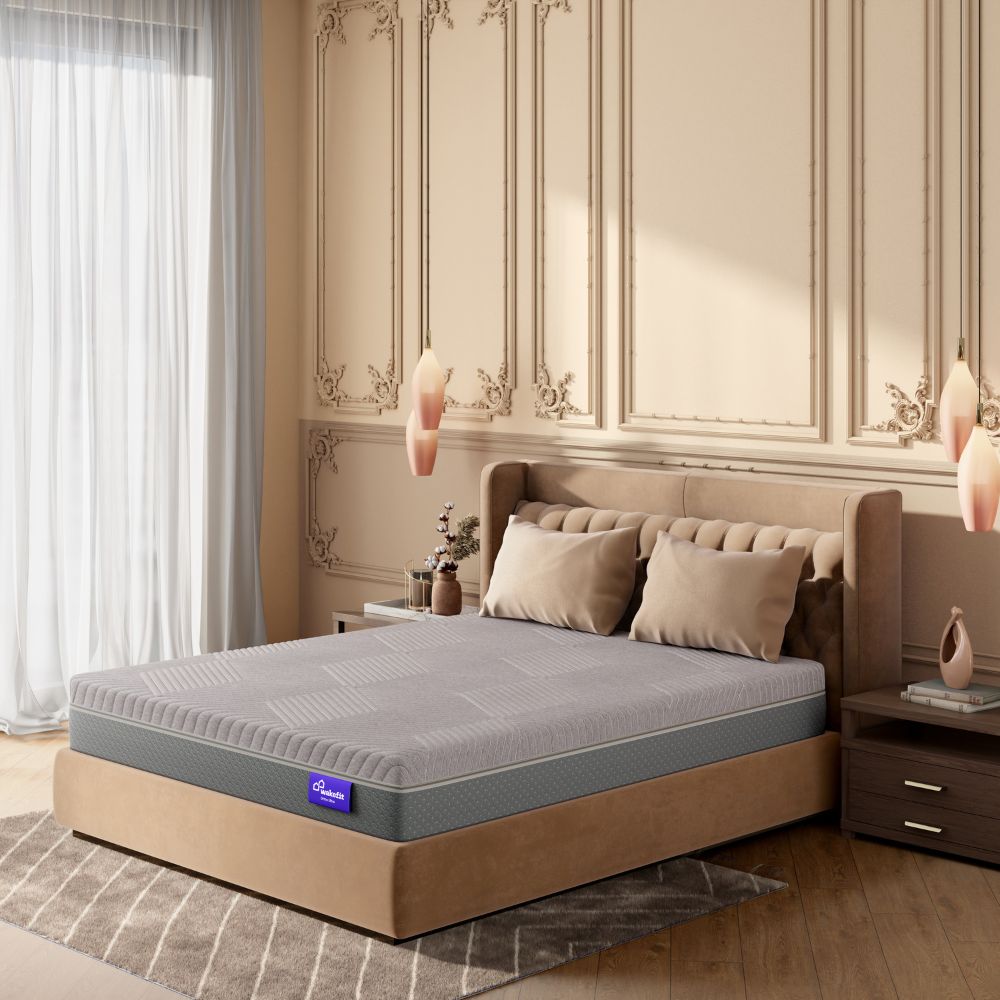
Memory foam was invented by NASA in the 1960s to absorb pressure in aircraft seats. It entered the consumer mattress market in the 1990s and hasn’t looked back.
What defines memory foam?
- Viscoelastic material: Responds to both heat and pressure, contouring to your body shape and redistributing weight evenly
- High-density construction: This is what gives memory foam its signature “sinking” feel and exceptional pressure relief
- Motion isolation: Memory foam absorbs movement so well that a partner rolling over doesn’t disturb you a big deal for couples
- Slow response: Unlike latex, memory foam takes a moment to bounce back some people love this, others find it makes repositioning harder
The challenge with traditional memory foam is the same property that makes it so comfortable: its density traps heat. The material hugs your body closely, which limits airflow and raises your sleeping surface temperature.
However, modern cooling memory foam mattresses now address this with gel infusion, copper infusion, or graphite layers that help conduct heat away from the body.
Benefits of Cooling Mattresses
If you’re a hot sleeper or live in a warm climate, a cooling mattress offers real, measurable advantages:
- Lower sleep surface temperature: Studies show that sleeping on a surface just 2–3°C cooler can meaningfully improve deep sleep duration
- Better for humid climates: Breathable covers and open-cell foams resist moisture build-up critical in cities like Mumbai, Kolkata, and Kochi
- Faster temperature recovery: After lying down, a cooling mattress returns to ambient temperature faster than memory foam
- Suitable for hot sleepers year-round: Not just a summer fix if you naturally run warm, a cooling mattress pays dividends every month
- Works even without AC: For buyers who don’t have 24/7 air conditioning, a cooling mattress provides a passive comfort buffer
Benefits of Memory Foam Mattresses
Despite its heat reputation, memory foam remains one of the most popular mattress types in India and for good reason.
- Exceptional pressure relief: Ideal for people with back pain, joint pain, or anyone who sleeps on their side
- Body contouring support: The foam molds to your spine’s natural curve, distributing weight without pressure points
- Excellent motion isolation: Great for couples movement on one side of the bed doesn’t disturb the other
- Durable and long-lasting: High-density memory foam mattresses typically last 8–10 years with proper care
- Available at multiple price points: From budget-friendly options to premium gel-infused variants, memory foam fits most Indian household budgets
- Modern versions run cooler: Gel memory foam, open-cell memory foam, and hybrid options significantly reduce the traditional heat-trap problem
Cooling Mattress vs Memory Foam for Different Sleepers
1. Hot Sleepers
If you consistently wake up sweaty or feel uncomfortably warm at night, a cooling mattress is the clear choice. Look for one with gel foam, a breathable Tencel cover, and ideally a latex or hybrid base layer.
2. Back Pain Sufferers
Memory foam wins here particularly for people with lower back pain or herniated discs. The contouring support reduces pressure on the lumbar region. If back pain is your primary concern and heat is secondary, choose a gel-infused memory foam to get the best of both worlds.
3. Couples
Memory foam edges ahead for motion isolation. But if both partners sleep hot, a cooling hybrid mattress (cooling comfort layer + pocketed spring base) is the ideal compromise.
4. Side Sleepers
Side sleepers put significant pressure on hips and shoulders. Memory foam distributes this weight better. A medium-firm memory foam or cooling memory foam works well in summer.
5. Stomach and Back Sleepers
Both types work but stomach sleepers need firmer support to prevent spinal misalignment. A firmer cooling mattress or a firm hybrid is usually more suitable.
Pros and Cons: Cooling Mattress vs Memory Foam
| Feature | Cooling Mattress | Memory Foam Mattress |
| Heat regulation | Excellent core design goal | Moderate (better in modern gel versions) |
| Pressure relief | Good to very good | Excellent |
| Motion isolation | Good | Excellent |
| Suitable for Indian summers | Very high | Moderate |
| Works without AC | Yes | Depends on variant |
| Durability | 7–10 years | 8–10 years |
| Price range (India) | ₹15,000–₹60,000+ | ₹8,000–₹50,000+ |
| Best for | Hot sleepers, humid climates | Back pain, couples, side sleepers |
| Bounce-back | Fast (especially latex types) | Slow (signature memory foam feel) |
| Weight | Moderate | Moderate to heavy (high-density) |
Conclusion: Cooling Mattress vs Memory Foam – Which One Should You Choose?
Here’s the honest answer: there is no universal winner but there is a right answer for your situation.
Choose a cooling mattress if:
- You sleep hot or sweat at night
- You live in a high-humidity city or a place with hot summers
- You don’t have 24/7 AC
- You want better airflow and faster temperature recovery
Choose a memory foam mattress if:
- Your primary concern is back or joint pain
- You share the bed with a restless partner
- You prefer the sinking, body-hugging feel
- You’re on a tighter budget and are open to gel or open-cell variants
The best of both worlds? A cooling memory foam mattress specifically one that combines open-cell or gel-infused memory foam with a breathable cover. You get the pressure relief of memory foam *and* the heat management of a cooling mattress.
Before you buy, try the mattress if possible. Wakefit offers a 100-night free trial use it. What works for someone in Shimla may not work for someone in Hyderabad.
Ready to Sleep Cooler This Summer?
Explore Wakefit’s range of cooling mattresses and memory foam mattresses built for Indian climates, backed by thousands of verified reviews, and available with a 100-night free trial.
FAQs
Q: Do memory foam mattresses retain heat?
Traditional memory foam can retain heat because its dense structure limits airflow. However, modern variants gel-infused, open-cell, or copper-infused memory foam are significantly cooler than older models. If you’re concerned about heat, look specifically for “cooling memory foam” or “gel foam” in the product description.
Q: Are cooling mattresses good for hot sleepers?
Yes cooling mattresses are specifically designed for hot sleepers. They use breathable materials, open-cell foam, gel layers, or PCM technology to keep the sleep surface temperature lower. For Indian hot sleepers, particularly in cities like Chennai, Delhi, or Ahmedabad, a cooling mattress can make a noticeable difference in sleep quality.
Q: Can memory foam mattresses be used in summer?
Yes, with the right variant. Modern gel memory foam and open-cell memory foam mattresses are designed to manage heat better than traditional memory foam. Pair them with a breathable cotton or bamboo bedsheet for better summer performance. In very hot and humid climates, a dedicated cooling mattress may still be preferable.
Q: Which mattress is better for back pain in summer?
A cooling memory foam mattress is ideal it provides the pressure relief and spinal alignment support that memory foam is known for, while managing heat better than traditional memory foam. Medium-firm variants work for most back pain cases. Consult a physiotherapist if you have a specific condition like a herniated disc.
Q: Do cooling mattresses require special maintenance?
No special maintenance is required beyond standard mattress care. Rotate your cooling mattress every 3–6 months to ensure even wear. Avoid placing it directly on the floor (use a slatted base for airflow). Clean spills immediately using a dry cloth avoid soaking the foam with liquid cleaners.


No Comments