
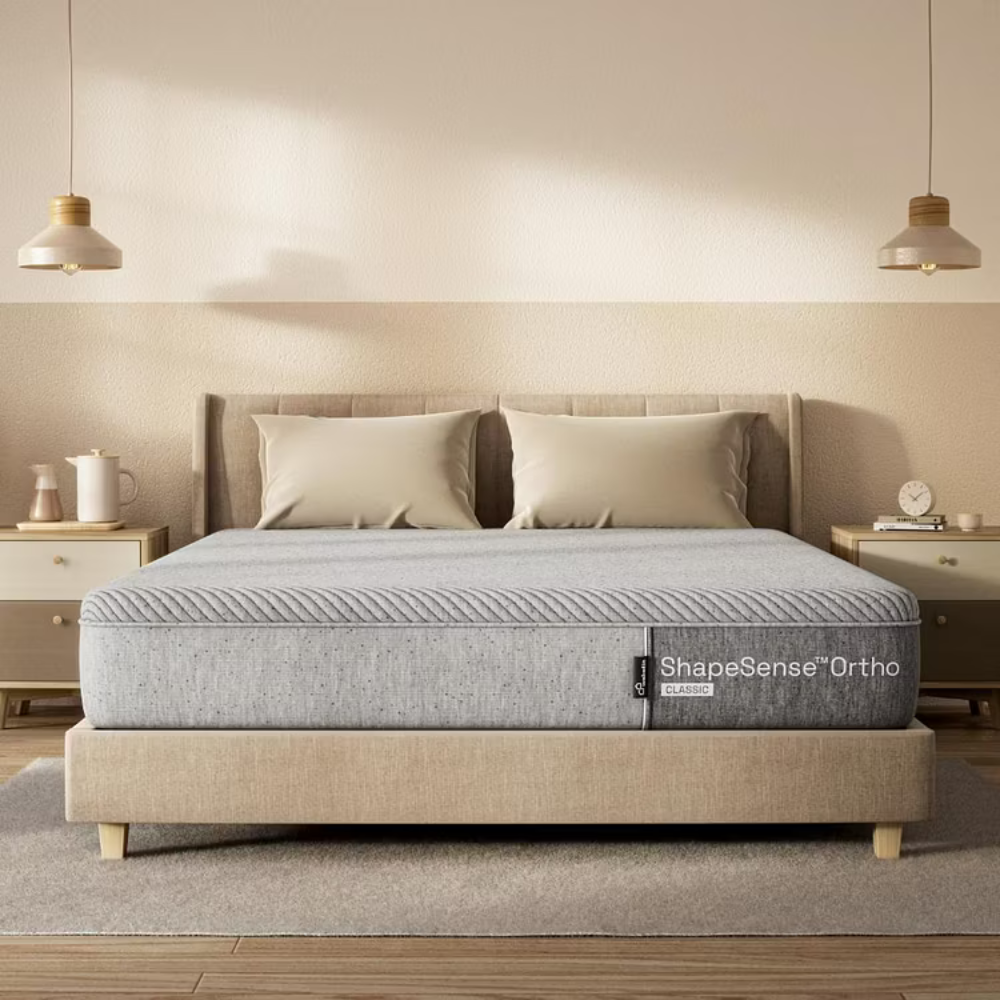

Is There Really A Right Mattress?
A good night’s sleep is something we all crave, but so many of us wake up sore, stiff, or still tired despite spending hours in bed. In such cases, the culprit might not necessarily be your bedtime routine, your phone habits, or your caffeine intake – it might be your mattress.
Sleep isn’t just about time spent with eyes closed. Good, restful sleep depends on the quality of rest you get when you sleep, and a huge part of that quality depends on your mattress. The right one can elevate your sleep from mediocre to restorative, helping you wake up refreshed, focused, and ready for what the day throws at you.
Why Mattress Choice Impacts Sleep Quality
While many people focus on pillows, lighting, or nighttime routines, the mattress, being the very surface you spend most of your night on, plays a central role in how you sleep.
Every mattress directly influences:
- Spinal alignment, which reduces back and neck pain.
- Pressure relief, which prevents tossing and turning.
- Temperature regulation, which keeps your body in the ideal sleep zone.
- Motion transfer, which matters especially if you share a bed.
A mattress that doesn’t support your body properly forces you to constantly adjust your position, which interrupts deep sleep. This is the stage where your body and brain recover and recharge. Without adequate deep sleep, you wake up feeling unrefreshed despite long hours in bed.
Understanding Mattress Types and How They Help You Sleep
Not all mattresses are built the same and that’s a good thing. Different materials, construction methods, and internal structures affect how a mattress feels, supports your body, and responds over time. Understanding these differences can help you choose a mattress that actually works with your sleep habits instead of against them.
Here’s a breakdown of common mattress types, how they’re made, and what kind of sleep concerns they’re best suited for.
1. Orthopedic & Memory Foam Mattresses – Cradling Comfort
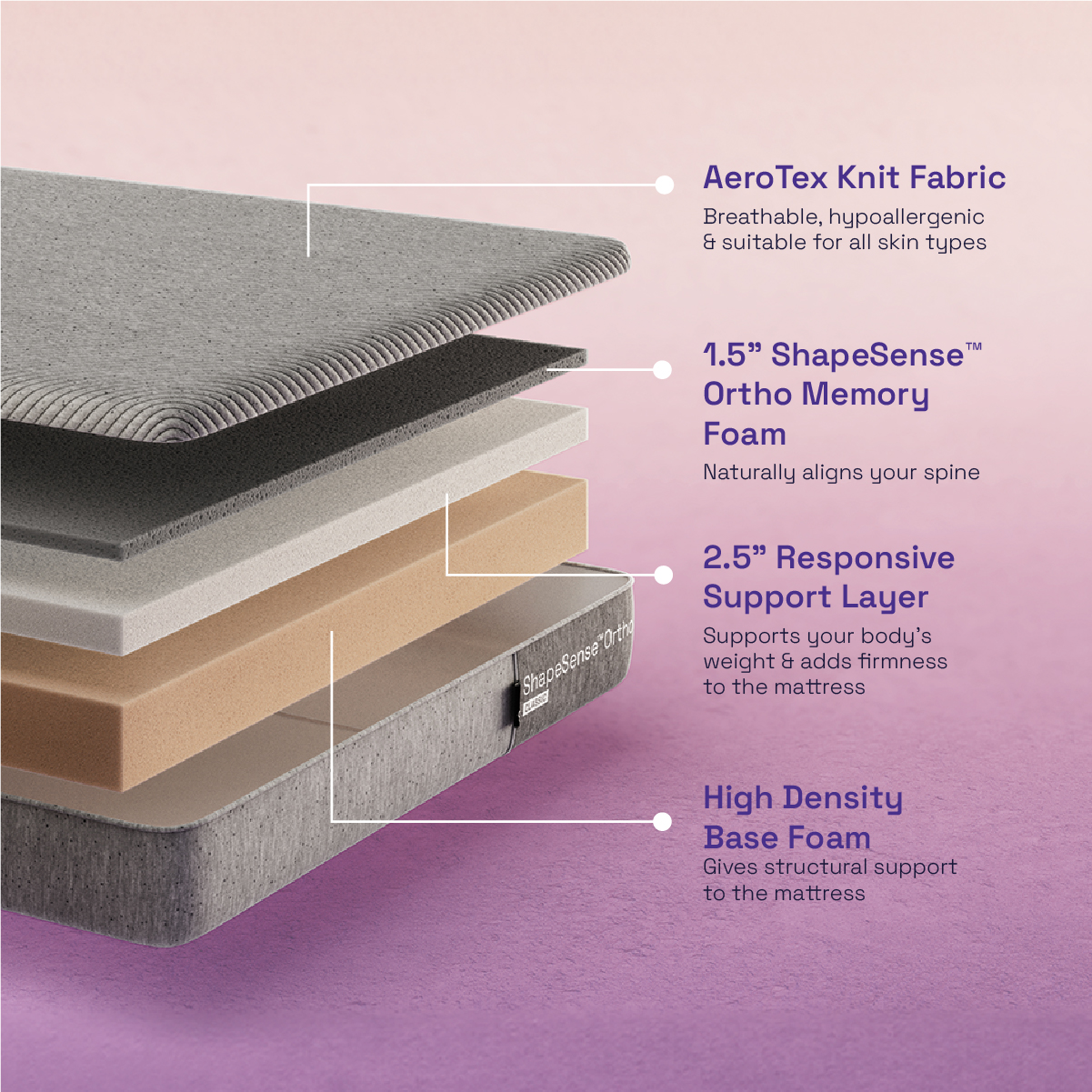
Memory foam mattresses are constructed using foam layers that soften and adapt when exposed to body heat and pressure. Instead of pushing back immediately, the foam gradually moulds around your body, creating a contour that supports natural curves, especially around the shoulders, hips, and lower back, like Wakefit’s ShapeSense Orthopedic Mattress.
This means they respond to your shape, reducing pressure at shoulders, hips, and lower back while encouraging natural spinal alignment. A medium-firm feel balances comfort with support, so you sleep deeper without feeling “stuck” in the mattress.
Best suited for:
- Back and side sleepers
- People with recurring back or joint discomfort
- Those who prefer a stable, “hugging” sleep surface
2. Pocket Spring Mattresses – Breathable Bounce and Support
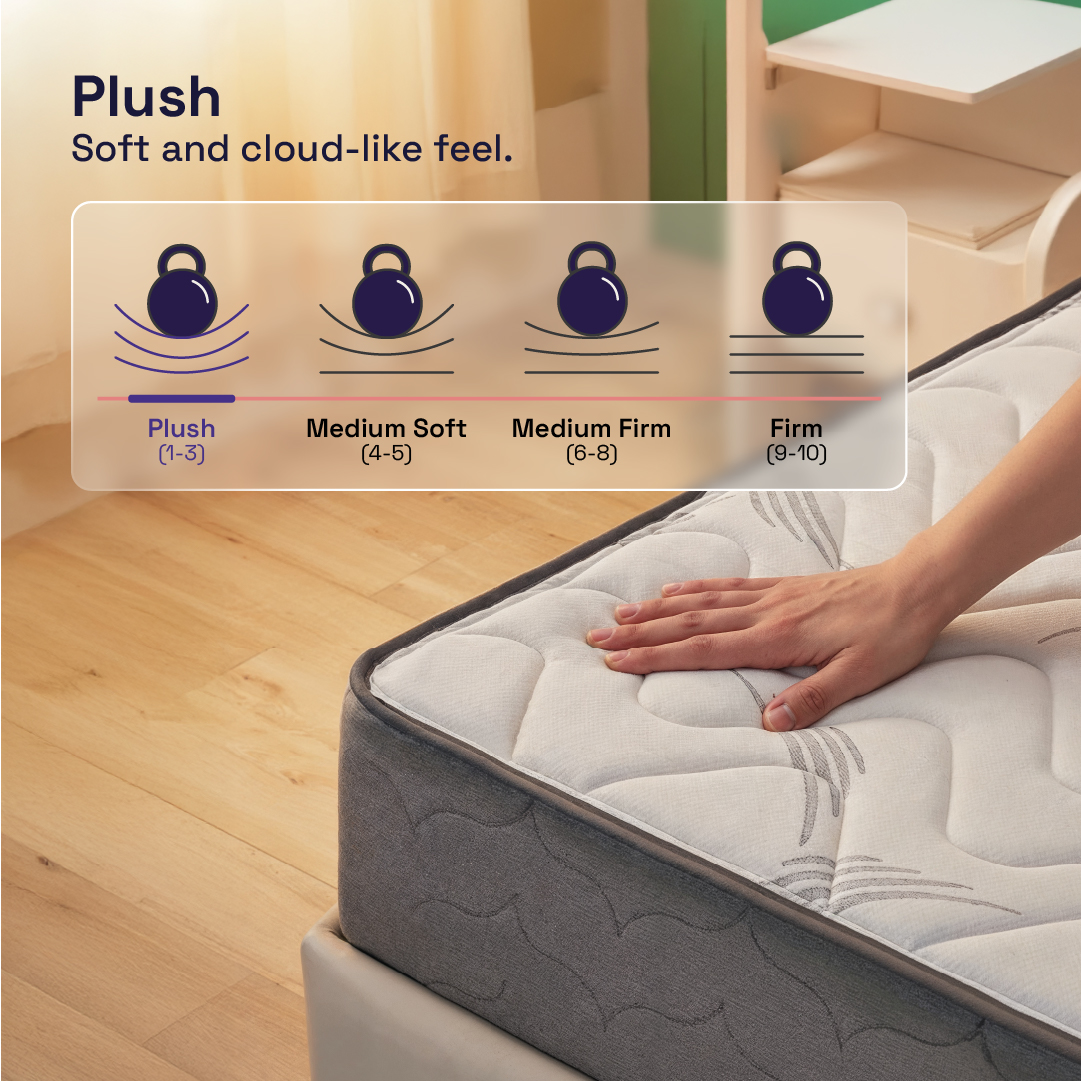
Pocket spring mattresses are built using individually wrapped coils, each designed to move independently. Unlike traditional spring systems where coils are connected, pocketed springs ensure movement in one area doesn’t affect the entire surface.
Modern hybrid designs (like Wakefit’s Latex Hybrid Pocket Spring or XpertGrid Hybrid models) combine responsive latex or grid layers with pocketed springs to offer both bounce and breathability – a winning combo for people who like that “hotel vibe” feel.
Because of the space between coils, these mattresses tend to allow better air circulation, making them a popular choice for people who sleep warm or live in humid climates.
Best suited for:
- People who prefer a slightly bouncy sleep feel
- Couples who want reduced partner movement disturbance
- Sleepers looking for better airflow and temperature regulation
3. Latex and Hybrid Mattresses – Natural Resilience + Cooling Comfort

Latex mattresses are made using natural or synthetic latex foam, which has an inherently elastic structure. Unlike memory foam, latex responds quickly to movement, offering support without a slow sink-in feel. This makes it easier to change positions during sleep while still maintaining consistent support.
In hybrid mattresses, latex layers are often combined with pocket springs or advanced grid systems to create a balance of responsiveness, breathability, and durability.
These mattresses are often chosen for their long lifespan and ability to support a wide range of sleeping positions without losing shape.
Best suited for:
- Combination sleepers who change positions often
- People who prefer a cooler sleeping surface
- Those looking for long-term durability and balanced support
[Add graphic breakdown of mattress layers image]
4. DualComfort Mattresses – Flexible Comfort for Changing Needs
DualComfort mattresses are designed with two usable surfaces, each offering a different firmness level. The internal construction typically involves distinct foam layers on either side, allowing the mattress to be flipped based on comfort preference.
Mattresses like Wakefit’s Dual Comfort Mattress give you two firmness levels in one mattress. One side may be soft for relaxed sleep, the other firmer for deeper support. This type of mattress can be useful when sleep needs change over time, whether due to lifestyle shifts, recovery from physical strain, or personal comfort preferences. Its flexibility ensures you can choose either level of firmness without needing to replace the mattress.
Best suited for:
- People unsure of their preferred firmness
- Couples with evolving or different comfort needs
- Long-term use with changing support requirements
How the Right Mattress Enhances Sleep Physiology
Choosing the right mattress does more than just feel good – it boosts the actual biology of sleep. Here’s how:
- Better Spinal Alignment = Less Pain
A mattress that contours and supports your spine (like memory foam or hybrid designs) helps your body maintain its neutral “S” curve during sleep. This reduces strain and prevents morning aches.
- Deeper, Less Fragmented Sleep
When your pressure points are cushioned, especially at shoulders and hips, you spend more time in the deep sleep stages that are most restorative. Instead of waking up groggy, you emerge refreshed.
- Temperature Regulation for Uninterrupted Nights
Pocket spring and latex mattresses encourage airflow, helping your body stay at an optimal sleep temperature, which is a major determinant of sleep quality.
- Motion Isolation for Partner Sleep
If you share a bed, motion transfer can disrupt sleep. Memory foam and certain hybrid pocket spring designs reduce this effect, so one person’s movements don’t wake the other.
Mattress Buying Tips: What to Consider
Now that you know how important the choice of mattress is to the quality of your sleep, these are some practical points you should keep in mind when you’re mattress shopping online or in-store:
- Sleeping Position: Side sleepers may prefer contouring foam, back sleepers might like medium-firm support, and stomach sleepers often benefit from firmer surfaces.
- Climate: Breathable pocket springs and latex mattresses help keep heat at bay in warmer conditions.
- Body Weight: Heavier sleepers often need thicker or denser cores.
- Trial & Warranty: Long trial periods and robust warranties help you test comfort risk-free.
All of these factors align with Wakefit’s approach: a wide range of mattresses backed by research, an assured 100 Days Free Trial period, up to 20 years of warranty (based on specific mattress model), and optimum support to help you find the sleep surface that truly works for you.
Conclusion:
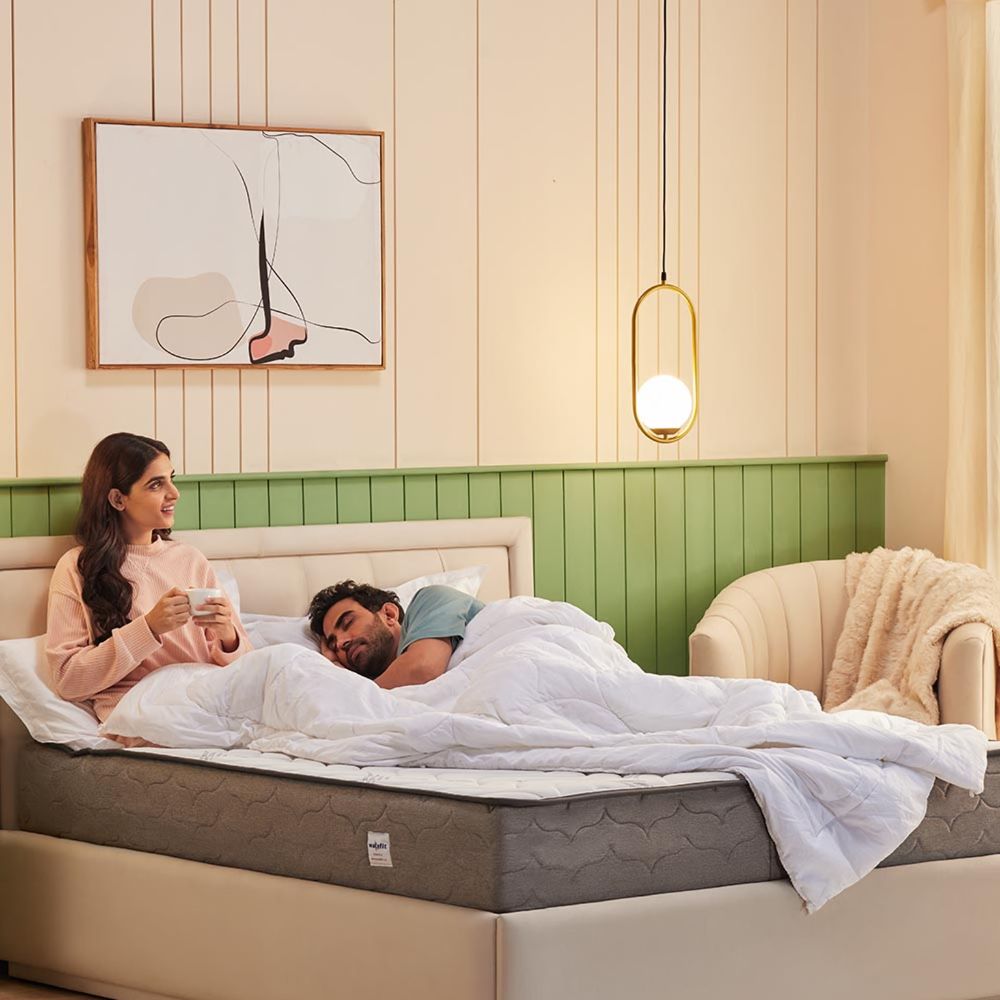
Sleep Better by Choosing Better
At the end of the day, your mattress purchase becomes an investment in your health, your productivity, and your overall quality of life. Whether it’s the adaptive comfort of a memory foam mattress, the breathable bounce of a pocket spring hybrid, the cooling resilience of latex, or a flexible DualComfort design, the right mattress makes sleep more restful, more refreshing, and substantially more rewarding.
So, make your mattress choice count, because winning sleep starts with the surface you sleep on!
FAQs
1. How do I know which mattress type is right for me?
Your ideal mattress depends on your sleep position, body type, comfort preference, and any pain points like back or joint discomfort.
2. What is memory foam and how does it work?
Memory foam is designed to respond to body heat and pressure, gently contouring to your shape and reducing pressure points.
3. Are orthopedic mattresses only for people with back pain?
Not necessarily. They’re designed for spinal alignment and support, making them suitable for anyone who prefers a firmer, more supportive sleep surface.
4. What makes pocket spring mattresses different from regular spring mattresses?
Pocket springs work independently, allowing better body adaptation, reduced motion transfer, and improved airflow compared to traditional spring systems.
5. Are latex mattresses good for hot sleepers?
Yes. Natural latex is breathable and resilient, helping dissipate heat and maintain a cooler sleep surface.
6. What is a hybrid mattress?
Hybrid mattresses combine materials like latex or grid layers with pocket springs to balance comfort, support, and responsiveness.
7. How does a DualComfort mattress work?
It offers two firmness levels in one mattress, allowing you to flip it based on comfort preference or changing support needs.
8. How long does a good mattress typically last?
A quality mattress generally lasts 7–10 years, depending on materials, usage, and maintenance.
9. How many types of mattresses does Wakefit offer?
Wakefit offers a wide range of mattresses, including orthopedic, memory foam, latex, pocket spring, hybrid, XPERTGrid, and DualComfort options, designed to suit different sleep styles and comfort needs.
10. What is Wakefit’s 100 Days Trial?
Wakefit’s 100 Days Trial allows you to sleep on your mattress at home and decide if it’s right for you. If it’s not a fit, you can request a return within 100 days – no rush, no pressure!

No Comments