


We Live in a World That Treats Sleep Like an Option
Think about it: people will brag about waking up at 5 AM, doing 10,000 steps, finishing three Zoom calls, and burning through a to-do list before breakfast. But no one proudly says, “I slept 9 hours last night.”
Yet good sleep is the most underrated skill of the decade. It affects your mental health, productivity, immunity, metabolism, and even your emotional intelligence.
Brands like Wakefit, through initiatives like the Wakefit Sleep Internship, have been trying to change this narrative by making sleep aspirational, respectable, and – dare we say it – a career skill. But even if you’re not applying for the Sleep Internship 2026, understanding why sleep matters (and how to get better at it) can genuinely change your life.
Let’s break down why 9 hours a night should not be viewed as indulgence, but required maintenance for your body to recover and rest.
The Science: Why Your Body Needs 7–9 Hours of Sleep
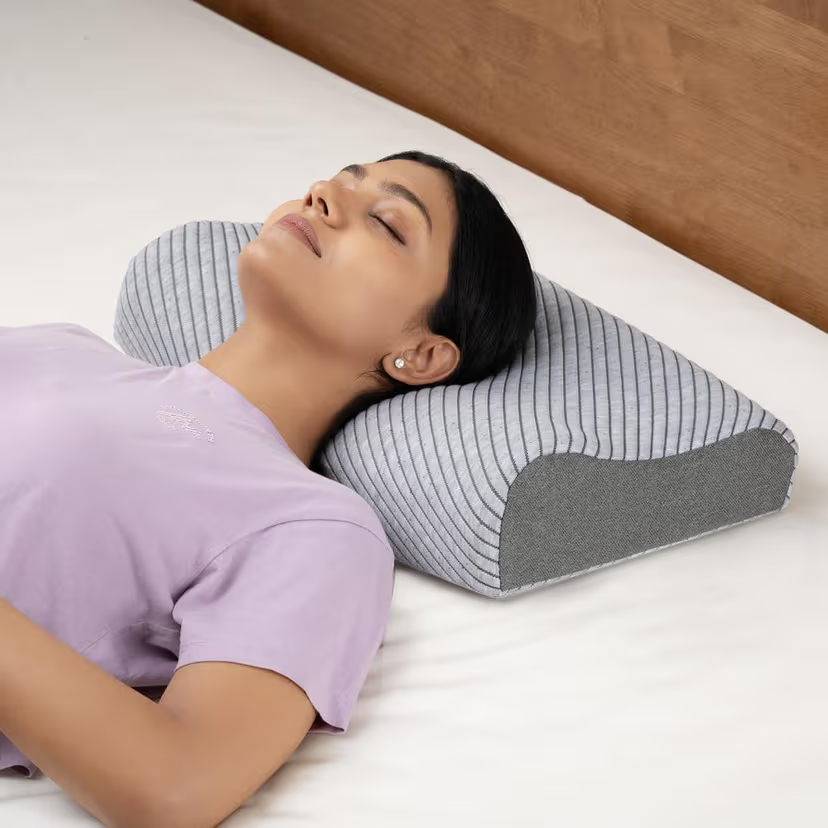
Your body may power down when you sleep, but your brain is basically working the night shift.
Here’s what happens during proper sleep:
- Memory gets consolidated
- Muscles repair themselves
- Hormones reset
- Stress levels drop
- Your immune system strengthens
This is why missing sleep is not something that merely makes you groggy. Instead, missing sleep or not getting enough sleep can affect every system in your body.
Long-term sleep deprivation is linked to:
- Anxiety and low mood
- Weight gain
- Blood pressure issues
- Poor decision-making
- A weaker immune system
Do you understand what this means?
It means that sleeping well isn’t laziness – it’s your body’s daily factory reset!
This is exactly why Wakefit has been advocating for sleep literacy through its Sleep Internship program: to help India realise that rest is not optional.
Why 9 Hours of Sleep Is a Skill (Not Luck)
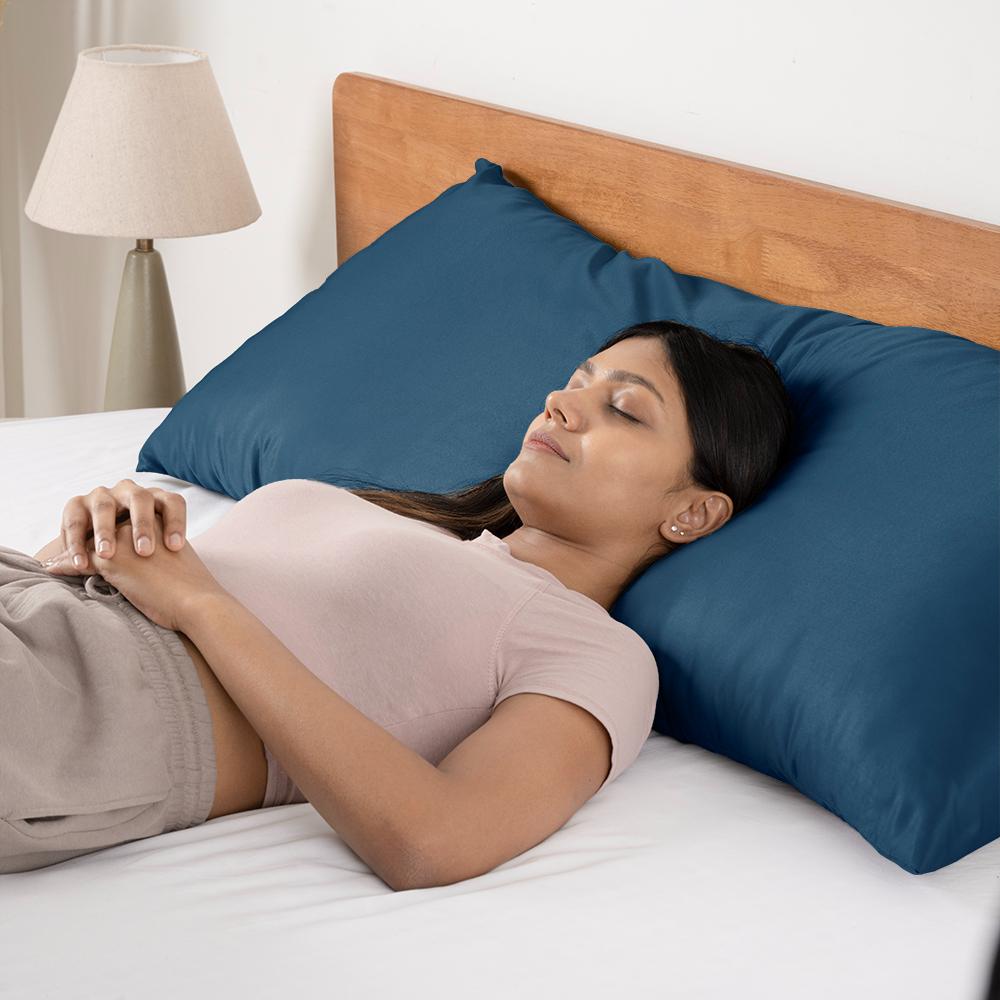
Anyone can fall asleep. But sleeping well? That takes consistency, practice, and good habits.
Most of us are professional scrollers, anxious overthinkers, part-time binge watchers, or full-time coffee dependents. So achieving deep sleep today is almost a superpower.
Here’s what makes 9-hour sleep a learned skill:
a) You need discipline
You have to disconnect from screens, slow down your brain, and stick to some form of a sleep schedule. And yes, this applies even on weekends.
b) You need the right environment
A supportive mattress, breathable bedding, proper darkness, and a cool temperature all impact sleep quality. Wakefit’s orthopedic support mattresses and Regul8 temperature regulation software assist you to create this perfect environment for good sleep.
c) You need emotional regulation
Stress, anxiety, and racing thoughts are a recipe for sleeplessness unless you practice techniques like journaling, mindfulness, or simple deep breathing.
d) You need awareness
Recognizing what disrupts and what enhances your sleep makes a massive difference over time. Wakefit’s Track8 – India’s first contactless sleep tracker – works to help you understand your sleep better.
The Productivity Myth: Sleeping Less Does NOT Make You More Efficient

If you’re someone who thinks, “I’ll sleep when I’m dead,” here’s the hard truth – sleeping less gets you there faster!
Deep sleep improves:
- Focus
- Memory
- Creativity
- Decision-making
- Problem-solving
- Emotional stability
Studies show that sleeping 8–9 hours boosts productivity more than waking up without enough rest and slogging. In fact, sleep-deprived brains function almost the same as drunk brains.
So whether you’re an employee, student, founder, parent, or freelancer, sleep is your ultimate productivity hack if you want a competitive advantage. When that rest carries into your day – whether you’re working from an office chair, taking calls from your sofa, or finding inspiration on your recliner – comfort keeps your focus flowing, not fading.
Sleep and Mental Health: A Two-Way Street
Your mind depends on rest to function to its best capabilities.
Lack of sleep can lead to:
- Rapid mood swings
- Increased irritability
- Lower motivation
- Reduced ability to handle stress
- Higher risk of anxiety disorders
On the flip side, good sleep:
- Regulates emotional responses
- Boosts positivity
- Helps your brain process feelings better
- Reduces cortisol (the stress hormone)
- Supports long-term mental well-being
Think of sleep as therapy your brain gives itself every night, for free. Wakefit’s entire brand ethos revolves around this concept: that the more we value sleep, the healthier our society becomes.
Improving Your Sleep: Small Habits, Huge Impact

Now, we know you know how important sleep is theoretically. But when it comes to actually applying these insights to your own life, things can get tricky. So let’s get practical.
Here are habits that can help you master those 9 hours of quality sleep:
a) Set a wind-down ritual
The brain needs signals that it’s time to slow down.
Try:
- A warm shower
- Dim lighting
- Soft music
- Stretching
- Reading
b) Stick to consistent timings
Sleep and wake up at the same time every day, even on weekends. Your body clock thrives on routine.
c) Avoid screens 30–60 minutes before bed
Blue light reduces melatonin and keeps your brain in “day mode” longer than it should.
d) Keep your room cool, dark, and quiet
Your environment directly impacts sleep depth and quality, so make sure you adjust your environment to aid a natural, restful sleep.
e) Cut back on caffeine post 4 PM
Needless to say, caffeine is not going to help you sleep better, so it would be a prudent decision to limit caffeine in the later half of the day, especially leading up to your sleep timing. And yes, this includes your “harmless” evening coffee.
f) Choose supportive surfaces, day and night
Sleep doesn’t start only when you hit the bed. How your body is supported throughout the day matters too.
Spending hours slouched on an unsupportive office chair, or resting on poor cushioning, puts strain on your spine that follows you into the night. Ergonomic office chairs, a supportive mattress, and sleep aids like wedge pillows or orthopedic cervical pillows help maintain proper alignment, so your body is actually ready to rest when bedtime arrives.
g) Try a power nap (the right way)
- 20–30 mins = refresh
- 90 mins = complete sleep cycle
- 45 mins = groggy regret
Why India Needs to Relearn Sleep

India is a country where late-night work culture is normal, hustle is glorified, binge-watching is a personality trait, and “10 minutes more” has become a lifestyle.
But chronic sleep deprivation isn’t just an individual problem, it’s a public health issue.
This is why awareness programs like the Wakefit Sleep Internship are so important. Beyond just buzz, they create conversations around sleep that India genuinely needs.
Conclusion:
Make Sleep Your Daily Priority
If you take one thing away from this blog, let it be this: sleeping well is not a luxury but your brain and body’s maintenance plan!
Whether you aspire to be a Wakefit Sleep Intern in 2026 or just want to be healthier, sharper, and happier, building a strong sleep routine might be the most powerful life upgrade you can give yourself.
Start tonight. Your body will thank you tomorrow.
FAQs
1. How many hours of sleep do adults actually need?
Most adults function best with 7–9 hours of quality sleep. It’s not just about duration though – consistent, uninterrupted sleep matters just as much.
2. Why is a wind-down routine important before bed?
A wind-down ritual helps signal your brain that it’s time to slow down, making it easier to fall asleep and stay asleep.
3. Does sleeping at the same time every day really help?
Yes. Consistent sleep and wake times regulate your internal clock, improving sleep quality, energy levels, and focus during the day.
4. How do screens affect sleep quality?
Blue light from screens suppresses melatonin, the hormone that helps you sleep, making it harder for your brain to switch off at night.
5. Can my mattress or chair affect my sleep and recovery?
Absolutely. Supportive surfaces, whether it’s your mattress at night or your office chair during the day, can help reduce strain, improve posture, and support better overall recovery.
6. Are power naps actually good for you?
Yes, when done right. A 20–30 minute nap boosts alertness, while a full 90-minute nap completes a sleep cycle. Anything in between can leave you groggy.
7. How does caffeine timing affect sleep?
Caffeine can stay in your system for 6–8 hours. Cutting it off after 4 PM helps your body naturally wind down at night.
8. What is Wakefit’s Sleep Internship and how does it help people sleep better?
Wakefit’s Sleep Internship is a playful initiative designed to spark conversations around the importance of sleep and encourage people to take rest seriously, without guilt. You can find out more information about Sleep Internship here.
9. Why does Wakefit focus so much on sleep education, not just products?
Because good sleep isn’t just about buying a mattress, it’s about habits, environment, posture, and daily routines working together.


No Comments