


Understanding sleep cycles is crucial to appreciating the importance of sleep in maintaining overall well-being. Sleep is not a passive state; it is a complex physiological process where the body and brain undergo essential restorative functions. Sleep is broadly divided into two main stages: Rapid Eye Movement (REM) sleep and non-REM sleep, which includes light and deep sleep phases. During deep sleep, the body focuses on tissue repair, muscle growth, and the release of growth hormones, while the immune system strengthens its defenses. In contrast, REM sleep is primarily associated with brain activity, memory consolidation, emotional regulation, and cognitive processing. Skipping or disrupting these stages can impair both mental and physical performance.
The role of sleep in health extends to various critical domains. Adequate sleep improves memory, enhances mood, and reduces stress levels, supporting optimal mental health. Physically, consistent good sleep lowers the risk of chronic conditions such as heart disease, obesity, and diabetes. Furthermore, research shows that proper sleep bolsters the immune system, increasing the body’s resistance to infections and facilitating quicker recovery when illness occurs (Walker, 2017; National Sleep Foundation, 2023).
In today’s fast-paced lifestyle, prioritizing good sleep hygiene such as maintaining a consistent sleep schedule, limiting screen exposure before bedtime, and creating a restful environment can significantly improve both quality and duration of sleep. By acknowledging the importance of sleep and understanding its cycles, individuals can make informed choices that enhance longevity, mental clarity, and overall health.
How the Right Mattress Impacts Sleep Quality
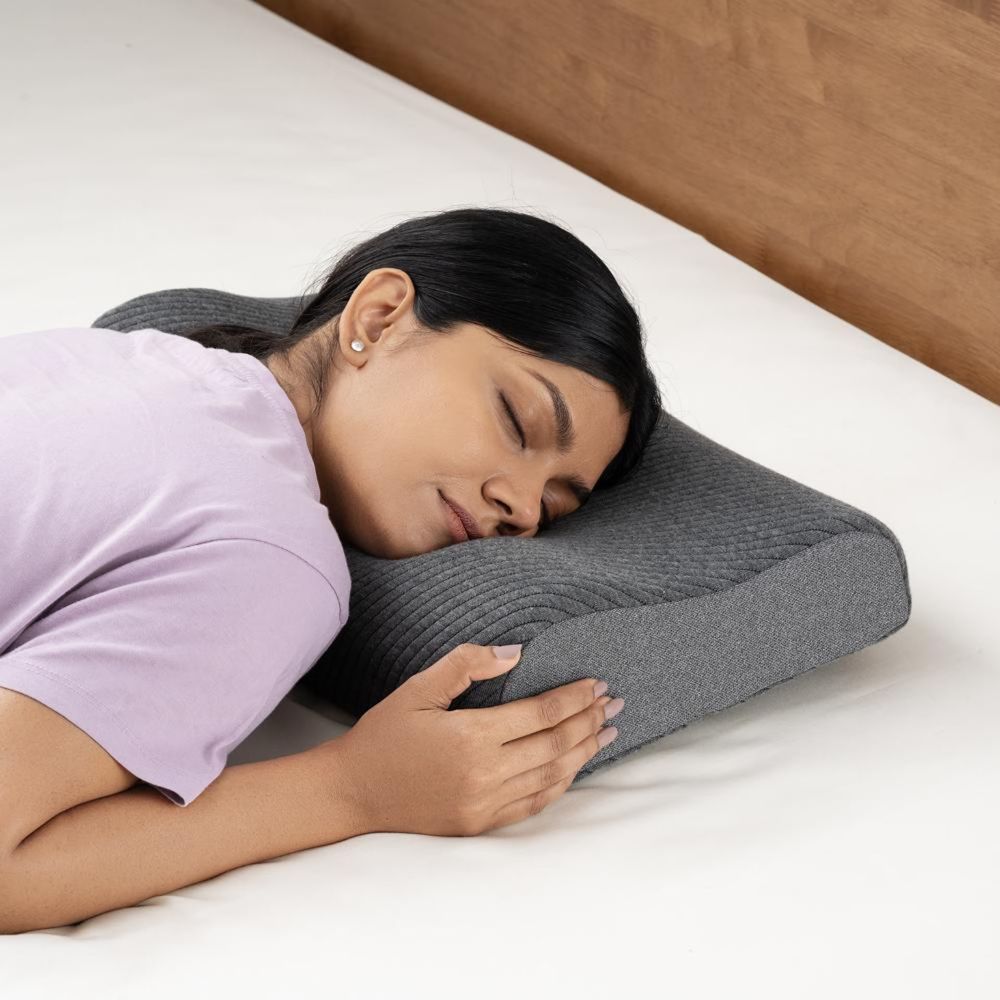
Choosing the best mattress for good sleep is more than a matter of comfort it directly influences mattress and sleep quality, overall health, and daily performance. A mattress serves as the foundation for a restful night, providing support for the spine, pressure relief for joints, and proper alignment of the body. When a mattress is too soft, too firm, or worn out, it can disrupt sleep cycles, cause tossing and turning, and reduce the duration of deep and REM sleep, which are essential for physical repair and mental restoration.
How mattress affects sleep can be observed in several ways. Poor-quality mattresses often lead to back and neck pain, stiffness, and pressure points, making it difficult to maintain a comfortable sleeping position. This discomfort may trigger micro-awakenings throughout the night, preventing restorative sleep and leaving individuals fatigued, irritable, and less focused during the day. Additionally, unsupportive mattresses can exacerbate conditions such as sleep apnea or restless leg syndrome, further compromising sleep quality.
On the other hand, investing in the best mattress for good sleep can significantly improve overall well-being. Memory foam or hybrid mattresses, for example, adapt to the body’s contours, evenly distributing weight and reducing pressure points. Innerspring mattresses offer robust support and promote proper spinal alignment, which is particularly beneficial for those who prefer a firmer feel. Latex mattresses combine support with natural cooling properties, making them ideal for hot sleepers.
Ultimately, understanding how mattress affects sleep helps in selecting the right type, firmness, and size according to individual needs and sleeping habits. By prioritizing a mattress that balances comfort and support, people can enhance mattress and sleep quality, achieve uninterrupted rest, and wake up refreshed, physically rejuvenated, and mentally alert. Good sleep begins with the right foundation your mattress.
Choosing the Right Mattress for Your Needs

Choosing the right mattress is essential for achieving restful sleep and maintaining overall health. Selecting a mattress involves more than personal preference—it requires consideration of sleeping positions, body weight, health conditions, and comfort requirements. Understanding these factors ensures that your mattress supports proper spinal alignment, reduces pressure points, and promotes uninterrupted sleep.
When considering how to pick a mattress, start with your sleeping position. Side sleepers typically benefit from softer mattresses, such as memory foam, which cushions the shoulders and hips. Back sleepers often require medium-firm mattresses that support the natural curve of the spine, while stomach sleepers need firmer options to prevent sagging and lower back strain. Your body weight also plays a significant role; heavier individuals may need firmer mattresses or hybrid models that combine innerspring support with memory foam comfort, whereas lighter individuals can find plush or medium mattresses sufficient for support and contouring.
Health conditions are another key consideration when choosing the right mattress. People with back pain or joint issues may benefit from orthopedic or memory foam mattresses that provide targeted support and pressure relief. Those prone to allergies should opt for hypoallergenic materials, such as latex or specially treated memory foam, to reduce dust mites and allergens.
Personal comfort preferences, including mattress firmness, temperature regulation, and motion isolation, also influence how to pick a mattress. For example, latex mattresses offer natural cooling and bounce, memory foam provides contouring and pressure relief, and hybrid mattresses combine the benefits of innerspring and foam layers for balanced support.
Ultimately, selecting a mattress that aligns with your sleeping habits, body type, and health needs is crucial for restorative sleep. By carefully evaluating these factors, you can make an informed decision when choosing the right mattress, ensuring long-term comfort, improved sleep quality, and overall well-being.
How a Good Mattress Improves Overall Health

The benefits of a good mattress extend far beyond comfort they play a pivotal role in both mental and physical well-being. A quality mattress supports proper spinal alignment, relieves pressure points, and promotes uninterrupted sleep, which is essential for restorative rest. When sleep is deep and consistent, the body undergoes critical repair processes, such as tissue regeneration, hormone regulation, and immune system strengthening. This connection between mattress and health highlights why investing in the right mattress can have far-reaching effects.
One of the most immediate benefits of a high-quality mattress is improved sleep quality. Proper support reduces tossing and turning, alleviates back and joint pain, and allows the body to complete full sleep cycles, including REM and deep sleep stages. These restorative stages are essential for cognitive functions, memory consolidation, and emotional balance. Better sleep translates into higher energy levels during the day, helping individuals stay alert, focused, and physically active.
A good mattress also positively impacts the immune system. Studies show that insufficient or disrupted sleep weakens immunity, making the body more susceptible to infections. By facilitating uninterrupted sleep, a supportive mattress allows the immune system to function optimally, aiding in faster recovery and overall resilience.
Moreover, the benefits of a good mattress extend to productivity and mental health. With proper rest, individuals experience improved concentration, reduced stress, and enhanced mood. People are better equipped to handle daily challenges, make decisions, and maintain a healthy work-life balance.
In essence, the link between mattress and health underscores the importance of selecting a mattress that suits your body type, sleeping position, and comfort preferences. By prioritizing quality sleep through a supportive mattress, you can enjoy enhanced physical wellness, robust immunity, and sharper mental performance, making it a cornerstone of overall health.
When to Replace Your Mattress

Knowing when to replace mattress is crucial for maintaining mattress and sleep quality as well as overall health. Over time, even high-quality mattresses wear down, lose support, or develop sagging, which can lead to discomfort, poor sleep, and even chronic back or joint pain. Recognizing the signs of an aging mattress helps you make timely replacements and ensures uninterrupted, restorative sleep.
One of the most noticeable indicators is discomfort or pain while sleeping or upon waking. If you consistently wake up with stiffness in your neck, shoulders, or back, it may indicate that your mattress no longer provides adequate support. Visible sagging or lumps are another clear sign that it’s time for a replacement. Additionally, if you notice increased tossing and turning, allergies, or sleep disturbances, your mattress could be harboring dust mites, mold, or other allergens, further affecting your rest.
Understanding mattress lifespan helps guide your replacement schedule. Generally, memory foam and latex mattresses last around 7–10 years, while innerspring mattresses may have a shorter lifespan of 5–7 years. Hybrid mattresses, combining foam and springs, typically last 7–10 years, depending on usage and maintenance. Sleepers who are heavier or those with chronic pain may need to replace their mattress sooner to maintain proper support and comfort.
Knowing how often to change mattress ensures optimal sleep quality and overall health. Experts recommend evaluating your mattress every 5–7 years and replacing it when signs of wear, sagging, or loss of support appear. Regular inspection and proper care, such as rotating the mattress and using a protective cover, can extend its life, but ultimately, prioritizing comfort and support is key. By paying attention to these cues and the mattress lifespan, you can make informed decisions about when to replace mattress to safeguard your sleep and well-being.
1. How does the right mattress improve sleep quality?
The right mattress provides proper spinal alignment, reduces pressure points, and supports your body evenly. This minimizes tossing and turning, allowing you to complete full sleep cycles, including deep and REM sleep, which improves restfulness and overall sleep quality.
2. What mattress type is best for back support?
Medium-firm mattresses, memory foam, latex, or hybrid mattresses are generally best for back support. These options maintain spinal alignment, relieve pressure on the lower back, and prevent sagging that can cause discomfort.
3. How does mattress firmness affect sleep?
Mattress firmness impacts comfort, spinal alignment, and pressure relief. Too soft a mattress can cause sagging and misalignment, while too firm a mattress may create pressure points. Choosing the right firmness based on sleeping position and body weight ensures restorative sleep.
4. Do memory foam mattresses improve health?
Yes, memory foam mattresses contour to your body, relieve pressure points, and support proper spinal alignment. This can reduce back and joint pain, improve sleep quality, and contribute to overall physical and mental health.
5. Are hybrid mattresses better for sleep quality?
Hybrid mattresses combine innerspring support with foam comfort layers, offering both support and pressure relief. They are suitable for a wide range of sleepers and can improve sleep quality by balancing firmness, contouring, and motion isolation.


No Comments